The weather is finally starting to warm up. That means soon that we’ll be able to start growing gardens! I haven’t ever planted a proper vegetable garden before, so I found some books that sounded helpful. I’ve included the book’s description under each title.
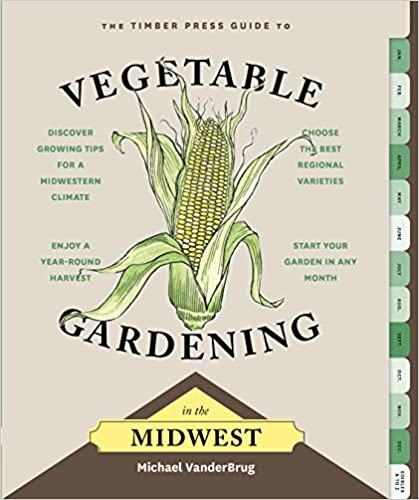
The Timber Press Guide to Vegetable Gardening in the Midwest (Monarch/Libby/Hoopla)
“There is nothing more regionally specific than vegetable gardening—what to plant, when to plant it, and when to harvest are decisions based on climate, weather, and first frost. The Timber Press Guide to Vegetable Gardening in the Midwest, by regional expert Michael VanderBrug, focuses on the unique eccentricities of the Midwest gardening calendar. The month-by-month format makes it perfect for beginners and accessible to everyone—gardeners can start gardening the month they pick it up. Perfect for home gardeners in Illinois, Indiana, Iowa, Kansas, Michigan, Minnesota, Missouri, Nebraska, North Dakota, Ohio, South Dakota, and Wisconsin.”
Known for expressing her wit and social commentary through her characters, Jane Austen is a staple of classrooms and beloved by many. But for readers new to Austen, the language can feel challenging and lots of sneaky jokes get lost along the way. (Consider: a character preaching about the importance of frugality while renting the carriage equivalent of an Audi.) Modern retellings can reframe those jokes in a way that doesn’t require extensive knowledge of 1800s British customs, or offer a fresh take for those who know Austen’s works well. For longtime Austen fans and newcomers alike, here are 6 adaptations of Jane Austen’s novels.
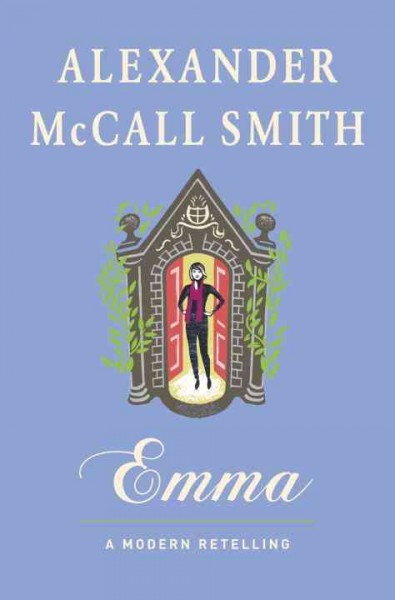
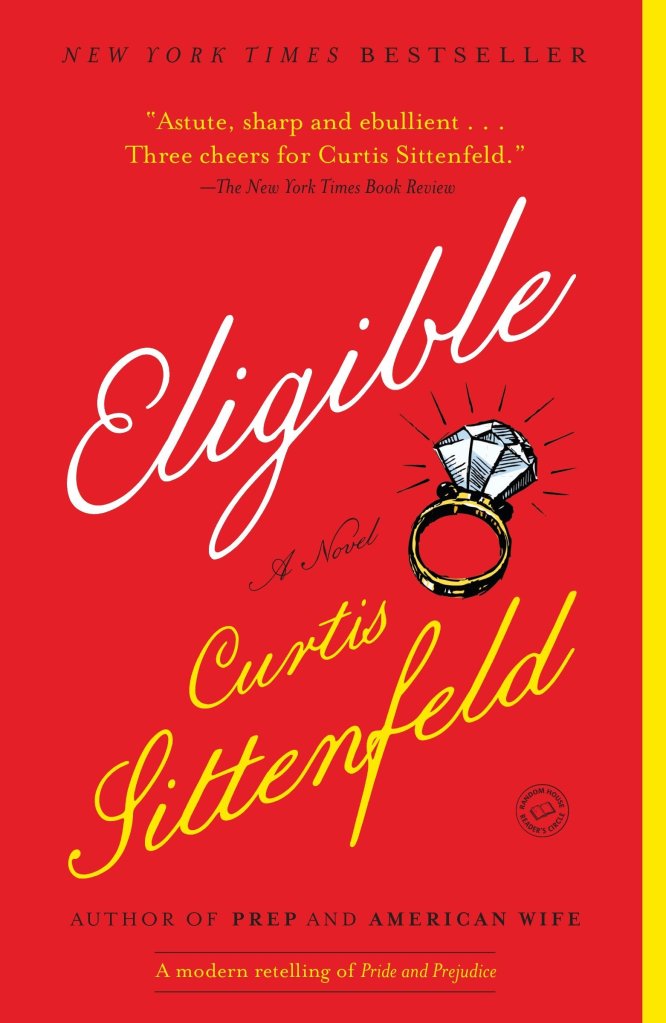
The Austen Project: Emma by Alexander McCall Smith & Eligble by Curtis Sittenfeld
The Austen Project brings Jane Austen into the present day. Eligible imagines Elizabeth as a writer for a magazine and Jane as a yoga instructor in New York. After their father has a health scare, the daughters return to their childhood city of Cincinnati to find the home in disrepair and a mother determined to marry off Jane before her 40th birthday.
In Emma, the titular character returns home from university to start her career in interior design. While she plans to get her business off the ground, she uses her free time to offer guidance to those she deems less wise in the ways of the world than she is – and she includes nearly everyone in Highbury in that tally.
Most years, we’d be approaching E3 season. That may be canceled, but there are a few games that I’m looking forward to that have already been announced. I’m sure as announcements trickle in that there will be more games that I’ll look forward to, but we’ll start with these.
As much as I love a good story, I’m a sucker for an open-world RPG. This one has piqued my interest because it’s not the usual shooter or fantasy RPG. It’s tough to say from the gameplay they’ve shown how much variety there will be for what you can do. So far, it’s eating things and swimming through beautiful aquatic scenery. I suspect that’s why the game is cheaper than most games upon release, but I still want to try it.
Welcome back to “What Has Molly Been Watching on Kanopy Lately”. This week not only am I going to encourage every Mead Library card holder to get in on the Kanopy action, I am going to encourage one to get artsy with it by exploring the Criterion Collection titles specifically.
So, what is the Criterion Collection, anyway? Founded in 1984, the Criterion Collection was created as a collective dedicated to preserving important film from around the world. As of now, Criterion boasts editions for over 1,400 films ranging from the dawn of the medium in the early 20th century to contemporary 21st century pictures. The editions they produce represent the best possible image quality and tend to include killer bonus content. You can check out their webpage HERE.
Kanopy offers 50 titles from this prestigious collection for your viewing pleasure. Below, I listed 4 of my particular favorites.
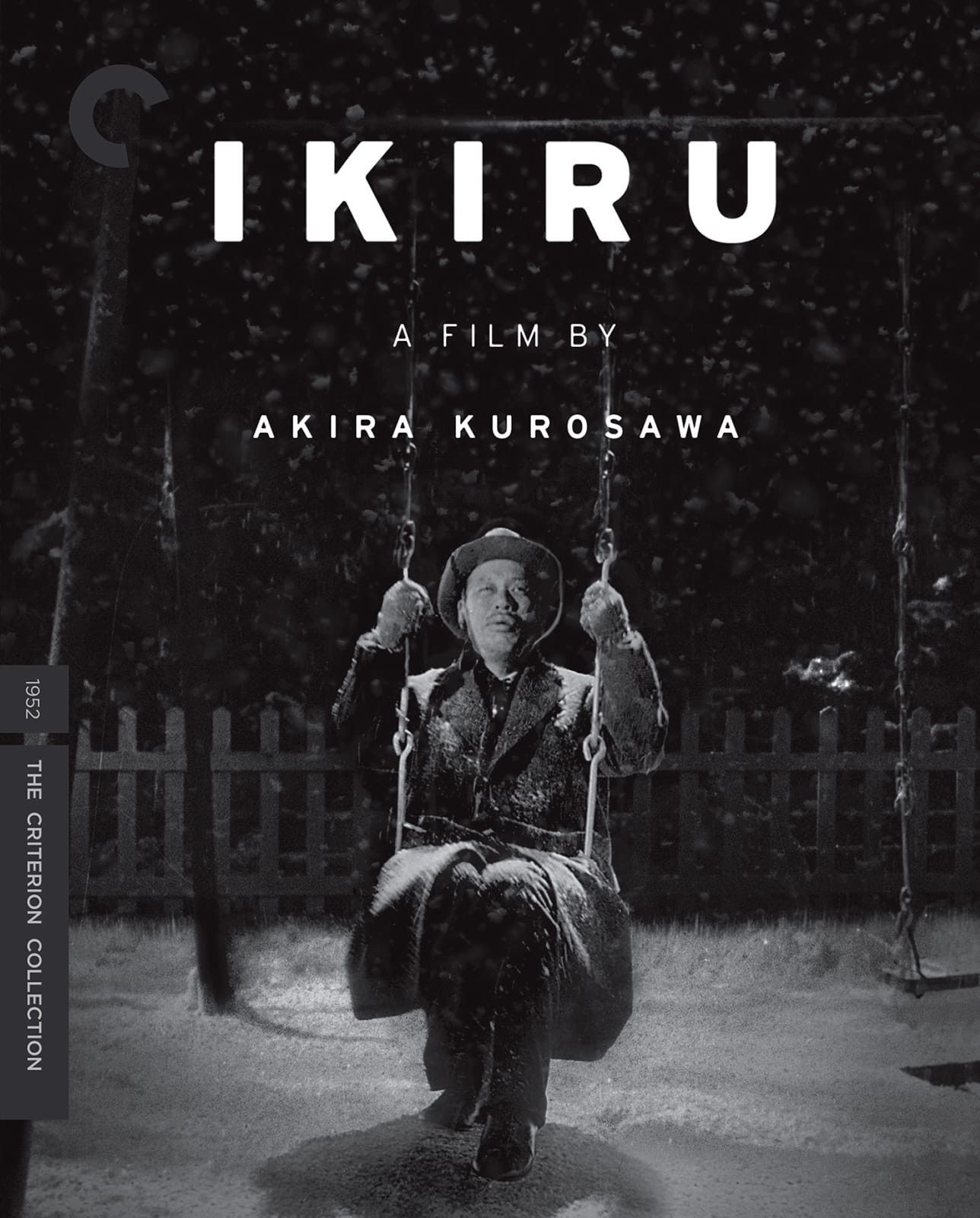
Ikiru (Directed by Akira Kurosawa; 1952)
This is a real one, right here. Kurosawa’s best known films like Yojimbo, Rashomon, and The Seven Samurai (the latter two are also available on Kanopy), tend to be in the vein of flashy epic dramas. Ikiru’s power lies in its pure and assured performances as well as in its relatably mundane plot. Ikiru, which translates as “to live” is the story of middle-aged bureaucrat Kanje Watanabe finding purpose and meaning in the face of an indifferent world. His wife has passed away and his daughter and son-in-law care more about Watanabe’s pension than the actual man who is earning it. When a stomach cancer diagnosis gives him a year to live, Watanabe realizes it is not too late for him to do something that matters. This leads him to focus on helping a nearby neighborhood lose a cesspool and gain a playground. This film is so beautiful it hurts. Watch it late at night with someone you love, if possible, and hug them with all your might. If this picture grabs you, please also see Tokyo Story (1953) directed by Kurosawa’s great contemporary Yasujiro Ozu, also available on Kanopy.
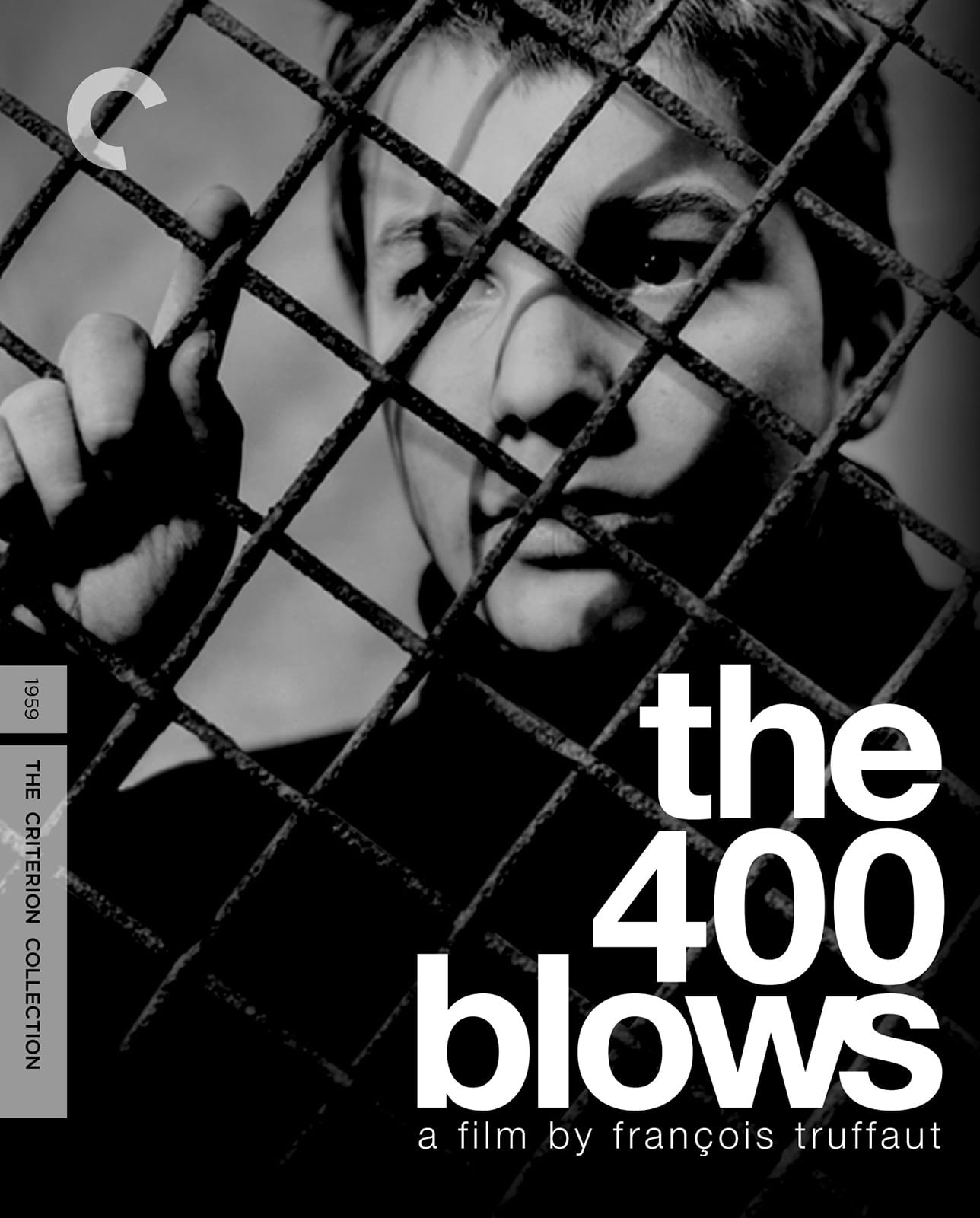
The 400 Blows (Directed by Francios Truffaut; 1959)
This is the film most people think of first when they think French New Wave Cinema. In fact, one might argue that the film’s director, François Truffaut, is the movement’s most important founder. French New Wave Cinema was characterized by naturalistic, often improvised dialogue and lots of shaky-cam jump cuts. In fact, Truffaut used footage directly from his lead actor’s audition reel in the finished movie. The story is almost embarrassing in how personal it feels and gave me the same feeling I get when I read The Catcher in the Rye, which was published around the same time. If you want to be a cool film guy, you need to watch French New Wave. Kanopy also offers several films by New Wave heavies Jean-Luc Goddard and Claude Chabrol.
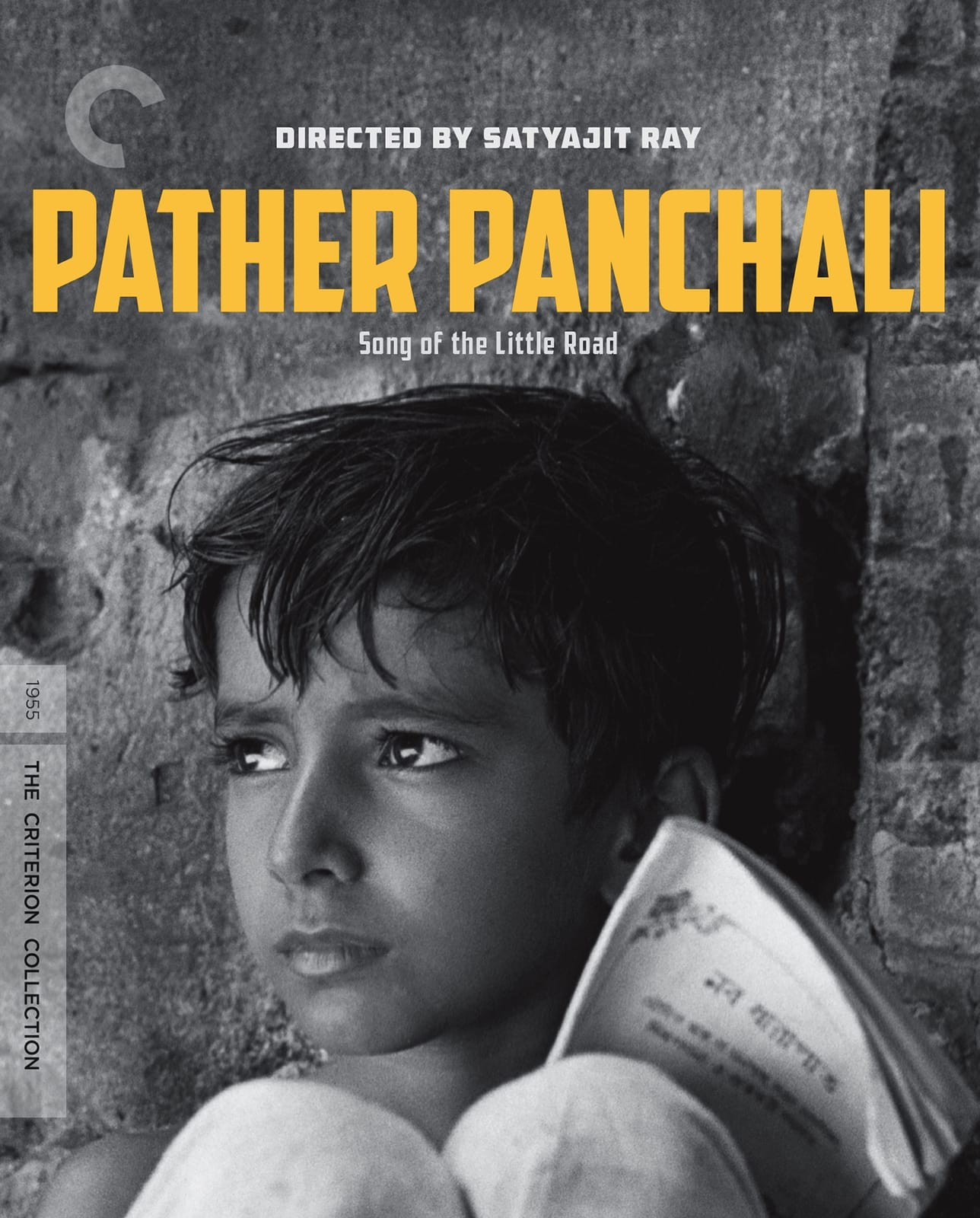
Pather Panchali (Directed by Satyajit Ray; 1955)
Let this quiet, gorgeous treat of a film transport you to a completely different time and place, outside Calcutta in the 1910s. The director relied on amatuer actors and improvised dialogue throughout the film to great effect. For instance, the actor playing young son Apu is possibly one of the most darling children ever committed to celluloid. And one can practically hear the wizened old auntie’s bones creak, she’s so old and bent over crooked. These are two members of an impoverished rural family we follow over the course of several years. They live in a crumbling ancestral home and subsist on the meager wage earned by the patriarch. The defining scene of the movie comes when Apu and his older sister, Durga, run away for an afternoon to see the train whose whistle delights them in the evenings. When they walked through tall grass together and shared a piece of sugar cane I felt nostalgia for a moment I never experienced. It reminded me how the best cinema should make us feel the big feelings that define what it means to be human.
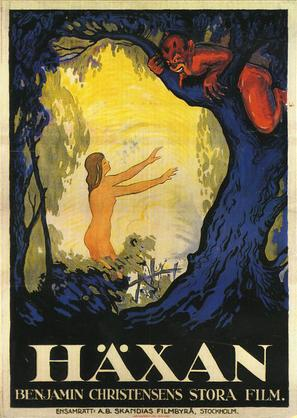
Haxan (directed by Benjamin Christensen; 1922)
Talk about what’s old is new again! This OG work of docutainment is based on the director’s personal study of the Malleus Maleficarum, a 15th century inquisition manual. Over the course of 4 parts, Haxan warns against the dangers of mistaking mental illness for deviltry and starting a false witch-hunt. If that concept isn’t already appealing enough, upon its release in 1922, Haxan was widely banned for various content reasons including but not limited to torture, nudity, and other sexually explicit scenarios. While the “educational” or narrative thrust of the picture is shaky l promise you, the nightmare scenes are coo-coo bananas and satisfying to watch in a way that I don’t know how to replicate. MMmmaaaaaaybe steer clear of this one if you don’t find satanism to be as campy and fun as I do.
I hope this sparks some interest in exploring the Criterion Collection portion of Kanopy. Also, I would love to hear which films you’ve been loving and hating best. Call 920-459-3400 to tell me all about it, or for any other library assistance. Stay safe and keep watching good cinema!
The last few weeks have been good for gaming, but even I can get burned out after a few days. Sometimes, you get caught up in the story or world you were playing in, though. This week I found a few books that are set in some favorite videogame worlds.
This novel is set after the Oblivion Crisis. Though I feel like to fully enjoy it, you need to have played The Elder Scrolls III, or at least The Elder Scrolls Online. The novel visits places in Morrowind like Vivec City and mentions the fall of the Ministry of Truth. That may not be as much of an issue for other people as it would be for me, though.
People often assume I love books more than anything given my field and profession, and they aren’t wrong! I love books, so, so much. I love books like they’re alive. But my go-to vehicle for escapism has always been the warm embrace of film. If you haven’t sought out Mead’s video-streaming service, Kanopy yet, now is the time. Mead Library card holders get 10 credits a month and access to a staggering array of film across all genres. In addition to that, the “no-credit” viewing list has risen to 60 titles to meet our needs during the most leisurely pandemic ever. Below, I listed four movies to keep you entertained while we ride this stuff out.
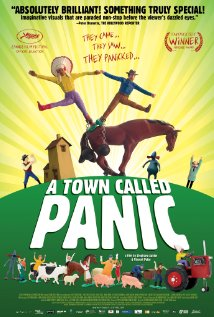
A Town Called Panic (2009; 76 minutes; PG) Sometimes I get envious of people when I find out they haven’t consumed my personal favorite movies. They get to have the experience of seeing it for the first time, and I can never feel that feeling again. Please watch this movie, I implore you. Y’all are in for a treat. Not only is it beautiful to look at and very charming, but it is outright hilarious and wildly creative. This is stop-motion animation at its most absurd and watchable. I’m so confident in its appeal that I am not even going to go into any sort of plot summary. It’s a French production, so make sure to watch with original French subtitles. Kids will dig on it, too! With or without subtitles.
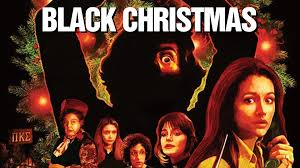
Black Christmas (1974; 1h 38m; R) Why yes, this was recently remade and no, you absolutely should not watch the remake. For those of you who do not dig on horror, by all means skip right the heck over this entry. Not only is Black Christmas an early prototypic slasher movie often copied in tone a decade later in the likes of Halloween and Friday the 13th but it is genuinely creepy! Originally released under the title “Silent Night Deadly Night”, we watch as one by one, members of a sorority succumb to the creep living in the attic. You may be surprised to learn that Bob Clark, the film’s director, would go on to direct A Christmas Story so he really had all the Christmas-themed genre films locked down by the early 1980s. This is a great pick for someone who is curious about horror but can’t handle too much gore. Also, it’s a good idea to wait until the wee ones are elsewhere before giving it a look.
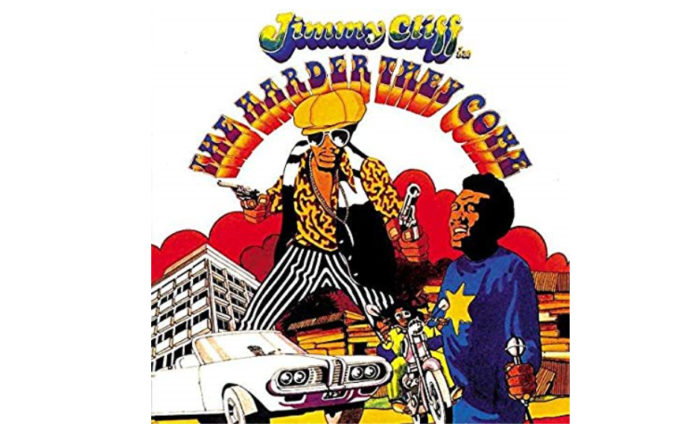
The Harder They Come (1972; 2h; R) The plot is convoluted, the acting is terrible, the cinematography is eh, so why bother? This is the king of 1970s exploitation films and warrants a peek. And have I mentioned the soundtrack? Talk about escapism, it’s like sitting by the beach, you just need to stick a tiny umbrella in your drink. The film’s protagonist, played by Jimmy Cliff, is trying his best to get a recording contract while running afoul of drug dealers and corrupt record producers. Naturally, the soundtrack is peppered with the best reggae music and artists of the time. Only one other exploitation film comes close in musical quality and that is the immortal soundtrack to Superfly (also 1972), by Curtis Mayfield. I would not necessarily call The Harder They Come “lighthearted” but it is so far afield in location and time that one will be transported, if only briefly, to a place far from the realities of COVID.
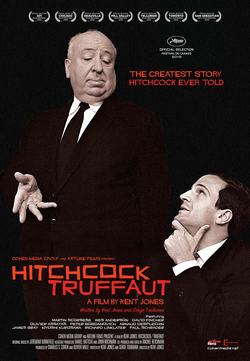
Hitchcock/Truffaut (2015; 80m; PG-13) While the film was released in 2015, it is based on a series of interviews conducted by Truffaut over the course of a week in 1962 at Hitchcock’s studios at Universal. The interview series would go on to be published in 1966 as a book of the same name, and is still considered one of the most important books on film published in the 20th century. Psycho (1960), North by Northwest (1959) and Vertigo (1958) had already reached the big screen at the time of the interviews, and Rebecca won for Best Picture in 1940, but Hitchcock was still not regarded as the important auteur we know him as today. Truffaut, himself a young filmmaker, idolized Hitch’s work and used the interview time to go through all of his more than 50 films to date in chronological order with almost fetishistic zeal. The addition of interjected commentary by contemporary filmmakers fleshes out the scope and gravity of what Truffaut accomplished. WARNING! This documentary will make you want to watch Hitchcock’s entire filmography so be prepared. It might also make one curious about the work of Francois Truffaut. If this is the case, I have good news. My next Kanopy-centric blog post will focus on Criterion Collection titles available, which includes but is not limited to Truffaut’s The 400 Blows. Stay tuned!
I would love to hear which films people have found appealing, and which…not so much. Let me know! Email me at publicservices@meadpl.org. I would truly love to hear some opinions and suggestions. We’re happy to help with any Kanopy-related questions, as well. Until next time, happy watching!
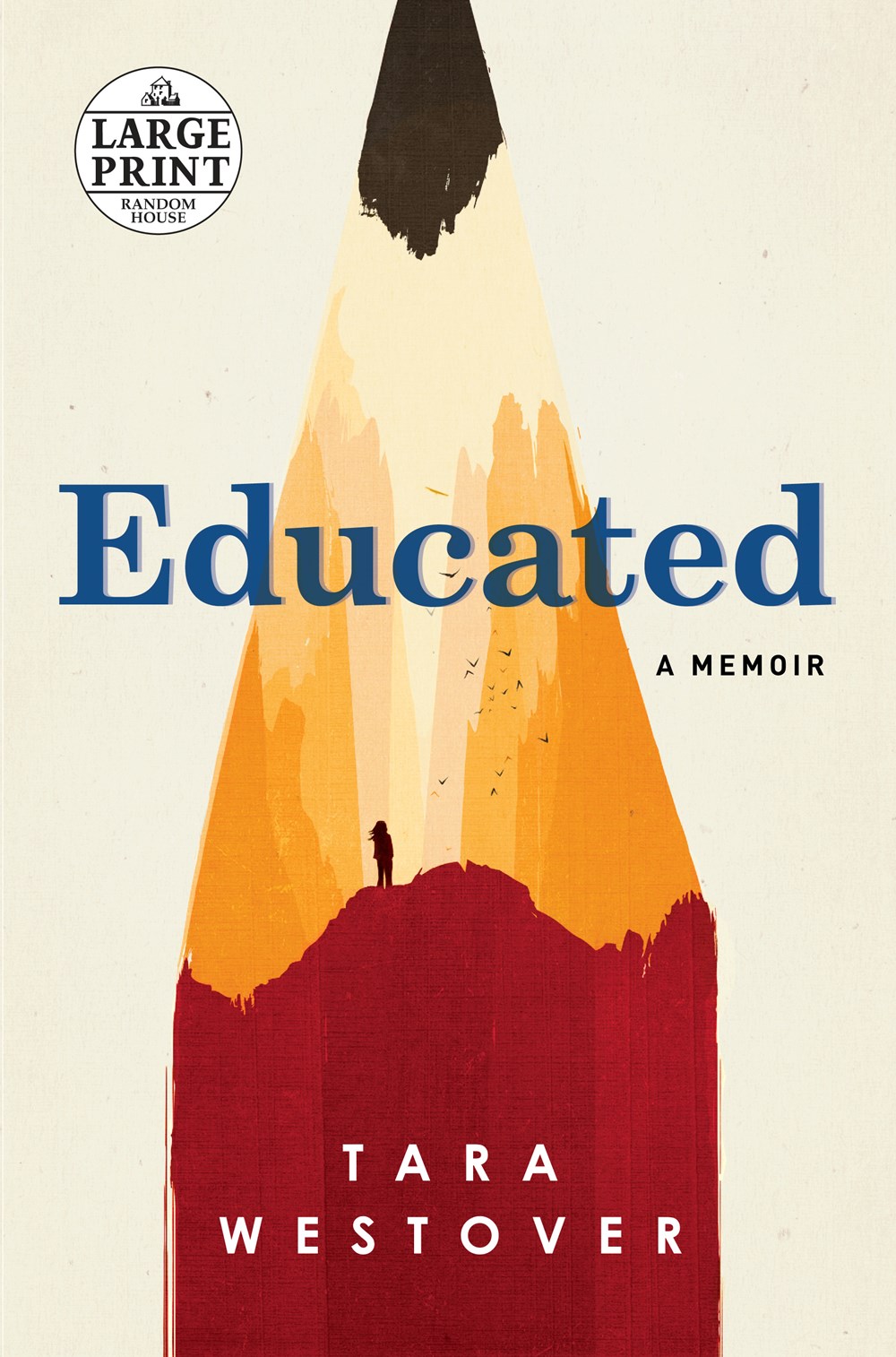
Have you been waiting on the holds list to read Educated by Tara Westover and just want a book to pass the time? Or have you just finished Educated and now you’re wondering what you could possibly read that could ever compare?
Here’s a list of books that just might fill the Educated void:
This memoir follows Jessica’s journey as a young woman who is abused, both physically and emotionally, by her father. Later in her life, she decides to break away and cut all ties with her dysfunctional family to finally create a life for herself. Though she struggles to overcome the trauma and pain that has internally built up throughout her childhood, Jessica works her way down an inspiring path to happiness. This book is currently available right away in Audiobook format on Hoopla
One of my favorite things to do is to visit museums. Needless to say, I can’t do that these days while in quarantine. So here are some museums that are doing virtual tours that I paired with a documentary on Hoopla or Kanopy.
International travel, like late-night Taco Bell or book shopping, is just one of those things we don’t get to do in-person right now. So instead of risking a plane trip, bring the Louvre to you!
I thought it was interesting that, before this documentary, the Louvre had not been filmed.
With busy days of working and doing schoolwork at home, you may be looking for ways to break up the day a bit. Have you considered having a storytime at home? How about a family storytime that caregivers can sit back and enjoy? You can even set it up for the kids and take advantage of having a bit of free time for yourself while the kids are occupied by their story. Mead Library cardholders have access to Hoopla. Hoopla offers a variety of media for both children and adults to check out – up to 10 items per month. Included in this media selection are thousands of children’s audiobooks. There are short stories for younger listeners, as well as chapter books for older listeners. You can search for specific books, or simply browse the children’s selection. I have some recommendations for chapter books that will appeal to school-age children. Try pairing a story up with another relaxing activity, such as coloring or doing a puzzle. Listen to a couple of chapters, and enjoy a screen-free break in your day!
By now, many of us have been (should have been) sheltering in place for a few weeks. If you are anything like me, it has been a crash course in staying sane and staying entertained. My favorite form of escapism has always been film so I was thrilled when Mead acquired access to Kanopy last year. To the uninitiated, Kanopy is a video streaming service available to anyone with an active Mead library card and internet access. Here’s where you can find it: https://www.meadpl.org/streaming. Similar to Hoopla, users receive 10 viewing credits each month. I burned through my credits in March watching a very soothing film documentary series called The Story of Film: An Odyssey. It’s narrated by this smartypants film scholar with an Irish accent and man, was that ever a balm on my soul. If you like film history I highly recommend it. But what does one do when all the credits get used up? Not to fear, Kanopy has compiled a list of credit-free movies to help get us through this weird moment in history. Right now, the list is up to 54 titles. Here are my favorites, so far:
The Strange Love of Martha Ivers (1946; starring Barbara Stanwyck and Kirk Douglas)
Melodrama! Cruel aunts! Femmes Fatale! Murder! Obsessive love! This movie has it all. Stanwyck is at her sharp-as-nails best while Kirk Douglas plays against type as her alcoholic weakling husband. They seem an ill-suited match, so why are they a couple at all? The dark secret that binds them together is unraveled in satisfying film noir style over the course of this two hour movie. If you love films like Double Indemnity, Laura, and Rebecca, you will likely enjoy The Strange Love of Martha Ivers.
The King of Masks (1996; directed by Wu Tianming)
Aging street performer Wang is a master of bian lian, a form of opera that involves lightening-fast mask changing. He longs for a son to teach his trade to, which leads him to purchase a young boy from an illegal child market. When Wang’s new “son” admits that she is actually a girl, a story is set in motion that demands Wang re-examine what he values most in life. Simple and solemn performances coupled with crisp, beautiful cinematography made The King of Masks a joy to watch. This gorgeous character-driven film won the Golden Rooster, or Chinese Oscar equivalent, in 1996. If you enjoyed the dynamics present in Paper Moon (1973), Mask (1985), or even The Bad News Bears (1976), you will probably enjoy The King of Masks.
Blame (2017; Written, directed, and starring Quinn Shephard)
This is NOT your typical teen comedy romp! While it shares some thematic similarities to mainstream hits like Easy A, do not expect light-heartedness or a pat ending. Protagonist Abigail returns to her high school after a 6 month stay in a psych ward. Why was she there and why does she dress like a 1950s holdover? Abigail soon develops a rivalry with an edgy girl for the attentions of their attractive English teacher. Told with increasing paranoia and dreamy creepiness, Blame parallels the elements of stage plays like The Crucible, to great effect. The unease is palpable and I found myself getting more and more tense as the movie wore on. Although Blame has an MPAA rating of PG-13, one might want to wait until the little ones are in bed before giving it a spin.
Zoo (2017)
Not to be confused with the 2018 zombie movie of the same name, this picture is the complete escapist package, even though the story is grounded in true events surrounding Luftwaffe attacks on Belfast. A group of children take it upon themselves to rescue a baby elephant from execution when soldiers are ordered to shoot dangerous zoo animals lest they escape their enclosures due to bombing. This movie made me laugh and cry so many times I lost count. It is joyous and tense and heartbreaking and unlike Blame, this big-hearted movie is great for the whole family.
The above four films only begin to describe the depth and breadth of films made available for credit-free viewing on Kanopy. I frequently found myself outside my comfort zone, and getting rewarded for it in the end. There are so many more great films on the list that I am looking forward to exploring. What are your favorite credit-free movies so far? I would love to know. Write me at publicservices@meadpl.org with your picks. Use this email if you have any questions or difficulties accessing Kanopy, as well. Happy watching! -Molly