Dear reader, I have reached that point in my manga reading where I’ve finished one beloved series while also waiting for the latest English-language volumes of other series to be released. So I went to Google and searched for other series similar to ones I’m reading now, to tide me over! That is how I found the three manga series I’ll be talking about today.
Of course, if you’ve been reading my blog posts for any length of time you’ll know that I love cats! So what better to write about than cat-themed manga? Name a better duo, I’ll wait!
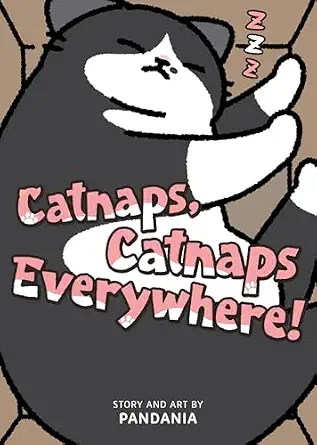
Return to the adorable world of PANDANIA in the newest cat comic. A box, a sunbeam, or a comfy lap: there’s plenty of places to find a napping cat!
Necchi is a big, long cat who enjoys napping, lazing around, and finding new ways to get attention from his human. Stretched out in a sunbeam or curled up in a box, Necchi is never picky about where he lounges! This sweet boy never scratches or knocks things over if he’s displeased–he simply extends a paw in refusal. And he always knows when his human needs cuddling.
Enjoy the daily life of Necchi and his human from the master of cat manga, PANDANIA!
Dear reader, I feel like I wasn’t fair to this manga series the first time I read it. I kept expecting it to be like one of my most favorite manga series, Nights With a Cat, where both the cat and humans are very expressive and very realistic both in looks and in actions. While Necchi the cat is realistically drawn and behaves like a normal cat, his human is not realistic in appearance. My main problem could just be I didn’t like the art style of Catnaps. I think it kept me from fully immersing in the story.
But that aside, I still enjoyed reading this volume! The dynamic between Necchi and his human was fun to read. Necchi got into things he shouldn’t, behaved in ways that his human found bizarre, and made him worry as well! The seemingly trivial things he worried over where Necchi was concerned made him very relatable. Which one of us that has pets hasn’t fretted over the smallest thing?
Also, having grown up with a 20+ lb. cat I found Necchi’s big size relatable as well! Every time I see “normal-sized cats” I’m always shocked how small they seem! What do you mean your cat isn’t the size of a small dog? How strange!
Lately I have found myself watching more old movies. To be honest, dear readers, I am becoming weary of all the CGI and special effects that these new movies produce with wild abandon. I long for the days when artists designed amazing physical props that would ignite the imagination and contribute to a story. There is something enrapturing about suspending your disbelief and appreciating a well told story. When I speak of old movies I am talking about ones that were either from the days of black and white film and up to the 1960s. I do greatly enjoy movies from the 80’s (1980’s for those of you born in this century), but I wish to go back farther than that as many classic and well known hits came to the screen in the 80’s. I would like to introduce you to some older films that I believe deserve greater appreciation. Dear readers, prepare to be transported in time as I introduce some old movies that deserve more love.
Surprisingly, my husband brought this movie to my attention. He had read an article that it was this movie that began many of the modern tropes that we see in horror movies today. Because we are very spoiled with being library card holders with access to thousands of movies and books, I was able to request this movie from another library in our system (you can as well with the link, dear reader.)
I must say, this movie impressed me. If you are looking for gothic horror-this is for you. An adult sister and brother (Pamela and Roderick) are vacationing on the moody coast of Cornwall when they come across a sprawling gothic mansion. Pamela immediately falls in love with the place and convinces Roderick that they can afford it if they go in on it together (they get a good deal on it, in fact). Moving in they soon discover that their new home, Windward House, is considered haunted by the locals. At first they brush off these stories, but soon the sibling duo encounter strange happenings in the house: drafts, cold spots, and the sound of sobbing in the night. The dog even refuses to enter the second floor.
Pamela and Roderick are likeable people and quickly make friends with the neighbors, especially Stella Fitzgerald whose mother died in Windward House. Stella now lives with her grandfather and is mysteriously forbidden from entering Pamela and Roderick’s new abode. Why? Could Stella be the key to the haunting? What secrets lurk within the walls of Windward House? You cannot go wrong with this movie. The acting is great, the atmosphere is spooky and gothic, the special effects in terms of the ghost were phenomenal for the period. I highly recommend The Uninvited (1944).
Dear reader, I am here today to talk about something I’ve never talked about in a blog post before, magazines! Thanks to the kind and very helpful librarians at our reference desk here at Mead I was able to learn about a new feature in the Libby app! Do you use Libby at all? I hope you do, it’s a great resource available to all cardholders!
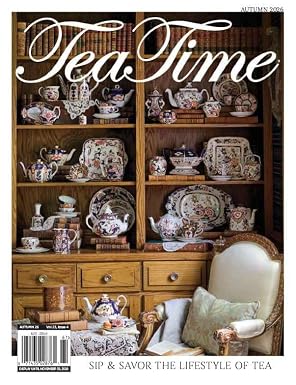
Earlier this year my sister-in-law’s mom mentioned to me how she was gifted a subscription to a magazine called TeaTime. After looking it up I was intrigued! Of course I went straight to the Monarch catalog to see if I could find it, but alas, it wasn’t there! I remembered that Mead has several resources available where you can read magazines online, but I didn’t have any luck finding it there either. So I did what any respectable library patron does when they need help…I asked the librarians! They showed me how to access the Magazine Rack feature in Libby where you can search for and subscribe to magazines! I was set! There is even a feature where you can read back issues, which, believe you me, really held me over during those two month stretches between issues!
If you’re worried about the magazines not translating well to a tablet, phone, or computer, have no fear! Although admittedly, the bigger the screen you can view them on, the better. At the beginning of each story there is a button that says article that you can click on. Not only do the pictures come up full screen, but the orientation of the text changes too so it’s easier to read.
Another bonus is that, since you’re reading the magazine online, if there are product links you can simply click on them and they will take you straight to the website! Let me tell you, this has been a most dangerous feature whenever I’m reading TeaTime. Many a new and exciting tea has been ordered each issue!
TeaTime is designed to appeal to the growing market of tea lovers. This bimonthly publication highlights tearooms and their owners, providing tea party ideas and sharing enhancements to the enjoyment of tea. TeaTime is a source book for all who love tea and who want to enrich life with the serenity of teatime. The magazine proclaims the pleasures of tea as a gourmet beverage, and offers informative articles that range from food features to tearoom profiles. TeaTime goes beyond the history and science of the beverage and celebrates the art and passion that make drinking tea a memorable occasion.
Dear reader, I have only ever attended one tea party in my life, and I cannot bake anything, even if I was facing imminent death, but even still, I thoroughly enjoy each TeaTime issue bestowed in my Libby app! That is one of the greatest powers of reading, is it not? Living vicariously through others, whether they be real or imagined! Each delicately made, miniscule finger sandwich, tart, scone, etc., that graces an elegantly designed table almost makes me want to take up baking, just to experience some of the pure magic for myself! Emphasis on the almost! Each table setting is thoroughly thought out, from the design of the dishes and cups, the flatware, and even to which desserts will be paired with which teas, and the order the teas arrive in! At the end of each article it will always list each tea and where to find it.
TeaTime also features elegantly appointed tearooms throughout the United States, as well as outside of it. It also features tea cruises! Who even knew those were a thing? Amazing! What I find most tantalizing, though, are the train rides featuring tea! Dear reader, when it comes to train rides, I am a hopeless romantic. It’s a direct byproduct of my obsession with steam trains. Imagine sitting on a plush velvet chair looking out at the mountains and small towns gliding by while you sip delicious tea. Pure heaven!
Of course the magazine also talks about the history of tea, which is equally fascinating. I don’t know about you, dear reader, but when I read historical accounts from other countries that are centuries old, I’m always struck with a sense of awe. Compared to most other countries, the United States is truly a young country. It’s hard for me to imagine such ancient history! But that doesn’t get in the way of my enjoyment of such stories.
How the tea is grown, how it’s harvested, the different drying methods to achieve different strengths and types of tea, it’s always intriguing! Learning about such things can make you appreciate that hot cup of tea all the more
Dear reader, that is what it feels like! Although I know it isn’t true. After having been moved out of my parent’s house for almost a year, a few months ago I finally bought my own DVD player! For some reason, this more than anything else cemented the fact that I live on my own. Does that sound silly? Maybe it’s the fact that anytime I wanted to watch a movie at my parent’s house I had to either A) Wait until my parents weren’t at home or B) Ask if they wanted to watch it with me because it was their TV and their DVD player. I’m sure after my brother moved out I could have bought my own and set it up in his old room, but somehow that never occured me. I did, however, buy my own recliner and create a reading nook for myself in a corner of his old room, which tells you everything you need to know about my priorities!
Truth me told, I’m still not a big movie watcher, even with my own magical DVD player and TV! I feel like I watched the normal amount of movies growing up just like every other 90’s kid, so I really can’t explain where my preference for books over movies started, but it has always been that way. With that said, once I successfully hooked up my DVD player – with help from my coworkers! – that didn’t stop me from requesting several movies in rapid succession! The movies I’ll be talking about today are mostly those that were recommended to me from others. You see, dear reader, I’ve always been out of touch with what movies are cool and new, so I had to ask others what they’ve been watching lately! Luckily my sister-in-law and brother are big movie watchers so they are always a treasure trove of recommendations! They also have this magical thing called multiple streaming services! Something I refuse to indulge in myself because no matter how many you have, dear reader, there will always be one you don’t! So what is the point, I ask you? One of my coworkers recently shared an article that talked about how the lending of DVDS from local libraries is on the rise due to many streaming services becoming more expensive while simultaneously dropping titles and series. It’s just one more way that libraries are staying relevant and helping people to save money
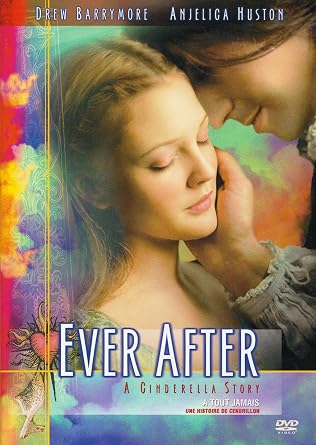
A ‘modern’ young woman of the 16th century, Danielle is as independent and wise as she is beautiful and kind. Against remarkable odds, she stands up to her scheming stepmother and works miracles on the lives around her, including the prince of France.
Dear reader, this movie came recommended to me by not one, but several people! My sister-in-law even said it is one of her comfort movies, and after watching it I agree! There was something about the setting and the characters that drew me in, especially Danielle’s character, of course. Her ability to see the positivity in every situation was notable too. When I was telling my sister-in-law how much I enjoyed watching the movie, I even had to share a quote from it with her that I had found particularly striking. It comes when Danielle goes uncover as a noble lady – and it won’t be the last time, either! – to try to release the husband of a servant who has been imprisoned. While she is confronting the cargomaster who is leading the team of the prison cart the prince walks up and asks why Maurice, the husband, should be released. Danielle replies, “If you suffer your people to be ill-educated, and their manners corrupted from infancy, and then punish them for those crimes to which their first education disposed them, what else is to be concluded, sire, but that you first make thieves and then punish them?”
Throughout this movie I even felt some affinity for Danielle’s step sister, Jacqueline, who, unlike her sister, Marguerite, is neglected by her mother and often left in Marguerite’s shadow, deemed the ‘ugly sister’ while Marguerite is pampered and preened for an advantageous marriage. I even found myself wondering, after we learn what kind of person the Baroness Rodmilla de Ghent – Danielle’s stepmother – is, why her father would have married her in the first place. What did he see in her? Maybe she was successful enough in hiding her true self and opinions, revealing them only once he was gone and she had full control of the estate.
There is another poignant scene in which Danielle confronts the Baroness, asking why she has never liked her, telling the Baroness she is the only mother she has ever had yet this is how she is treated. The Baroness responds with “how can anyone love a pebble in their shoe”? How heartrending! One feels a strong affinity with Danielle after such a scene. It also exposes the depth of evil in the Baroness.
Over the year I’ve bought very few movies, but Ever After is one I am strongly considering finding a copy of to add to my small but now slowly growing movie collection!
Dear reader, lately I have discovered a trend in my reading. Books that I have read recently seem to have the similar theme of sisters being separated but finding closure or reigniting their relationship. This is not a theme that I set out planning to explore, the books I have chosen to partake in were pure serendipity. A bit about me: I do not have a biological sister. I have two stepsisters that I love and enjoy spending time with, but we did not become close until adulthood as we did not grow up together. Do I wish that I had a sister? I do not know. I have close female friends I consider akin to sisters. I think that is enough for me. I did enjoy reading these books (mostly thriller) that explore sister relationships. I hope you also enjoy traveling down the dark twisty roads of the bonds of sisterhood in the following novels!
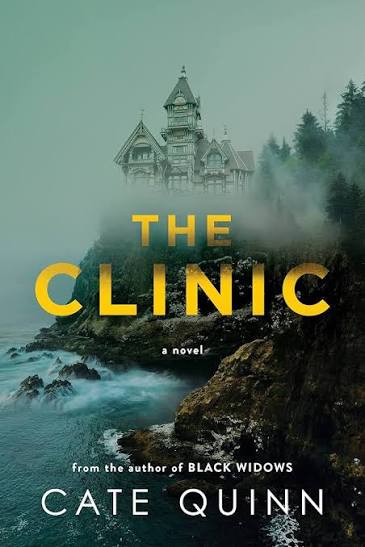
If you read my last month’s blog post you will remember that I was awaiting The Clinic to come in. After much anticipation and excitement my hold finally arrived! Was it worth the wait! Oh yes, very much so. The Clinic was so good I read it in a week.
“To solve your sister’s murder, you might need to solve yourself.”
Meg and Hailey did not have an easy childhood growing up with an abusive famous mother. As an adult Hailey became a famous country singer. Meg took a security job at a casino. Both became addicted to drugs and alcohol. Hailey wanted to change and get clean so she enrolled herself in a new treatment center: The Clinic. The Clinic is a specialized place that the rich and famous can come to get clean. It is incredibly fancy and costs a fortune to attend in-patient treatment. That picture perfect image is shattered when Hailey is reported dead from an apparent overdose.
Meg knows her sister. Hailey would not overdose or risk her life like that. Facts about the case just do not add up. Suspicious, Meg decides to go in undercover to get to the truth about the goings on inside of The Clinic. Meg quickly realizes that in order to solve her sister’s murder she must get clean and solve her own childhood trauma first. The Clinic kept me guessing at every turn. I had no idea who could possibly be the killer. Usually I have an inkling. This one is full of unexpected plot twists. The setting is also chef’s kiss. The Clinic is no ordinary addiction treatment center.
I feel it is worth noting the author’s note in the beginning of this book. Cate Quinn confesses that this is her first novel written completely sober. Many of the ideas she got for this novel come from her own treatment for the conditions of alcohol abuse. She says that this is the novel she is most proud of. After reading it, I must say she has a right to be proud.
Dear reader, I start this blog post with yet another confession, which is thus: Although I will be talking today about three different variations on Jane Austen’s novel, Pride and Prejudice, I have yet to read the actual novel. Has that ever happened to you? I now have a fear that when I do get to reading the actual novel, my reading of it will be tainted by these three adaptations I’ve read before it. But I suppose, even if I hadn’t read them, I would still be bringing my own ideas, perspectives, and the like to the original anyway, so really is there a way for me to read Pride and Prejudice objectively?
Ironically, I have a hard time reading classics, but yet I have read three adaptation of it. My main problem with classic is I find the archaic language quite distracting, to the point where it almost gets in the way of my physical reading of the story, if that makes sense. But, never fear dear reader, I will read Pride and Prejudice at some point!
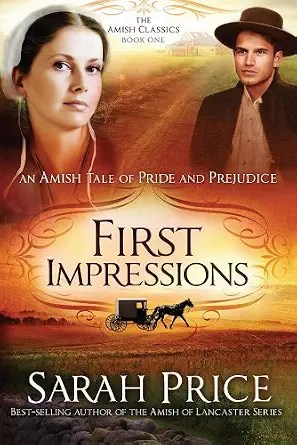
The first book I’ll be talking about is an Amish retelling by Sarah Price. The setting being Amish, I felt like this retelling was the closest to the original, what with the getting around by horse and buggy and there being no electricity. This book was actually my first foray into Amish fiction. It was something I found myself avoiding for a long time because I assumed I wouldn’t like it. What a silly thing, our assumptions! Much like regency romance, I have now fallen headlong down the rabbit hole of Amish fiction. Not only have I read other retellings of classic novels by Sarah Price, but I’ve also listened to several Amish fiction audiobooks. What worlds of reading we keep ourselves from simply by assuming we couldn’t enjoy them!
With five daughters and no sons, Daed and Maem Blank are anxious to find their girls suitors who might eventually take over their family farm. When news arrives that Charles Beachey, the son of a prominent Amish farmer, will be returning from Ohio with his cousin Frederick, they are hopeful that the young men might be good matches for their daughters.
The oldest daughter, Jane, starts courting Charles, a well-mannered and very respectful young man, but her younger sister Lizzie is not interested in either courtship or Frederick. In fact, she wants nothing to do with him, finding him full of pride and disdain for her family’s way of life. But in a community and culture where pride is scorned, Lizzie must learn that first impressions can be dangerous and people are not always who they seem to be.
This Amish retelling of the popular Jane Austen classic Pride and Prejudice is a beautiful take on the power of love to overcome class boundaries and prejudices that will win your heart.
Dear reader, I must fully admit to being more than a little bored while reading this retelling, which worries me in my endeavor to read the original text. While I was reading it, it made me think of that most infamous review of the original Pride and Prejudice, wherein the person claimed it to be “just a book about people going over to one another’s houses”. There is much more to it than that, I’m sure! Just as there was more to Sarah Price’s retelling. But taken at surface level, I could see how one would think that.
Not only was it my first glimpse into Amish life, but it was also an important lesson of the dangers of acting on first impressions, and, you guessed it, prejudices. One of the things I find most maddening in books is when one character won’t let another one fully explain a situation, instead interjecting with their own ideas and frustrations, and then leaving. It simply makes my blood boil! And then those misunderstandings get carried through multiple chapters with those characters avoiding one another, and nothing gets resolved.
I felt like Sarah Price’s retelling of Emma suffered from a lot of the same issues, with the main character – yes, you guessed it, Emma! – interfering in others lives where she shouldn’t have, and then having to face the consequences of that. Characters that think they know a certain situation and what is best, but in the end it turns out they had everything wrong and a bigger muddle is made than if they had just let things take their natural course. But isn’t that the human way?
Dear reader, can you imagine writing a book so many hundreds of years ago that is still being talked about and reimagined today? What staying power! I truly wonder what people thought of Pride and Prejudice when it was first released. How magical that must have been for readers.
The next retelling is something completely different, and is one I came across thanks to an Instagram video.
This year I have been keeping a reading journal. It is just a blank journal, but I keep track of what I read each month and write my thoughts down on the books that I finish. This allows me to be blunt, honest, and able to scream and gush about my interests in a controlled fashion. I rank the book that I read between 1 and 5 stars depending on what I thought of it. It will be thrilling to go back through it at the end of the year and relive my adventures.
Anyway, while reviewing my reads for April I noticed that I had a trend going. Usually I read a variety of genres. In April I seem to have stuck to only one in particular, with one exception. I wish to share my reads with you, Dear Reader, and perhaps you can guess which one is not like the others!
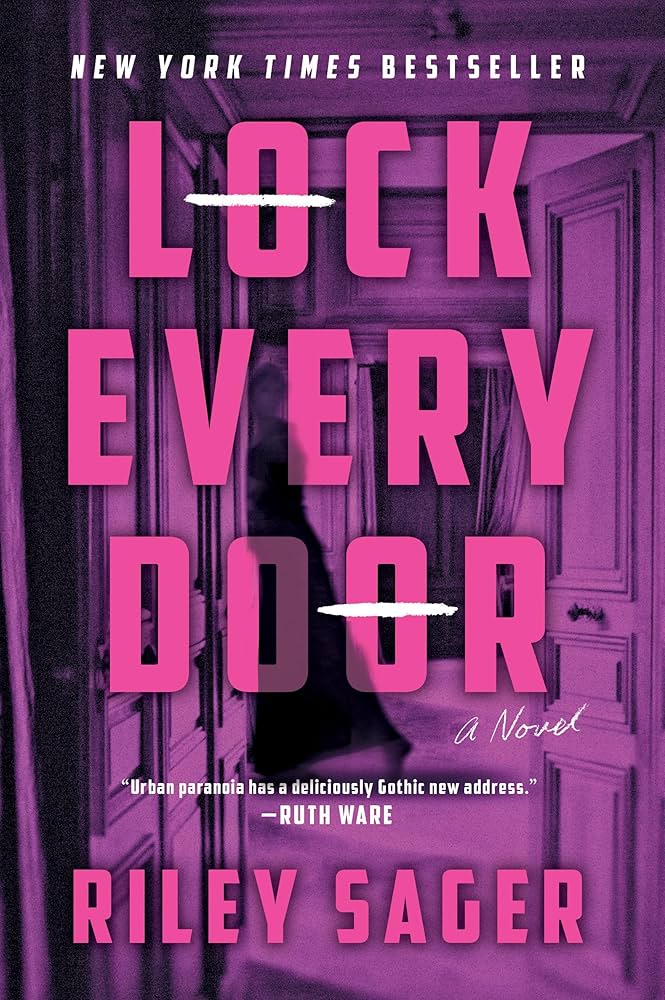
I am a sucker for a good Gothic thriller and Lock Every Door provided what I sought. I will admit outright that the main character in this one is not the brightest bulb in the shack. She is the epitome of a stereotypical horror movie character that never spots the red flags and makes all of the wrong choices. But if she made the correct choices would we actually have a good thrilling tale? Probably not. Sometimes the characters need to make the wrong choices so that we, the readers, can be entertained.
Jules is down on her luck. She lost her job, her boyfriend cheated on her, she lost her apartment, and now she is sleeping on her best friend’s couch with barely a penny to her name. When Jules reads an ad in the paper for an apartment sitting job at the prestigious Bartholomew she believes it to be too good to be true. The Bartholomew is one of the oldest apartment buildings in New York, home to the rich and famous and impossible to access. Jules applies and gets the job. She finds herself living in luxury on the top floor of the building, getting a very nice paycheck, a gorgeous view of Central Park, and she even has her very own gargoyle statue outside of her bedroom window. An added perk is the very attractive doctor living in the apartment next door. The Bartholomew, however, may not be all it seems. Jules soon finds out about its dark past and that previous apartment sitters have been disappearing. Can Jules uncover the truth of The Bartholomew before she becomes the next victim?
I want to say I obsessed over this one for a while and I very highly recommend it. Just the setting had me. I could imagine myself living there. (I have a thing for Gothic settings, no matter how creepy). The mystery was very consuming and the threat had me almost biting my nails and wanting to scream at the main character to not do certain things that were sure to result in something bad happening. I thoroughly enjoyed this one and I hope you will as well, Dear Reader.
Dear reader, within the last several years I have really grown to appreciate audiobooks. I began listening to them when I first started going on vacation with my brother and one his friends, utilizing them as an effective way to fill up the many hours – some of them very monotonous – of staring out the window at freeway scenery. Since I have moved out into my own apartment, however, I have come to appreciate audiobooks even more! I listen to them mainly while I’m cooking dinner, cleaning, or putting together a puzzle.
Don’t get me wrong, I appreciate the sometimes total silence of my apartment, especially since back at my parent’s house the TV seemed to be on almost constantly, but every once in a while I feel a need to fill that silence, and not with music. I’ve had people tell me they’ll put on a TV show in the background while they’re doing something, but I’ve never been in that habit. Audiobooks strike that perfect balance of filling the void of silence, while also engaging my brain. They also have the added benefit of making it seem like the people are right in my apartment with me, giving the illusion of companionship. Maybe that sounds weird, but as someone who is living on her own for the first time in her life, I find it comforting.
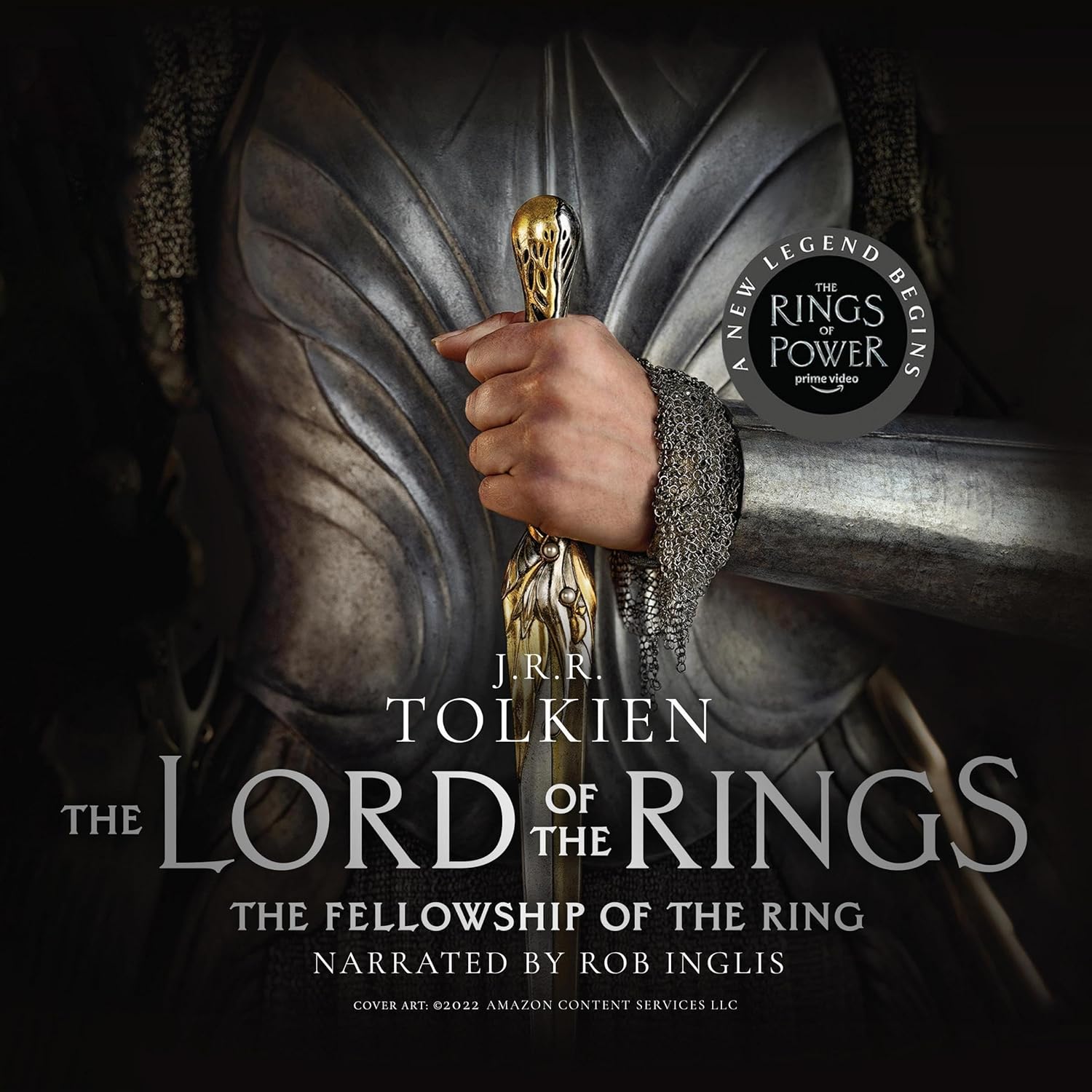
Inspired by The Hobbit and begun in 1937, The Lord of the Rings is a trilogy that J.R.R. Tolkien created to provide “the necessary background of history for Elvish tongues”. From these academic aspirations was born one of the most popular and imaginative works in English literature.
The Fellowship of the Ring, the first volume in the trilogy, tells of the fateful power of the One Ring. It begins a magnificent tale of adventure that will plunge the members of the Fellowship of the Ring into a perilous quest and set the stage for the ultimate clash between the powers of good and evil.
Dear reader, The Lord of the Rings trilogy was one I have always wanted to read, but knew I would never be able to get through the actual books, so I turned to the audiobooks. What an adventure those were! The ability of the narrator, Rob Inglis, to embody all the different characters really brought them to life. That is one of the true superpowers of audiobooks, I believe. They can immerse you in books you never would have read otherwise. I knew the physical books would have been too dense and plodding for me because I’m not much of a fantasy fan, but the audiobooks struck a perfect balance of variety with the differently voiced characters, and a densely layered story that was brought to life.
Clocking in at 20 hours, this remains one of the longest audiobooks I’ve ever listened to, but it was a joy to listen to from start to finish. I would highly recommend the audiobooks if you’ve always wanted to read The Lord of the Rings trilogy but have been intimidated by it, as I was. Audiobooks have a way of making accessible to all readers the stories that once seemed out of reach, or unconquerable.
Each decade of the 20th century can be identified by various trends at the cinema. The 1920s could be defined by the transition from silent to talking pictures. The 1930s might be all about the first use of the three-strip Technicolor process. The 1940s were impacted by World War II and paved the way into Hollywood’s Golden Age.
Below, I listed 20th century film trends by decade, and a few examples of these trends.
All of the films I list are available in the Monarch catalog, often in a variety of formats.
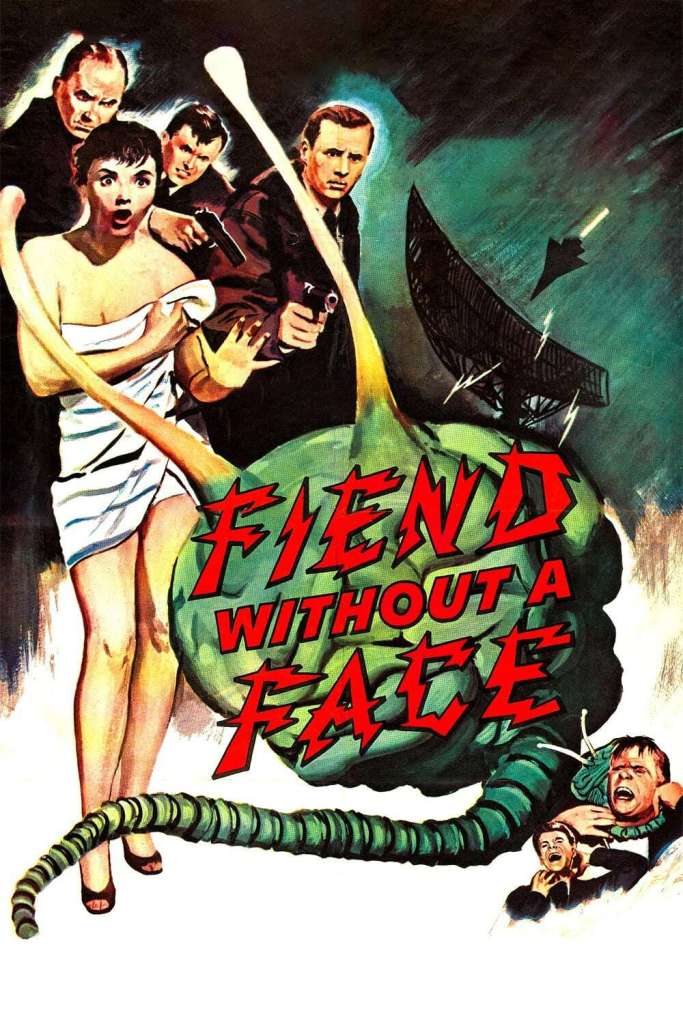
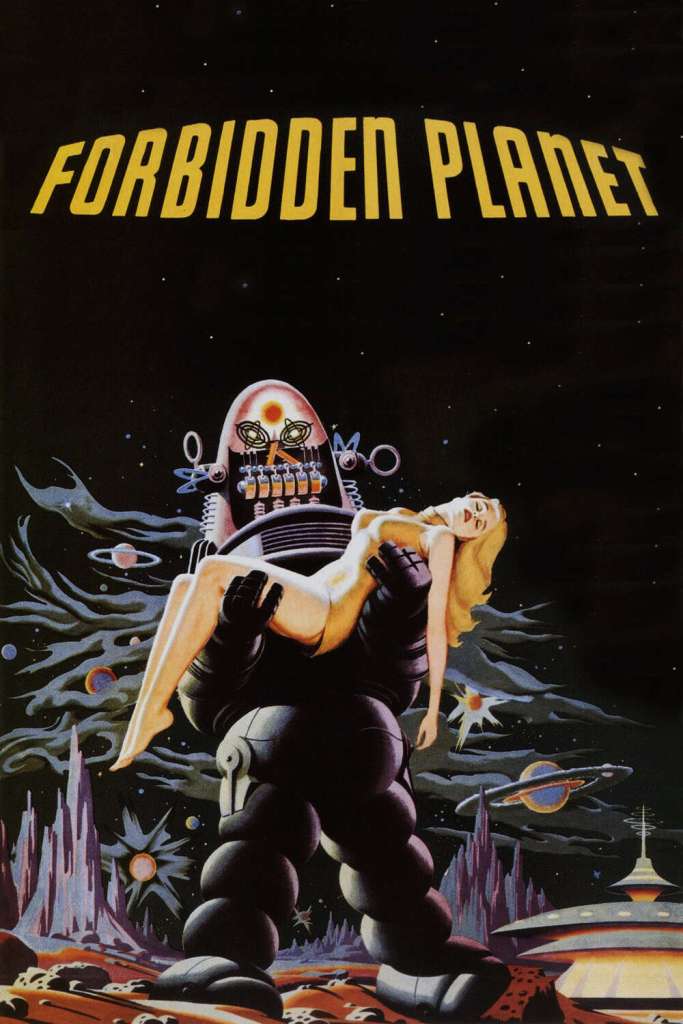
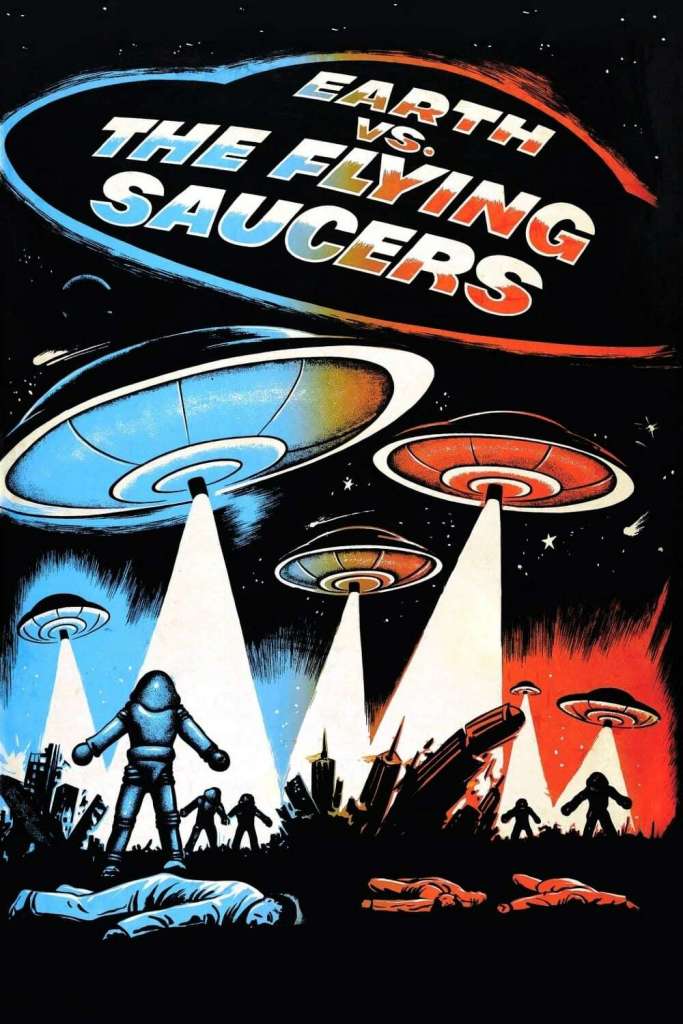
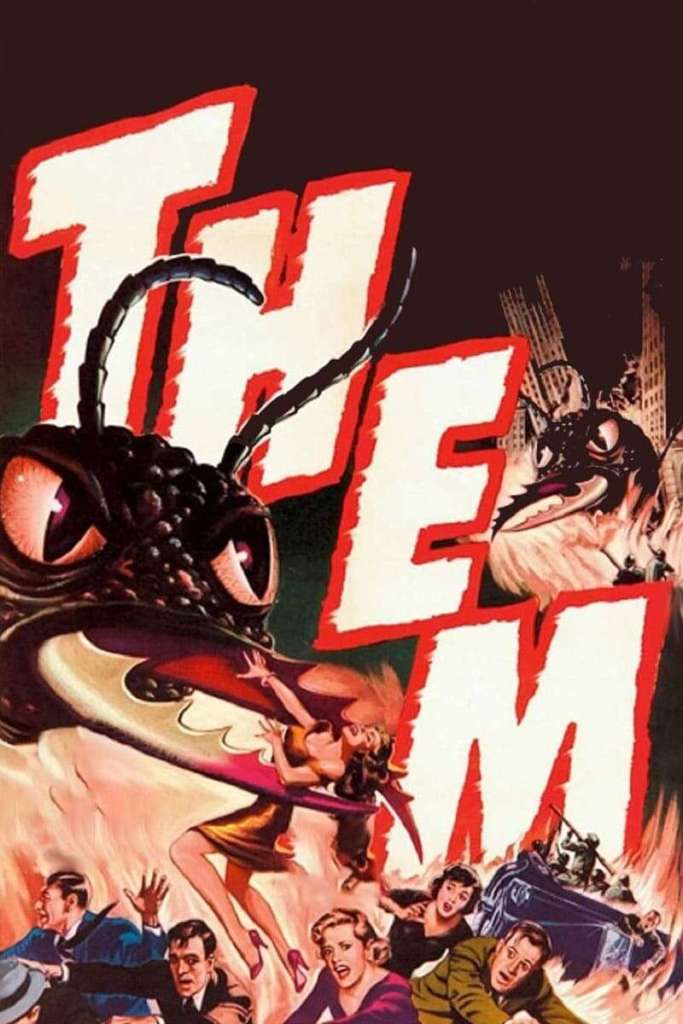
1950s: Atomic scare movies This was the decade that transmuted cold war paranoia and fear of nuclear catastrophe into some of the coolest monster movies EVER. Have you heard of or watched any of the following?
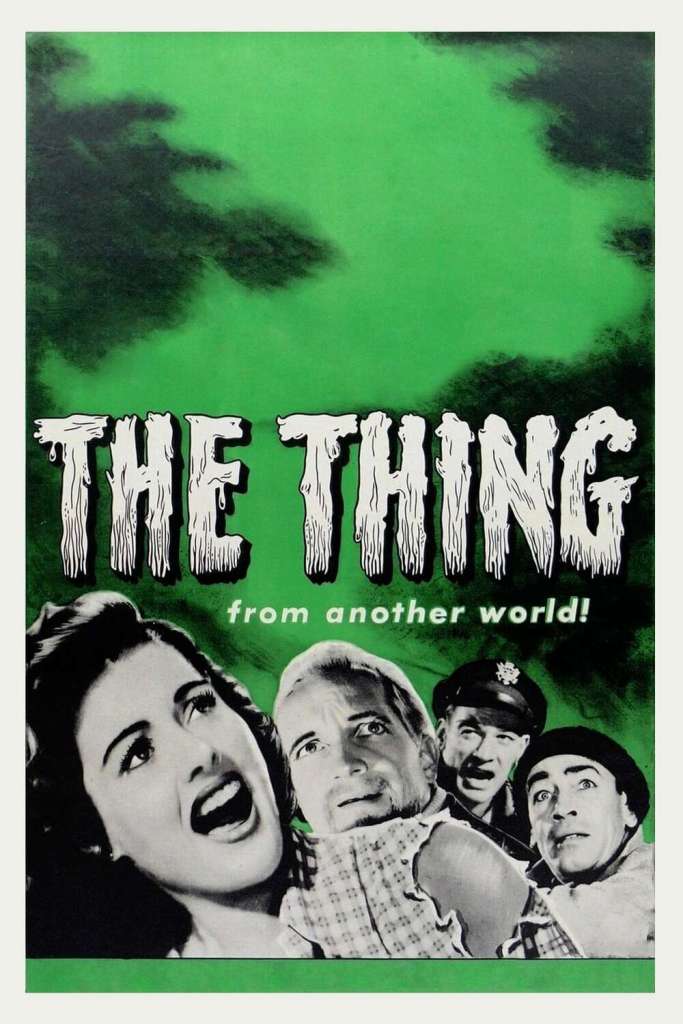
The Thing From Another World (1951) dir. Howard Hawks This won’t be the first nor the last time I write about this film. Howard Hawks walked so John Carpenter could run with his excellent 1982 remake, The Thing, which I will maintain is one of the finest films ever produced.
Other atomic scare movies worth the time:
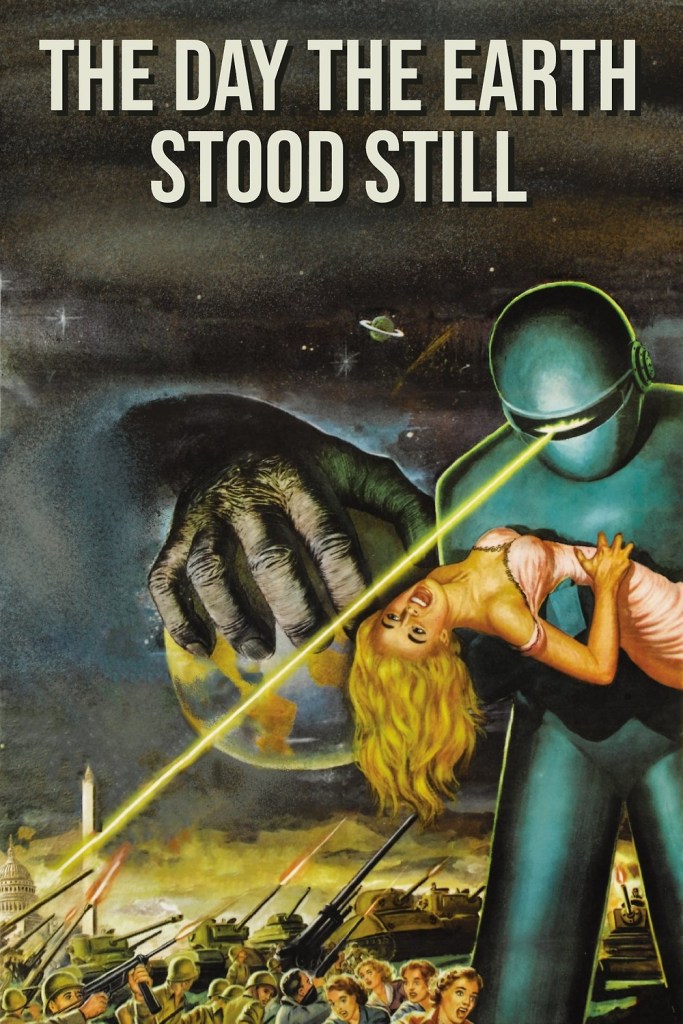
The Day the Earth Stood Still (1941)
THEM! (1954)
Earth vs. the Flying Saucers (1956)
Forbidden Planet (1956)
Fiend Without a Face (1958)
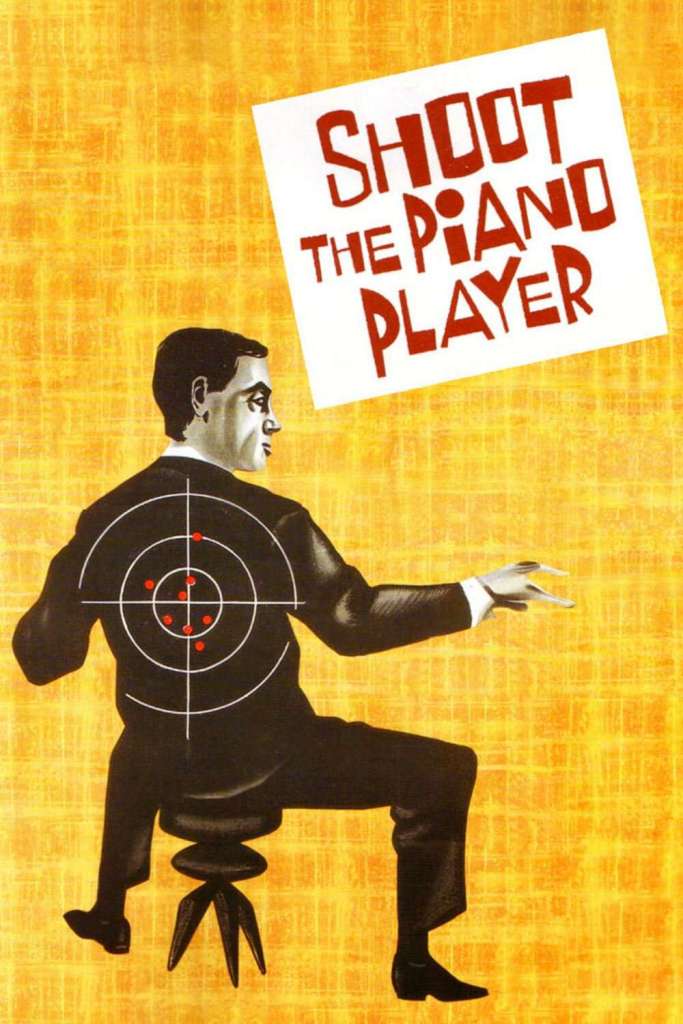
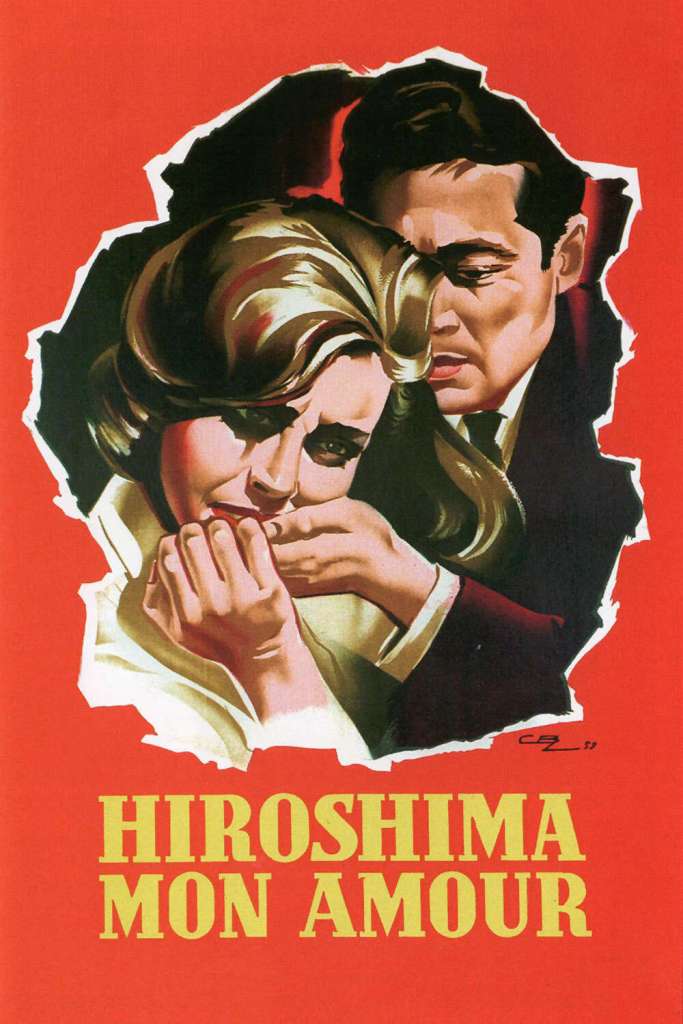
1960s: The French New Wave The French auteurs were producing films far cooler than anything happening in Hollywood in the late 1950s and through the 1960s. François Truffaut, Jean Luc Goddard, and Agnes Varda amongst others, helped usher in a more personal, stylish school of thought when applied to filmmaking.
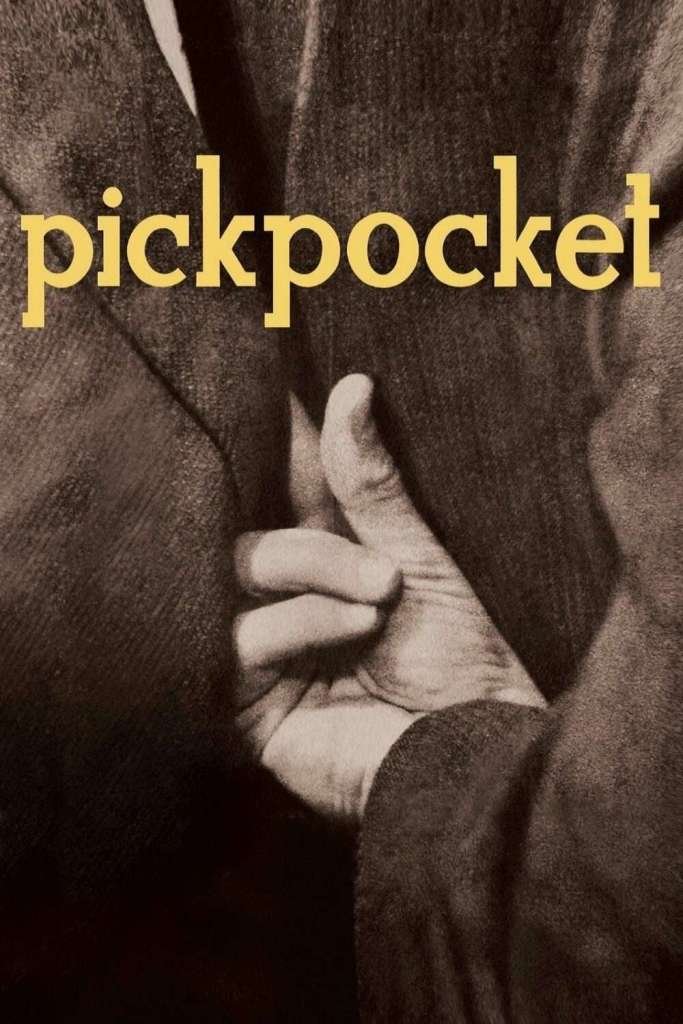
Pickpocket (1959) dir. Robert Bresson Most people interested in French New Wave have already seen The 400 Blows and Breathless. Personally, I am immediately out of my depth when scratching below that surface. Pickpocket is cold and stark, but I found it easy to access emotionally and narratively.
Other French New Wave films worth watch:
Hiroshima, Mon Amour (1959)
Shoot the Piano Player (1960)
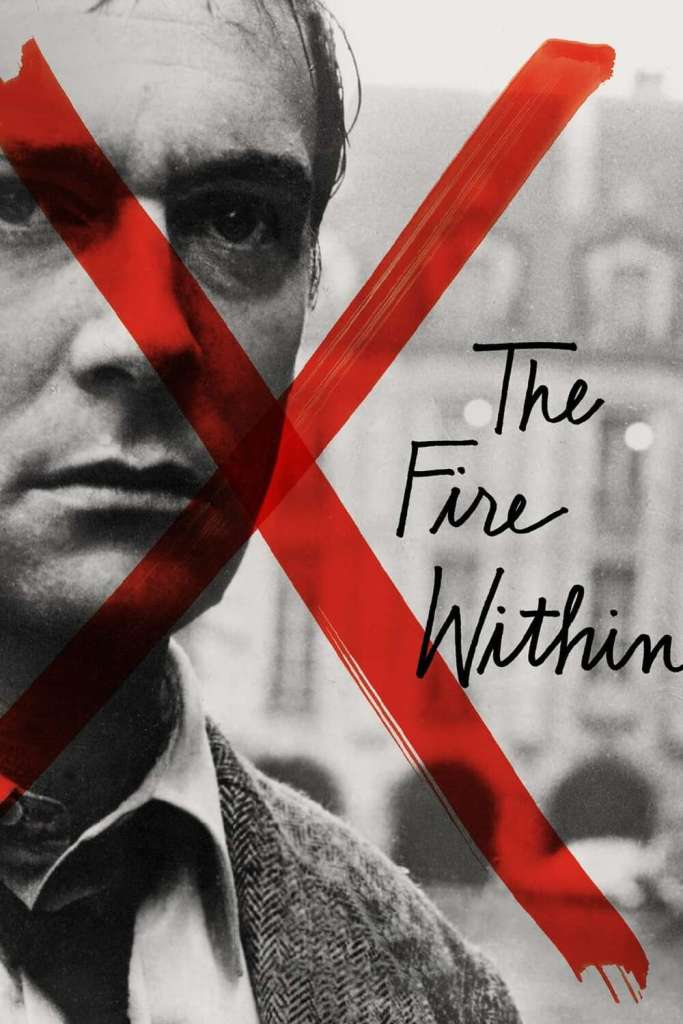
The Fire Within (1963)
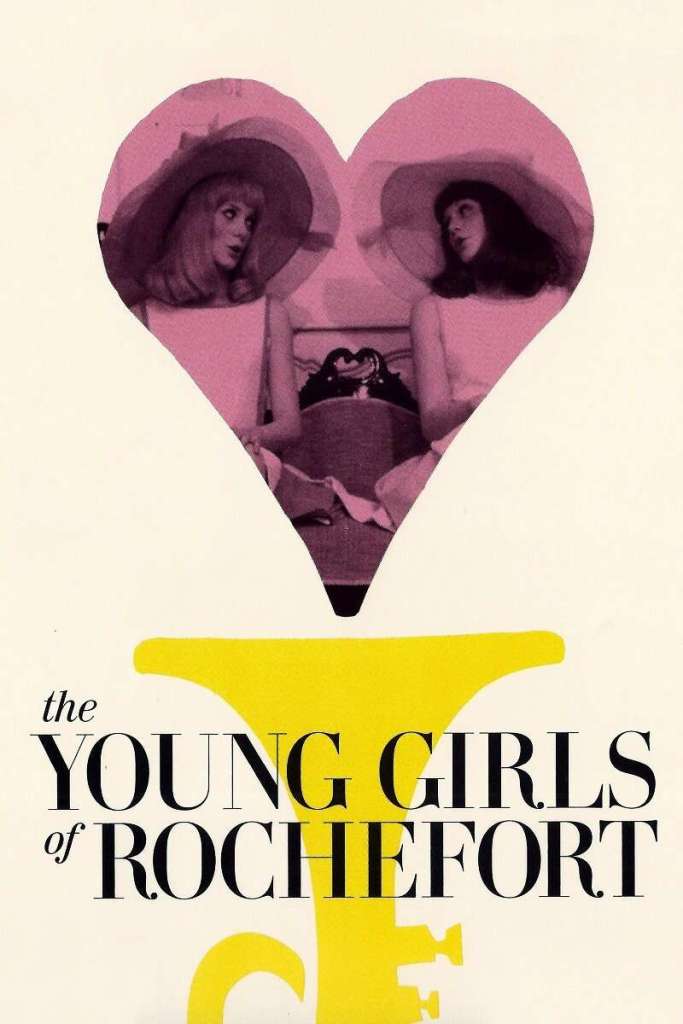
The Young Girls of Rochefort (1967)
Learn more about how the French New Wave collided with the Hollywood studio system by reading Mark Harris’ excellent 2008 book Pictures at a Revolution.
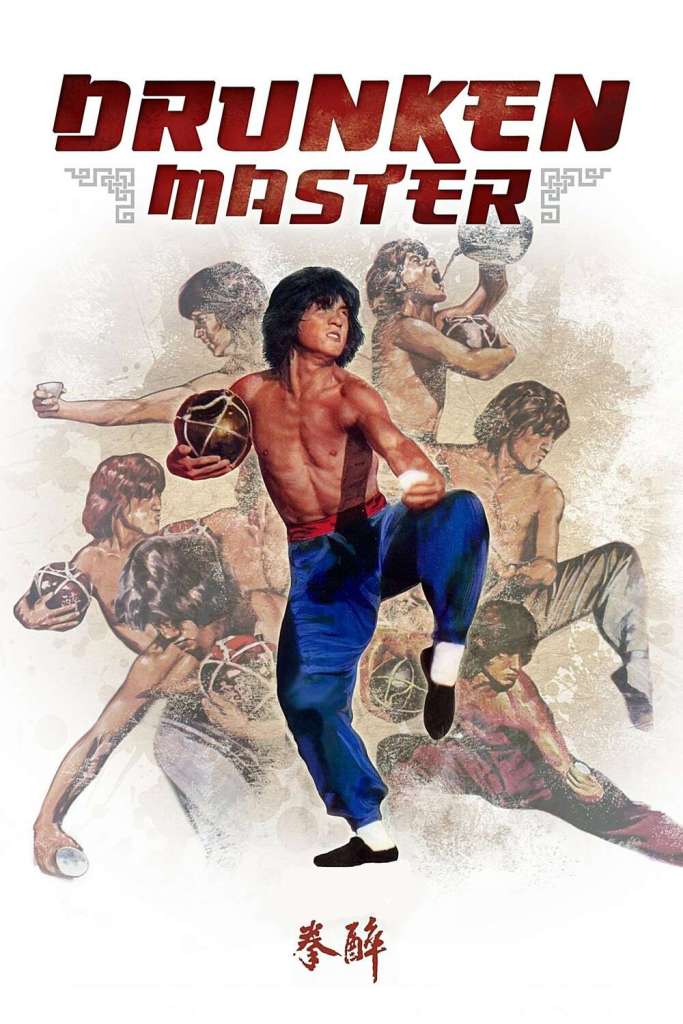
1970s: Hong Kong martial arts films and Chinese wuxia Bruce Lee was dynamic enough to bring a whole new style of cinema to the attention of 1970s moviegoers and American filmmakers. Coupled with the rising popularity of exploitation films, late night grindhouse movie houses clambered to get Hong Kong action movies on the screen.
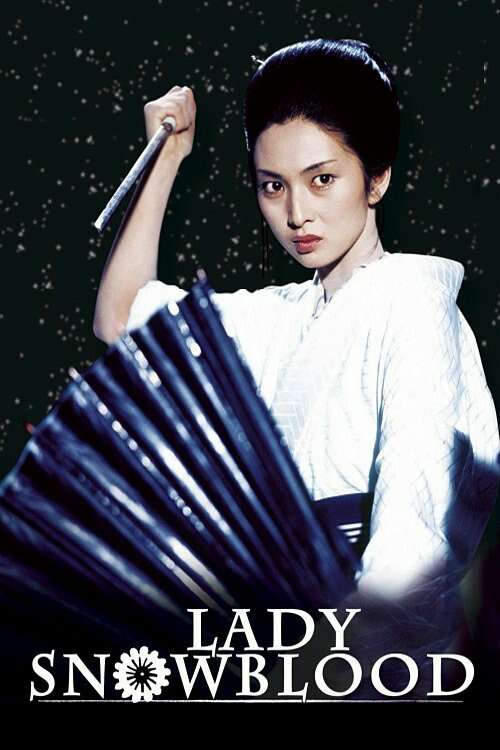
Lady Snowblood (1973) dir. Toshiya Fujita Do you like the contrast of bright red blood on cold, unblemished snow? “Who doesn’t?” you might be thinking. I don’t know who, and we won’t spend time finding out. Take a look at Lady Snowblood and thank your lucky stars you were born in this tiny window that lets us exist at the same time as digital versatile discs. It really seems like a miracle to me sometimes.
Here are some other Hong Kong martial arts and wuxia films from the 1970s that are worth a watch:
Dragon Inn (1967)
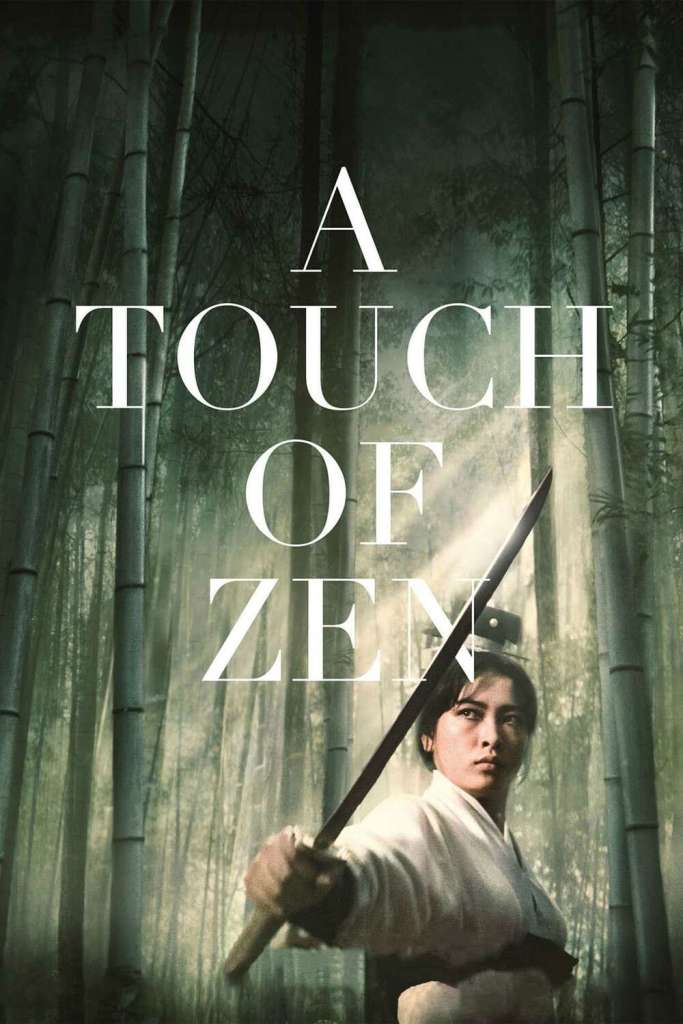
A Touch of Zen (1970)
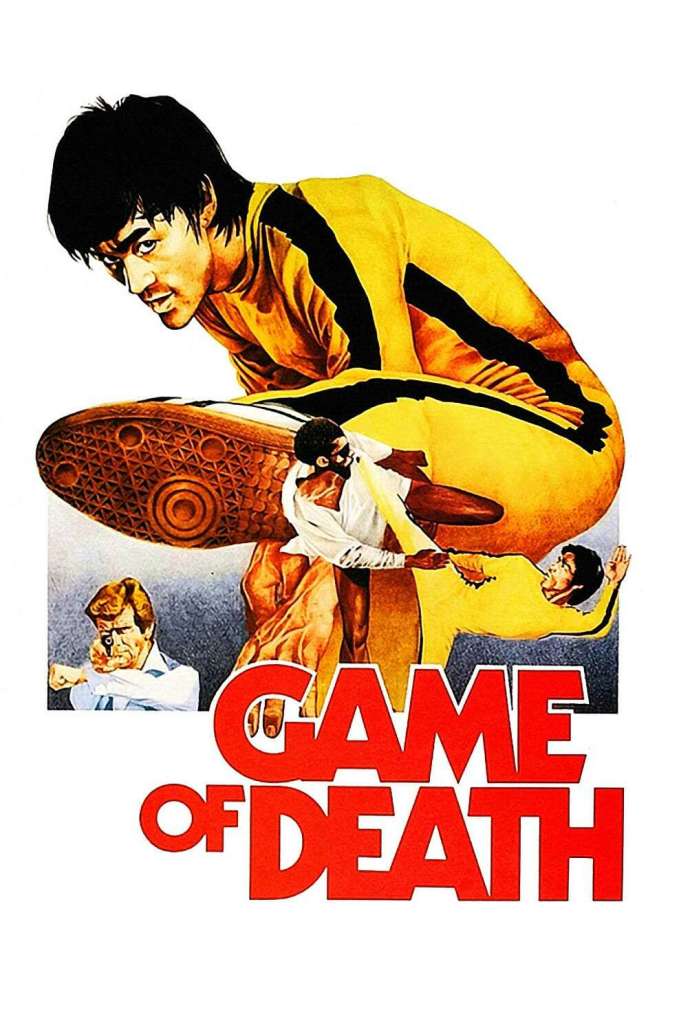
Game of Death (1978)
Drunken Master (1978)
1980s: Subgenre and the megahit Don Simpson and Jerry Bruckheimer demonstrated that high concept pictures like Flashdance (1983), Beverly Hills Cop (1984), and Top Gun (1986) that are easy to understand and market could make Hollywood buckets and buckets of money. Audiences flocked to the movies for these big budget spectacles, but they also showed up for comedies, cartoons, fantasy, horror, and any subgenre of film you can name.
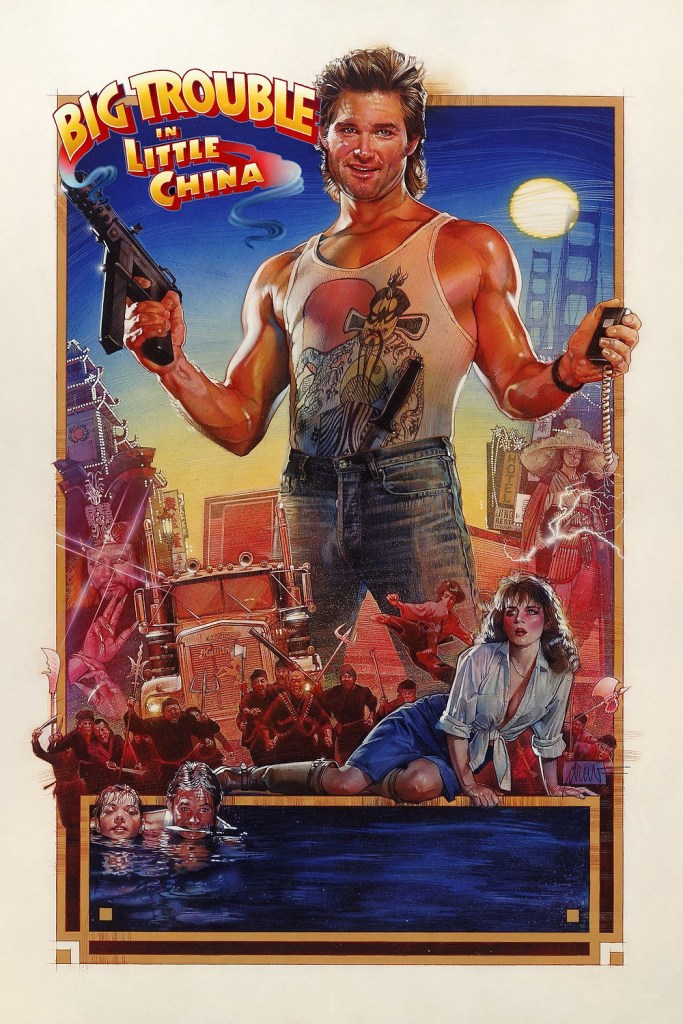
Big Trouble in Little China (1986) dir. John Carpenter Did I already mention John Carpenter in this post? Yes. Will I mention him again? Likely. I chose this movie as emblematic of how bonkers and superb 1980s cinema could get. I can’t tell you the plot of this movie, but Kurt Russel is there with a Chinatown crime lord, a green-eyed woman, and sorcerer David Lo Pan. If you have any young nieces or nephews, score huge cool auntie points by letting them watch this without parental supervision. It’s what we would have done in 1986, you know.
Other fascinating examples of 1980s subgenre absurdity and excellence:
Airplane! (1980)
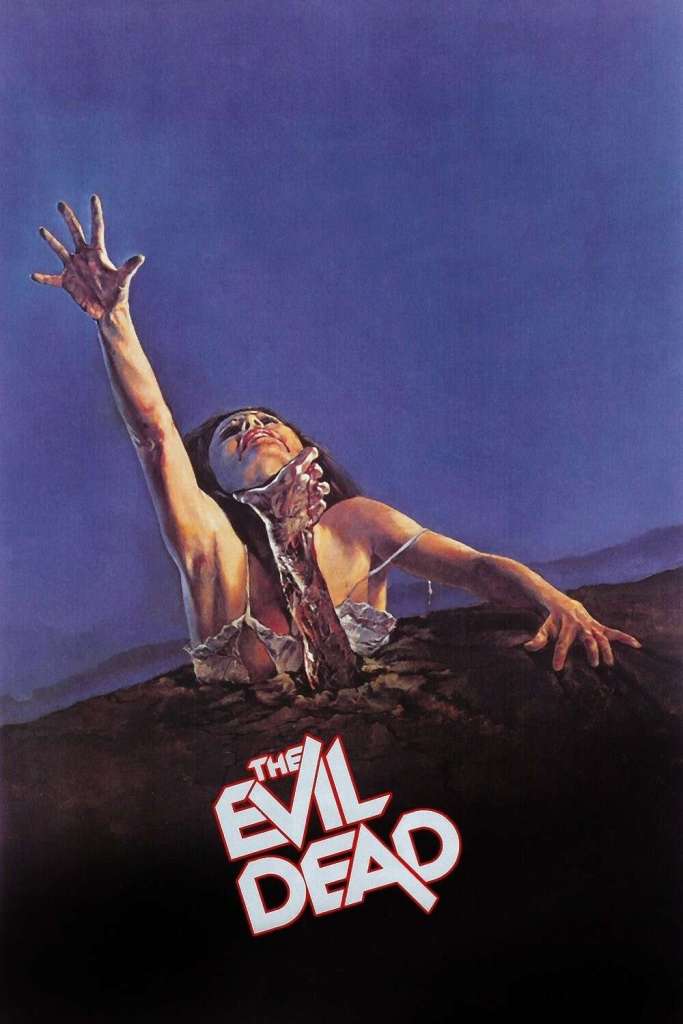
Evil Dead (1981)
Body Heat (1981)
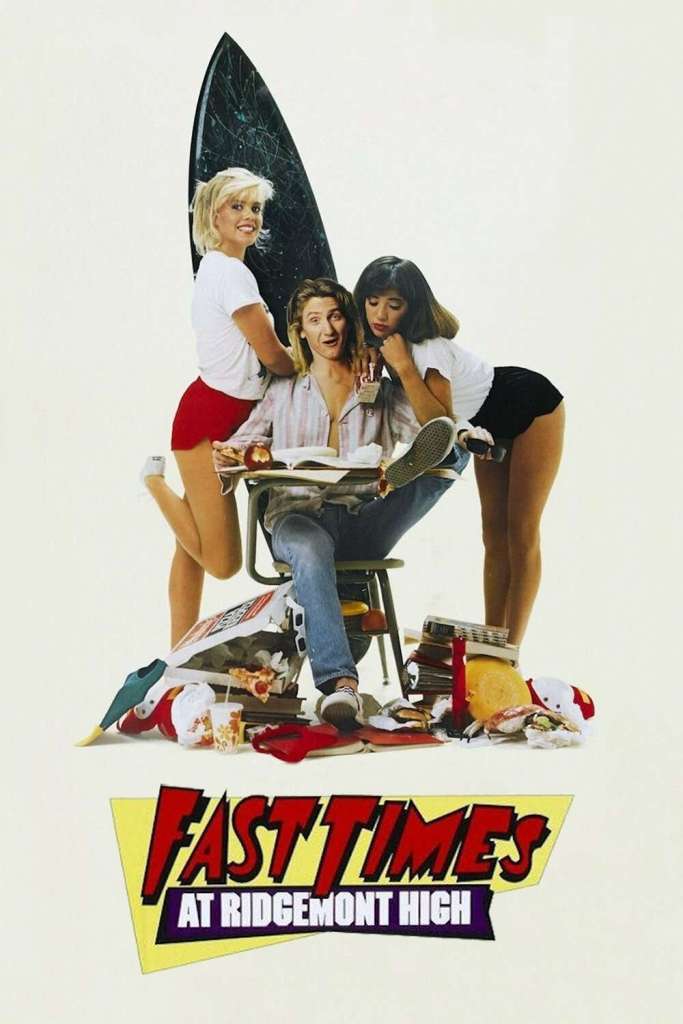
Fast Times at Ridgemont High (1982)
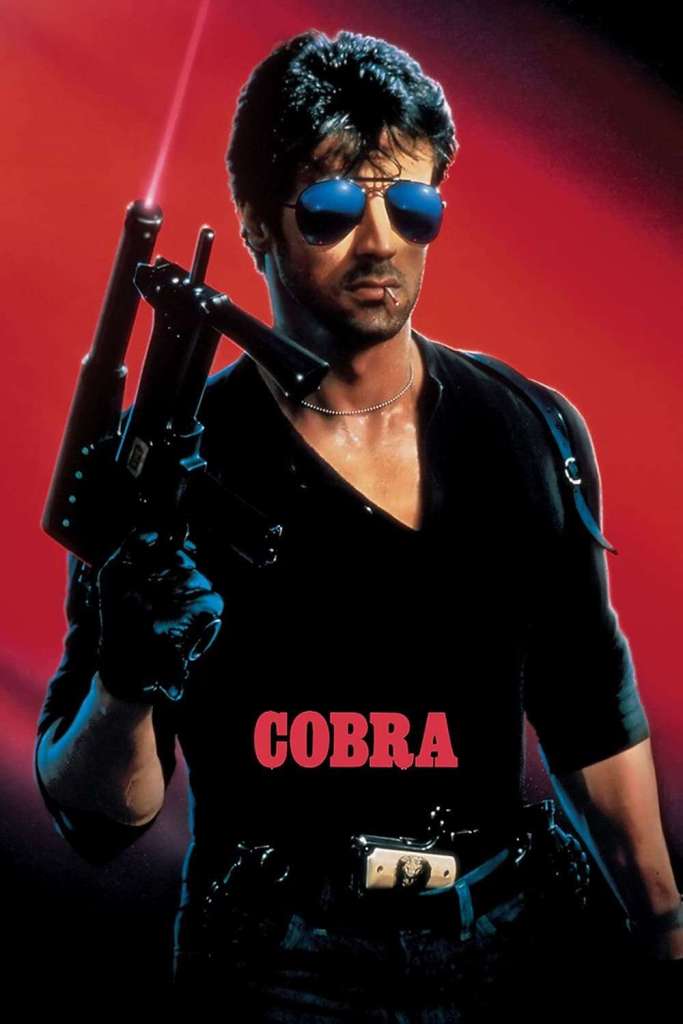
Cobra (1986)
1990s: The advancement of CGI technology, and the rise of home video consumption Films were now intentionally being written and filmed in anticipation of home viewing. Moviegoers were still leaving the house for a night out, but the direct-to-video market was steadily growing. The mainstream success of low-budget genre pictures of the 1980s made the indie directors of the 1990s highly sought-after.
Slacker (1991) dir. Richard Linklater This movie pissed me off so bad when I saw it. I must have been fifteen or sixteen and just cutting my teeth on the Coen Brothers and Gus Van Sant. I craved beauty and meaning, and Slacker didn’t seem to have either. I request that someone give it a watch and fill me in with their findings. Is this movie good? Or bad? Art is both, often at the same time.
Other examples of the big and the small moments in 1990s cinema:
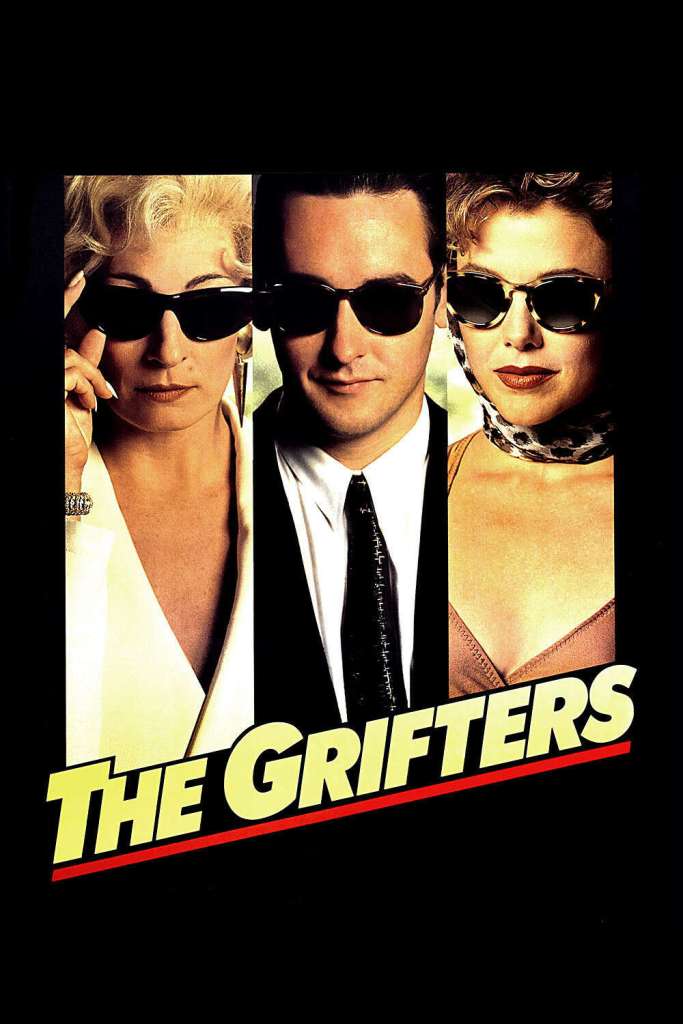
The Grifters (1990)
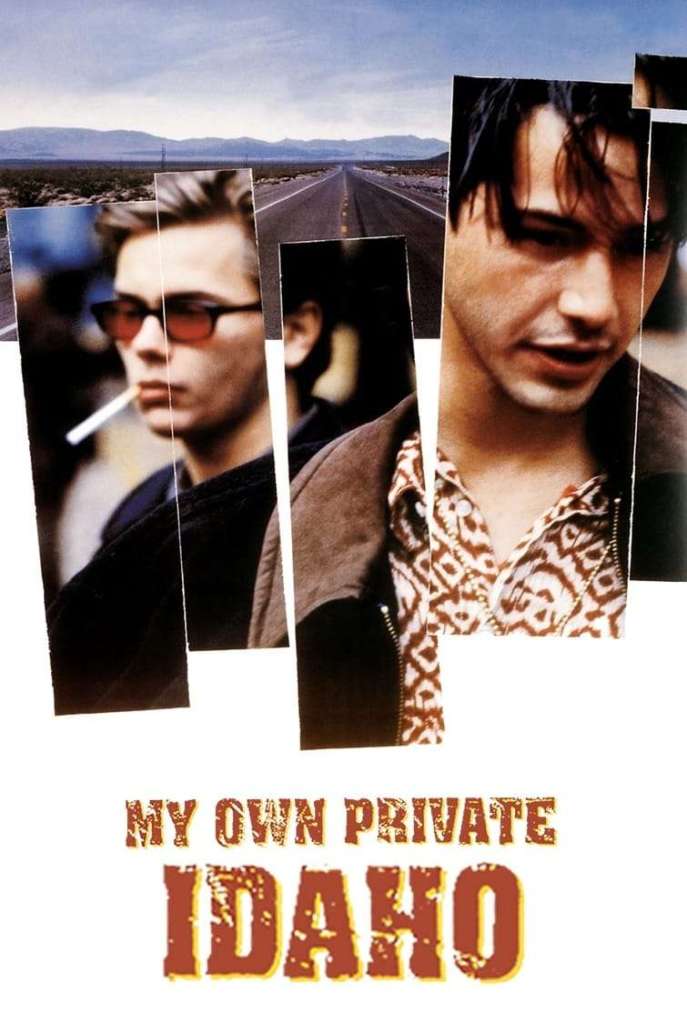
My Own Private Idaho (1991)
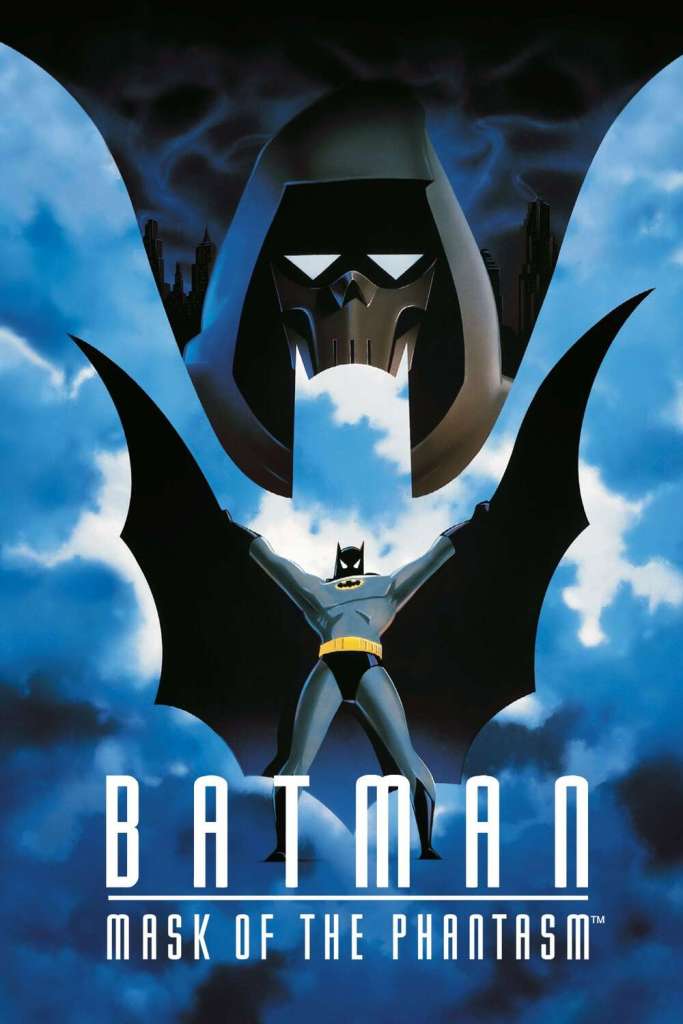
Batman: Mask of the Phantasm (1993)
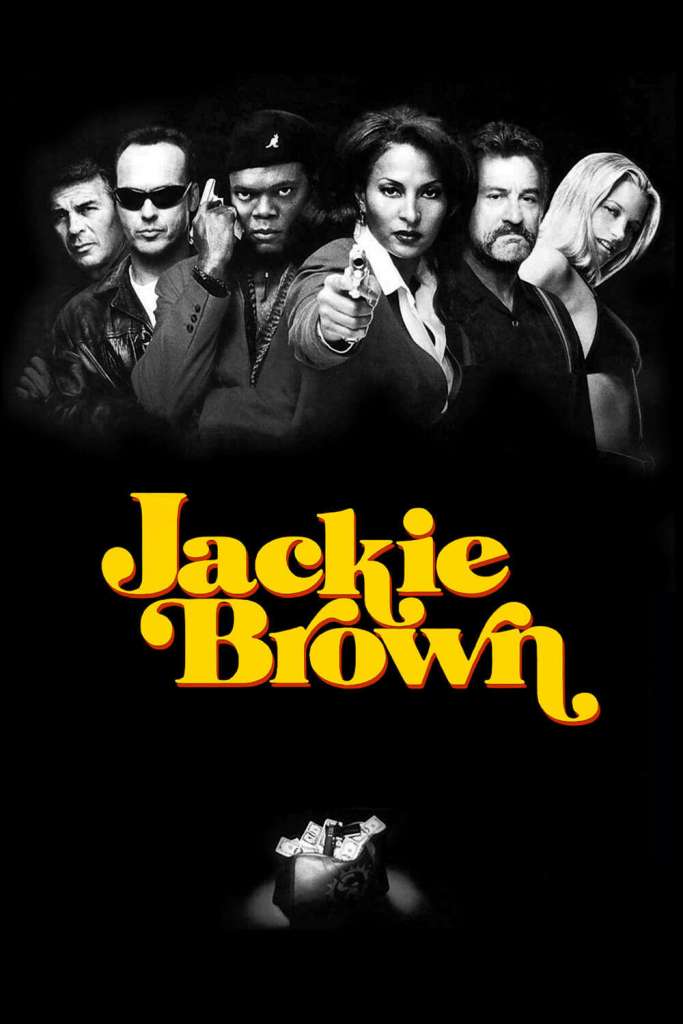
Jackie Brown (1997)
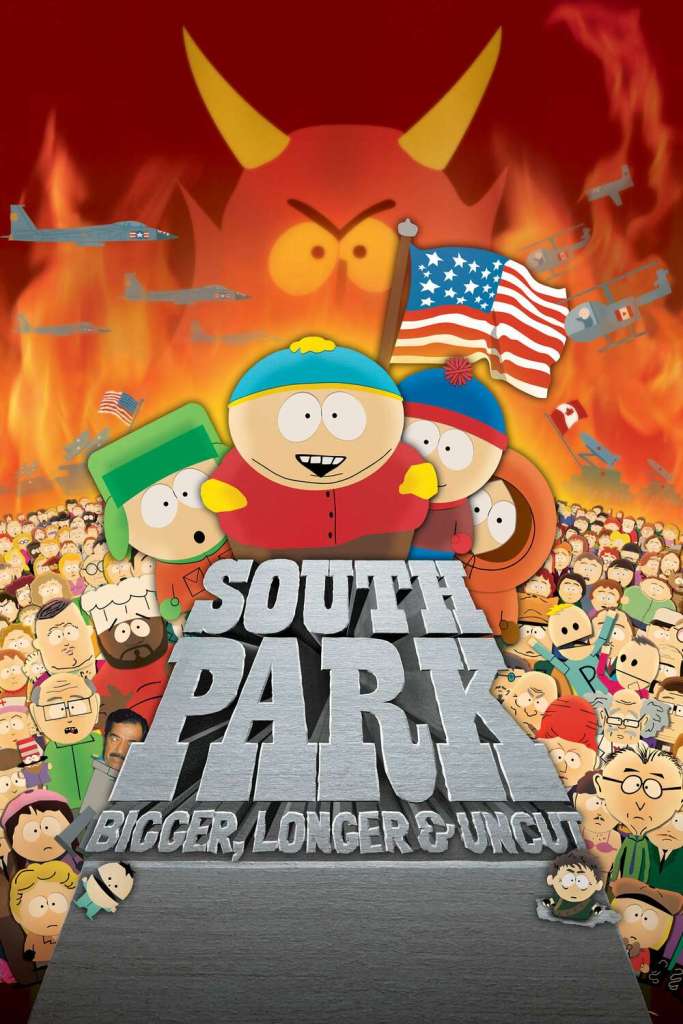
South Park: Bigger, Longer, and Uncut (1999)
While there are more ways to break down film history and identify trends, I find massive generalizations comforting and easy to digest. For more in-depth insights into film and film history, consider submitting a Your Next Five Books request and indicate your interest area. Use our Your Next Five Movies tool if you care not for books.
Books are amazing. Just think-in reality a book is a rectangle of bound paper covered in printed words. Yet this simple object and the words within allow the reader to be transported to different times, fantastical places, and situations you would never interact with in the real world. Dear reader, did you know that the brain actually thinks you are experiencing what you are reading? If you are experiencing something in real life or just reading about it, the same areas of the brain are active. Article link: (https://www.oedb.org/ilibrarian/your-brain-on-books-10-things-that-happen-to-our-minds-when-we-read/) How cool is that! Books really are portals that allow us to escape our everyday lives and engage in a world that is completely different.
In the past month my reading journey has taken me to the cold extremes of the polar north, a planet inhabited by dragons and dragon riders, a decaying cemetery ship in the void of space, and the darkness of our own human mind. Join me, dear reader, as I share these journeys with you in my reading recommendations list for this month.
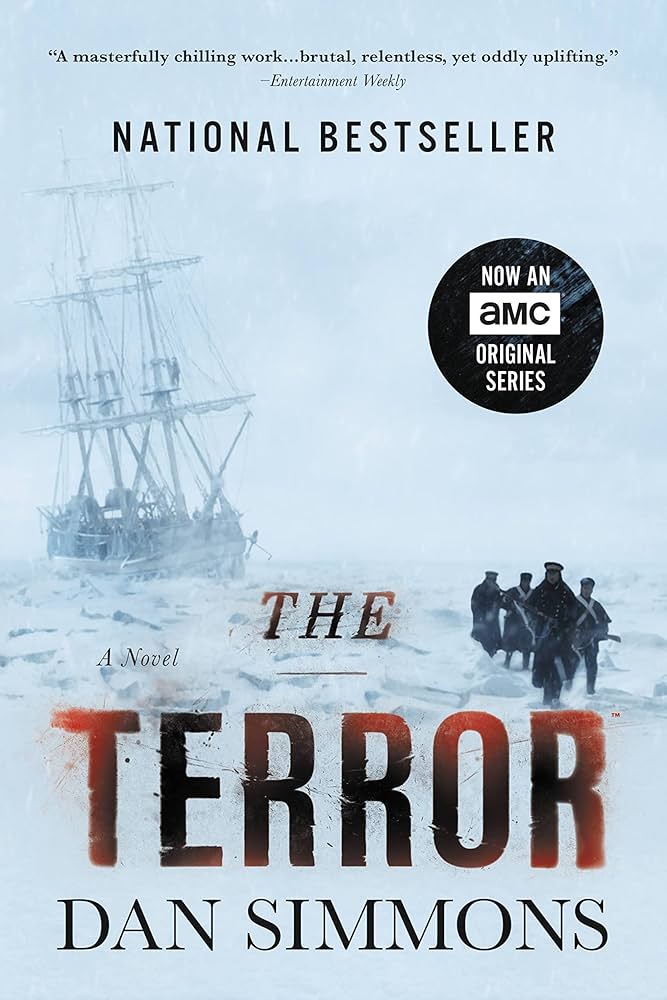
I have a small spot reserved on my bedroom bookshelf for my ultimate favorite books. (The other books are ordered by genre and series). It is very unusual for me to add a book to this shelf of ultimate favorites. The book had to have some meaningful impact on me. It had to make me think or capture my imagination in a way that completely obsessed my thoughts. Dear readers, this book: The Terror, has joined the ranks of The Princess Bride, The Phantom of the Opera, The Lord or the Rings, and The Symphony of Ages series on my special shelf of beloved books.
“The men think it is no animal,” says Fitzjames. “They believe its cunning is something else, is preternatural, supernatural, that there is a demon out there on the ice in the dark.”
The Terror is a fictional retelling of The Franklin Expedition. Dan Simmons uses historical fact and Inuit mythology to weave a tale of survival, courage, betrayal, and (of course) terror. As if starvation, bitter cold, and disease were not enough for the stranded crews of the ships Erebus and Terror to contend with; they are also stalked by a mysterious creature that lurks out on the ice. Despite the dire circumstances, the crews of both ships show remarkable strength in their battle for survival. They face trials within and without dealing with mutinous and murderous crew members, scurvy, negative degree cold, starvation, and disease. Through all of this turmoil they are constantly hunted by “the thing on the ice”, a cunning creature that they suspect to be supernatural in origin. The characters were very real and well written. I felt attached to all of them-even the villainous ones. The setting was breathtaking and the author does well making you feel that you are in the far north in all of it’s icy beauty. The horror scenes were rewarding. Honestly, I loved the creature as much as the crew. The mayhem it caused was so much gory fun.
Why this book ended up on my favorites shelf is because it has unlocked an obsession in me about The Franklin Expedition. As soon as I finished The Terror I went and compiled a list of all kinds of non fiction books about the real people and the real expedition. I have a lot to read through and am looking forward to it. The Terror delves deep into matters of the spiritual, especially towards the end. It was truly a book that captures the mind. It will live within me forever.
If you find you enjoy the book, it was also made into a TV miniseries that we also have on DVD. It was really well done!