Believe it or not, it’s almost October, and if you’re a horror fan, that means you’re probably already thinking about all the scary movies you’re going to watch. Today, I thought I’d take the opportunity to explore an underappreciated niche of the horror genre: the truly great sequel. If horror movies have been unfairly maligned until quite recently, horror sequels have had it even worse. I thought it would be fun to take a stand against the stereotype by showcasing some films that were later followed up by sequels that are, in my opinion, just as good or better than the originals. Interestingly, both of these stellar sequels happen to work as standalones – it’s not necessary to watch the original in order to follow the plot or to appreciate the movie as a whole. Maybe that says something about the importance of creating something that can stand on its own, even when making a sequel. That being said, seeing the original of course always helps. As such, I’ve presented both sequels alongside the originals that inspired them. Enjoy!
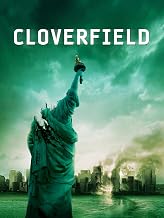
Definitely dating myself here, but I remember the mystery surrounding Cloverfield’s release. Nobody knew what the movie was about, or even what the title meant – and of course, that only made everyone eager to find out. I didn’t have the opportunity to see Cloverfield in theaters, but I got it on DVD not long after, and I think I was just as surprised as everyone else by the movie we got – a fusion of found footage horror and alien invasion disaster film, in which a group of friends’ scramble to survive an extraterrestrial attack on New York City is captured on a personal camera. Those two genres might not sound like they go together on paper, but think again. Alien invasions are an old trope, but Cloverfield makes that idea scary again by narrowing the focus. By placing the audience alongside a single group of characters and limiting what we can see to what their camera can capture, Cloverfield makes us feel the terror of their helplessness in the face of the unknown. Cloverfield took audiences by surprise and revitalized two genres everyone thought they knew backward and forward, and even now, there’s still not really any other film like it.
Lately I have found myself watching more old movies. To be honest, dear readers, I am becoming weary of all the CGI and special effects that these new movies produce with wild abandon. I long for the days when artists designed amazing physical props that would ignite the imagination and contribute to a story. There is something enrapturing about suspending your disbelief and appreciating a well told story. When I speak of old movies I am talking about ones that were either from the days of black and white film and up to the 1960s. I do greatly enjoy movies from the 80’s (1980’s for those of you born in this century), but I wish to go back farther than that as many classic and well known hits came to the screen in the 80’s. I would like to introduce you to some older films that I believe deserve greater appreciation. Dear readers, prepare to be transported in time as I introduce some old movies that deserve more love.
Surprisingly, my husband brought this movie to my attention. He had read an article that it was this movie that began many of the modern tropes that we see in horror movies today. Because we are very spoiled with being library card holders with access to thousands of movies and books, I was able to request this movie from another library in our system (you can as well with the link, dear reader.)
I must say, this movie impressed me. If you are looking for gothic horror-this is for you. An adult sister and brother (Pamela and Roderick) are vacationing on the moody coast of Cornwall when they come across a sprawling gothic mansion. Pamela immediately falls in love with the place and convinces Roderick that they can afford it if they go in on it together (they get a good deal on it, in fact). Moving in they soon discover that their new home, Windward House, is considered haunted by the locals. At first they brush off these stories, but soon the sibling duo encounter strange happenings in the house: drafts, cold spots, and the sound of sobbing in the night. The dog even refuses to enter the second floor.
Pamela and Roderick are likeable people and quickly make friends with the neighbors, especially Stella Fitzgerald whose mother died in Windward House. Stella now lives with her grandfather and is mysteriously forbidden from entering Pamela and Roderick’s new abode. Why? Could Stella be the key to the haunting? What secrets lurk within the walls of Windward House? You cannot go wrong with this movie. The acting is great, the atmosphere is spooky and gothic, the special effects in terms of the ghost were phenomenal for the period. I highly recommend The Uninvited (1944).
Each decade of the 20th century can be identified by various trends at the cinema. The 1920s could be defined by the transition from silent to talking pictures. The 1930s might be all about the first use of the three-strip Technicolor process. The 1940s were impacted by World War II and paved the way into Hollywood’s Golden Age.
Below, I listed 20th century film trends by decade, and a few examples of these trends.
All of the films I list are available in the Monarch catalog, often in a variety of formats.
1950s: Atomic scare movies This was the decade that transmuted cold war paranoia and fear of nuclear catastrophe into some of the coolest monster movies EVER. Have you heard of or watched any of the following?
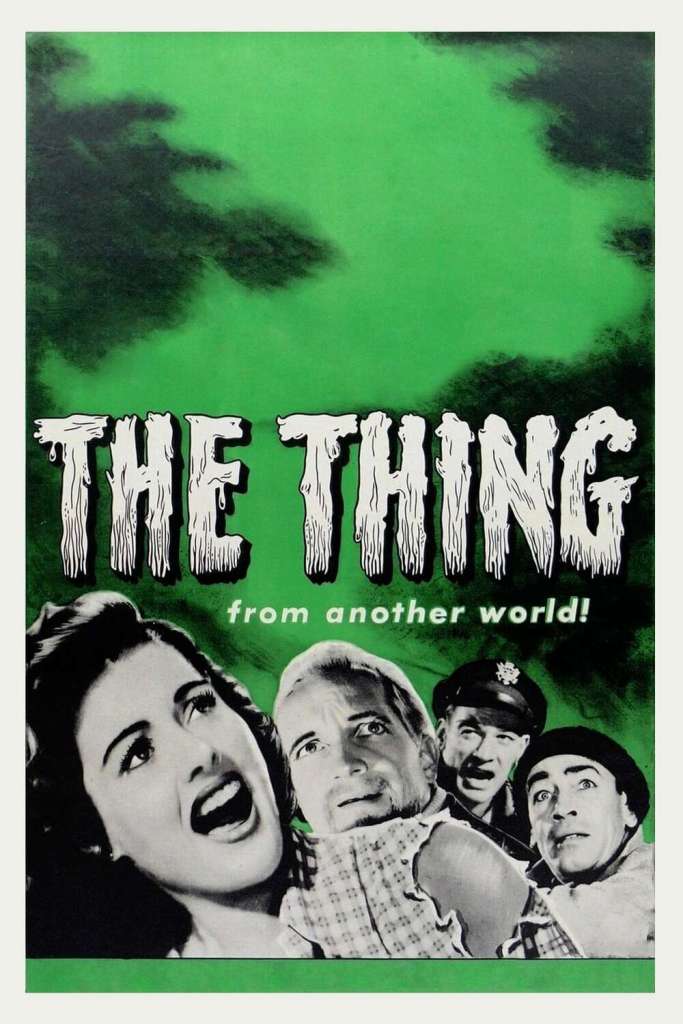
The Thing From Another World (1951) dir. Howard Hawks This won’t be the first nor the last time I write about this film. Howard Hawks walked so John Carpenter could run with his excellent 1982 remake, The Thing, which I will maintain is one of the finest films ever produced.
Other atomic scare movies worth the time:
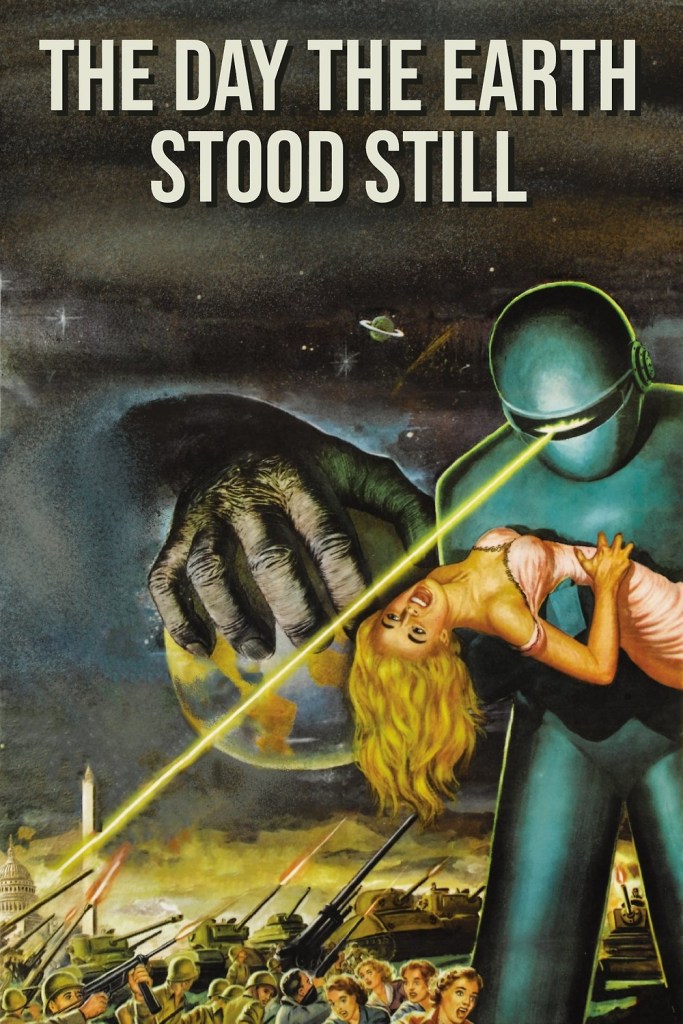
The Day the Earth Stood Still (1941)
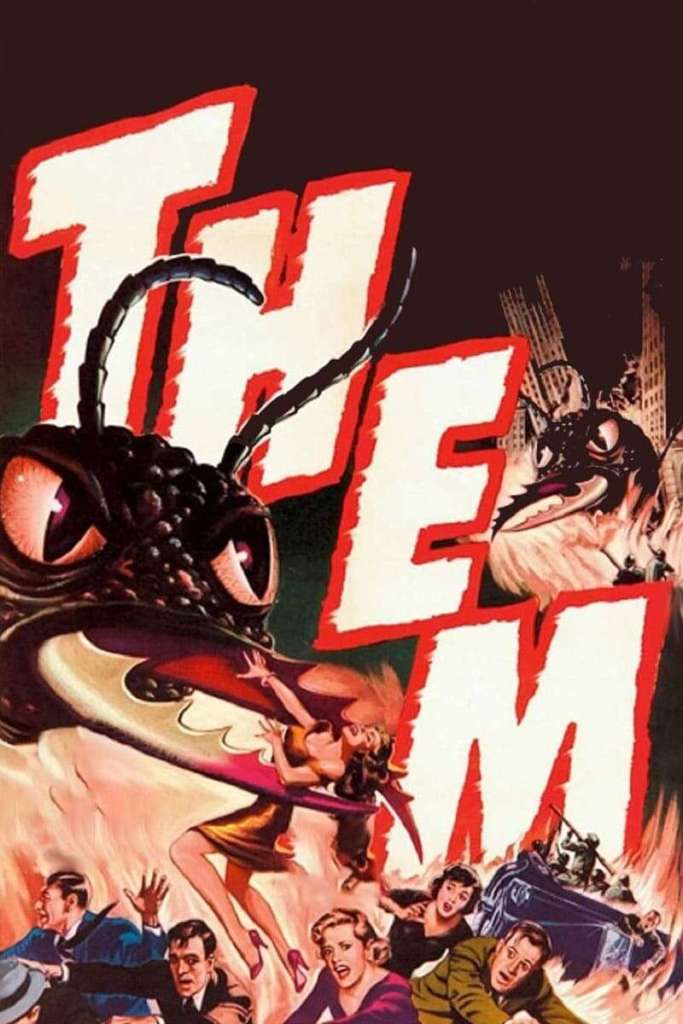
THEM! (1954)
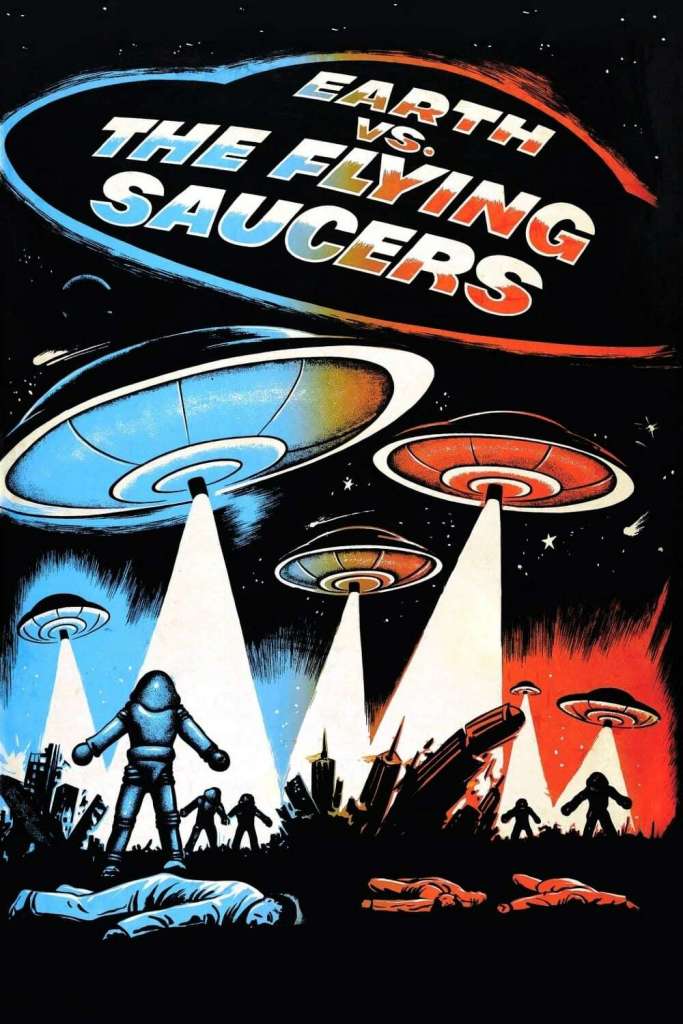
Earth vs. the Flying Saucers (1956)
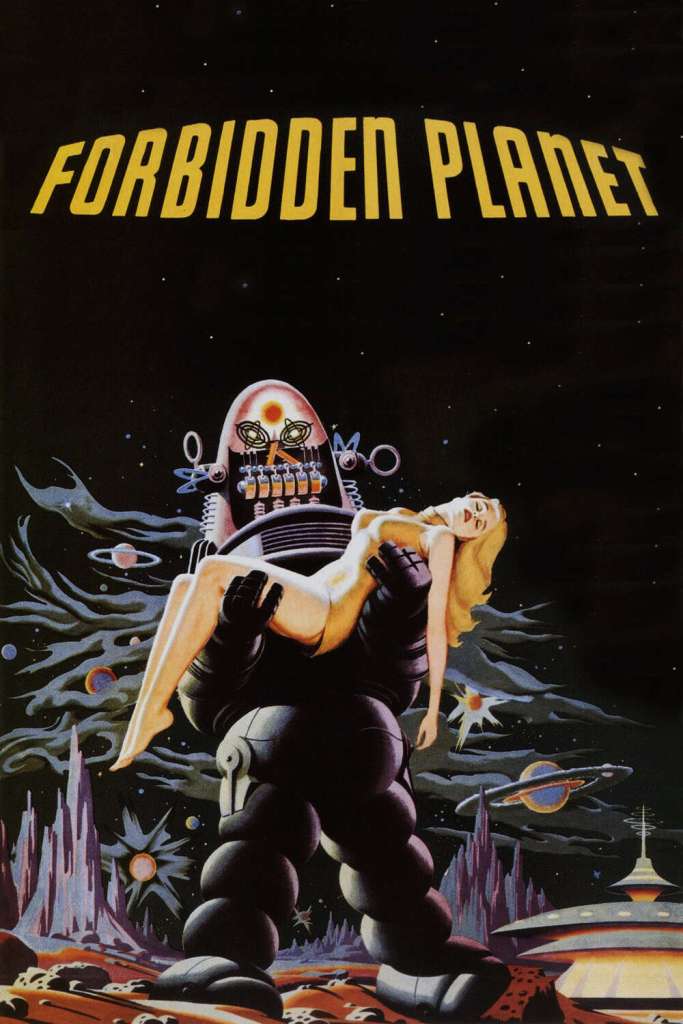
Forbidden Planet (1956)
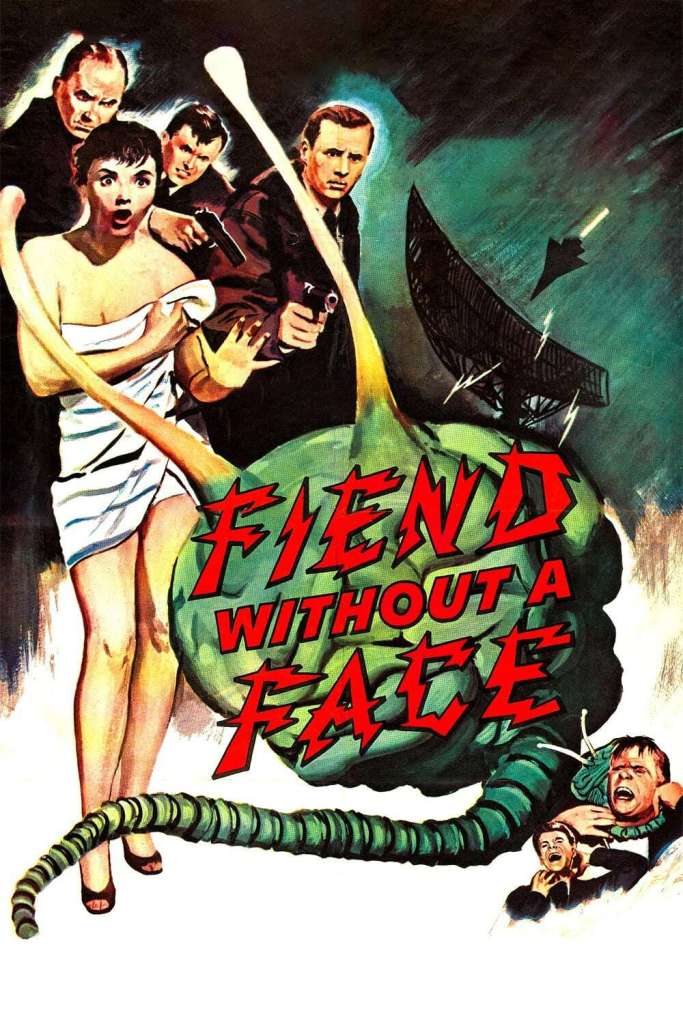
Fiend Without a Face (1958)
1960s: The French New Wave The French auteurs were producing films far cooler than anything happening in Hollywood in the late 1950s and through the 1960s. François Truffaut, Jean Luc Goddard, and Agnes Varda amongst others, helped usher in a more personal, stylish school of thought when applied to filmmaking.
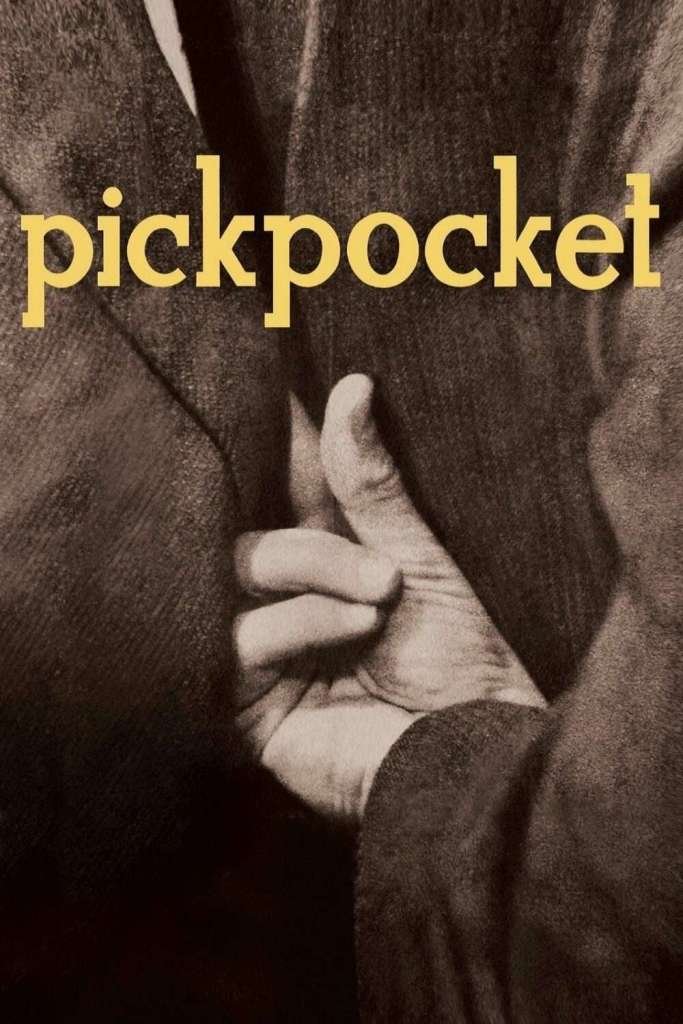
Pickpocket (1959) dir. Robert Bresson Most people interested in French New Wave have already seen The 400 Blows and Breathless. Personally, I am immediately out of my depth when scratching below that surface. Pickpocket is cold and stark, but I found it easy to access emotionally and narratively.
Other French New Wave films worth watch:
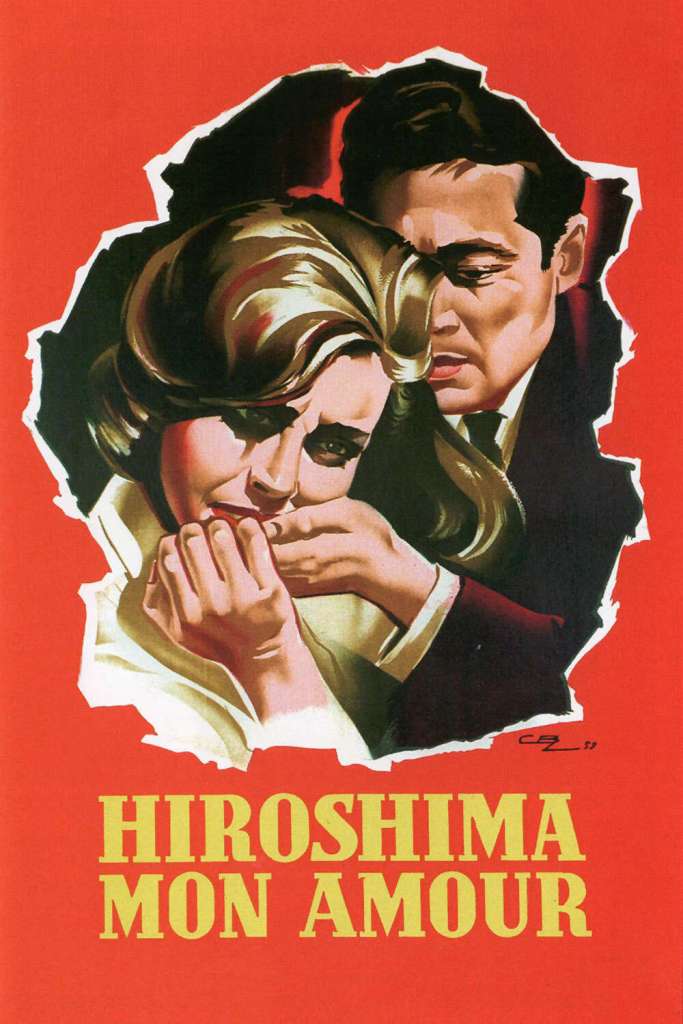
Hiroshima, Mon Amour (1959)
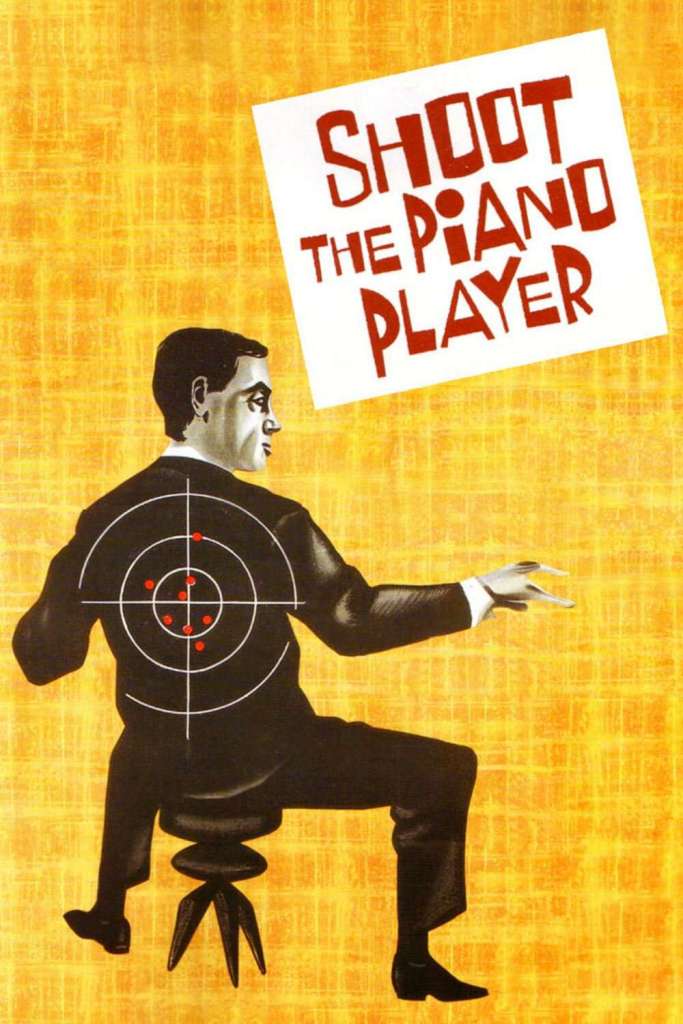
Shoot the Piano Player (1960)
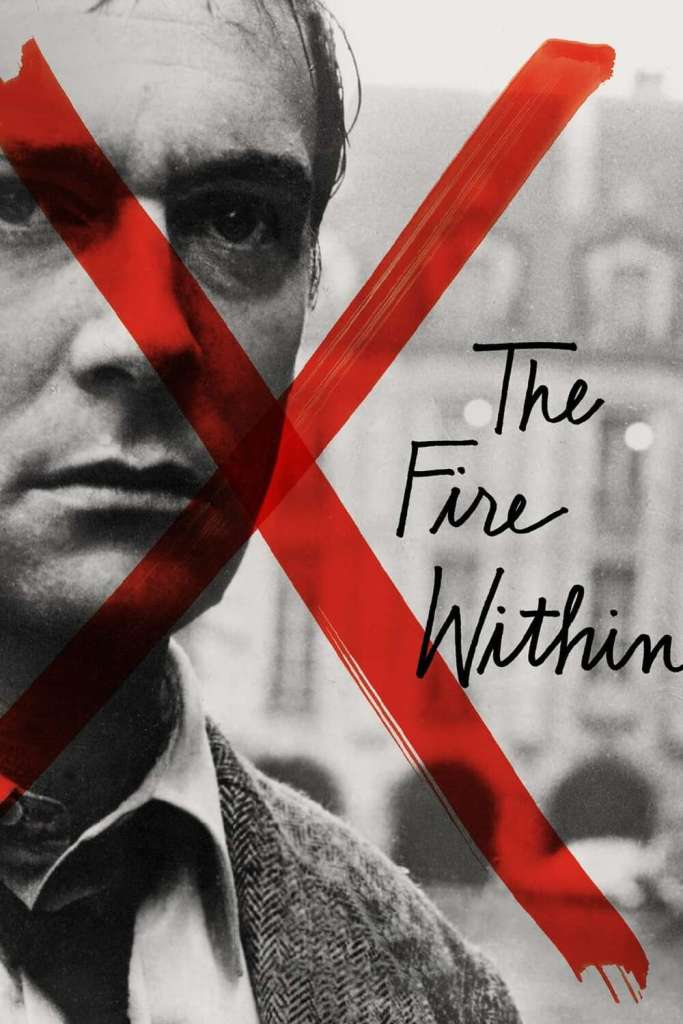
The Fire Within (1963)
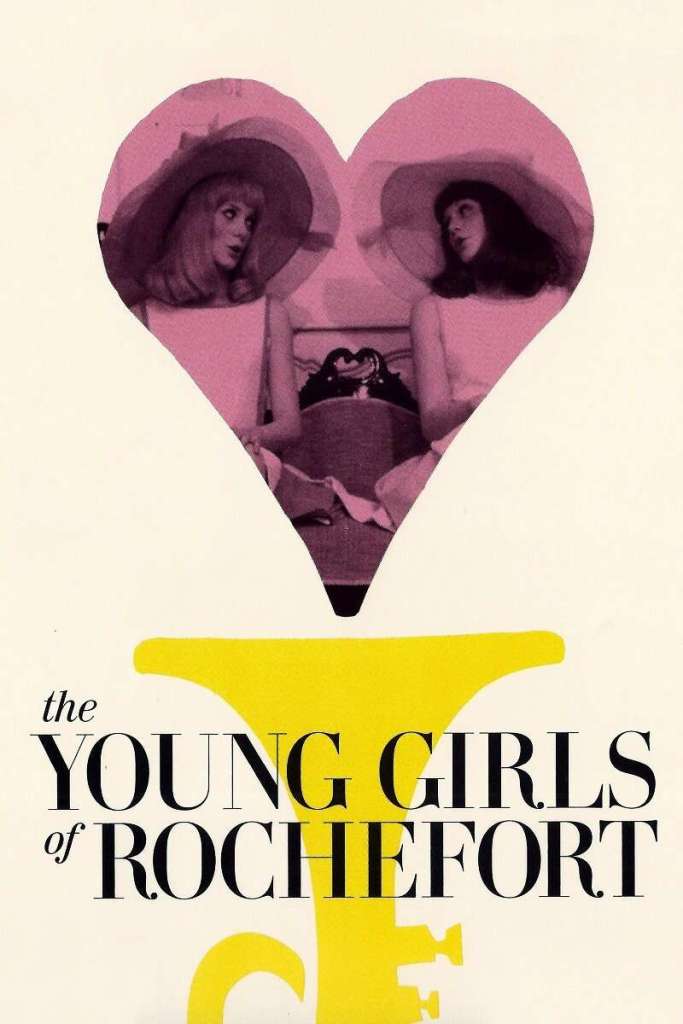
The Young Girls of Rochefort (1967)
Learn more about how the French New Wave collided with the Hollywood studio system by reading Mark Harris’ excellent 2008 book Pictures at a Revolution.
1970s: Hong Kong martial arts films and Chinese wuxia Bruce Lee was dynamic enough to bring a whole new style of cinema to the attention of 1970s moviegoers and American filmmakers. Coupled with the rising popularity of exploitation films, late night grindhouse movie houses clambered to get Hong Kong action movies on the screen.
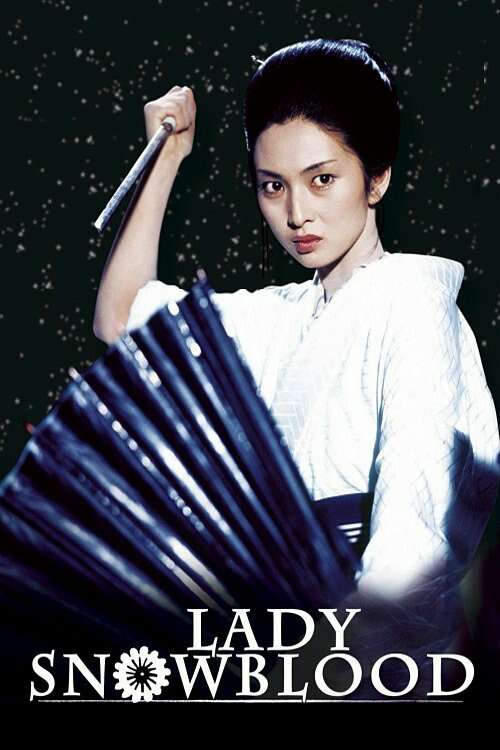
Lady Snowblood (1973) dir. Toshiya Fujita Do you like the contrast of bright red blood on cold, unblemished snow? “Who doesn’t?” you might be thinking. I don’t know who, and we won’t spend time finding out. Take a look at Lady Snowblood and thank your lucky stars you were born in this tiny window that lets us exist at the same time as digital versatile discs. It really seems like a miracle to me sometimes.
Here are some other Hong Kong martial arts and wuxia films from the 1970s that are worth a watch:
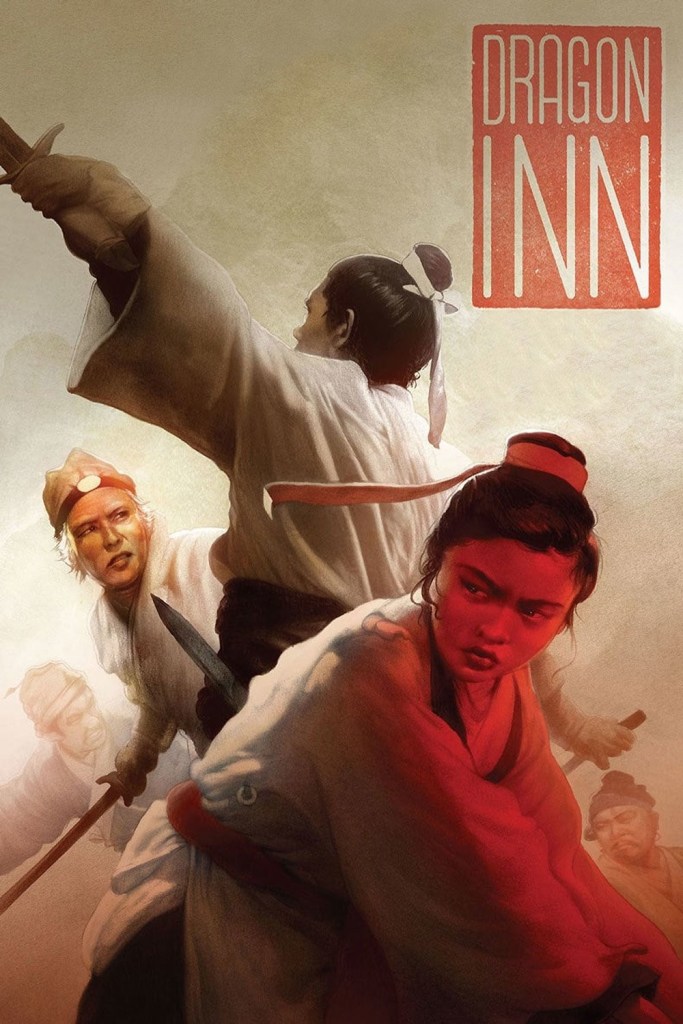
Dragon Inn (1967)
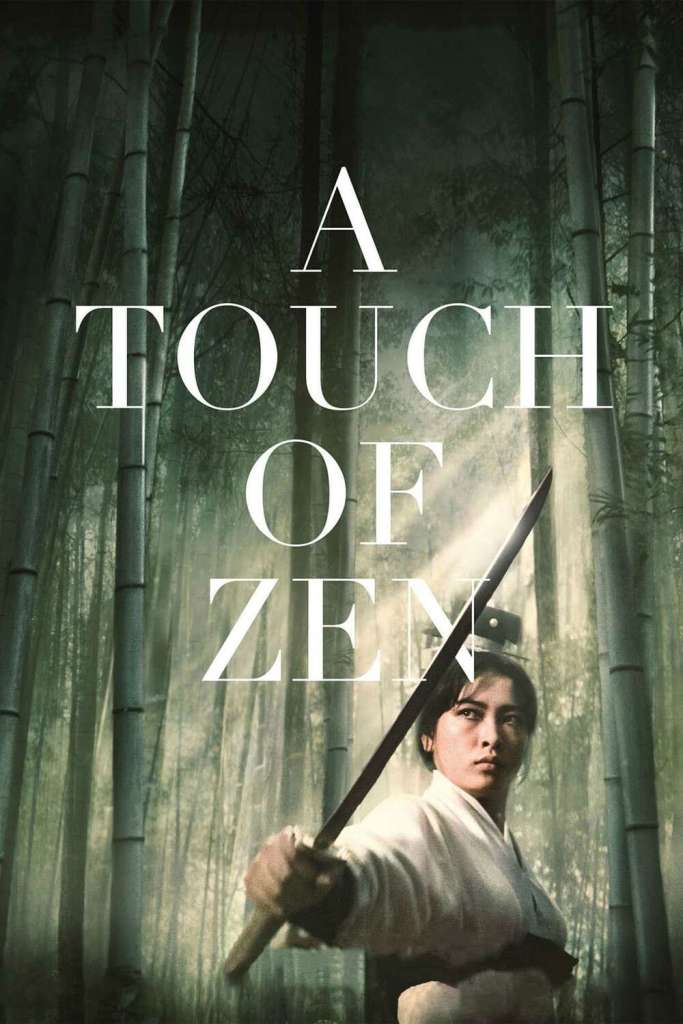
A Touch of Zen (1970)
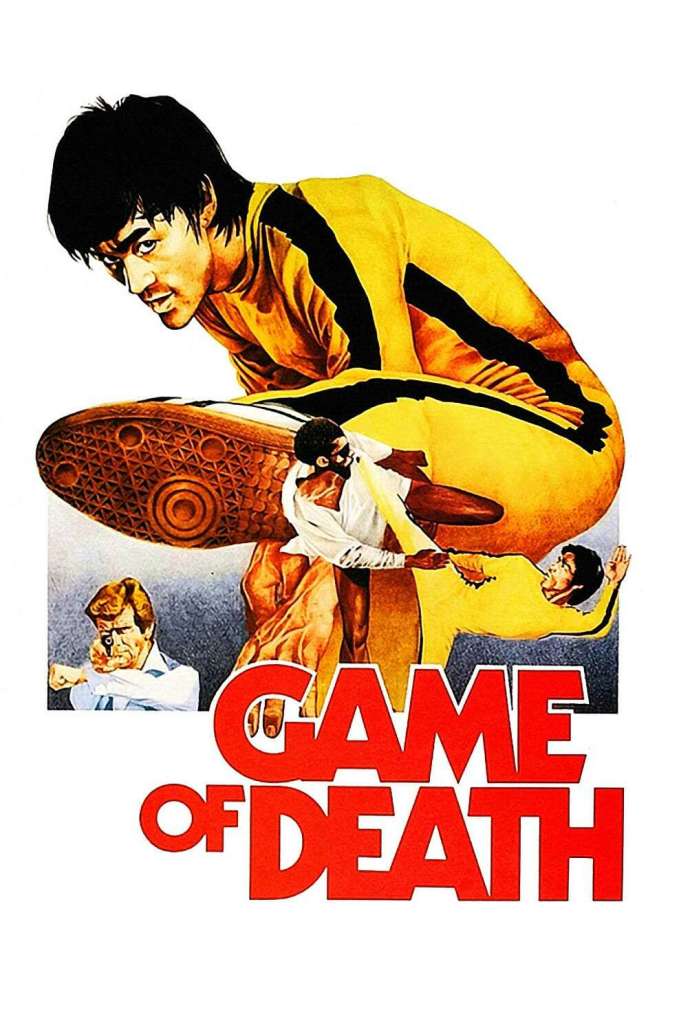
Game of Death (1978)
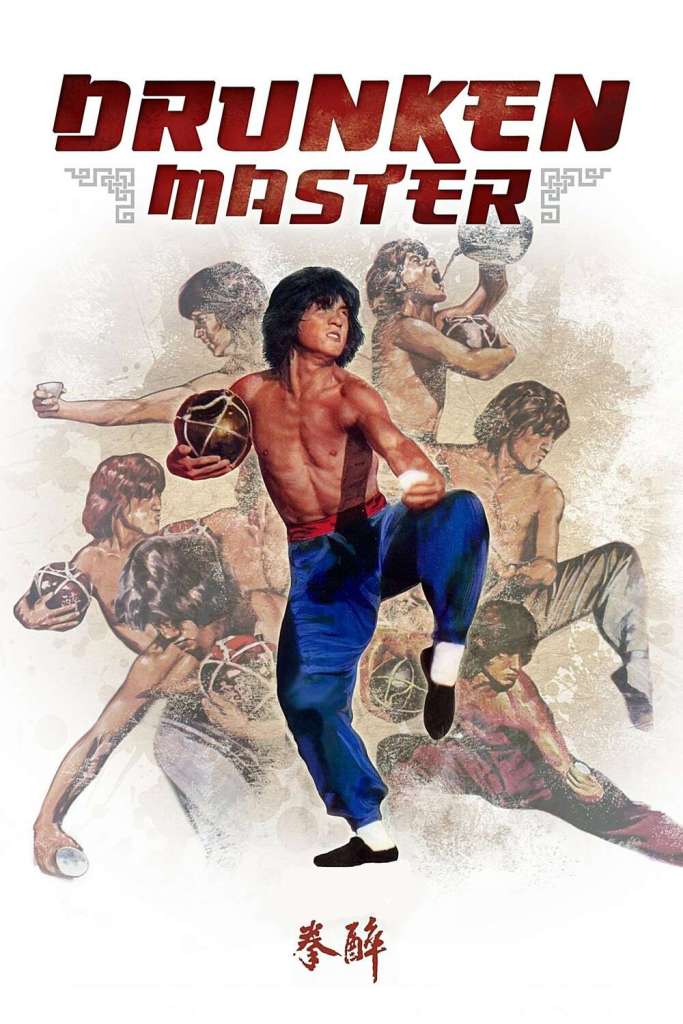
Drunken Master (1978)
1980s: Subgenre and the megahit Don Simpson and Jerry Bruckheimer demonstrated that high concept pictures like Flashdance (1983), Beverly Hills Cop (1984), and Top Gun (1986) that are easy to understand and market could make Hollywood buckets and buckets of money. Audiences flocked to the movies for these big budget spectacles, but they also showed up for comedies, cartoons, fantasy, horror, and any subgenre of film you can name.
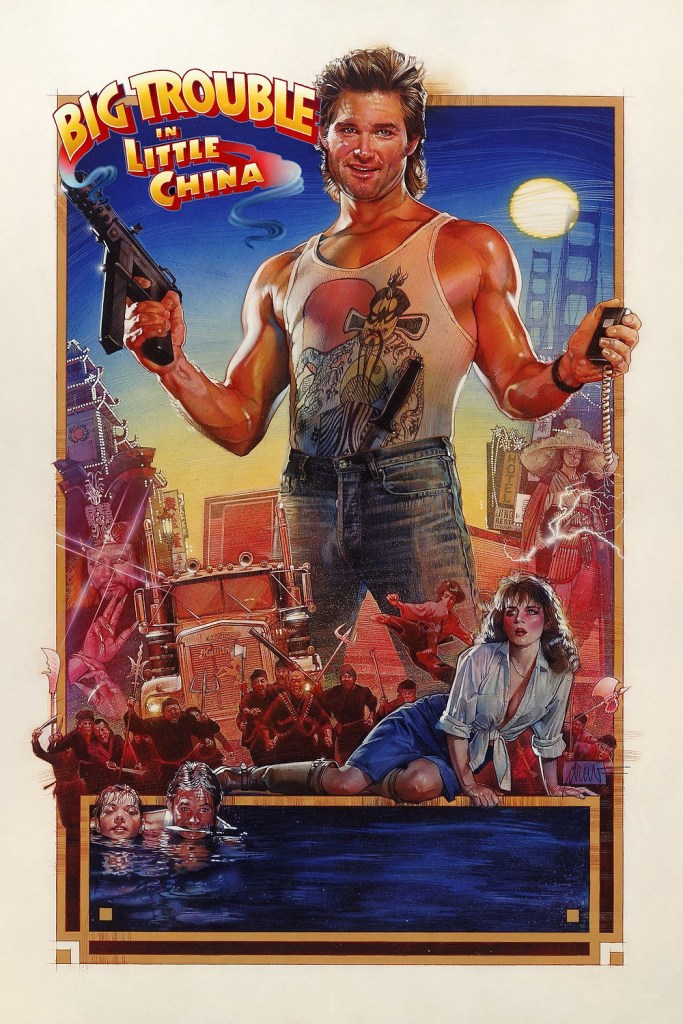
Big Trouble in Little China (1986) dir. John Carpenter Did I already mention John Carpenter in this post? Yes. Will I mention him again? Likely. I chose this movie as emblematic of how bonkers and superb 1980s cinema could get. I can’t tell you the plot of this movie, but Kurt Russel is there with a Chinatown crime lord, a green-eyed woman, and sorcerer David Lo Pan. If you have any young nieces or nephews, score huge cool auntie points by letting them watch this without parental supervision. It’s what we would have done in 1986, you know.
Other fascinating examples of 1980s subgenre absurdity and excellence:
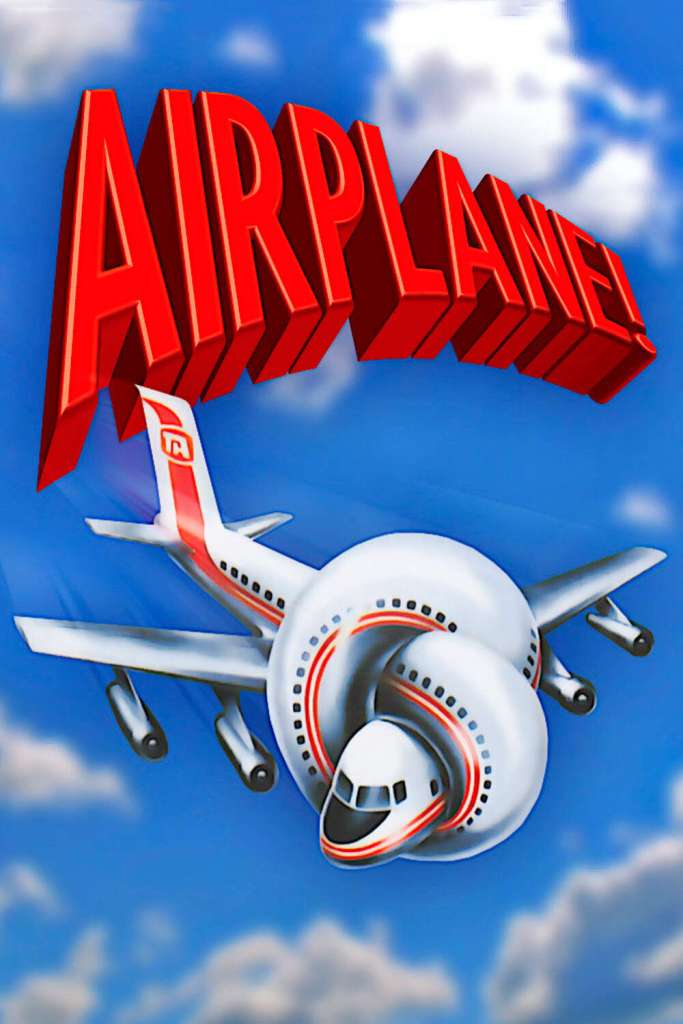
Airplane! (1980)
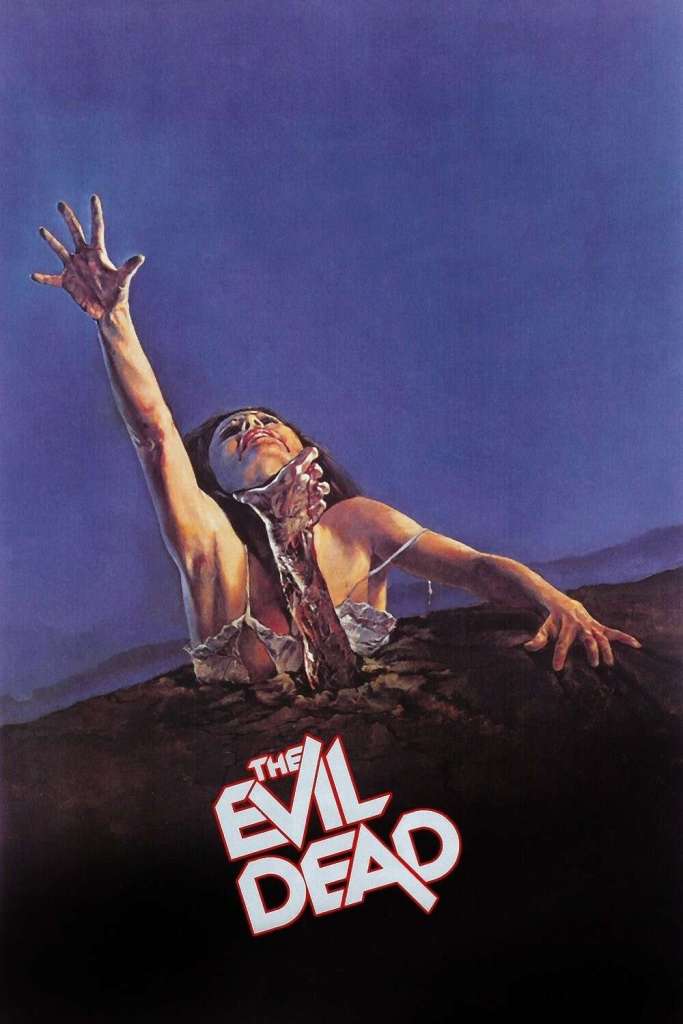
Evil Dead (1981)
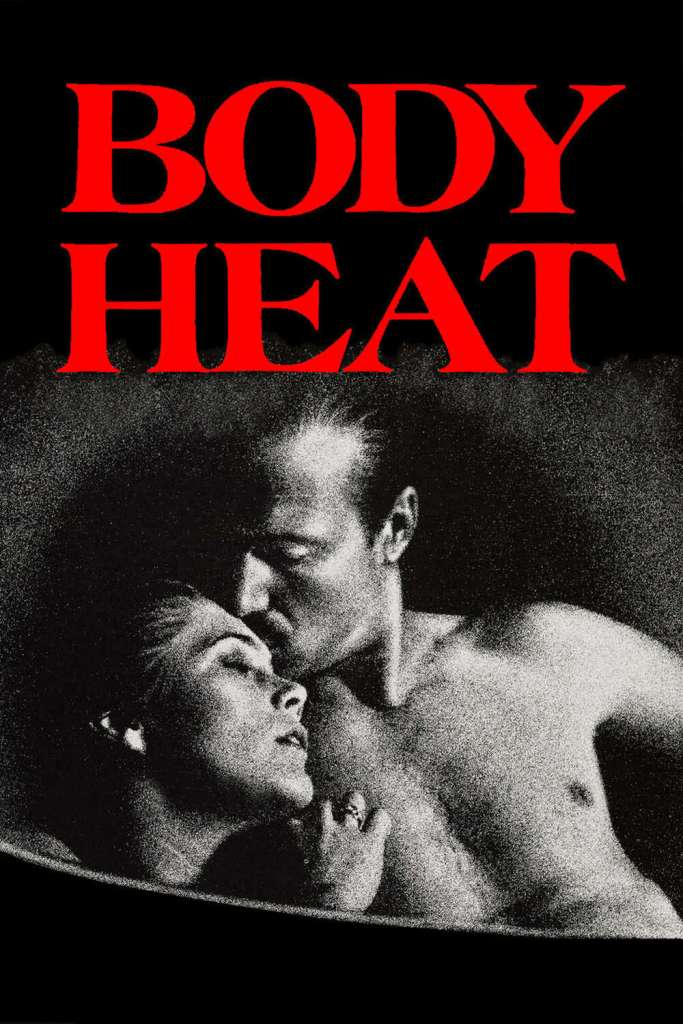
Body Heat (1981)
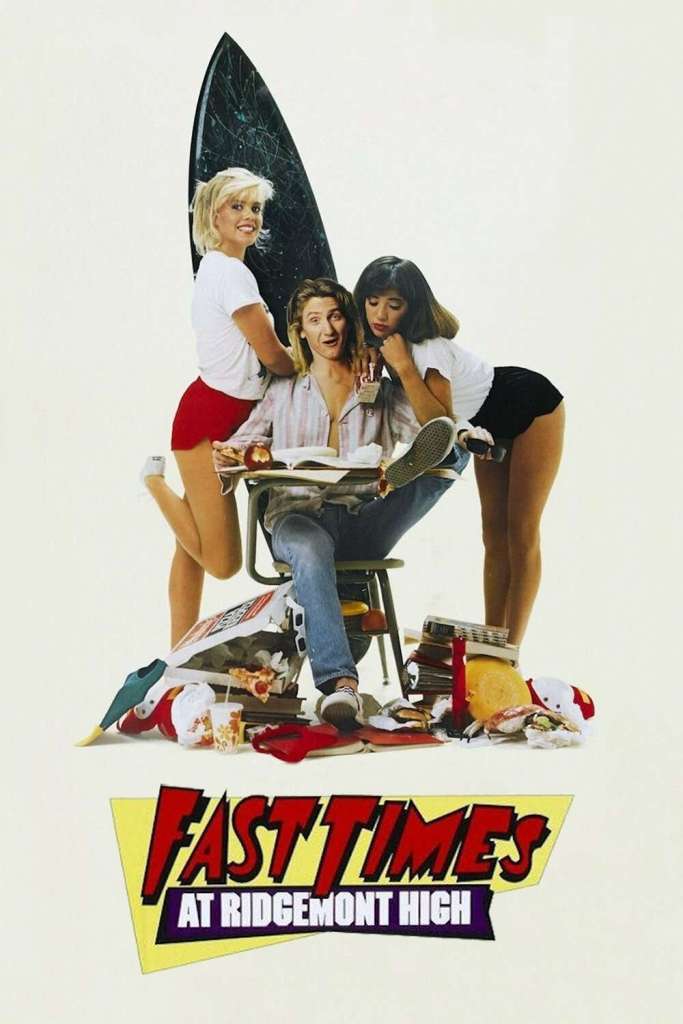
Fast Times at Ridgemont High (1982)
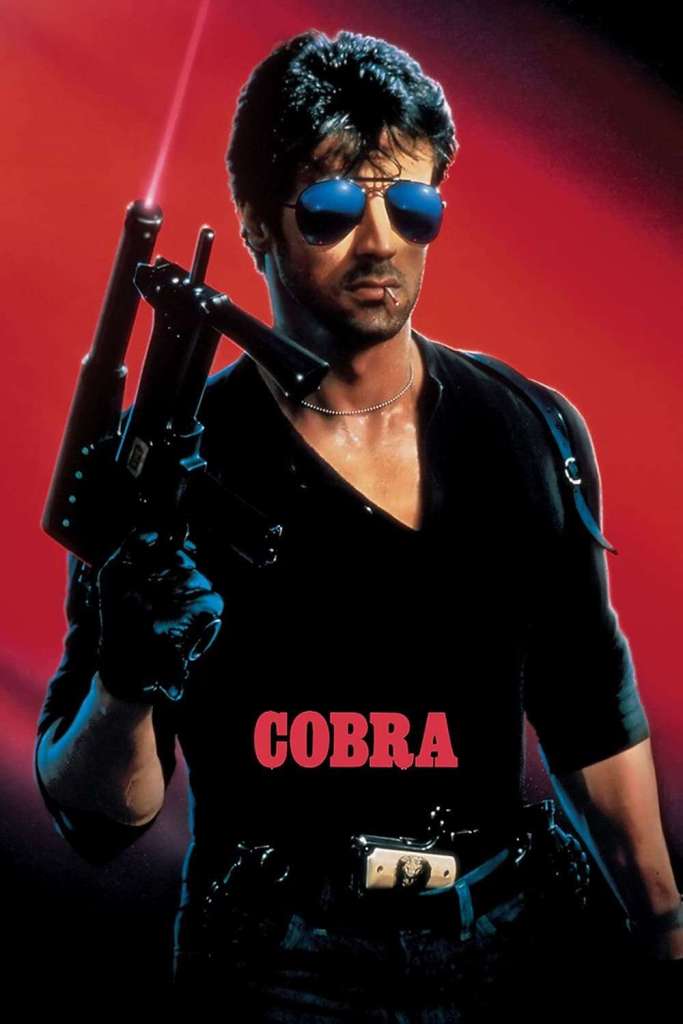
Cobra (1986)
1990s: The advancement of CGI technology, and the rise of home video consumption Films were now intentionally being written and filmed in anticipation of home viewing. Moviegoers were still leaving the house for a night out, but the direct-to-video market was steadily growing. The mainstream success of low-budget genre pictures of the 1980s made the indie directors of the 1990s highly sought-after.
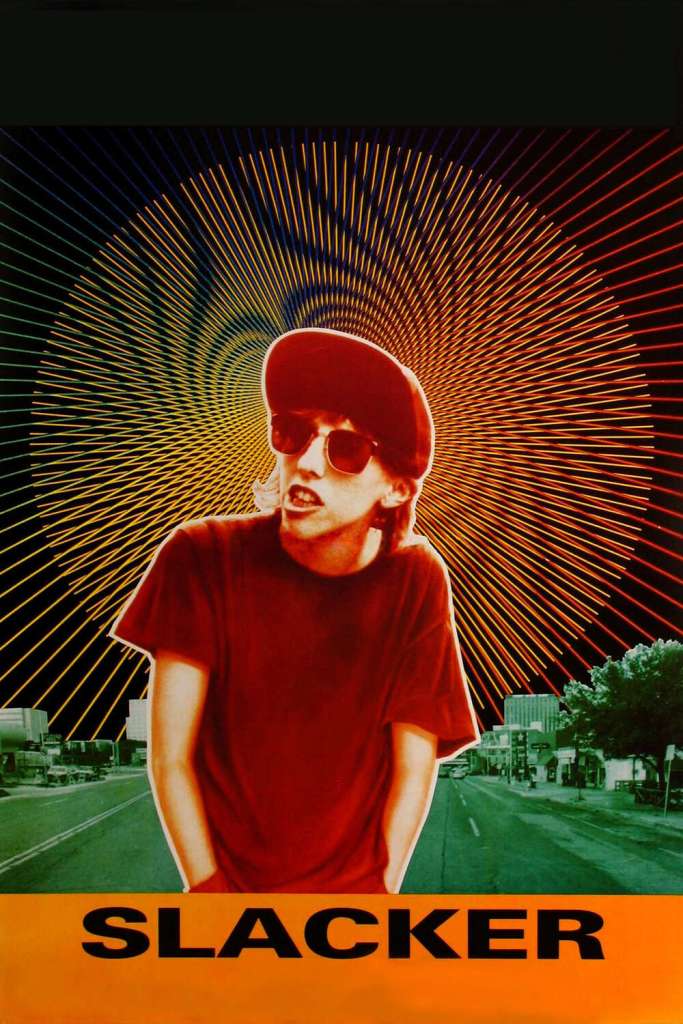
Slacker (1991) dir. Richard Linklater This movie pissed me off so bad when I saw it. I must have been fifteen or sixteen and just cutting my teeth on the Coen Brothers and Gus Van Sant. I craved beauty and meaning, and Slacker didn’t seem to have either. I request that someone give it a watch and fill me in with their findings. Is this movie good? Or bad? Art is both, often at the same time.
Other examples of the big and the small moments in 1990s cinema:
The Grifters (1990)
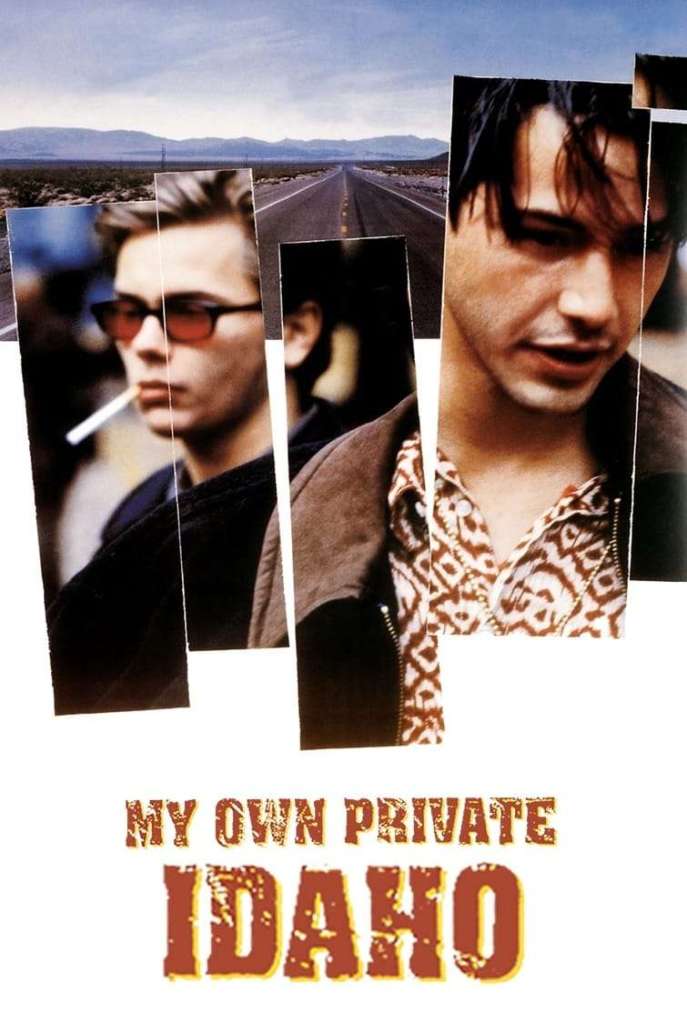
My Own Private Idaho (1991)
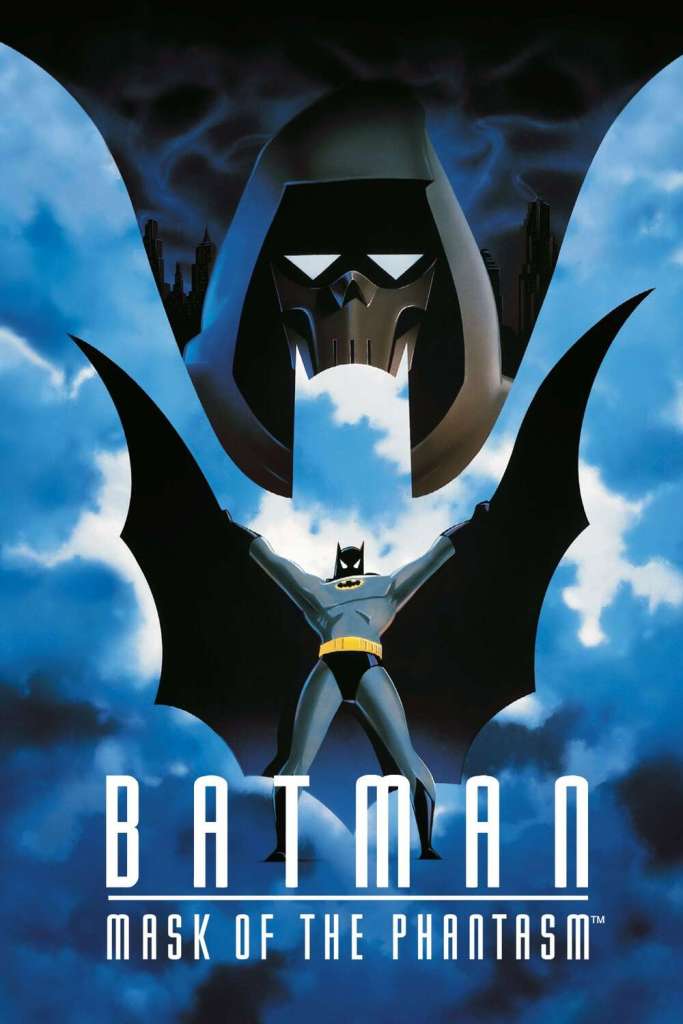
Batman: Mask of the Phantasm (1993)
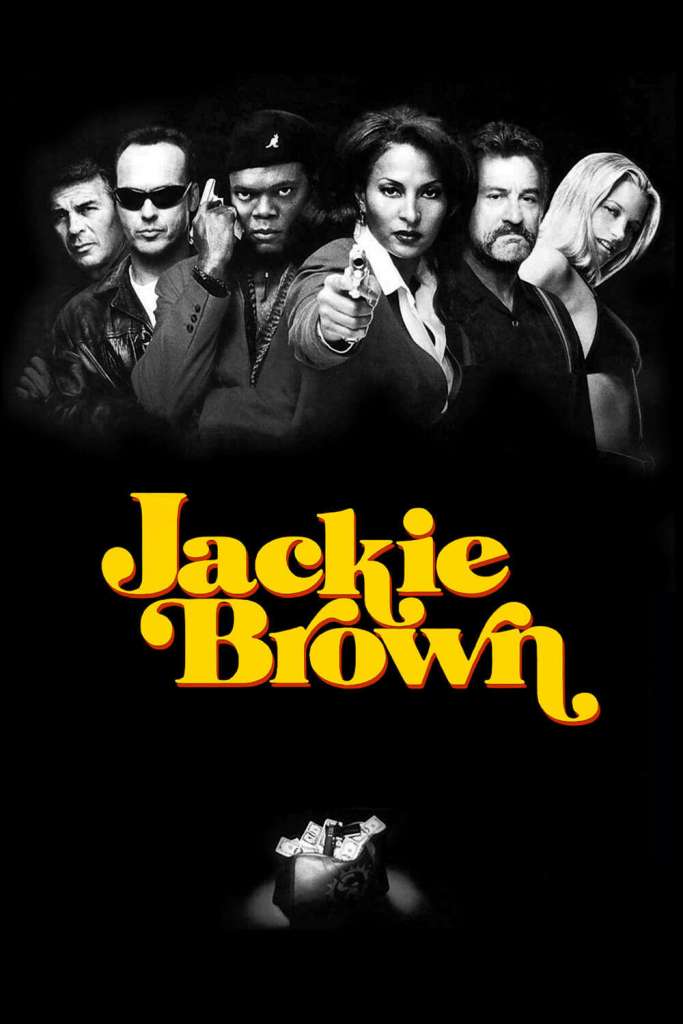
Jackie Brown (1997)
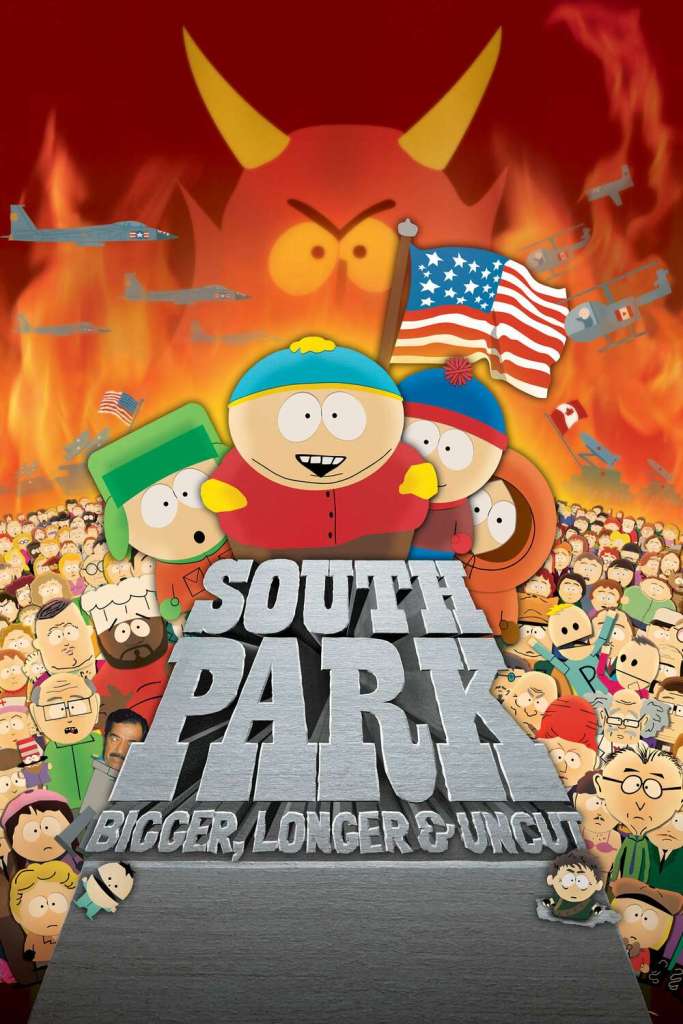
South Park: Bigger, Longer, and Uncut (1999)
While there are more ways to break down film history and identify trends, I find massive generalizations comforting and easy to digest. For more in-depth insights into film and film history, consider submitting a Your Next Five Books request and indicate your interest area. Use our Your Next Five Movies tool if you care not for books.
Did you know that April 3rd is National Film Score Day? That’s still a while away, but there’s never a bad time for a dive into the fascinating world of film music. Can you imagine Star Wars without ‘Binary Sunset’, or Jaws without that musical panic attack of a main theme? I’ve been a bit of a nerd about movie music for as long as I can remember. Maybe that comes from growing up around the time that Peter Jackson’s Lord of the Rings trilogy (scored by Howard Shore) was coming out, and having my mind blown by Guillermo del Toro’s Pan’s Labyrinth (scored by Javier Navarrete) a little later. In my opinion, the right score is often what takes a good movie and makes it truly great. Today, I’ll be writing about a selection of movies, all available through the Monarch Library System, that I feel exemplify the art of the film score. Let’s get started!
To adapt Tolstoy’s classic about a woman pursuing forbidden love in a society where reputation is paramount, director Joe Wright took a high-concept approach. To convey the artificiality of the story’s world of 19th-century Russian aristocrats, this adaptation sets the bulk of the action on a literal stage. Dario Marianelli’s score is the perfect companion for this ambitious adaptation, sweepingly theatrical where it needs to be, and then all at once achingly real. One thing I love about this score is the variety of musical arrangements involved, including brass ensembles, romantic strings, a haunting vocal solo, and more. If you’re a fan of period pieces, and especially of any of Joe Wright’s previous work – which includes the beloved 2005 adaptation of Pride and Prejudice – you should definitely check out this gorgeous and underrated film.
Here is a list of movies I watched this fall and what I thought about them and what you should also watch or watch instead. Many of the movies came off of the New York Times list of the best films of the 21st century, so far. Get your free access to the NYT courtesy of Mead Library by clicking HERE if you’d like to see the list for yourself.
Memories of Murder (2003) dir. Bong Joon Ho Rural South Korean detectives struggle and fail to bring a serial murderer to justice. Based on true events. This is a must-watch for disciples of international film, true crime, Bong Joon Ho, and Song Kang-Ho. Gripping, disturbing, gorgeous, and frustrating.
Companion movies: The Bone Collector (1999); Frenzy (1972); LA Confidential (1997); Zodiac (2007)
Michael Clayton (2007) starring George Clooney and Tilda Swinton Fancy attorney “fixer” Michael Clayton must figure out who is killing off everyone related to a multi-billion dollar lawsuit in this taught thriller because he might be next. Great cast. Beautifully shot. Slick narrative devices. Morally grey protagonists. This baby has really got it all.
Spotlight (2015) starring Michael Keaton and Rachel McAdams The incredible, harrowing, and heartbreaking true story of the Boston Globe breaking the Catholic sex abuse scandal in 2001. This won the Oscar for Best Picture and rightly so. We will be discussing this film at the Feb. 2026 meeting of Movie Club. I am screening it that week, too, check the calendar for details. I watched this slack-jawed and all in one go, and while my mouth is often slack, it is rare that I watch an entire movie all in one sitting.
Black Orpheus (1959) dir. Marcel Camus A fabulous retelling of the Greek myth of Orpheus and Eurydice set against the colorful backdrop of Carnival in Rio with an all-black cast. This dreamy interpretation captured international attention and was awarded the Palme D’or at Cannes.
Companion movies: Singin’ In the Rain (1952); The Red Shoes (1948); Touki Bouki (1973); The Umbrellas of Cherbourg (1967)
The Intouchables (2011) dir. Olivier Nakache Sweet and unexpected buddy comedy in which a good natured recidivist stumbles into employment as the caretaker of a wealthy quadriplegic aristocrat. Worlds collide here to great effect. There is an American remake starring Hal from Malcolm in the Middle and that little fella from Jumanji. I haven’t seen it and cannot attest to its charm or lack thereof. It’s called The Upside (2017).
Companion movies: Amelie (2001); The Bucket List (2007); Captain Fantastic (2016); Notting Hill (1999)
The Menu (2022) starring Ralph Fiennes and Anya Taylor-Joy A chef and his staff at the height of their celebrity and abilities have a strange reaction to the lofty position they have attained. This one gets bloody but it’s FUNNy blood, you guys. No it isn’t actually. Trigger warning, you guys, actually.
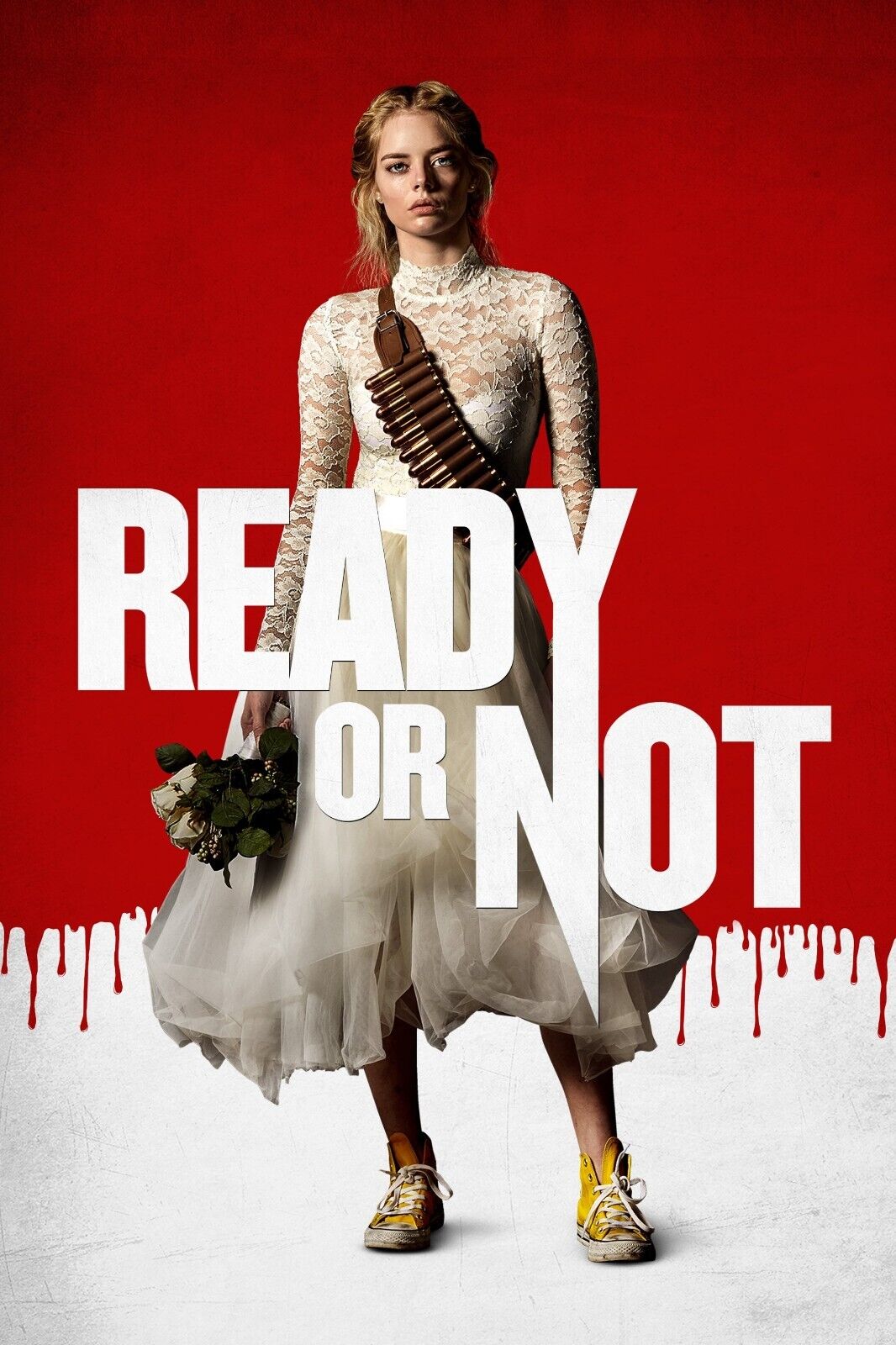
Companion movies: Pig (2021); Ready or Not (2019); Saltburn (2023); Triangle of Sadness (2022)
The Ministry of Ungentlemanly Warfare (2024) starring Henry Cavill and Alan Ritchson Large British men do man things in the service of His Royal Majesty during WWII. Although there were several Large Men featured throughout, I found the movie to be inexplicably boring despite looking slick as heck. What a waste of Large Men and their various abilities. I would watch Alan Ritchson grout tile tho, to be fair. Stick to Ritchie’s early work like Snatch (2000) and Lock Stock and Two Smoking Barrels (1998).
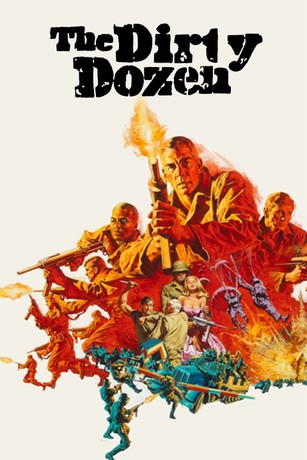
Companion movies: The Dirty Dozen (1967); The Great Escape (1963); Inglorious Basterds (2009); Kingsman: The Secret Service (2015)
All of the movies listed above are available in the Monarch catalog on DVD, BluRay, and/or streaming formats. Don’t forget to check Kanopy and Hoopla when looking for something to watch. Are none of the titles I listed appealing? Consider using Mead’s Your Next Five Movies film-recommendation tool. Take a look HERE. We also offer a book recommendation tool Your Next Five Books if movies are not appealing at the moment.
There’s nothing like watching a scary movie when fall is in the air. Every year, horror buffs look forward to the countdown to Halloween, when it’s socially acceptable to binge-watch as many horror movies as you want, and even the squeamish might give the genre a try. Today’s list isn’t complicated. It’s just a selection of horror films, all available at Mead, that I really liked, and that I hope you’ll like too. One quick note: these are the preferences of a long-time horror aficionado – viewer discretion is advised for all of these selections. With that out of the way, let’s get started!
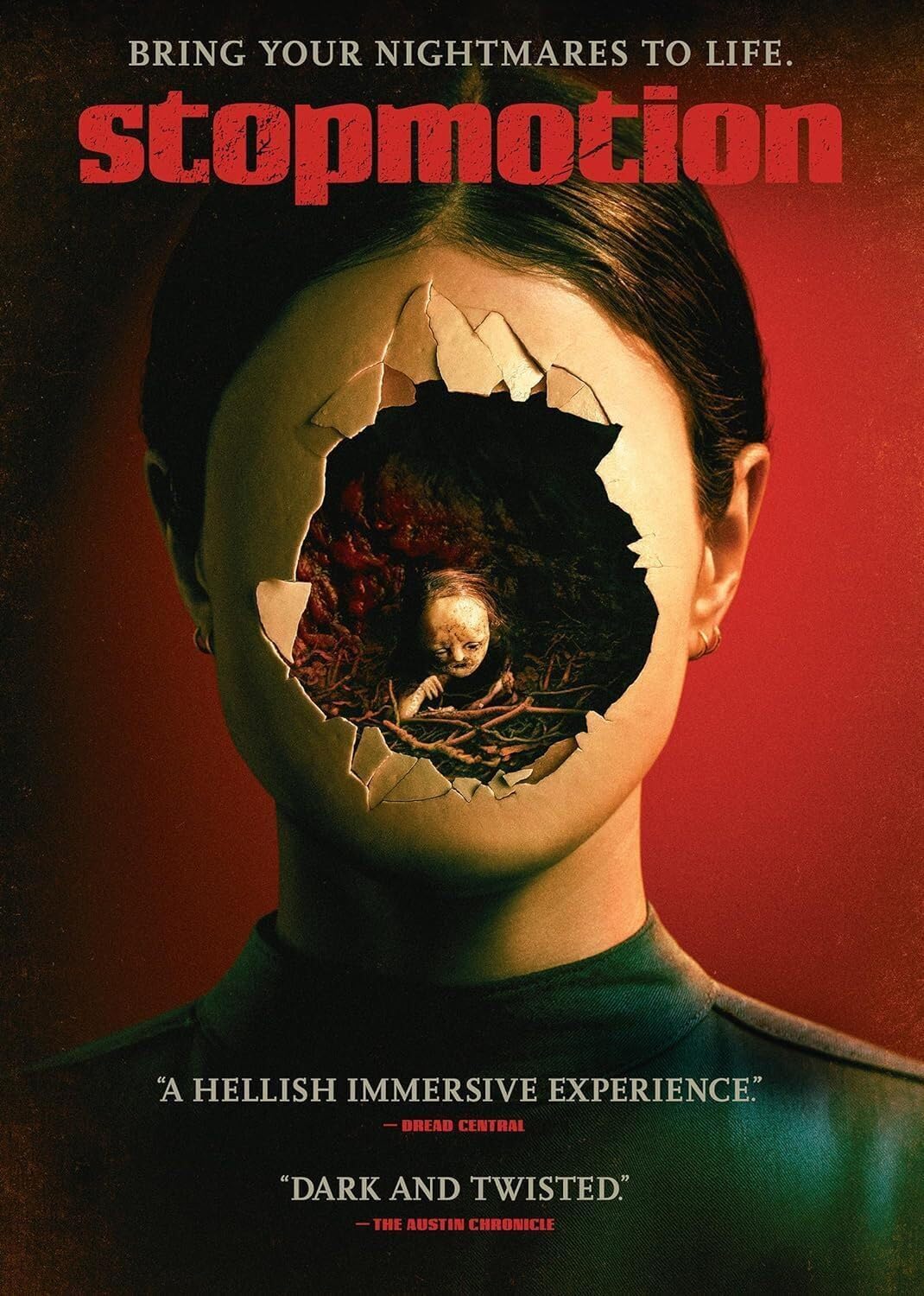
Stopmotion follows Ella, creative assistant to her mother Suzanne, a celebrated stop-motion animator. Ella yearns to find her own artistic voice, but she’s been smothered by Suzanne’s personal and professional mistreatment. When Suzanne’s health takes a turn for the worse, a mysterious young girl begins to haunt Ella. The apparition encourages her to abandon her mother’s unfinished film and tell a different, very macabre story. Ella thinks she’s found her chance to come into her own – until the film begins to haunt her. Stopmotion is a brilliant work of psychological horror – I was literally on the edge of my seat by the end. I really appreciate how the film doesn’t overexplain itself. It’s left up to interpretation whether the haunting represents Ella’s abusive upbringing, the toll of her devotion to art, fear of mortality triggered by her mother’s failing health, or something else entirely. Furthermore, the stop-motion animation sections of the film impress, both on a technical level and in scare factor. Stopmotion is a good story well told, capable of sending shivers up a jaded horror buff’s spine, and it absolutely deserves a place on your watchlist.
In my opinion, it’s never too early to start thinking about the scary movies you’re going to watch in the lead-up to Halloween. Vampires are having a bit of a moment right now, so there’s no better time to explore the history of one of the most iconic and enduring subgenres of horror cinema. Unfortunately, it would be pretty much impossible to cover the entire history of vampire movies in a single blog post: there are just too many great ones! So, with the acknowledgement that any short list of vampire movies will also necessarily be an incomplete one, I’d like to use this space to talk about a few of my favorites. Let’s get started!
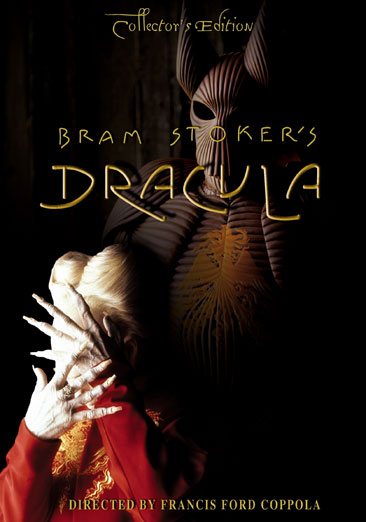
Bram Stoker’s 1897 novel Dracula is indisputably the grandfather of the modern vampire story, and I thought for a while about which of its’ many, many cinematic adaptations should go on this list. Should I spotlight F.W. Murnau’s Nosferatu, the loose adaptation of Dracula that invented the vampire film genre as we know it today? Or should I highlight the legendary performance of Bela Lugosi? How about Christopher Lee? While those are all great options, in the end I decided on this 1992 adaptation by Francis Ford Coppola. Forget what you’ve heard about Keanu Reeves as Jonathan Harker, because this movie also features excellent performances from Gary Oldman as Dracula, Anthony Hopkins as Van Helsing, Winona Rider as Mina Harker, and Tom Waits (!) as Renfield. This take on the story departs from Stoker’s novel in that it explores the idea of a potential romantic connection between Dracula and Mina Harker. No matter how you feel about the adaptational changes to the original story, this film is undeniably stylish. With Coppola’s directorial touch, a haunting score by Wojciech Kilar and gorgeous Oscar-nominated costumes by Eiko Ishioka, Bram Stoker’s Dracula is nothing short of an unforgettable cinematic experience.
Hear me out. There are a couple reasons why you might want to watch a scary movie on Mother’s Day. Firstly, maybe your mom just likes horror movies! But if I may put my film nerd hat on for a second, one of the most important tricks in the horror toolkit is taking something people typically think of as safe and comforting and making it frightening. When a director or a screenwriter focuses on familial relationships alongside or within the scares, they can reliably create a memorably chilling cinematic experience. The following films include scared moms, scary moms, and sometimes both, and all of them are excellent picks for any horror fan at any time of year.
The Xenomorph, the iconic creation of artist H.R. Giger, is technically only doing what comes naturally for the propagation of her species. Unfortunately, that involves using the crew of the Nostromo as hosts. Only Ellen Ripley may have the strength not only to survive, but to fight back. In the forty-six years (!) since this film’s release, Alien has become the gold standard for sci-fi horror. Anchored by Sigourney Weaver’s unforgettable protagonist, the film provides both spine-tingling suspense and heart-pounding adrenaline rushes. The Xenomorph may be one of the all-time feats of cinematic creature design. As far as the film’s applicability to Mother’s Day, the sequel just so happens to contain one of the most iconic Mama Bear one-liners in all of cinema. You know the one.
Movie musicals are having a bit of a moment right now, best illustrated by the smash success of Wicked. Speaking as a theatrical aficionado, I couldn’t be happier. That being said, I think it’s a bit of a shame that compared to movie musicals past and present, movies based on plays tend to fall by the wayside. After all, where better to see capital-A Acting than with a script meant to be performed live? If you’re interested in seeing world-class performers and great scripts, check out these movies based on plays, selected from Mead Public Library’s catalog.
First thing’s first: this movie’s depiction of the lives of Wolfgang Amadeus Mozart and Antonio Salieri isn’t remotely historically accurate. That said, this movie’s version makes for an incredible story. Based on a play by Peter Shaffer adapted from an even earlier play by Alexander Pushkin, this film imagines that Salieri was consumed by jealousy over Mozart’s genius. Salieri, portrayed by F. Murray Abraham in an Oscar-winning performance, falls deeper into resentment and obsession until he finally begins to plot murder. I have to lay all my cards on the table here: this is one of my favorite movies of all time. It’s visually enchanting, and the performances from F. Murray Abraham and Tom Hulce deserve every bit of their acclaim. I’m also a particular fan of how the soundtrack expertly weaves Mozart’s music into the intrigue. In addition to Abraham’s Best Actor win, the film won Best Picture, Best Director, and much more at the 1985 Academy Awards. I could go on all day, but ultimately, I simply adore this movie, and I hope you will too.
When you think of a fantasy film, what’s the first thing that comes to mind? For many people, the answer will be Peter Jackson’s Lord of the Rings trilogy, for good reason – those movies are great. However, there’s a whole history of beautiful, imaginative fantasy films that came out before that. As a fan of all forms of fantasy, I thought I’d take the opportunity to spotlight some of the great fantasy films of the 1980s available at Mead Public Library. For some readers, these will be nostalgic old favorites, but for others, they’ll be brand new discoveries. I hope you find both something old and something new to love on this list!
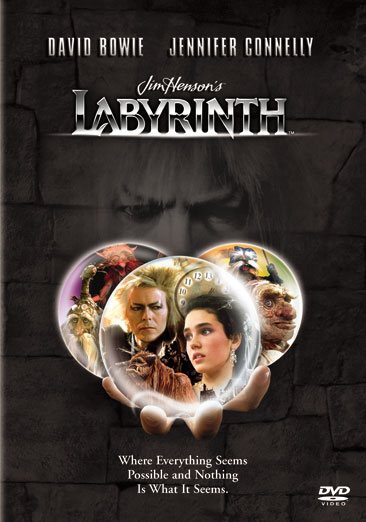
When I say “1980s fantasy film”, there’s a good chance this is the first movie you think of, and it’s not hard to see why. David Bowie’s performance as The Goblin King, who punishes teenager Sarah for a careless wish by trapping her brother at the heart of a surreal and treacherous labyrinth, is nothing short of iconic. Bowie also lent his voice to the film’s soundtrack, from the playful “Magic Dance” to the dreamy “As The World Falls Down” to the haunting “Within You”, which in my opinion has got to be one of the most underrated cinematic villain songs of all time. The film is also visually gorgeous, from the costumes to the Jim Henson Company’s puppetry, which populates the Goblin King’s realm with a panoply of fantastical creatures. This film is incredibly rewatchable even if you nearly know it by heart, and if you haven’t seen it yet, you’ll be lucky enough to have the joy of experiencing it for the first time.