Posted in Uncategorized

BOOK THEFT!!!

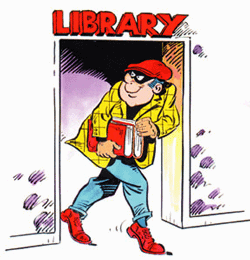
This week I spent some time working on Mead’s DVD collection. It’s hard to determine which titles are actually on the shelf and which may have grown legs and escaped the building via clandestine means, which got me thinking about library theft. We all love public libraries and the access to books, movies, music, and other resources they provide. All that and more for free, Free! FREE! Utilizing libraries can save anyone thousands of dollars a year when compared to the retail cost of books, etc, and these things are available to all. That’s why it totally blows my mind when I come to discover missing or stolen items in the collection. Lost and damaged items are part of the public library landscape and honest mistakes happen all the time. Maybe there’s a pattern to it all, one I cannot discern from the relative proximity to Mead’s catalog offerings. I decided to take a look at the things people commonly steal from libraries, bookstores, and archives across the country to try and extrapolate some reasons WHY. 


Photo credit: Vintage/Anchor Books via Twitter

Bookstores

The above photo was posted on a tweet about the most frequently stolen books in a particular bookstore. There’s a bunch of Bukowski, Murakami, Bret Easton Ellis. I see On the Road by Jack Kerouac in there and honestly, I would be upset if I paid money for that brick, too. Not to say that I endorse shoplifting, but that brings me to WHY if one has access to a copy via the library for free, does one insist on shoplifting? One could argue that some of the above authors produce salacious material and it would be an embarrassment to be seen purchasing such a thing, but I don’t think this is the reason. My undergraduate experience with college lads and their inability to shut up about Bret Easton Ellis and Chuck Palahniuk points away from embarrassment as a factor. Perhaps the shoplifter is a thrill-seeker and simply loves the rush. Again, not an endorsement of shoplifting, but I sure hope the thrill-seeking type is ripping off big box and chain stores as opposed to independently-owned bookshops.

That brings me to my next hypothesis: people shoplift books to circumvent supporting a bad actor. For instance, JK Rowling has been in the news of late for terrible reasons (read all about it HERE and then instead of clicking on the link to JKR’s “defense” see instead THIS amazing response by Daniel Radcliffe). So, if someone wanted to read her pseudonymous mystery series without adding to her already sizable wealth, one might shoplift. Again, why not just get a copy from the library? 


Source: Smithsonian Magazine

Archives/Special Collections

Have you ever heard the term “book mutilation”? Me either, until I took a course in art librarianship during grad school. The woman who led my class directed the Kohler Art Library at UW-Madison and had spent her entire professional life in rare book collections. This is the class that managed to teach me the most about libraries, as well as teach me that people get downright bold and sneaky (yes, both at the same time) if they think they can make some easy money. Our professor regaled and horrified us with tales of people cutting intaglio prints or other illustrated plates out of rare, early books and sneaking them out of the building to later sell. This is known as “book mutilation” and it makes the ghost of Johannes Gutenburg cry. The whole point of special collections is to preserve rarities for the posterity of all mankind, so it’s a real bummer when jerks who mutilate archival property make it harder for the rest of us to access the same material.

Sometimes, it’s not even some rando off the street doing the thieving. Behold: the bookseller and ex-librarian who, between the two of them, were able to steal upwards of $8,000,000 worth of rare books from the Carnegie Library of Pittsburgh. It’s a fascinating case, even more so due to how recently the crimes were discovered. Read about it in Smithsonian Magazine HERE. He’s an utter disgrace of a librarian, but the gentleman owns up to his greed. From a capitalist standpoint, book theft makes sense, especially if you have no soul or conscience. But that doesn’t wash with material stolen from public libraries, which tends to be mass-produced. 

Public Libraries

Here’s what I determined when I looked into book theft at public libraries: 1. Popular material vanishes 2. Controversial material vanishes.

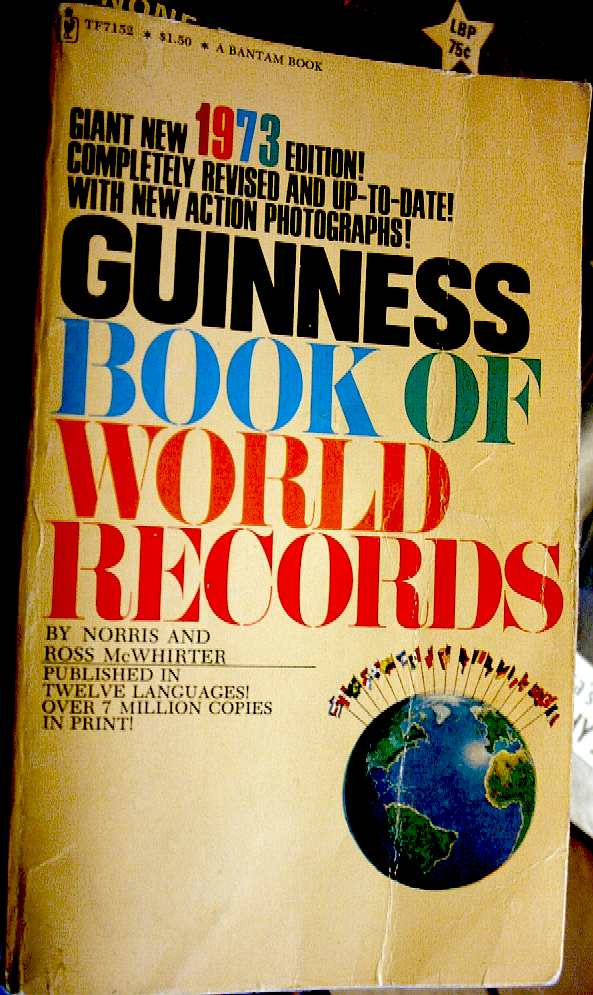
Popular: What better title to hold a record for being stolen than the Guinness Book of World Records? This annual collection of world-record-breaking facts is a family favorite at home and for sticky-fingered library patrons, both, apparently. To be fair, books with similar popularity tend to go missing more often than books that attract less attention. Now, would it shock you to know that the most stolen book in the world is the bible? Imagine. I’m no theology major but I’m pretty sure it says “thou shall not steal” somewhere in there. 

Controversial: There is a noted phenomenon in public libraries everywhere in which misguided library patrons will steal books to “protect” the rest of us. This is antithetical to public libraries. We are committed to providing high-quality material on a wide array of topics which the public can decide to engage with, or not, by preference. The idea of someone removing materials according to their personal moral compass is reprehensible to me. Mead, and most public libraries, struggle to keep material about witchcraft and the occult on the shelf for this reason. And did you hear about the numpty Iowa who burned a bunch of LGBTQ+ children’s books in 2019? I don’t care what someone’s personal politics are, book burning is never a great look.

Thank you for joining me for my highly unscientific exploration of book theft. The truth of the matter is, we all live our lives in unique ways that will never be totally understood by everyone around us. Book theft is just another, albeit darker and troubling, facet of human expression. Remember: if you ever get the urge to steal a book, even if it’s Abby Hoffman’s Steal This Book, do your best to resist and come see us downtown for some honest reading. 

Posted in Uncategorized

Audiobooks You Might Love (Which Means that I Love Them and You Should Too)

There’s some debate and snobbery surrounding the consumption of audio versus print books. “Audiobooks are CHEATING” shrieks my Facebook friend with lots of opinions. “It’s not the SUPERIOR way to read books” barks the Reddit random. Being a librarian, I am thrilled to pieces when people are reading books no matter what the format. Not all of us can absorb information the same way. Audiobooks are a godsend for those of us with poor eyesight, dyslexia, or other barriers that make reading print a struggle. Personally, I just enjoy listening to someone read. Below, I listed four audiobooks I listened to and loved in 2020. 

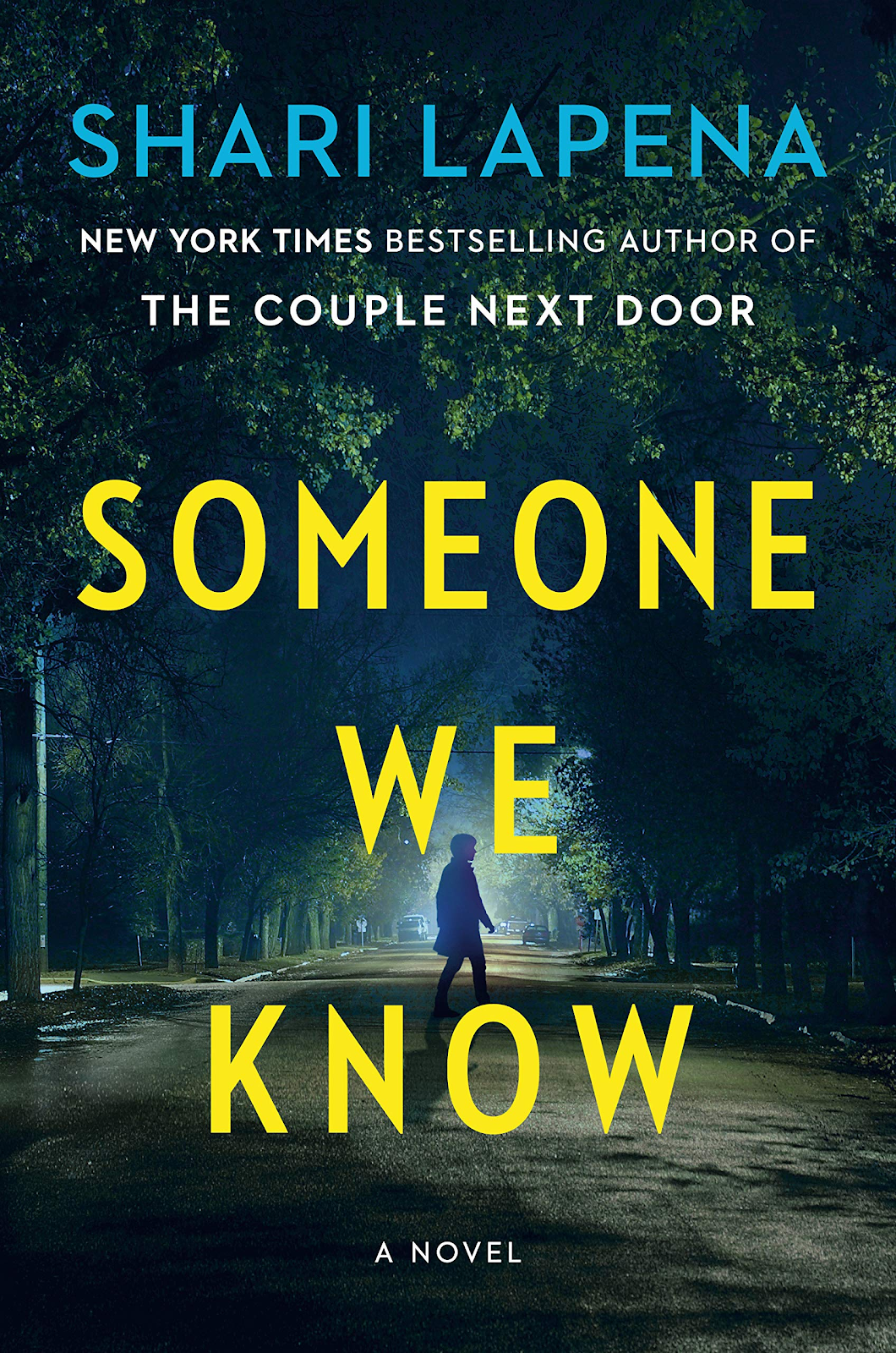
Someone we know by Shari Lapena (2019)

My favorite murder mysteries feature multiple points-of-view, unreliable narrators, and my complete inability to pinpoint the murderer in advance of the last chapter. The work of Shari Lapena fits those parameters to a T. Someone We Know is the fourth book of hers I’ve read. I borrowed it from Overdrive. There was a bit of a wait for the title because she is a fairly popular author and everyone plus their dog are looking for ways to beat COVID boredom. It doesn’t take a market analyst to guess that audiobook consumption skyrocketed over the past year, and that is sometimes reflected in Overdrive wait times. Not to fret, Mead also provides the community with access to Hoopla which offers audiobooks, ebooks, movies, TV, and NO wait time. Which leads me to the next book on my list…

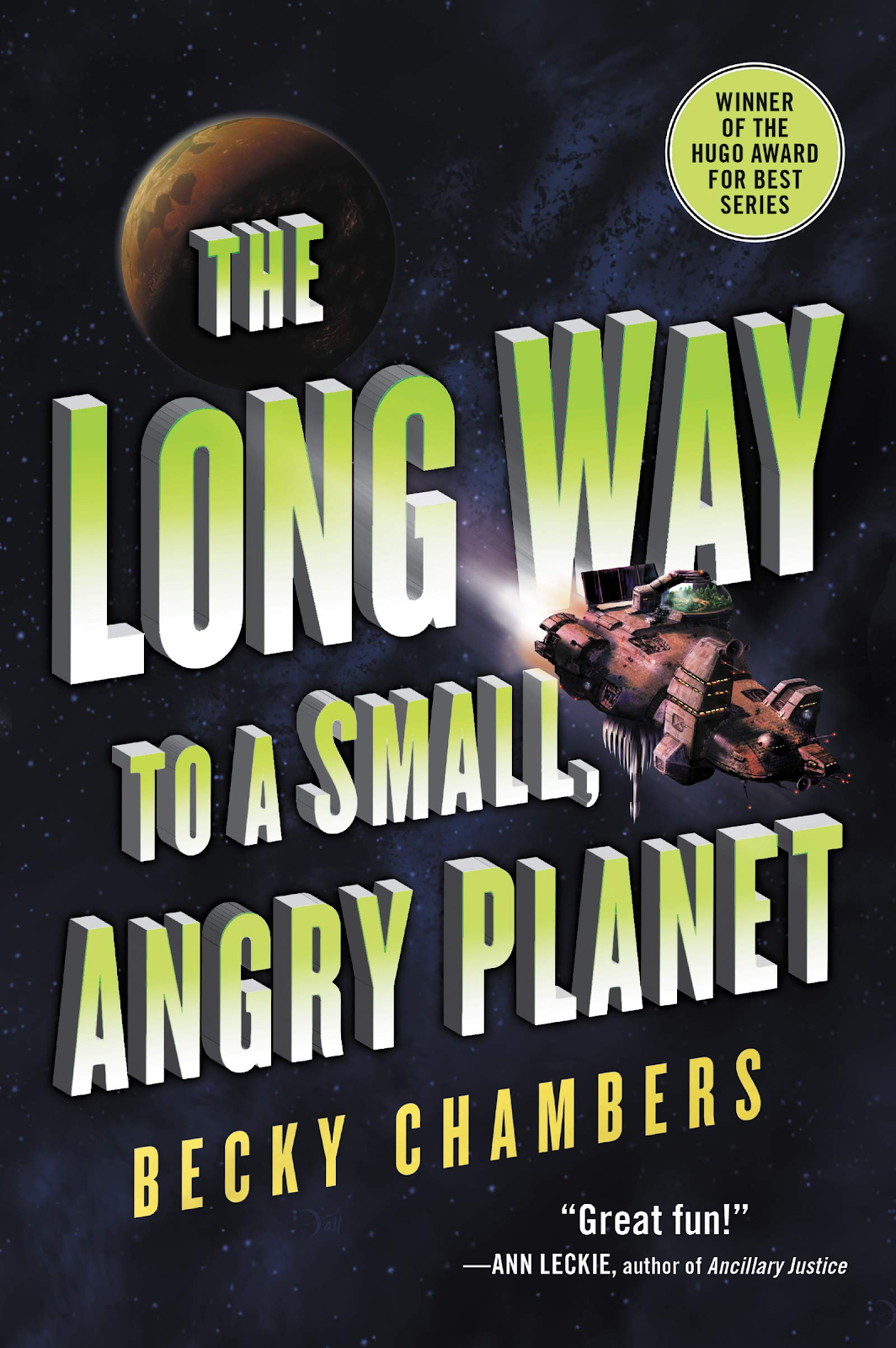
The Long Way to a Small, Angry Planet (Wayfarers, #1) by Becky Chambers (2014)

Are there any sweeter words than “space” and “opera” when paired together? The answer is: NO. By that token, Becky Chambers rules my heart. She is out here writing some of the best science fiction of the 21st century and y’all are missing out if you’re not on board the good ship Wayfarer. Chambers’ world-building is vivid and engaging. Her diverse cast of characters, human and otherwise, leap off the page, and I was sad to say goodbye at the end of the book. Fortunately, there are already three books in the Wayfarers series with another forthcoming in 2021. AND and and and the three already in print are all available on Hoopla in audio form. What’s so great about Hoopla? How is it different from Overdrive, for instance? Let me tell you the defining trait that makes Hoopla rad: no wait time. While you are limited to 10 check-outs per month, you will not spend a single second waiting for them to be available. 

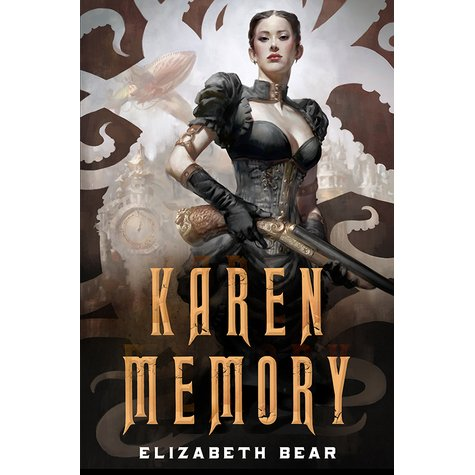
Karen Memory by Elizabeth Bear (2015)

This is the steampunk California gold rush-era queer scifi/fantasy that you never knew you needed to read. Narrator Jennifer Grace imparts a soft, appealing twang to Karen’s voice as we watch her find and use her strength to save herself and her friends from the designs of evil men. I was pleased to find Karen Memory for check-out on RBDigital. This platform provides audiobooks in addition to a HUGE array of magazines. RBDigital is our least-utilized digital service behind Overdrive and Hoopla, but that means most titles will not have a wait-time and check-out periods are for 3 weeks! I have good luck finding genre fiction such as mysteries, scifi, and fantasy on RBDigital, so it’s really worth a look.

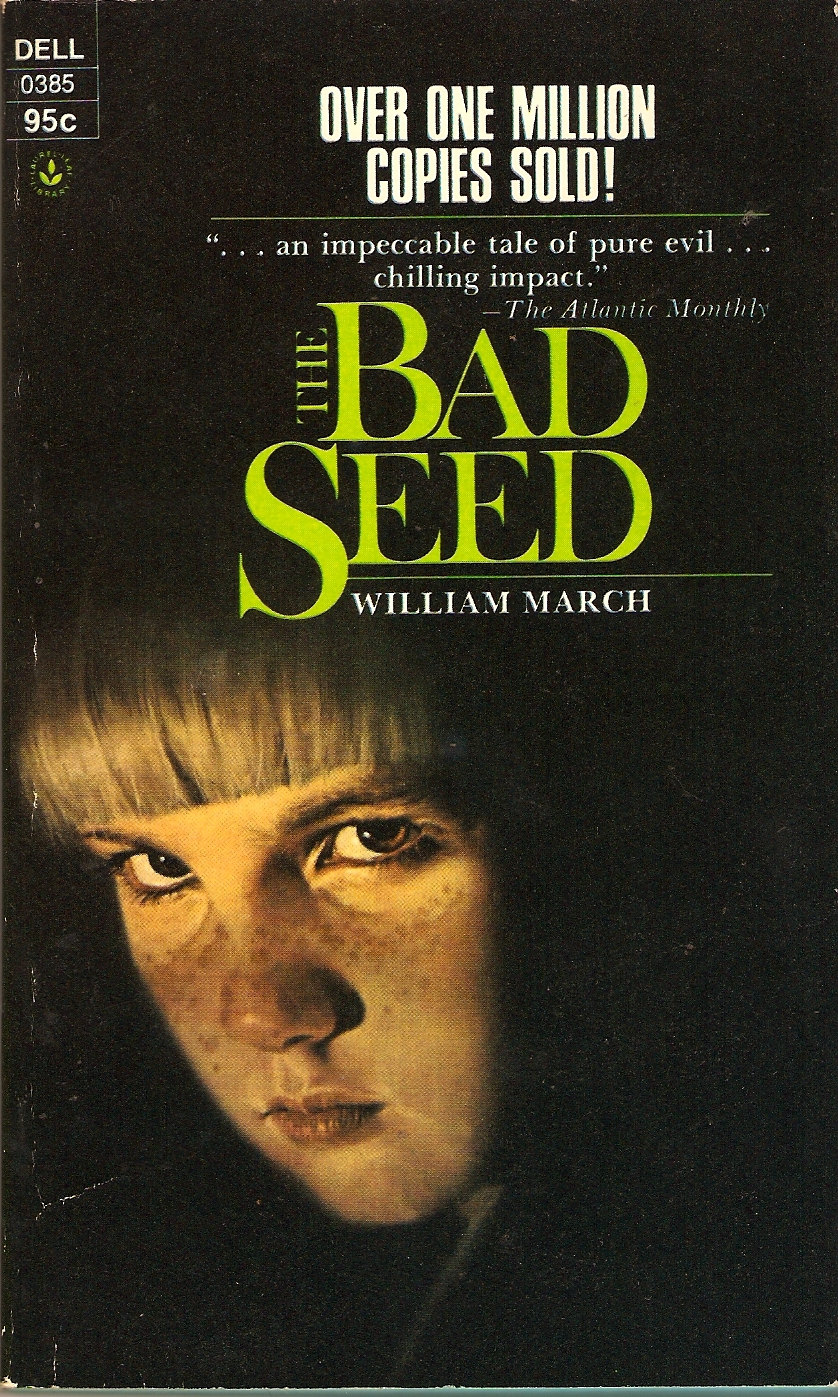
The Bad Seed by William March (1954)

I kept trying to get my colleagues to run this title for a book club, but to no avail. After listening to it recently, maybe that was for the best due to the less-than-hopeful ending and terrible acts within. Little Rhoda Penmark may only be in the 2nd grade but has gotten her criminal career well underway. The alternately tremulous and forceful narration provided by Elizabeth Wiley created a satisfying push/pull between the deeds of the sinister daughter and the hand-wringing of the hapless mother. Together with some fascinating ruminations on the nature of evil, The Bad Seed mostly stands up to the test of time. Available on Hoopla. 

Which audiobooks have you been listening to lately? What do you do when you listen? I like to go for walks or listen while I cook dinner. Please do not hesitate to reach out if you are in need of assistance while you learn to use our digital services. We are also happy to provide reading recommendations, as well, if you’re in a rut. Happy listening!
Posted in Adult, Audience

Celebrating Black Excellence on Juneteenth

Juneteenth, commemorated on June 19th, is the annual celebration of the emancipation of enslaved people. Established in Texas in 1865, Juneteenth celebrations often take the shape of backyard cookouts and community-wide activities. This year’s celebration, against the backdrop of massive world-wide demonstrations protesting disproportionate police brutality against black people, seems especially important to commemorate. 

Since social distancing is still best practice this summer, that rules out fun cookouts with lots of communal food. So, in lieu of that, I decided to commemorate Juneteenth by educating myself about the history of racism in the United States, and by celebrating Black Excellence. 


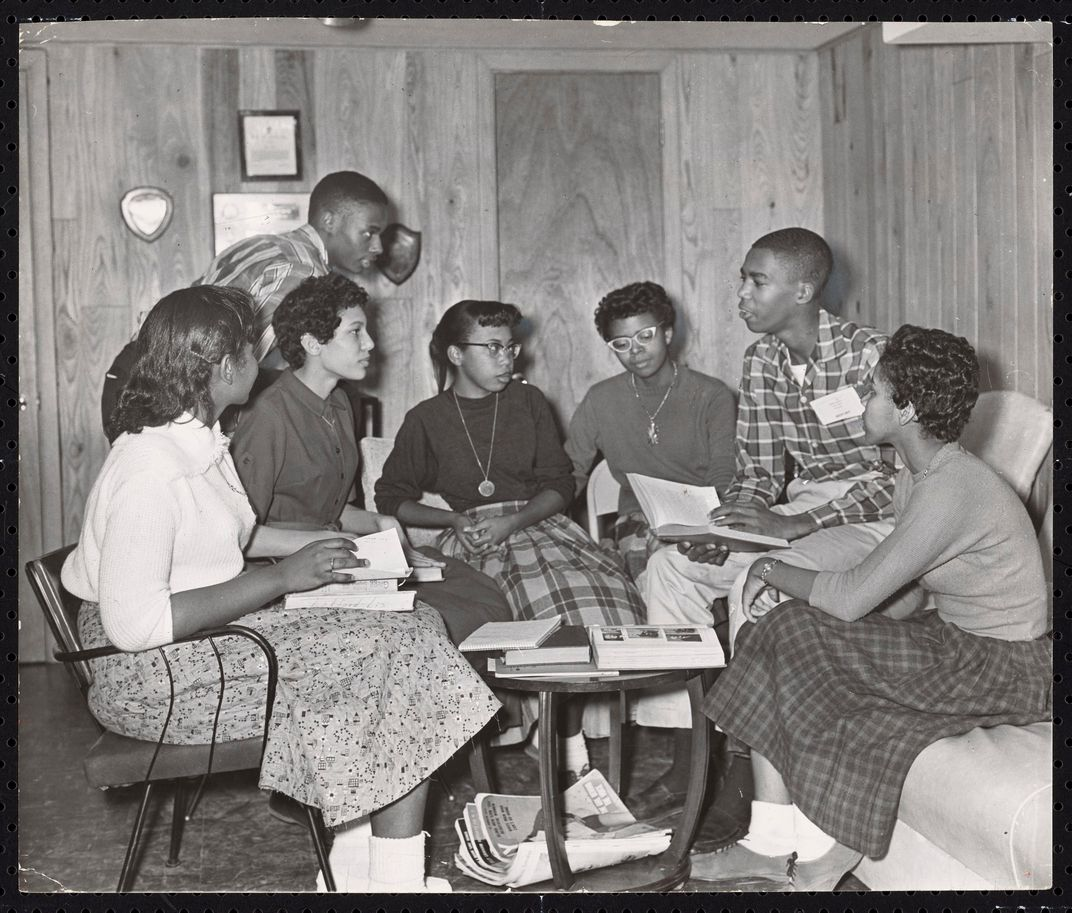
Seven of the Little Rock Nine, including Melba Pattillo Beals, Carlotta Walls LaNier, Jefferson Thomas, Elizabeth Eckford, Thelma Mothershed-Wair, Terrence Roberts and Gloria Ray Karlmark, meet at the home of Daisy Bates. (NMAAHC, gift of Elmer J. Whiting, III ©Gertrude Samuels)

Educate Yourself About Racism in America 

Smithsonian Magazine published an excellent article entitled 158 Resources to Understand Racism in America, available free online. The resources are linked throughout the article and provide deep contextualization on how slavery and subsequent systemic inequality are still impacting black people today. This will be an invaluable touchstone for anyone who wants to do the work of calling out their racist friends and relatives while working towards dismantling white supremacy.

Learn More About Juneteenth

I’m white, and I will admit I only learned about Juneteenth a few years ago. Thank goodness for the internet, which fills in gaps I didn’t know I had, without relying on the intellectual labor of oppressed populations. The Juneteenth National Registry is a great place to start learning about the history of the holiday. 

What is Juneteenth from Henry Louis Gates, Jr’s 100 Amazing Facts About the Negro on PBS.org is another top-notch resource I have been referring to often. Reading this got me thinking “Why do we still have monuments to Confederate traitors like Robert E. Lee when we could erect statues to total badasses like Robert Smalls and Bessie Coleman instead?”  

Celebrate Black Excellence

There are tons of fabulous resources online that list ways to celebrate Black Excellence, such as THIS LIST I found on the Texas Tech University webpage. Also, launching on June 19th is the Juneteenth Book Festival which “seeks to use this day of jubilation to boost and celebrate Black American stories and the people behind them”. Subscribe to the YouTube channel to watch at your convenience. 

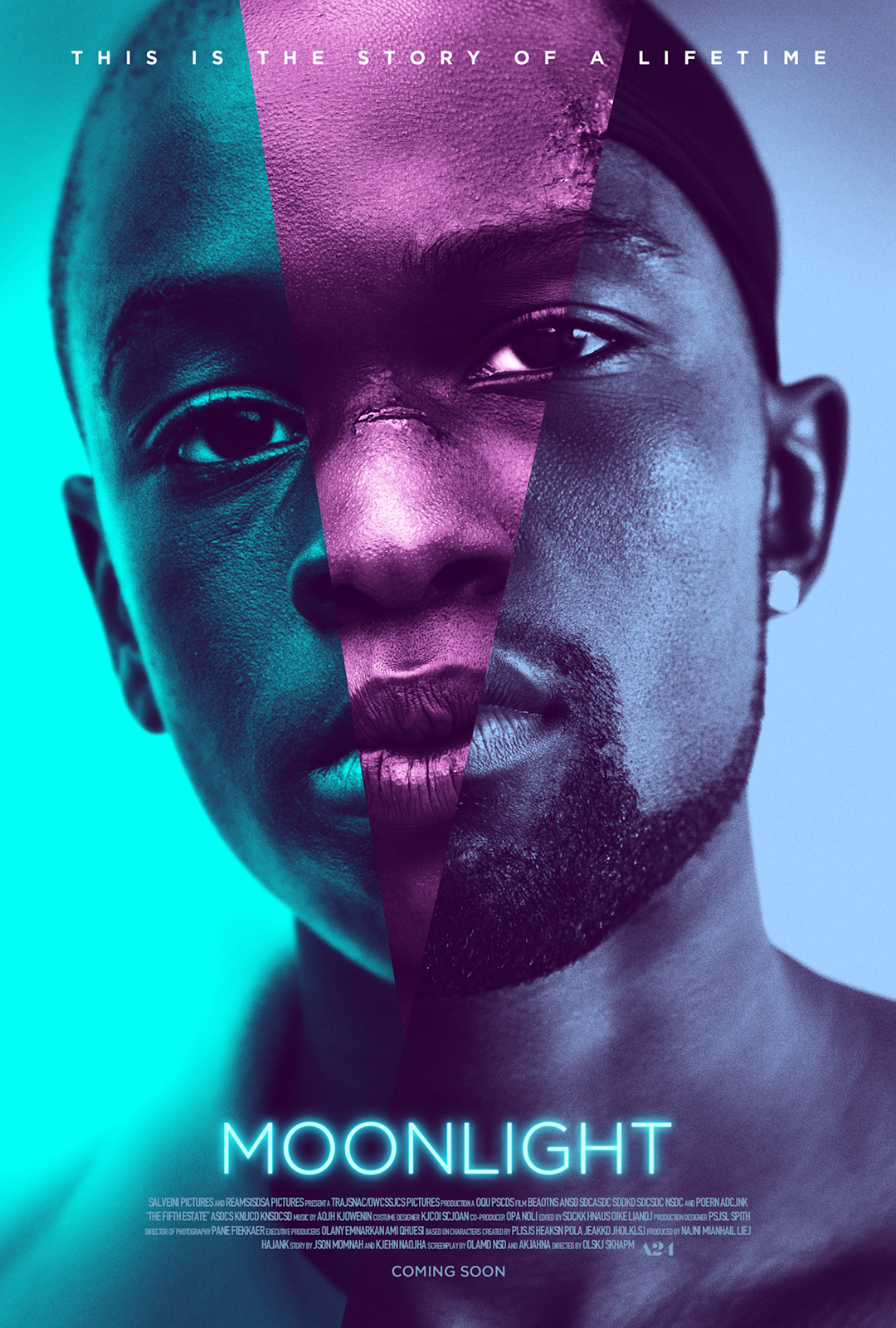
Speaking more locally, Mead has access to myriad resources both online and off to help celebrate and elevate Black Excellence. Kanopy offered a list of Black Lives Matter videos that I wrote about in my last blog post. In addition to that, Kanopy has assembled a list of films highlighting pioneering black filmmakers. This list includes Sweet Sweetback’s Baadasssss Song, which is regarded as the daddy of blaxploitation films. It’s worth a watch as a cultural time capsule as well as a fascinating example of independent film making. If camp and violence are not your style, and you haven’t already seen it, please take advantage of Kanopy’s inclusion of Moonlight, which won the Oscar for Best Picture in 2017. This is easily one of the most beautiful and moving films I have ever seen in my life and I can’t say enough about it.

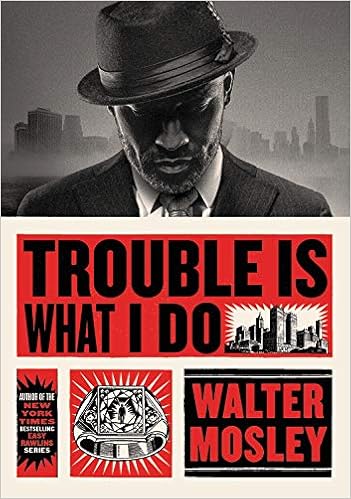
Not in the mood to watch a movie? Hop on to Overdrive, click “Subjects” and select “African American Fiction”. This will lead to a list that can be narrowed down by genre. I love mysteries so I added Walter Mosley’s Trouble is What I Do to my list of holds. Mosley is best known for his Easy Rawlins series, which starts with Devil in a Blue Dress, but the newer Leonid McGill series is fantastic, too. You’ll love these books if you enjoy hard-boiled detective fiction. No matter which is your preferred genre, the list of African-American-penned literature on Overdrive is worth exploring. 

Do you still own a CD player? Mead has a huge selection of music on CD for home use. Pick up Kendrick Lamar’s Pulitzer-Prize-winning album DAMN and see what all the fuss is about. Fear of a Black Planet by Public Enemy came out 30 years ago but remains as vital and relevant as ever. If you’re not familiar with this devastating and, frankly, polarizing album, there is no time like the present to take a listen. More recently, Run the Jewels is the direct descendant of Public Enemy’s socially conscious and politically charged catalog. I love Run the Jewels 2, and 3, but honestly there isn’t a dud in their repertoire. If swear words offend you, oops oh well. Hip hop music is arguably one of the most authentic expressions of the black experience and deserves respect and understanding as an art form. Did I mention Kendrick Lamar won a freakin’ PULITZER PRIZE???

Want to go to church without leaving the house? Get a copy of Aretha Franklin’s Amazing Grace IMMEDIATELY. It was filmed over two days at the New Temple Missionary Baptist Church in Watts, Los Angeles in January 1972, but was only released on DVD for the first time last year. Aretha is backed by Reverend James Cleveland and the Southern California Community Choir to devastating effect. If you can watch the title track and not tear up a little bit I assert you are an inhuman robot not in possession of a soul.

Obviously, I am not an authority on the above art forms and only really scratched the barest surface. My appreciation for authors, musicians, and film makers of color only grows because I intentionally seek out diverse media-makers. Black Excellence is not hard to find once one starts looking for it, and I can only hope my post encourages fearless exploration outside white comfort zones.

I would love to hear from you. Which books, music, and movies by black makers are you excited about? Do you need help using Overdrive, Kanopy, or any other Mead virtual resource? Drop us a line: publicservices@meadpl.org. I’m wishing everyone a happy Juneteenth and a fruitful journey toward anti-racist allyship and true racial equity.

Posted in Adult, Film, Nonfiction

Anti-Racist Resources on Kanopy

Ask most people and they will tell you they are not racist. Perhaps you’ve seen this Angela Davis quote floating around social media lately: “In a racist society, it is not enough to be non-racist, we must be anti-racist.” But what do we mean when we say “anti-racist”? Anti-racism is acknowledging the oppression of people of color while engaging in the active fight against that oppression. We’ve all watched anti-racist action over the past week take the shape of world-wide protests against the continued disproportionate abuse of black bodies by American law enforcement officials. It’s harrowing, inspiring, confusing, emotional, and polarizing. The protests are already proving invaluable to drive change for equality among lawmakers.
 
So, maybe you’re not ready to join in a public protest. Maybe you have questions about what it means to be an anti-racist ally in the fight against oppression. The good news is, educating yourself is an important facet of anti-racism. If you’re not ready to dive into the work of Ibram X. Kendi, or Robin DiAngelo, fear not. Once again, my favorite video-streaming service, Kanopy, is here with the goods. A curated collection of movies and series related to Black Lives Matter is linked on the Kanopy home page. It’s a fabulous list, but it’s also overwhelming. Below, I listed four films and series that will help you start or continue your journey towards anti-racist allyship.

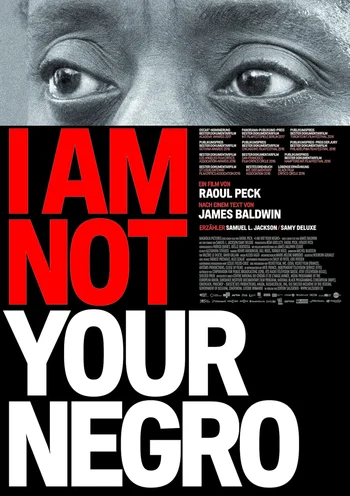
I am Not Your Negro (2017; Directed by Raoul Peck)

James Baldwin died in 1987, but his words still ring true 30 years later. Narrated by Samuel L. Jackson, this Oscar-nominated documentary examines Baldwin’s last and unfinished book project by connecting the Civil Rights movement of the 1960s to the present-day Black Lives Matter movement. James Baldwin is one of the finest minds of the 20th century and watching him speak is hypnotic. Baldwin is a really important and moving author, so getting your hands on his work is beyond worthwhile. Take a look at his work available through Monarch HERE. Reading The Fire Next Time and Go Tell It On the Mountain were pivotal moments in my own anti-racist journey when I was going through college. Don’t have internet access? Get a copy of I am Not Your Negro on DVD HERE

America After Ferguson (2014; directed by Max Schindler and featuring Gwen Ifill)

I love Gwen Ifill. She is one of the smartest people working in news broadcasting today, so I was pleased to see America After Ferguson, which she hosts and moderates, available on Kanopy. This is a great starting point for people who are curious about Black Lives Matter but don’t know where to begin gathering information. 

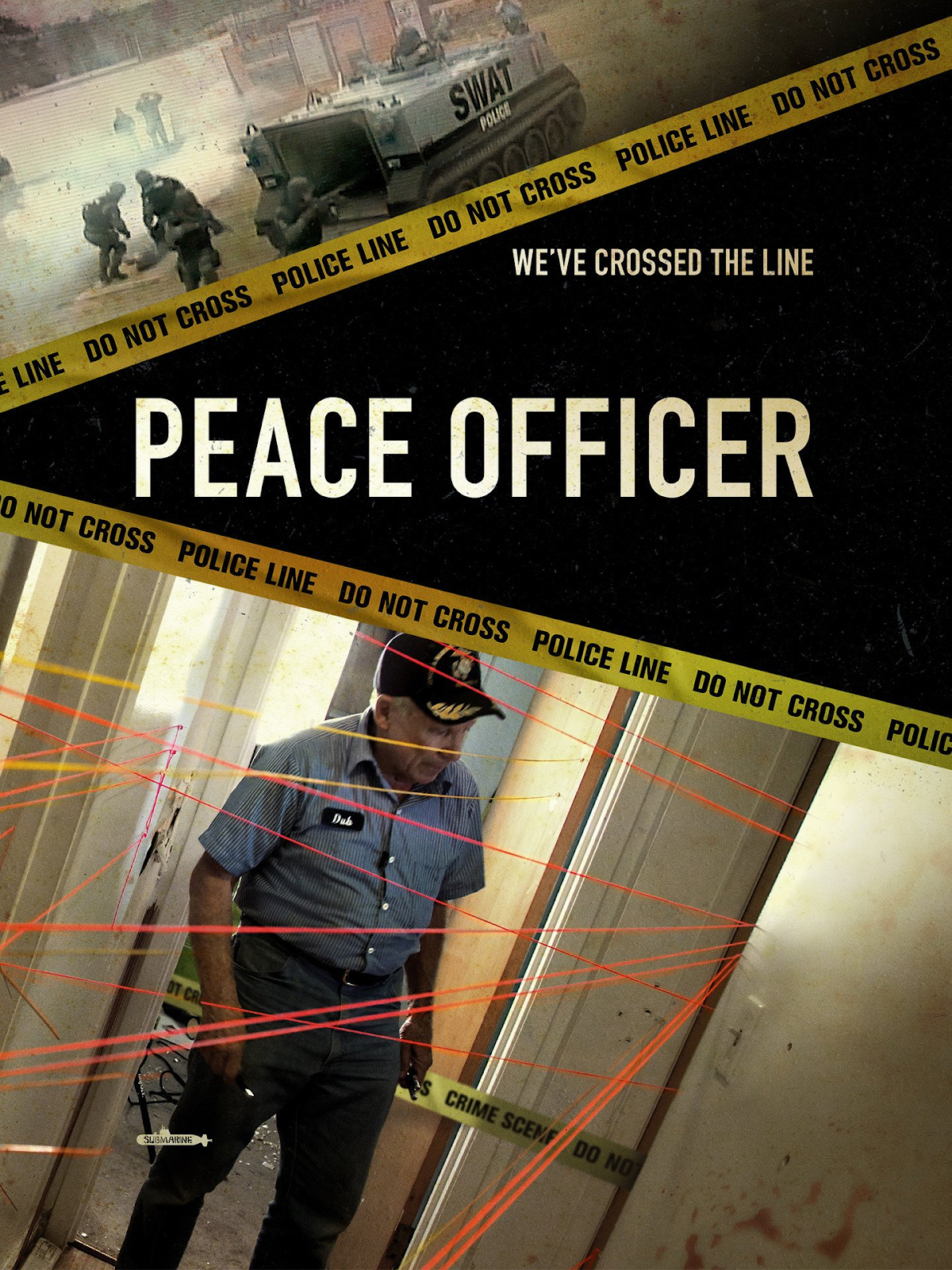
Peace Officer: The Militarized State of American Police (2015; directed by Brad Barber and Scott Christopherson)

This film centers around the life and work of retired law enforcement official William “Dub” Lawrence, the founder of modern SWAT teams. His son would eventually be shot to death by a SWAT team 30 years after their inception. Lawrence’s subsequent investigation into the incident and others like it leads him to believe the death of his son, and so many other SWAT victims, were preventable. Watch this if you want to learn more about the alarming militarization of American police and why it has created a deadly disconnect between law enforcement and our citizenry.

Copwatch: An Organization Dedicated to Filming the Police (2017; directed by Camilla Hall)

Who polices the police? This documentary examines the reactionary formation of WeCopWatch, which sprang-to hot on the heels of the unjust deaths of Freddie Gray and Michael Brown. Director Camilla Hall describes her film as “a plea for humanity. A plea to look out for each other; to look out for your neighbor. To not walk by when something terrible is happening to somebody else and taking that active decision to look out for one another.” Watch this to get a deeper sense of the sorrow and anger people feel on a national level while trying to hold law enforcement officers accountable. 

Honestly, these picks will probably make you uncomfortable. They will probably bum you out. Racism and inequality SHOULD make you feel uncomfortable. Learning anti-racism is an ongoing, fraught process. You’ll make mistakes and sometimes feel like garbage and that is okay. I would love to hear which Kanopy-curated BLM material you have been watching, whether you have found it enlightening, and why or why not. Feel free to reach out to me at publicservices@meadpl.org. And remember, we are always here to help you find the high-quality literature, articles, and other media you will require on your anti-racist journey.

Posted in Adult, Film, Staff Picks

The Criterion Collection on Kanopy

Welcome back to “What Has Molly Been Watching on Kanopy Lately”. This week not only am I going to encourage every Mead Library card holder to get in on the Kanopy action, I am going to encourage one to get artsy with it by exploring the Criterion Collection titles specifically.  

So, what is the Criterion Collection, anyway? Founded in 1984, the Criterion Collection was created as a collective dedicated to preserving important film from around the world. As of now, Criterion boasts editions for over 1,400 films ranging from the dawn of the medium in the early 20th century to contemporary 21st century pictures. The editions they produce represent the best possible image quality and tend to include killer bonus content. You can check out their webpage HERE.

Kanopy offers 50 titles from this prestigious collection for your viewing pleasure. Below, I listed 4 of my particular favorites. 

Ikiru (Directed by Akira Kurosawa; 1952)

This is a real one, right here. Kurosawa’s best known films like Yojimbo, Rashomon, and The Seven Samurai (the latter two are also available on Kanopy), tend to be in the vein of flashy epic dramas. Ikiru’s power lies in its pure and assured performances as well as in its relatably mundane plot. Ikiru, which translates as “to live” is the story of middle-aged bureaucrat Kanje Watanabe finding purpose and meaning in the face of an indifferent world. His wife has passed away and his daughter and son-in-law care more about Watanabe’s pension than the actual man who is earning it. When a stomach cancer diagnosis gives him a year to live, Watanabe realizes it is not too late for him to do something that matters. This leads him to focus on helping a nearby neighborhood lose a cesspool and gain a playground. This film is so beautiful it hurts. Watch it late at night with someone you love, if possible, and hug them with all your might. If this picture grabs you, please also see Tokyo Story (1953) directed by Kurosawa’s great contemporary Yasujiro Ozu, also available on Kanopy. 

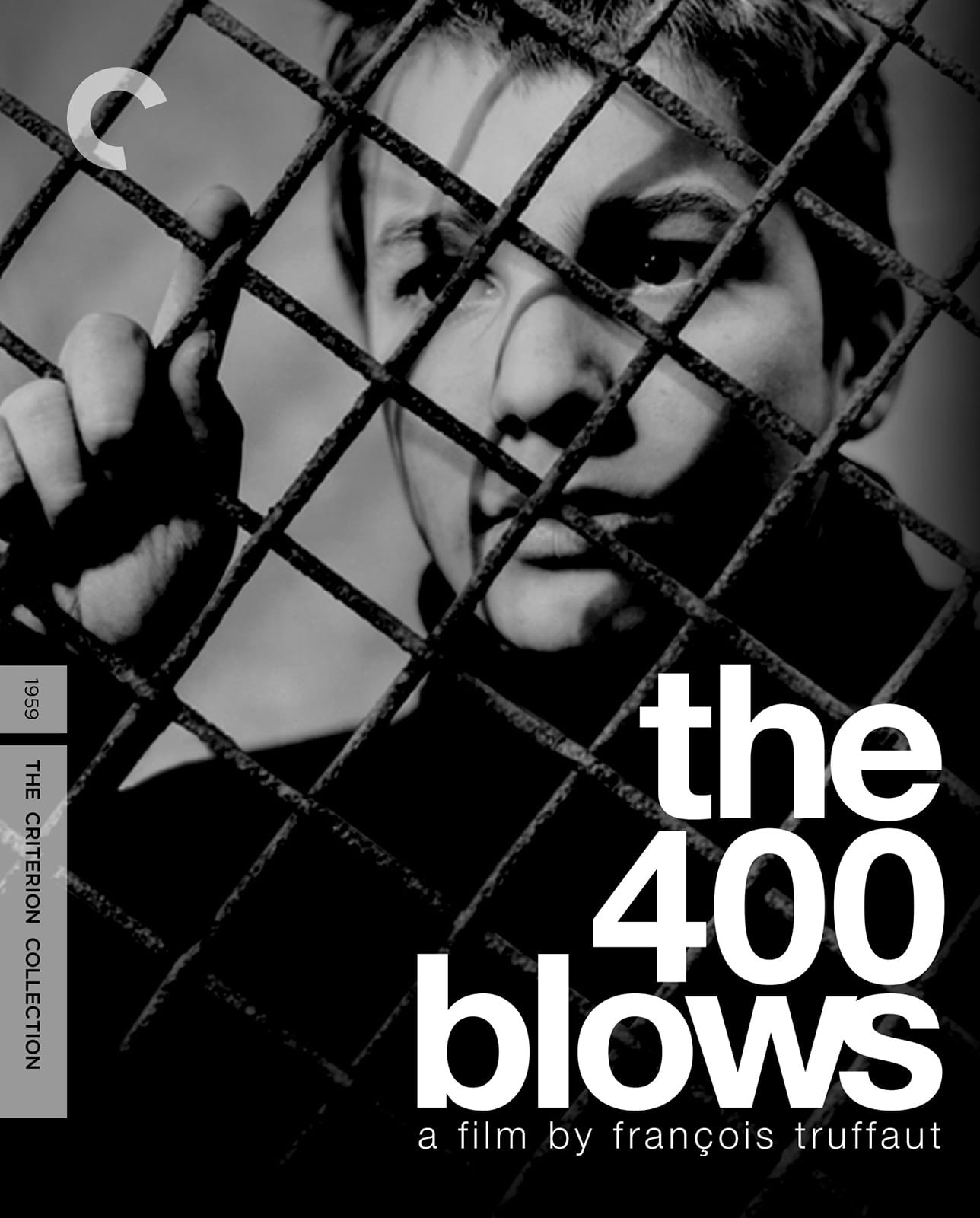
The 400 Blows (Directed by Francios Truffaut; 1959) 

This is the film most people think of first when they think French New Wave Cinema. In fact, one might argue that the film’s director, François Truffaut, is the movement’s most important founder. French New Wave Cinema was characterized by naturalistic, often improvised dialogue and lots of shaky-cam jump cuts. In fact, Truffaut used footage directly from his lead actor’s audition reel in the finished movie. The story is almost embarrassing in how personal it feels and gave me the same feeling I get when I read The Catcher in the Rye, which was published around the same time. If you want to be a cool film guy, you need to watch French New Wave. Kanopy also offers several films by New Wave heavies Jean-Luc Goddard and Claude Chabrol.

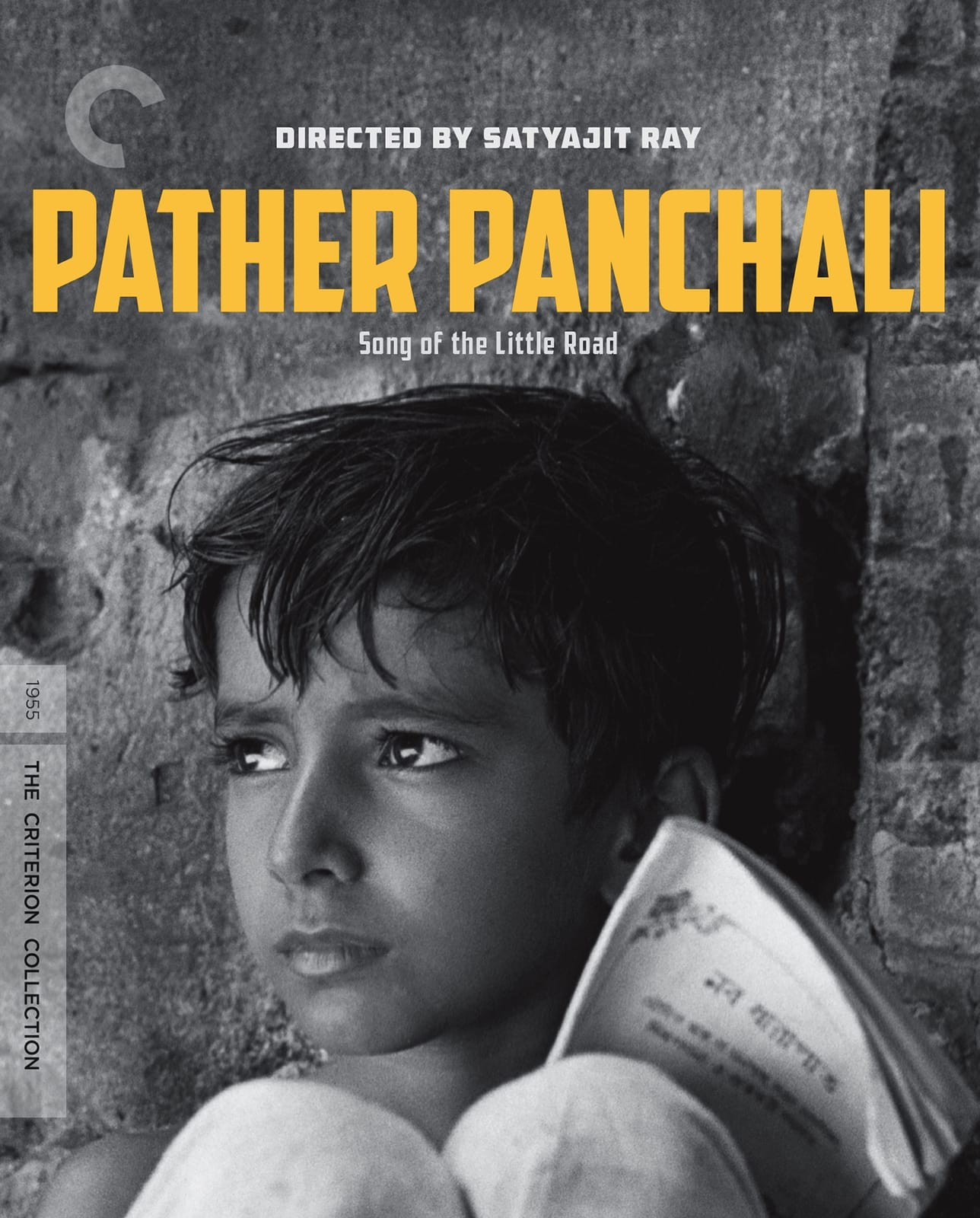
Pather Panchali (Directed by Satyajit Ray; 1955)

Let this quiet, gorgeous treat of a film transport you to a completely different time and place, outside Calcutta in the 1910s. The director relied on amatuer actors and improvised dialogue throughout the film to great effect. For instance, the actor playing young son Apu is possibly one of the most darling children ever committed to celluloid. And one can practically hear the wizened old auntie’s bones creak, she’s so old and bent over crooked. These are two members of an impoverished rural family we follow over the course of several years. They live in a crumbling ancestral home and subsist on the meager wage earned by the patriarch. The defining scene of the movie comes when Apu and his older sister, Durga, run away for an afternoon to see the train whose whistle delights them in the evenings. When they walked through tall grass together and shared a piece of sugar cane I felt nostalgia for a moment I never experienced. It reminded me how the best cinema should make us feel the big feelings that define what it means to be human.

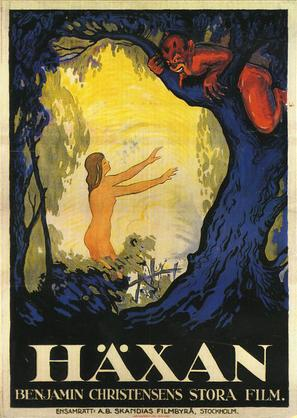
Haxan (directed by Benjamin Christensen; 1922)

Talk about what’s old is new again! This OG work of docutainment is based on the director’s personal study of the Malleus Maleficarum, a 15th century inquisition manual. Over the course of 4 parts, Haxan warns against the dangers of mistaking mental illness for deviltry and starting a false witch-hunt. If that concept isn’t already appealing enough, upon its release in 1922, Haxan was widely banned for various content reasons including but not limited to torture, nudity, and other sexually explicit scenarios. While the “educational” or narrative thrust of the picture is shaky l promise you, the nightmare scenes are coo-coo bananas and satisfying to watch in a way that I don’t know how to replicate. MMmmaaaaaaybe steer clear of this one if you don’t find satanism to be as campy and fun as I do.

I hope this sparks some interest in exploring the Criterion Collection portion of Kanopy. Also, I would love to hear which films you’ve been loving and hating best. Call 920-459-3400 to tell me all about it, or for any other library assistance. Stay safe and keep watching good cinema!

Posted in Adult, Film, Staff Picks, Teen & Young Adult

Kanopy, Take Me Away From Here

People often assume I love books more than anything given my field and profession, and they aren’t wrong! I love books, so, so much. I love books like they’re alive. But my go-to vehicle for escapism has always been the warm embrace of film. If you haven’t sought out Mead’s video-streaming service, Kanopy yet, now is the time. Mead Library card holders get 10 credits a month and access to a staggering array of film across all genres. In addition to that, the “no-credit” viewing list has risen to 60 titles to meet our needs during the most leisurely pandemic ever. Below, I listed four movies to keep you entertained while we ride this stuff out.

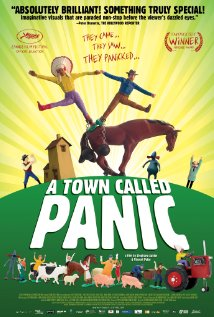
A Town Called Panic (2009; 76 minutes; PG)
Sometimes I get envious of people when I find out they haven’t consumed my personal favorite movies. They get to have the experience of seeing it for the first time, and I can never feel that feeling again. Please watch this movie, I implore you. Y’all are in for a treat. Not only is it beautiful to look at and very charming, but it is outright hilarious and wildly creative. This is stop-motion animation at its most absurd and watchable. I’m so confident in its appeal that I am not even going to go into any sort of plot summary. It’s a French production, so make sure to watch with original French subtitles. Kids will dig on it, too! With or without subtitles. 

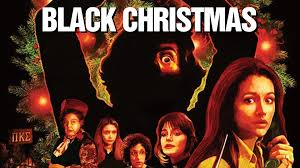
Black Christmas (1974; 1h 38m; R)
Why yes, this was recently remade and no, you absolutely should not watch the remake. For those of you who do not dig on horror, by all means skip right the heck over this entry. Not only is Black Christmas an early prototypic slasher movie often copied in tone a decade later in the likes of Halloween and Friday the 13th but it is genuinely creepy! Originally released under the title “Silent Night Deadly Night”, we watch as one by one, members of a sorority succumb to the creep living in the attic. You may be surprised to learn that Bob Clark, the film’s director, would go on to direct A Christmas Story so he really had all the Christmas-themed genre films locked down by the early 1980s. This is a great pick for someone who is curious about horror but can’t handle too much gore. Also, it’s a good idea to wait until the wee ones are elsewhere before giving it a look. 

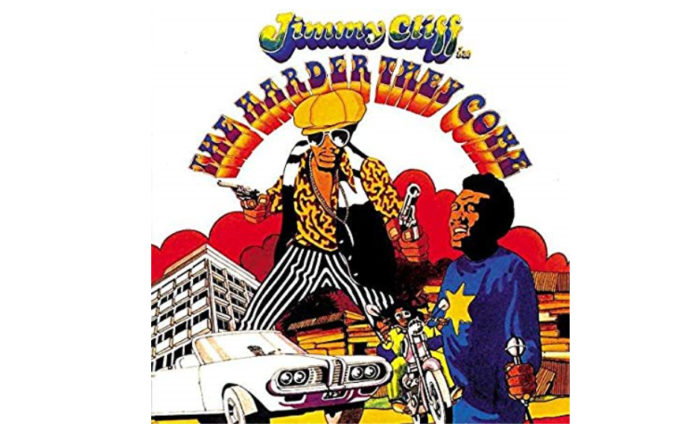
The Harder They Come (1972; 2h; R)
The plot is convoluted, the acting is terrible, the cinematography is eh, so why bother? This is the king of 1970s exploitation films and warrants a peek. And have I mentioned the soundtrack? Talk about escapism, it’s like sitting by the beach, you just need to stick a tiny umbrella in your drink. The film’s protagonist, played by Jimmy Cliff, is trying his best to get a recording contract while running afoul of drug dealers and corrupt record producers. Naturally, the soundtrack is peppered with the best reggae music and artists of the time. Only one other exploitation film comes close in musical quality and that is the immortal soundtrack to Superfly (also 1972), by Curtis Mayfield. I would not necessarily call The Harder They Come “lighthearted” but it is so far afield in location and time that one will be transported, if only briefly, to a place far from the realities of COVID. 

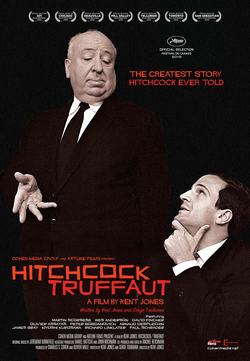
Hitchcock/Truffaut (2015; 80m; PG-13)
While the film was released in 2015, it is based on a series of interviews conducted by Truffaut over the course of a week in 1962 at Hitchcock’s studios at Universal. The interview series would go on to be published in 1966 as a book of the same name, and is still considered one of the most important books on film published in the 20th century. Psycho (1960), North by Northwest (1959) and Vertigo (1958) had already reached the big screen at the time of the interviews, and Rebecca won for Best Picture in 1940, but Hitchcock was still not regarded as the important auteur we know him as today. Truffaut, himself a young filmmaker, idolized Hitch’s work and used the interview time to go through all of his more than 50 films to date in chronological order with almost fetishistic zeal. The addition of interjected commentary by contemporary filmmakers fleshes out the scope and gravity of what Truffaut accomplished. WARNING! This documentary will make you want to watch Hitchcock’s entire filmography so be prepared. It might also make one curious about the work of Francois Truffaut. If this is the case, I have good news. My next Kanopy-centric blog post will focus on Criterion Collection titles available, which includes but is not limited to Truffaut’s The 400 Blows. Stay tuned! 

I would love to hear which films people have found appealing, and which…not so much. Let me know! Email me at publicservices@meadpl.org. I would truly love to hear some opinions and suggestions. We’re happy to help with any Kanopy-related questions, as well. Until next time, happy watching!

-molly

Posted in Adult, Film, Staff Picks

Credit-free Viewing on Kanopy

By now, many of us have been (should have been) sheltering in place for a few weeks. If you are anything like me, it has been a crash course in staying sane and staying entertained. My favorite form of escapism has always been film so I was thrilled when Mead acquired access to Kanopy last year. To the uninitiated, Kanopy is a video streaming service available to anyone with an active Mead library card and internet access. Here’s where you can find it: https://www.meadpl.org/streaming. Similar to Hoopla, users receive 10 viewing credits each month. I burned through my credits in March watching a very soothing film documentary series called The Story of Film: An Odyssey. It’s narrated by this smartypants film scholar with an Irish accent and man, was that ever a balm on my soul. If you like film history I highly recommend it. But what does one do when all the credits get used up? Not to fear, Kanopy has compiled a list of credit-free movies to help get us through this weird moment in history. Right now, the list is up to 54 titles. Here are my favorites, so far:

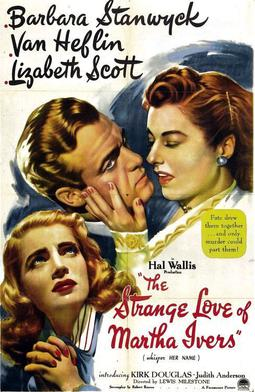
The Strange Love of Martha Ivers (1946; starring Barbara Stanwyck and Kirk Douglas)

Melodrama! Cruel aunts! Femmes Fatale! Murder! Obsessive love! This movie has it all. Stanwyck is at her sharp-as-nails best while Kirk Douglas plays against type as her alcoholic weakling husband. They seem an ill-suited match, so why are they a couple at all? The dark secret that binds them together is unraveled in satisfying film noir style over the course of this two hour movie. If you love films like Double Indemnity, Laura, and Rebecca, you will likely enjoy The Strange Love of Martha Ivers

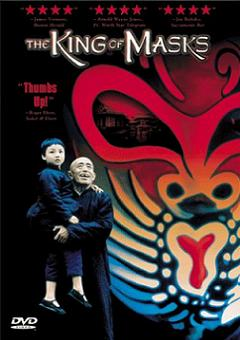
The King of Masks (1996; directed by Wu Tianming)

Aging street performer Wang is a master of bian lian, a form of opera that involves lightening-fast mask changing. He longs for a son to teach his trade to, which leads him to purchase a young boy from an illegal child market. When Wang’s new “son” admits that she is actually a girl, a story is set in motion that demands Wang re-examine what he values most in life. Simple and solemn performances coupled with crisp, beautiful cinematography made The King of Masks a joy to watch. This gorgeous character-driven film won the Golden Rooster, or Chinese Oscar equivalent, in 1996.  If you enjoyed the dynamics present in Paper Moon (1973), Mask (1985), or even The Bad News Bears (1976), you will probably enjoy The King of Masks.

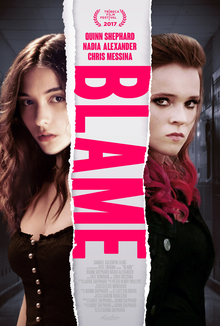
Blame (2017; Written, directed, and starring Quinn Shephard)

This is NOT your typical teen comedy romp! While it shares some thematic similarities to mainstream hits like Easy A, do not expect light-heartedness or a pat ending. Protagonist Abigail returns to her high school after a 6 month stay in a psych ward. Why was she there and why does she dress like a 1950s holdover? Abigail soon develops a rivalry with an edgy girl for the attentions of their attractive English teacher. Told with increasing paranoia and dreamy creepiness, Blame parallels the elements of stage plays like The Crucible, to great effect. The unease is palpable and I found myself getting more and more tense as the movie wore on. Although Blame has an MPAA rating of PG-13, one might want to wait until the little ones are in bed before giving it a spin.

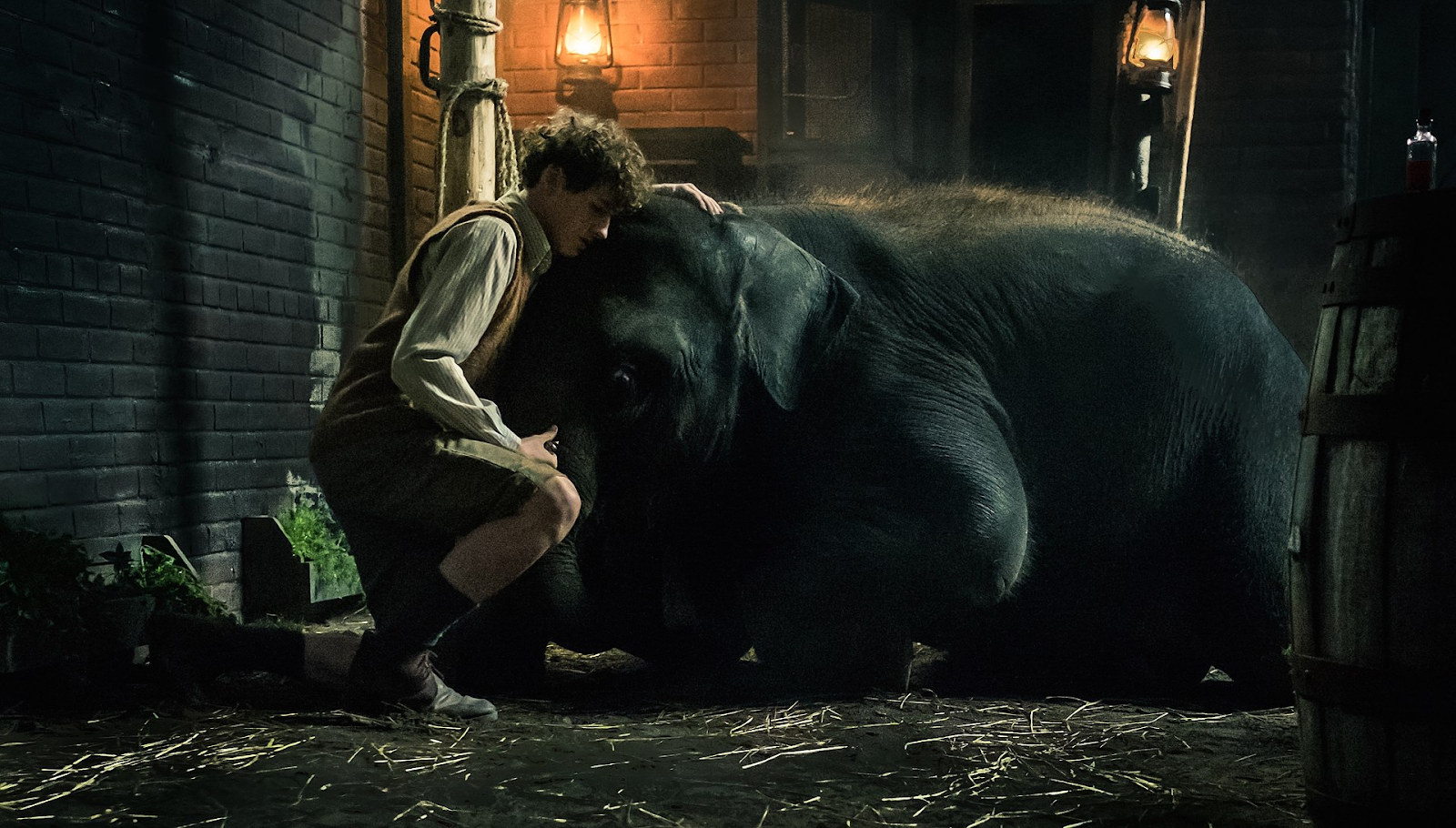
Zoo (2017)

Not to be confused with the 2018 zombie movie of the same name, this picture is the complete escapist package, even though the story is grounded in true events surrounding Luftwaffe attacks on Belfast. A group of children take it upon themselves to rescue a baby elephant from execution when soldiers are ordered to shoot dangerous zoo animals lest they escape their enclosures due to bombing. This movie made me laugh and cry so many times I lost count. It is joyous and tense and heartbreaking and unlike Blame, this big-hearted movie is great for the whole family. 

The above four films only begin to describe the depth and breadth of films made available for credit-free viewing on Kanopy. I frequently found myself outside my comfort zone, and getting rewarded for it in the end. There are so many more great films on the list that I am looking forward to exploring. What are your favorite credit-free movies so far? I would love to know. Write me at publicservices@meadpl.org with your picks. Use this email if you have any questions or difficulties accessing Kanopy, as well. Happy watching! -Molly