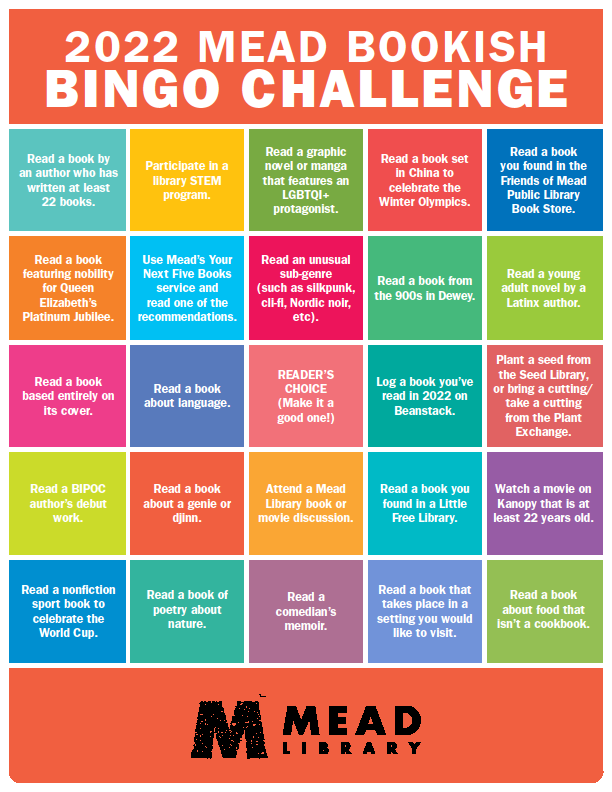
New year, new books, amiright? While I don’t do New Year’s resolutions, I love to make a reading resolution. There are many ways to go about resolving to read. Personally, I’m a Goodreads Book Challenge kinda gal. All one needs to do is pick a number and try to read that many books in a calendar year. For those who crave more structure, Mead’s Bookish Bingo Challenge is a great way to get creative with your reading list and get out of a reading rut. Mead’s reading challenge is a good fit for people who struggle with deciding what to read next or for people who enjoy reading books that might fall outside of their comfort zone. Here’s how to play Mead’s Bookish Bingo Challenge 2022: Print a bingo card HERE or come into Mead and pick one up at the first or second floor desk. One title can be used to cross off one square. Once you complete your Bingo – down, across or diagonal – please submit your card to publicservices@meadpl.org or in-person at Mead Public Library to receive a small prize and an additional entry in the Summer Library Program drawing for your first Bingo. If you complete the Bingo card, and submit it by December 31, 2022, you will be entered into an additional drawing for a surprise gift.
I present to you Mead’s Bookish Bingo Challenge 2022 card:
Pretty sweet, huh?
Key of Terms BIPOC = Black, Indigenous and People of Color LGBTQIA+ = Lesbian, Gay, Bisexual, Pansexual, Transgender, Genderqueer, Queer, Intersexed, Agender, Asexual, and Ally community STEM = Science, Technology, Engineering, and Math
Check back with the Mead Blog throughout the year to get suggestions and encouragement on how to complete a square. Do you like the idea of a reading challenge, but aren’t too crazy about the one we provided? Please take a moment to check out the intense array of reading challenges found throughout the internet HERE and HERE.
As always, we are eager to help you connect with the library material you need, from bingo square to book report. Reach out via call, chat, email, or in-person for book picks, research help, etc. Let’s make it a great year of reading and meeting our goals, perhaps at the same time!
Well, it certainly has been a bit of a year, hasn’t it? While things were a little too pandemic-y and censorship-y around the country to make this year a pleasant one to remember, I do not think it was completely without merit. Take, for instance, reading challenges. More specifically, Mead’s Bookish Bingo Challenge, that, when complete, makes the player eligible for FABULOUS PRIZES. Readers still have until the first week of January to submit their bingo cards at the first floor desk. Those who completed a row across, down, or diagonally will receive a stylish and useful Mead tote bag. In addition to this, those who were able to complete the entire card will be entered into a drawing for $50 Chamber Cash. Wow! Talk about fabulous!
Above: Mead’s Bookish Bingo Challenge bingo card. Download and print your own HERE.
Did you miss the bingo boat this year? Do not despair. You have a couple options. The first of which is to engage with Mead’s Bookish Bingo Challenge 2022 for a whole new year of challenges to complete.
The second option is to spend the next two holiday weekends completing at least one row of the bingo card. Here’s how I would do it:
Top row middle: Read a Book Recommended by the Staff on the MPL Blog
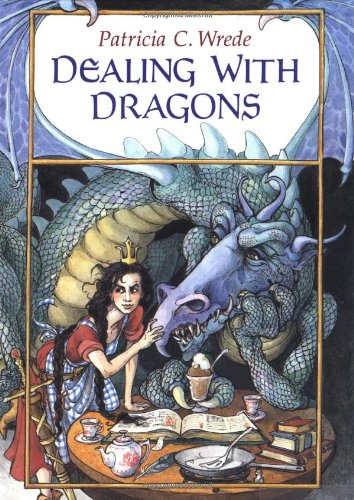
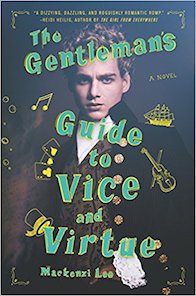
Mead staff has been posting book, movie, magazine, website, and more, recommendations for roughly the past three years. Books for all ages, really. Many to choose from and many of which can be read in one easy sitting. No one will fault you for reading a book from a post about children’s books. If you feel like this is cheating (it’s not; children’s lit is worthy and excellent), certainly no one will fault you for reading a book in audio form while you finish last minute holiday preparations around the house or drive to and from work, etc. I would listen to something with a full-cast reading like Dealing with Dragons by Patricia Wrede or maybe the highly-acclaimed The Gentleman’s Guide to Vice and Virtue by Mackenzie Lee, both of which were blogged about by yours truly a couple years ago. Super fun series, honestly.
Second row middle: Read a Book that is Connected to the Winter Solstice
Greenglass House by Kate Milford
Hmmm, if only there were a holiday, or several holidays, that landed on or around the Winter Solstice. What I am getting at, and what you may have gathered from my advice about the first square, is that reading challenges are a perfect opportunity to bend some rules. Greenglass House by Kate Milford takes place over a boy’s winter break. It’s a snowed-in mystery that, while not specifically about the Winter Solstice, is definitely solstice-adjacent. Get creative. Is the book set in winter? I bet you could shoehorn that thing into this bingo square.
Third row middle: READER’S CHOICE!!!!!!!!!
Okay, is THIS cheating? It is not. Any book you read gets this square crossed off the list. May I humbly suggest a little Murderbot?
Fourth row middle: Read a Magazine on Overdrive/Libby
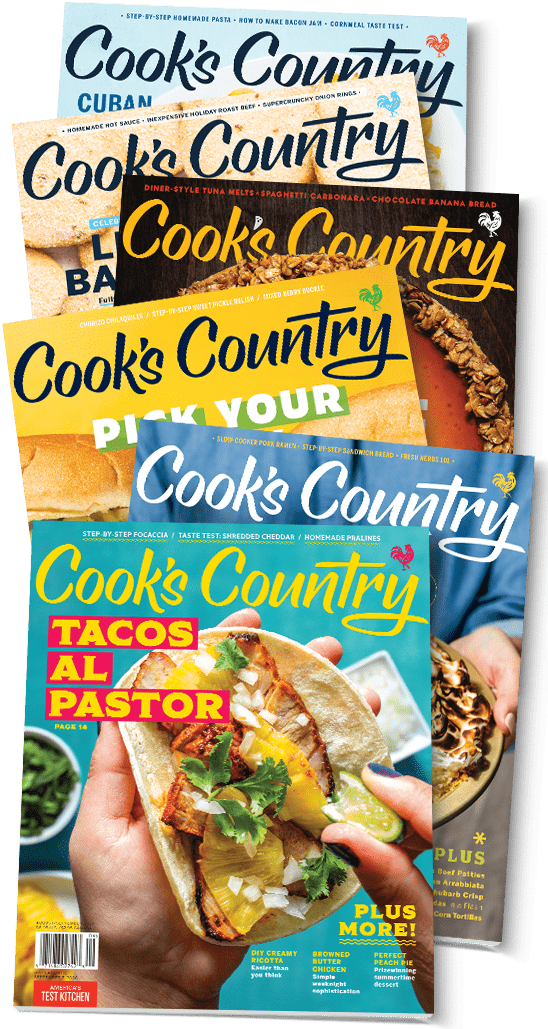
Our 2021 reading challenge saw some changes to Mead services over the course of the year. Primary of these to effect Bookish Bingo was the absorption of RB Digital into Overdrive/Libby. RBD used to be the place to check out e-magazines and audiobooks until mid-2021, so if you read your magazine there, feel free to mark off the square. Latecomers should head to Overdrive/Libby. I really dig on America’s Test Kitchen so I would probably read an issue of their Cook’s Country magazine.
Fifth row middle: Watch a Film with Subtitles on Kanopy
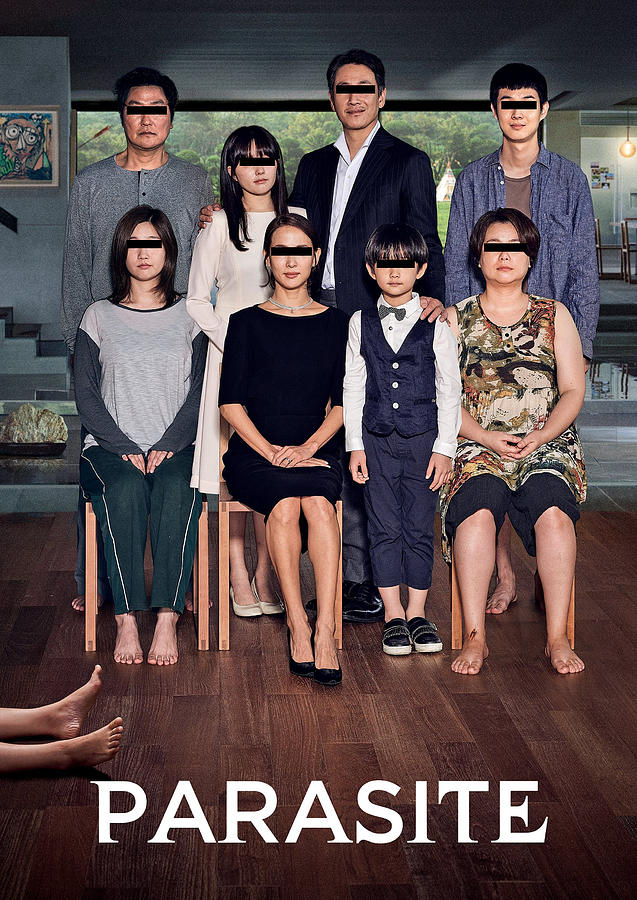
Kanopy can be accessed anywhere you have an internet connection. I use the Roku app and it’s pretty slick. To find the film with subtitles, head to “Browse” and then select “World Cinema”. Watch Parasite (2019) if you haven’t yet because buddy, you are missing out.
Everyone at Mead hopes everyone reading our blog enjoyed participating in this inaugural reading challenge. What were your favorite squares? What were the most difficult? What do you wish we would do differently? Click HERE to download your last-ditch 2021 bingo card and stay tuned for access to the 2022 edition. Please do not hesitate to reach out for help troubleshooting tech stuff, for last minute book recs, or anything else, really. Enjoy the holiday season, and to those of you attempting to complete a bingo row over two holiday weekends, best of luck, you can do it!
What even is a manifesto? The very boring dictionary definition of manifesto is “a public declaration of policy and aims, especially one issued before an election by a political party or candidate”. For further clarity, I learned this derives from the Latin manifestum which means “clear or conspicuous”. So basically, if one publishes a manifesto, one is clearly defining their stance on some topic for public consumption. For me, the word “manifesto” immediately conjures images of the Unabomber wanted poster, and of Valerie Solanas, who infamously shot Andy Warhol during a dispute over her proto-feminist SCUM Manifesto. In more recent years, spree killer Elliot Rodger left behind hundreds of hours of weblogs detailing why women deserved to die for rejecting him. It seems to me, content being created by violent fringe-dwellers is generally labelled as “manifesto”. This got me wondering if any wholesome manifestos exist, and if so, would one want to engage with them? Below, I listed several library items that contain the word “manifesto” in the title.
But first, I wanted to demonstrate that not all manifestos are impenetrable screeds detailing the evils of technology. In fact, sometimes they exist as simple lists. For instance, here is the 10-point manifesto Frank Lloyd Wright would give his apprentices:
1. An honest ego in a healthy body. 2. An eye to see nature 3. A heart to feel nature 4. Courage to follow nature 5. The sense of proportion 6. Appreciation of work as idea and idea as work 7. Fertility of imagination 8. Capacity for faith and rebellion 9. Disregard for commonplace (inorganic) elegance 10. Instinctive cooperation
Great list, Frank. Love it. Direct, abrupt, to the point, and information-rich. I think if I were walking into an apprentice situation under a living genius, receiving a list like this would be empowering and exciting.
Here are some other manifestos of varying subject matter available in the Monarch catalog that have nothing to do with domestic terror, multiple murders, or the shooting attack of important 20th century artists. Book descriptions sourced from Goodreads:
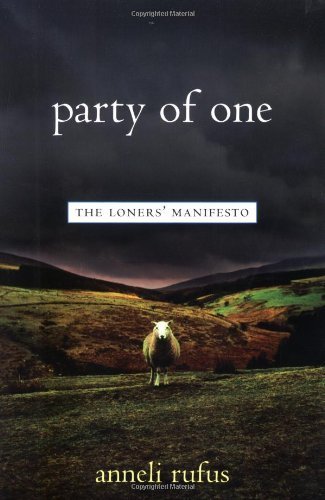
Party of One: The Loners’ Manifesto (2003) by Anneli S. Rufus The Buddha. Rene Descartes. Emily Dickinson. Greta Garbo. Bobby Fischer. J. D. Salinger: Loners, all — along with as many as 25 percent of the world’s population. Loners keep to themselves, and like it that way.
In Party of One Anneli Rufus has crafted a morally urgent, historically compelling tour de force in defense of the loner, then and now.
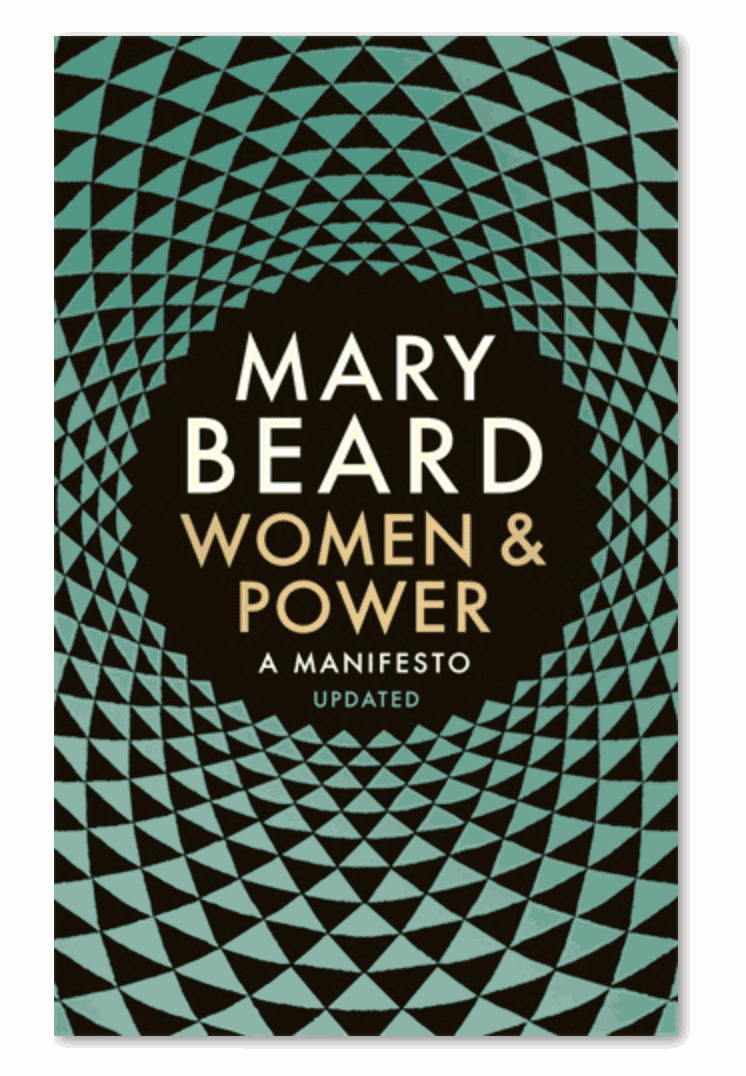
Women & Power: a Manifesto (2017) by Mary Beard In Women & Power, Beard traces the origins of this misogyny to its ancient roots, examining the pitfalls of gender and the ways that history has mistreated strong women since time immemorial. As far back as Homer’s Odyssey, Beard shows, women have been prohibited from leadership roles in civic life, public speech being defined as inherently male. From Medusa to Philomela (whose tongue was cut out), from Hillary Clinton to Elizabeth Warren (who was told to sit down), Beard draws illuminating parallels between our cultural assumptions about women’s relationship to power—and how powerful women provide a necessary example for all women who must resist being vacuumed into a male template. With personal reflections on her own online experiences with sexism, Beard asks: If women aren’t perceived to be within the structure of power, isn’t it power itself we need to redefine? And how many more centuries should we be expected to wait?
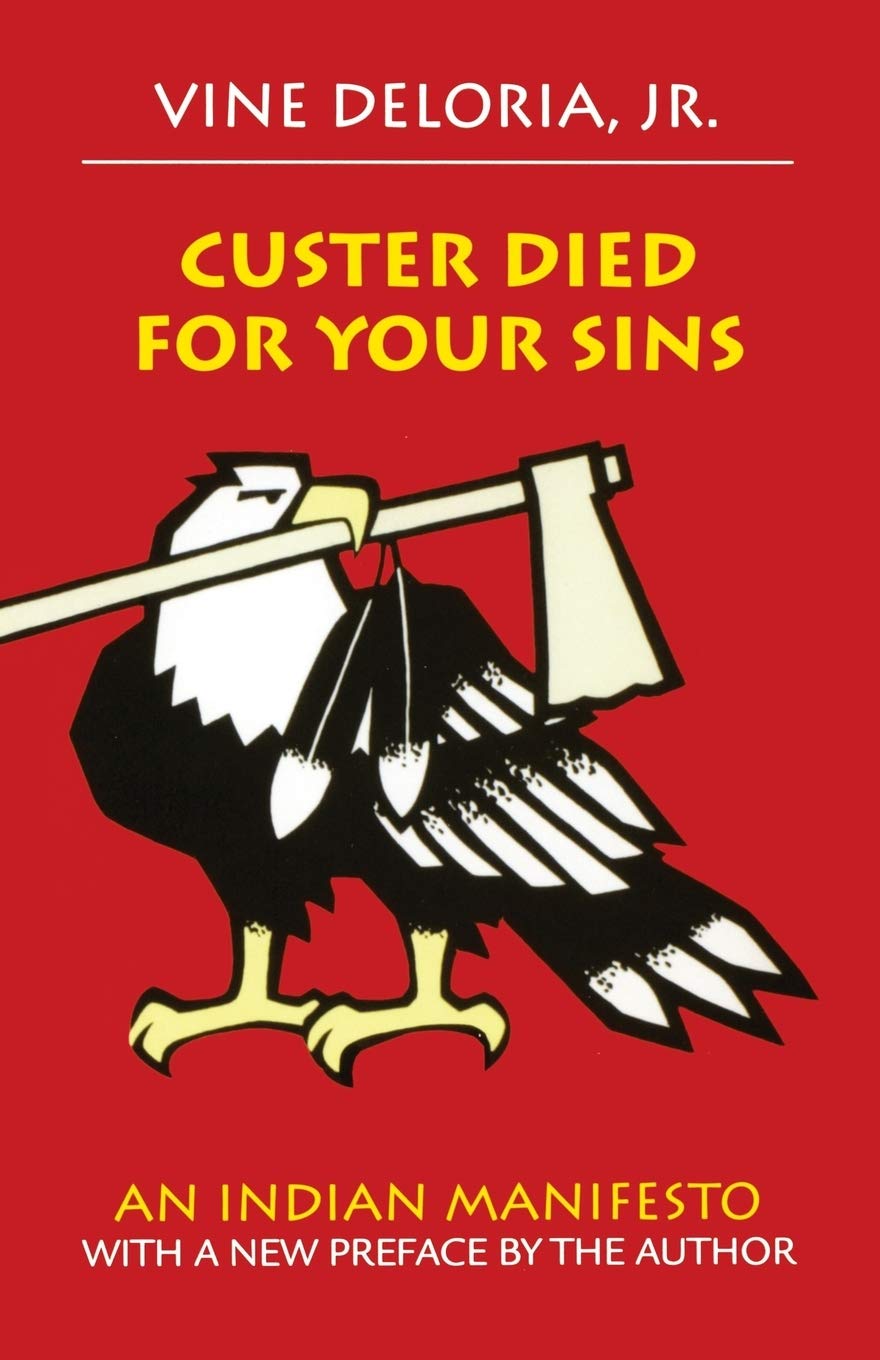
Custer Died for Your Sins: an Indian Manifesto (1969) by Vine Deloria In his new preface to this paperback edition, the author observes, “The Indian world has changed so substantially since the first publication of this book that some things contained in it seem new again.” Indeed, it seems that each generation of whites and Indians will have to read and reread Vine Deloria’s Manifesto for some time to come, before we absorb his special, ironic Indian point of view and what he tells us, with a great deal of humor, about U.S. race relations, federal bureaucracies, Christian churches, and social scientists.
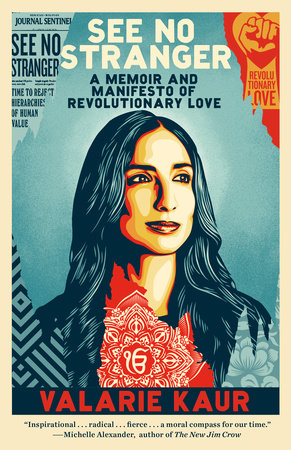
See No Stranger: A Memoir and Manifesto of Revolutionary Love (2020) by Valarie Kaur How do we love in a time of rage? How do we fix a broken world while not breaking ourselves? Valarie Kaur—renowned Sikh activist, filmmaker, and civil rights lawyer—describes revolutionary love as the call of our time, a radical, joyful practice that extends in three directions: to others, to our opponents, and to ourselves. It enjoins us to see no stranger but instead look at others and say: You are part of me I do not yet know. Starting from that place of wonder, the world begins to change: It is a practice that can transform a relationship, a community, a culture, even a nation.
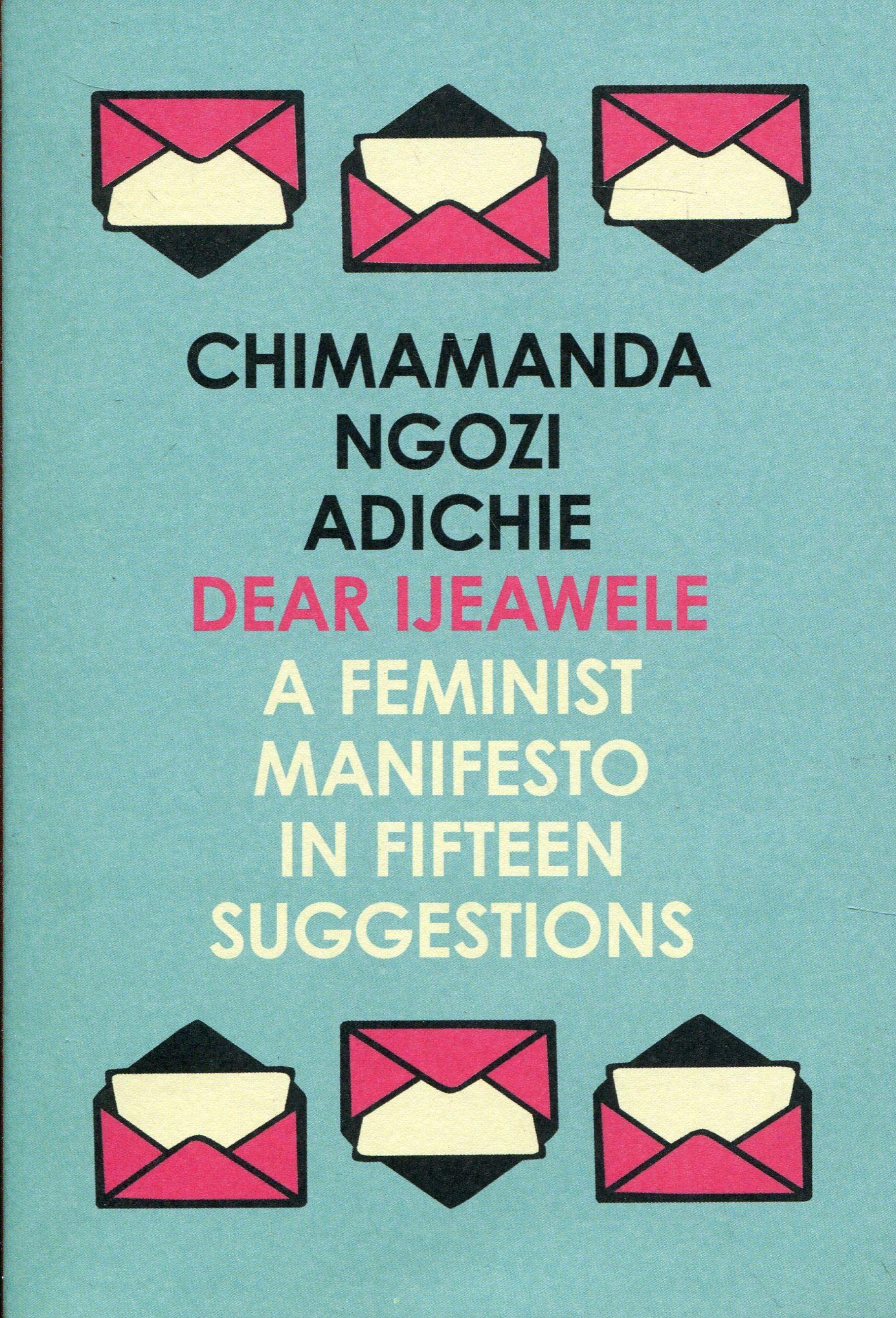
Dear Ijeawele, or, A Feminist Manifesto in Fifteen Suggestions (2017) by Chimamanda Ngozi Adichie A few years ago, Chimamanda Ngozi Adichie received a letter from a dear friend from childhood, asking her how to raise her baby girl as a feminist. Dear Ijeawele is Adichie’s letter of response.
Here are fifteen invaluable suggestions–compelling, direct, wryly funny, and perceptive–for how to empower a daughter to become a strong, independent woman. From encouraging her to choose a helicopter, and not only a doll, as a toy if she so desires; having open conversations with her about clothes, makeup, and sexuality; debunking the myth that women are somehow biologically arranged to be in the kitchen making dinner, and that men can “allow” women to have full careers, Dear Ijeawele goes right to the heart of sexual politics in the twenty-first century. It will start a new and urgently needed conversation about what it really means to be a woman today. See also Adichie’s excellent We Should All Be Feminists, Half a Yellow Sun, and Americanah. Everything she writes glows with intelligence.
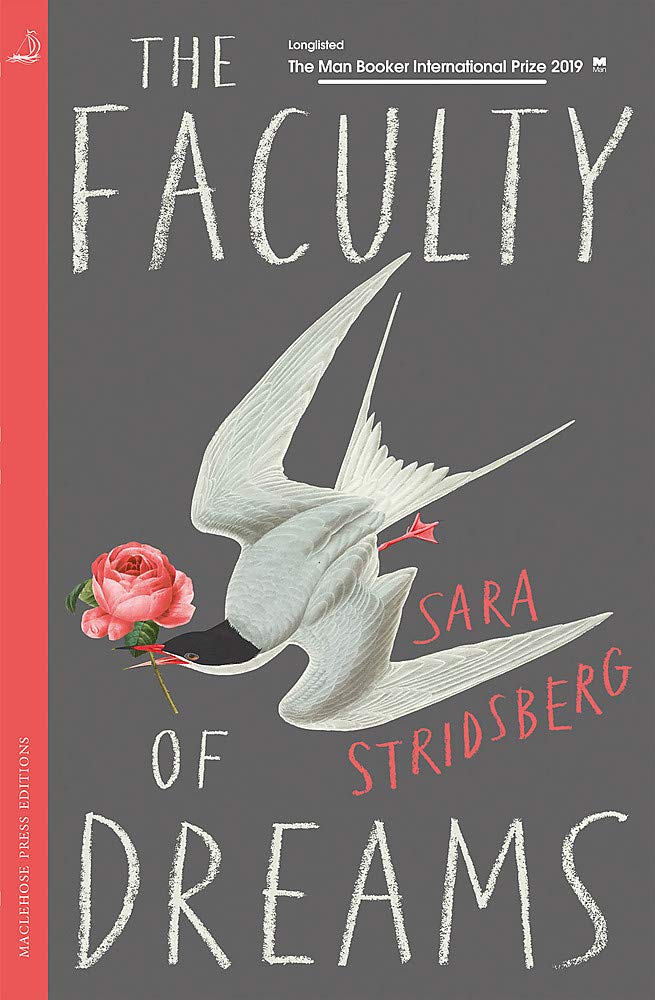
Valerie, or, The Faculty of Dreams (2019) by Sara Stridsberg This is not actually a manifesto, but it IS about Valerie Solanas, who I mentioned at the top. Valerie died alone in squalor at the age of 52. This book included the last of her writing as well as biographical information that frames this strange and tragic woman’s life of struggle with mental illness and addiction, in addition to being an enduing radical feminist icon.
I think I have amply proven that manifestos are as diverse as the people who write them, and most of us are probably walking around filled with enough passion, intelligence, and information to create manifestos of our very own. All of the listed titles are available in the Monarch catalog, often in a variety of formats. Not interested in any of these books or manifestos in general? No sweat, there are people, many people, at Mead Public Library who want nothing more than to take a crack at helping you get the books, movies, and music you are looking for. Reach out for reader’s advisory (book recommendations) by calling (920-459-3400), emailing (publicservices@meadpl.org), or consider using Mead’s Your Next Five Books service.
By now, most of the people in my inner circle have received their jabs so I’m back to having houseguests. My friend B came to town last weekend. We had a lovely bonfire and ate many cheeses. The nicest time was had by all. There was a moment, however, that I managed to astonish and appall my guest with one statement: I Have Never Read A Stephen King Book. In the past my biggest librarian sin was not having gotten around to reading Harry Potter. Relax, I got that covered in 2019 and it was fine. My friend B, as it turns out, is a HUGE King fan and could not believe that someone who is a librarian, avid reader, and horror fan, has not once thought to pick up something by The Master. Folks, my reading list is well over one thousand titles and while Stephen King has for sure cornered a certain portion of the market, would you believe there are literally THOUSANDS of authors cranking out content at any given moment competing for my attention? I do not actively dislike King. His work is often an emerging reader’s first interaction with a “grown-up” book and extrapolates into a lifelong love of reading and learning. His work is not unworthy, just uninteresting to me, specifically. Below, I have listed several horror authors of note for those of you who have run out of Stephen King books (I understand that is nigh impossible) and for people who love King but aren’t sure where to look next for more great horror.
Mira Grant Grant has been churning out some of the most genuinely creepy science fiction/horror for the last dozen or so years. She is preoccupied with various iterations of zombie apocoli and eldritch horrors of the deep. Grant is best known for her Newsflesh and Parasitology series and also writes under the name Seannan MacGuire whose catalog is well worth a look. For Grant, start with Parasite (2013) or Feed (2010).
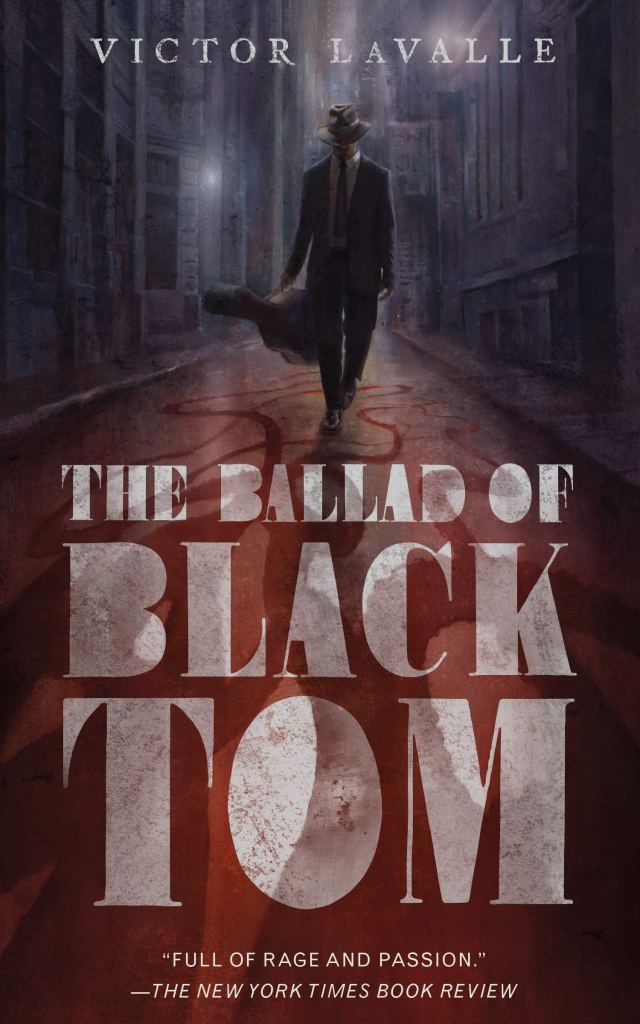
Victor Lavalle The Ballad of Black Tom (2016), is probably Lavalle’s best known book, but I first encountered him when I read The Changeling (2017). Any threadbare notion of ever having children was burned out of me after reading that book. The horrors of motherhood and more depicted in The Changeling gave me about a week’s worth of sleepless nights. Effective horror fiction, yes, but wow sometimes there are books I wish I could unread. This statement should be taken as an enthusiastic recommendation for the work of Victor Lavalle.
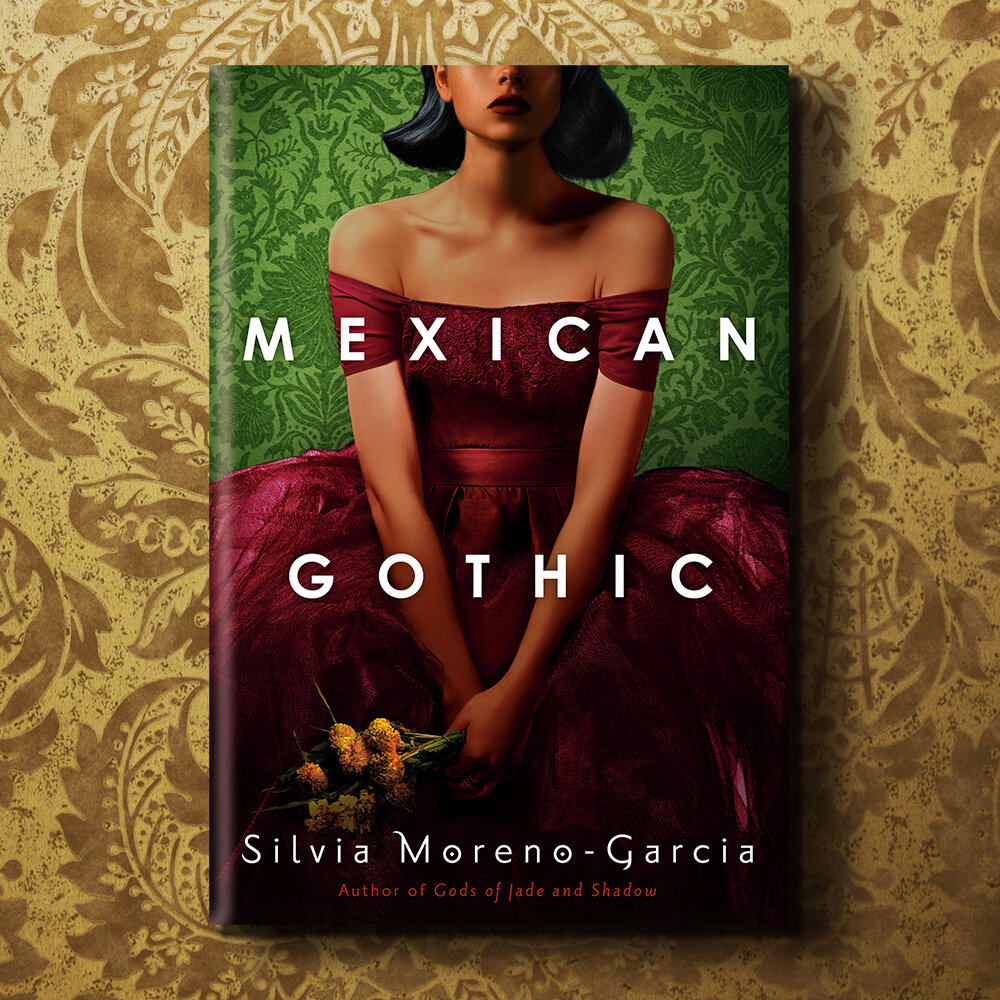
Silvia Moreno-Garcia This one. Moreno-Garcia has been hitting it out of the park for years now, but had her breakout to mainstream success with 2019’s Gods of Jade and Shadow, which was an extremely satisfying fairy-tale-like epic based on Mexican folklore. Last year’s Mexican Gothic upped the creep factor by serving Shirley Jackson realness at a secret-filled crumbling mansion isolated in the Mexican foothills. Grade: A+++++++++.
Harold Schechter Horrific, but not horror fiction. Schechter is a modern true crime master beloved to the true crime/podcast community. I learned about his work because my favorite horror/true crime podcast The Last Podcast on the Left often uses his work as their primary source. I listened to the audio version of The Serial Killer Files (2003) on Hoopla, which is a kind of “heavy hitters” lineup of the creepiest and most notorious serial killers of the 20th century. The solid research and clear prose were only overshadowed by the narrator mispronouncing Ed Gein’s name. My understanding is that we say “geen” rhymes with jean, not “gyne” as in gynecologist. As a daughter of Wisconsin this was glaring to me, which is why I’m having a hard time moving on. Check out Hell’s Princess (2018), one of Schechter’s latest, which details the totally bananas true story of Bell Gunness, butcher of men.
David Wong Jason Pargin has been writing under the pen name David Wong since before his days as editor-in-chief at Cracked.com and now even that is several years in the past. His first full-length novel, John Dies at the End (2007), was originally written in serial form on the author’s blog. It’s fun to start with this book and work through his catalog chronologically to see how his writing gets better and better. It’s also such a joy to see a personal favorite get so successful. John Dies at the End ended up getting adapted for film in 2012. It starred Paul Giacometti and was directed by horror royalty Don Coscarelli. For non-horror stans, this was a big huge deal and made many fanboys and girls spin off into dorky paroxysms of joy.
Additional horror authors who are not Stephen King:
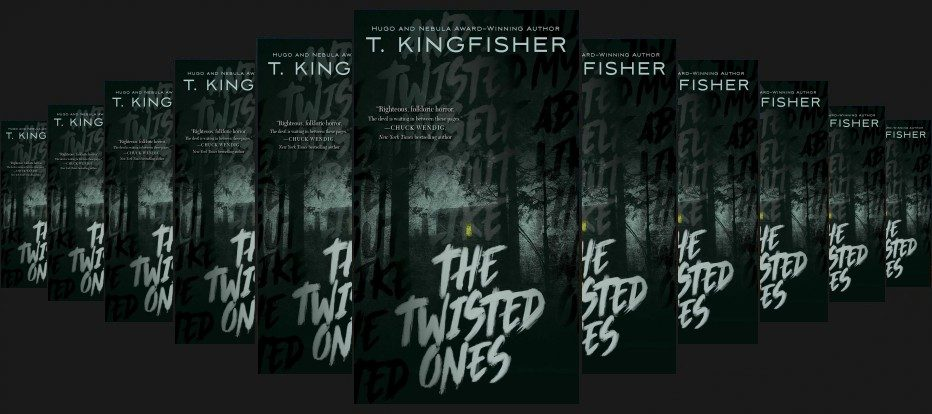
Max Brooks (World War Z; Devolution) Octavia Butler (Fledgling; Kindred) Tananarive Due (The Good House; My Soul to Keep) Stephen Graham Jones (The Only Good Indian; My Heart is a Chainsaw) Grady Hendrix (My Best Friend’s Exorcism; The Southern Book Club’s Guide to Slaying Vampires) Joe Hill (Horns; N0S4A2) T. Kingfisher (The Twisted Ones; The Hollow Places) Ira Levin (Rosemary’s Baby; The Stepford Wives) Anne Rice (Interview with the Vampire; The Queen of the Damned) Riley Sager (Final Girls; Home Before Dark)
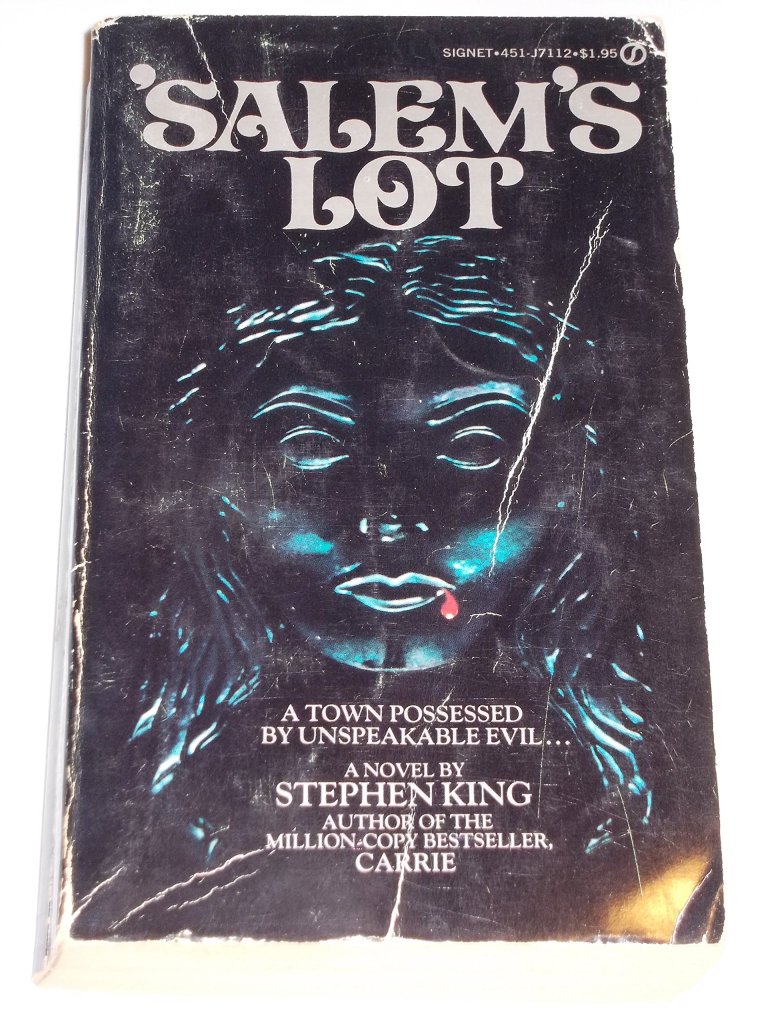
As for me, I promised my friend that I would read minimum one (1) Stephen King novel within the next calendar year, so now I have the audio copy of Salem’s Lot waiting in my Overdrive/Libby holds. There are 12 other people ahead of me, so I imagine it will be well past spooky season by the time I get to check it out. Not to worry, because I try to keep that shit in my heart the year-round.
And as for you, what happens if nothing on the list stands out? Do not hesitate to reach out for more book recommendations whether they are for horror fiction, cozy mysteries, amish romance, silkpunk, Nordic noir, cashier memoir, you name it we will help find it for you.
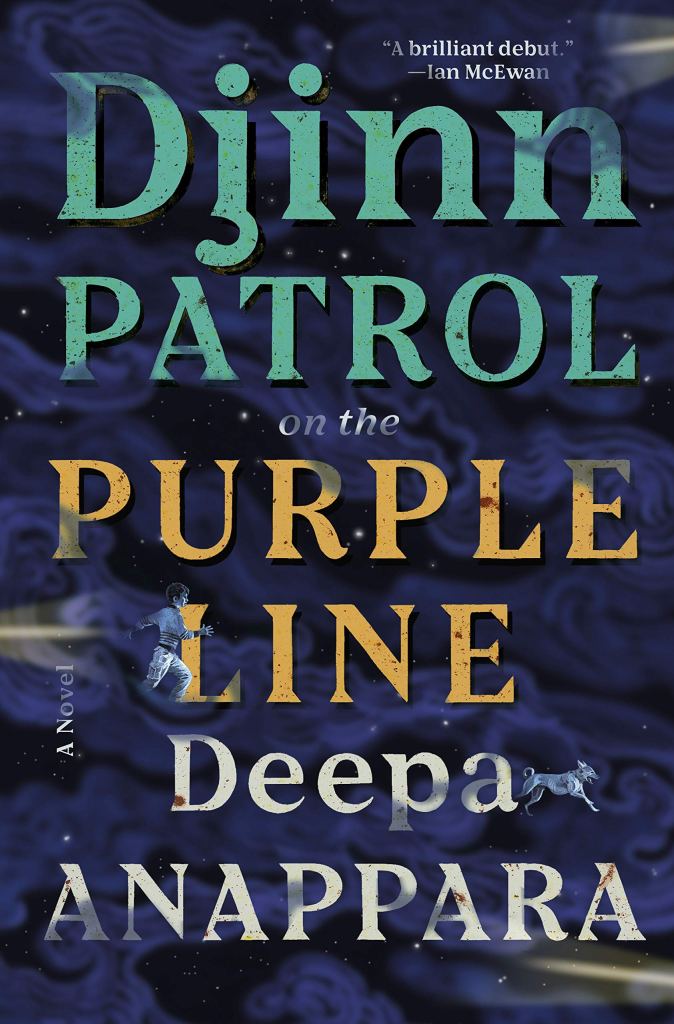
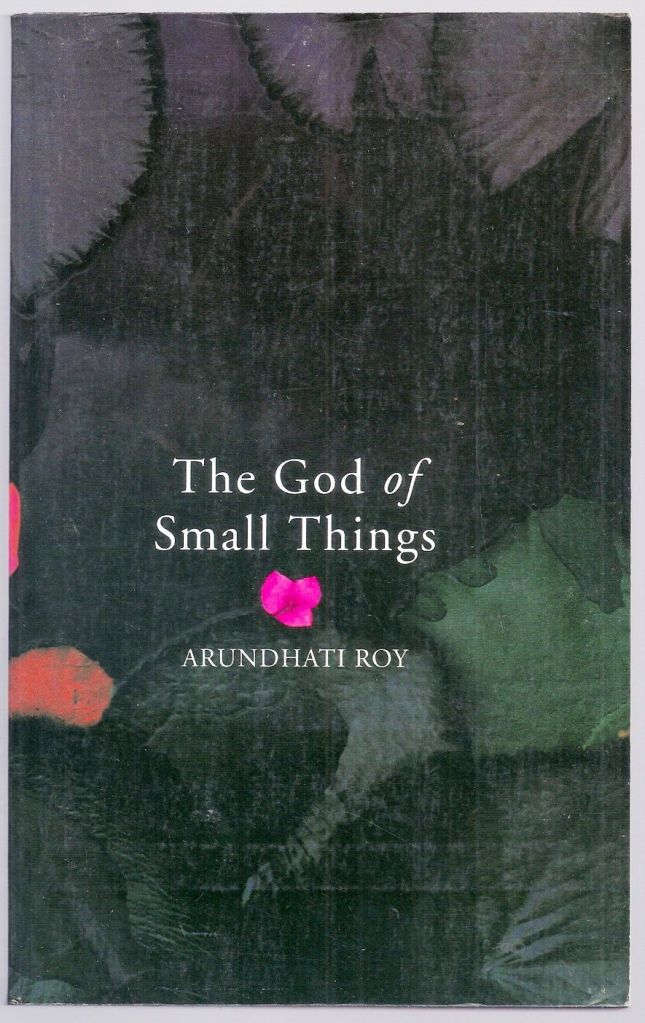
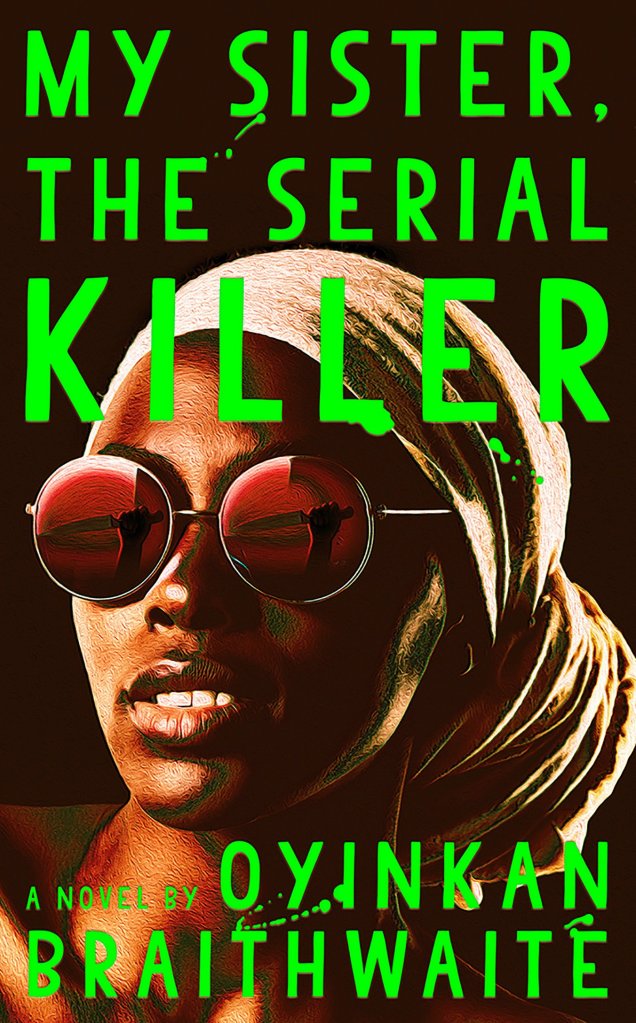
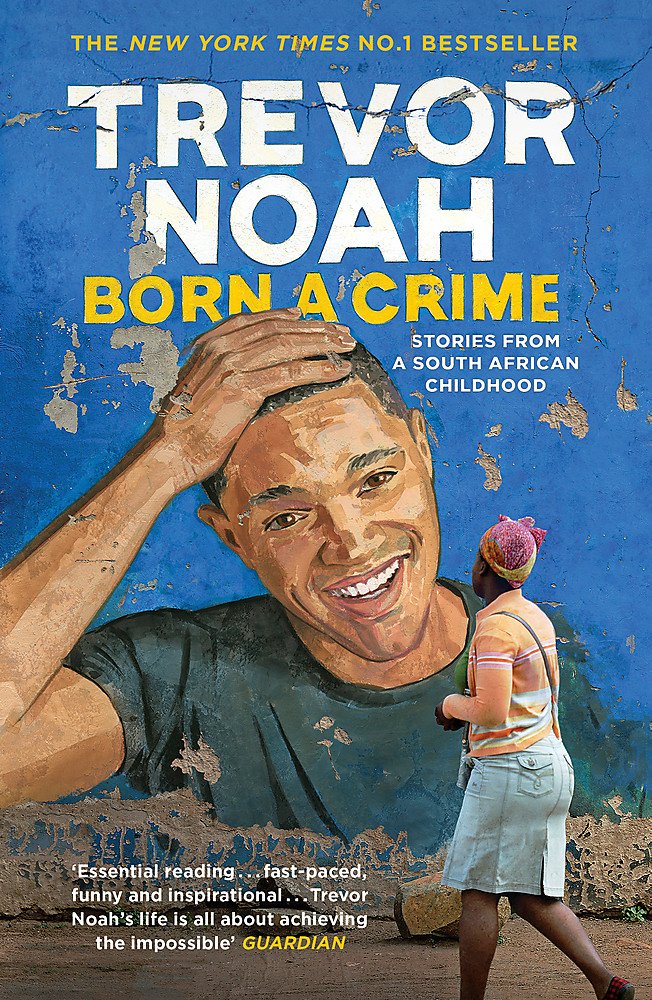
Now that the 2021 (2020?) Tokyo Summer Olympic Games have ended we all have additional time to work on our Mead Bookish Bingo Challenge. Below, I assembled several titles that will let you cross off the square for “Books set in a country that has NEVER hosted the Olympics”.
For instance, did you know that despite having over 50 countries registered with the International Olympic Committee, there has never been a modern Olympic games hosted by any country in the entire continent of Africa? This is largely due to the extreme cost attached to hosting an Olympics. Beijing reportedly spent $40 billion to host the 2008 Summer Olympics. If that big ol’ price tag is a deterrent for wealthy nations, imagine the strain this would have on a developing country. While there is talk of the games coming to Senegal far down the road, we must make due in the meantime.
The titles listed above represent the tiniest sliver of literature produced in un-Olympic-ed nations. From travelogues to groovy science fiction, there is a pantheon of literature to choose from to get this bingo square crossed off.
Do you still need a Mead Bookish Bingo card? It’s not too late to complete a row. Pick up a copy at the first or second floor desk at Mead or print your own out HERE. Would you like a little more community while you work on our bingo card? Consider joining our Goodreads group HERE.
If none of the titles listed appeal, contact us for additional recommendations. Please do not hesitate to reach out for help requesting materials, troubleshooting our ebook platforms, or anything else, really.
In a continuation of last week’s post centered on LGBTQI+ excellence in books and movies, please enjoy this list of graphic novels to celebrate Pride and the inherent talent and diversity within. Below, I highlight four graphic novels that are worth a look whether it’s Pride month or not. Book descriptions were sourced from publisher information.
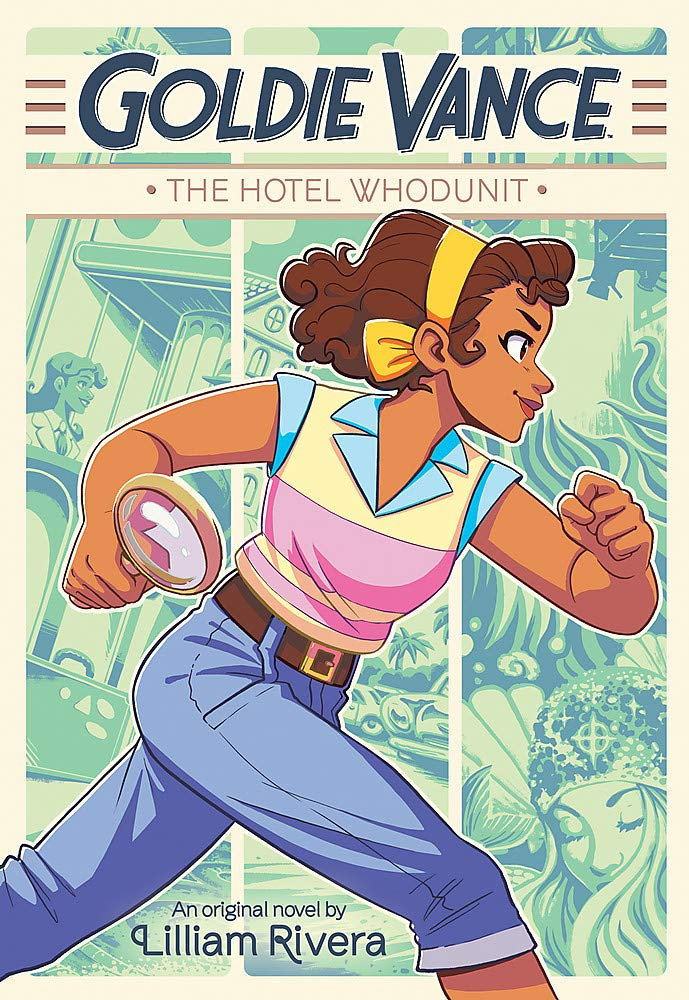
Goldie Vance (2016) by Lilliam Rivera (ongoing series)
This series is what it might look like if Nancy Drew liked girls and had non-white friends. 16-year-old Marigold “Goldie” Vance lives at a Florida resort with her dad, who manages the place. Her mom, who divorced her dad years ago, works as a live mermaid at a club downtown. Goldie has an insatiable curiosity, which explains her dream to one day become the hotel’s in-house detective. When Charles, the current detective, encounters a case he can’t crack, he agrees to mentor Goldie in exchange for her help solving the mystery utilizing her smarts, random skills, and connections with the hotel staff and various folks in town. Available on Hoopla.
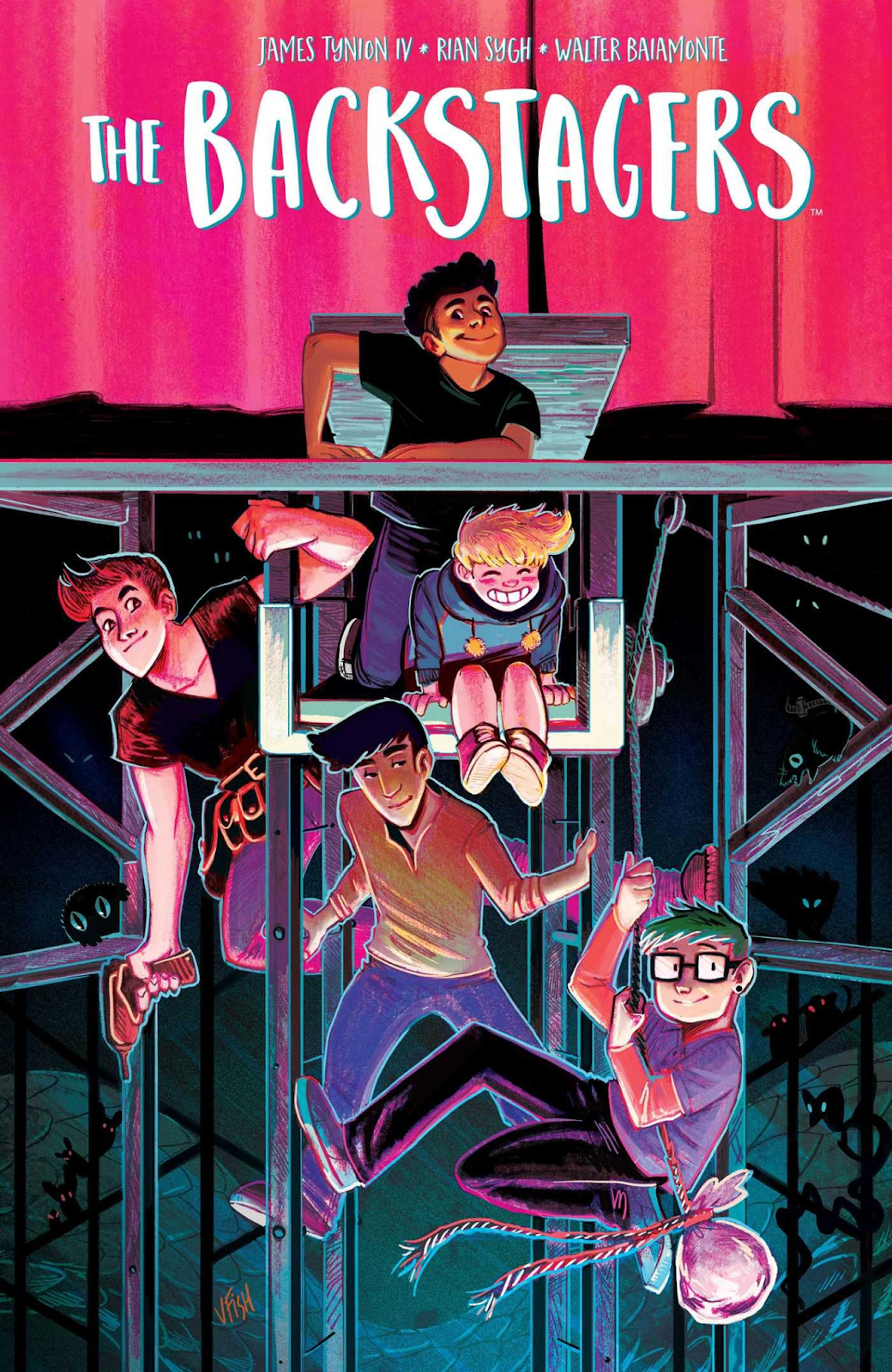
James Tynion IV (Detective Comics, The Woods) teams up with artist Rian Sygh (Munchkin, Stolen Forest) for an incredibly earnest story that explores what it means to find a place to fit in when you’re kinda an outcast. When Jory transfers to an all-boys private high school, he’s taken in by the lowly stage crew known as the Backstagers. Hunter, Aziz, Sasha, and Beckett become his new best friends and introduce him to an entire magical world that lives beyond the curtain that the rest of the school doesn’t know about, filled with strange creatures, changing hallways, and a decades-old legend of a backstage crew that went missing and was never found. Available on Hoopla. Ongoing series.
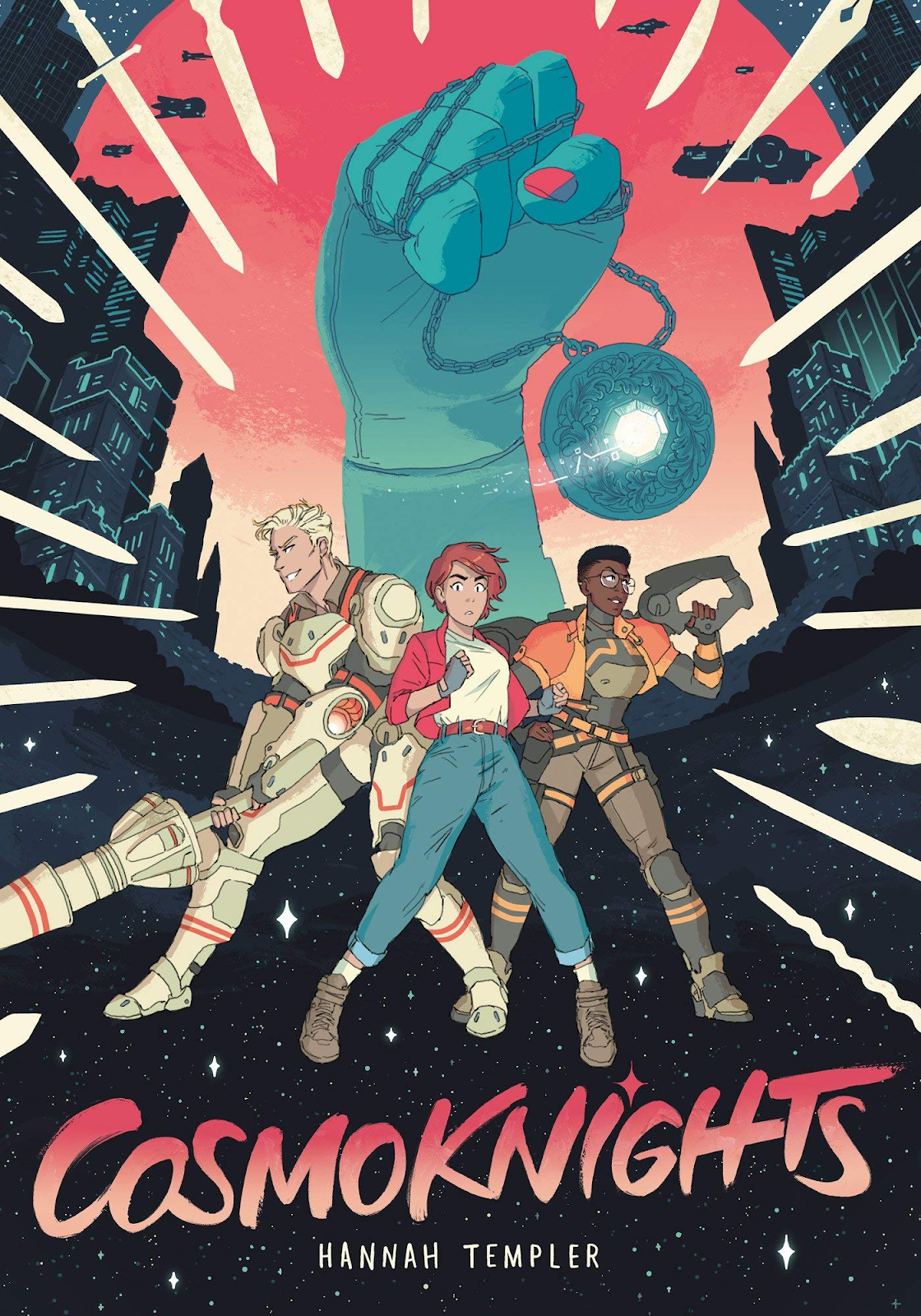
Pan’s life used to be very small. Work in her dad’s body shop, sneak out with her friend Tara to go dancing, and watch the skies for freighter ships. It didn’t even matter that Tara was a princess… until one day it very much did matter, and Pan had to say goodbye forever. Years later, when a charismatic pair of off-world gladiators show up on her doorstep, she finds that life might not be as small as she thought. On the run and off the galactic grid, Pan discovers the astonishing secrets of her neo-medieval world… and the intoxicating possibility of burning it all down. Available on Hoopla.
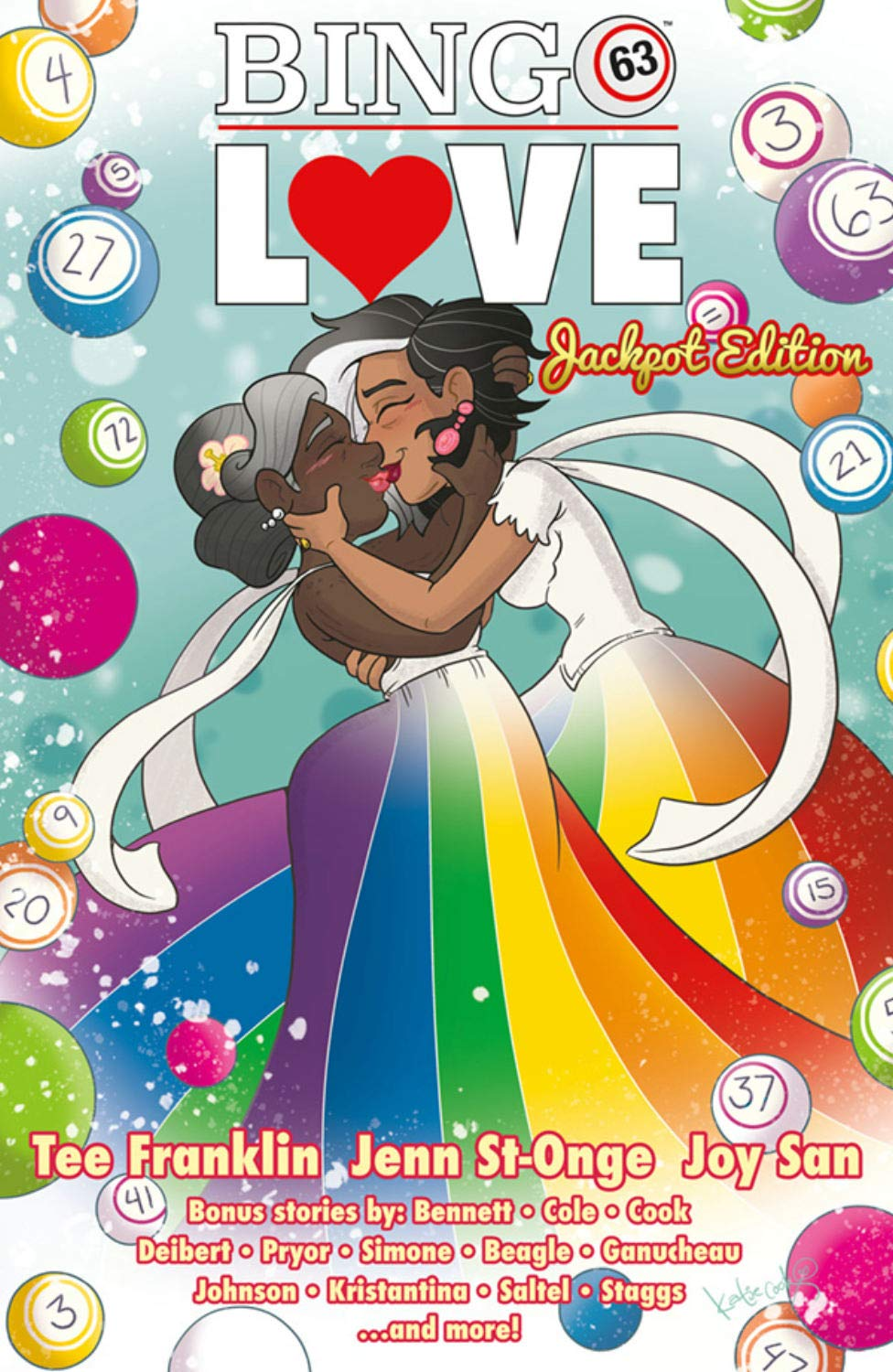
When Hazel Johnson and Mari McCray met at church bingo in 1963, it was love at first sight. Forced apart by their families and society, Hazel and Mari both married young men and had families. Decades later, now in their mid-’60s, Hazel and Mari reunite again at a church bingo hall. Realizing their love for each other is still alive, what these grandmothers do next takes absolute strength and courage. Available on Hoopla.
Additional LGBTQI+ graphic novels to celebrate Pride month with:
All of the above titles can be found in the Monarch catalog. Most of the titles are available on Hoopla. In fact, Hoopla is host to hundreds of comic book and graphic novel titles, so no matter one’s interest area there is bound to be something that appeals.
Please do not hesitate to reach out for help requesting material or troubleshooting tech stuff. As always, we are thrilled to pieces to give reader’s advisory book recommendations whether it’s for Pride month or any other occasion.
Happy Pride month! June is for celebrating queer culture and remembering the innovators and agitators who fought for, and continue to fight for gay rights and freedom. While there is much work to be done, it’s important to take some time to reflect on the progress made. Commemorate and celebrate along with the community by engaging with queer-created content. Below, I list books and movies to educate and entertain alongside the celebration.
Books
Anyone who has been paying attention to publishing trends over the past decade should be pleased to notice the availability of more and more diverse books. Whether you’re talking romance, sci-fi, memoir, or history, there is something for everybody. And guess what? You don’t even need to be gay to enjoy all this great content.
In the Dream House: a Memoir (2019) by Carmen Maria Machado; considered one of the best books of 2019, Machado uses horror tropes to explore the impact of abuse in same-sex relationships.
The Gentleman’s Guide to Vice and Virtue (2017) by Mackenzie Lee; being gay in contemporary times is still, sadly, fraught with danger. This book explores the stifling conventions of 17th century nobility and how they impacted people who are not content to live within the bounds of convention. Lots of fun, with a third book in the series debuting this fall.
Pet (2019) by Akwaeke Emezi; I have for sure blogged about this book minimum once before, and I will admit it’s likely I will blog about it again, but this book is so good. Just. So, so good. It’s fantasy, but real. It’s the future, but not too far away. Monsters come in all forms, and Pet examines them with great feeling and humanity.
Sissy: a Coming-of-Gender Story (2019) by Jacob Tobias; assigned male at birth, Tobias uses their story to explore how a stringent gender binary is keeping us from fully being who we really are. Might want to read someplace you won’t get looked at funny for laughing out loud.
Wow, No Thank You (2020) by Samantha Kirby; Super funny collection of essays about the author’s life.
Movies
All About My Mother (1999) by Pedro Almodovar; considered one of Almodovar’s best. Riffing on golden age of Hollywood sensibilities and Betty Davis, this is the story of a mother’s journey across Spain to inform her estranged husband of the death of their son.
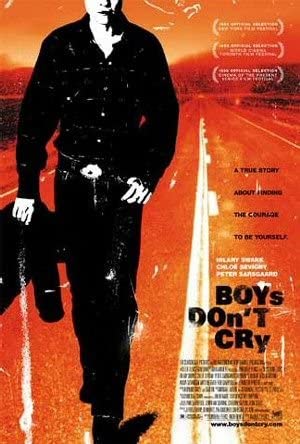
Boys Don’t Cry (1999) This movie will devastate you. Don’t watch it alone and don’t watch it if you cannot stomach violence. Do watch it to gain some understanding about the dangers of being trans in a world that doesn’t want trans people to exist. Hillary Swank won Best Actress for her portrayal of Brandon Teena which now leads us to some fascinating conversations about trans actors representing themselves on screen.
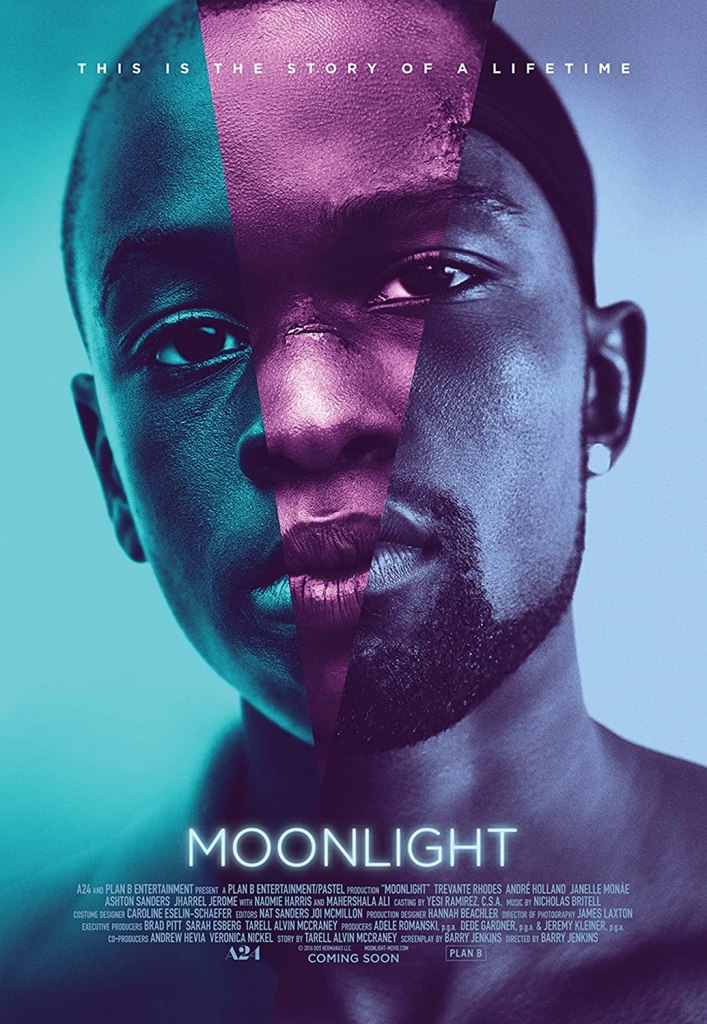
Moonlight (2016) directed by Barry Jenkins; this is hands-down one of the most beautiful movies ever made. We follow protagonist Chiron through three life phases as he grows from a boy into a man. Another worthy exploration of race and sexuality in America. And let’s not forget about the best acting of the year coming from Mahershala Ali as Juan, one of the only adults to show young Chiron an ounce of tenderness. Currently available on Kanopy.
Paris is Burning (1990) directed by Jennie Livingston; this wonderful, shiny and bright documentary explores the African American and Latinx ballroom drag scene of 1980s Harlem against the backdrop of the AIDS crisis, homophobia, transphobia, and racism. If you enjoy Ryan Murphy’s Pose, you have to watch Paris is Burning. I don’t make the rules here, just do it.
Portrait of a Lady on Fire (2019) directed by Celine Sciamma; gorgeous 17th century love story between two women. Now available on Kanopy.
Many of the books and movies mentioned above can be found on Mead’s Pride book display, located on the first floor, until the end of June, 2021. All titles are available in the Monarch catalog, often in multiple formats, as well. Don’t see anything that grabs you? We are thrilled, THRILLED to help you find what you are looking for. That goes for any genre or topic piquing your interest at any particular time, diverse or not. Never hesitate to reach out for book recommendations or tech help, we love that stuff. And remember: just because we celebrate in June doesn’t mean we go without Pride all year long.
Don’t forget to check back next week for a list of LGBTQI+ graphic novels!
How has your Bookish Bingo Challenge been going? We’re approaching the halfway point of 2021, so it is by no means too late to finish up a row, or start completely from scratch to reach your bingo goal. Not sure what the Bookish Bingo Challenge is, or need a copy of the bingo sheet? Click HERE. Also, take a look at past installments of Bookish Bingo blog posts for inspiration HERE.
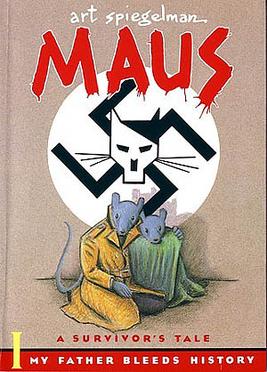
This week’s post focuses on the “read a graphic novel, graphic memoir, or manga” square. My public school experience happened to line up with the place in time when we stopped saying “comic books” and started saying “graphic novels”. Really high-falutin’ and academic types might even have uttered “sequential art” when trying to frame comic books as a serious literary and artistic medium. My seventh grade english teacher quickly did an about-face at my proposed book report on Art Spiegleman’s seminal Maus, when told that it had won a Pulitzer Prize that year; a first for any comic. Anyone familiar with this remarkable title will understand how Spiegleman’s work helped usher in a truly golden age of graphic novels, manga, comics, comix, funny pages, or however you know the medium. Take a look at the list below for some additional high-chroma recommendations.
Graphic novels: Black Panther: World of Wakanda (2017) written by Roxanne Gay and Ta-Nehisi Coates; gone are the days when comics were known for shoddy writing. Gay and Coates are some of the country’s greatest living authors, so we should all take a moment to appreciate the depth of talent at work in all aspects of contemporary graphic novels.
Check Please! (2018) by Ngozi Ukazu; there’s a trope in queer fiction in which gay protagonists are subjected to unceremonious deaths, overt gay-bashing, or some other violent consequence of homophobia. I’m begging you to read this book not only because it is an absolute delight, but gay characters are defined by their thoughts and actions, not by their trauma. Also: PIE!
A Contract With God and Other Tenement Stories (1978) by Will Eisner; widely considered the first modern graphic novel. Eisner is so important to the medium they named the award for industry achievement and innovation after him. Take a look at the list of Eisner award-winning work HERE.
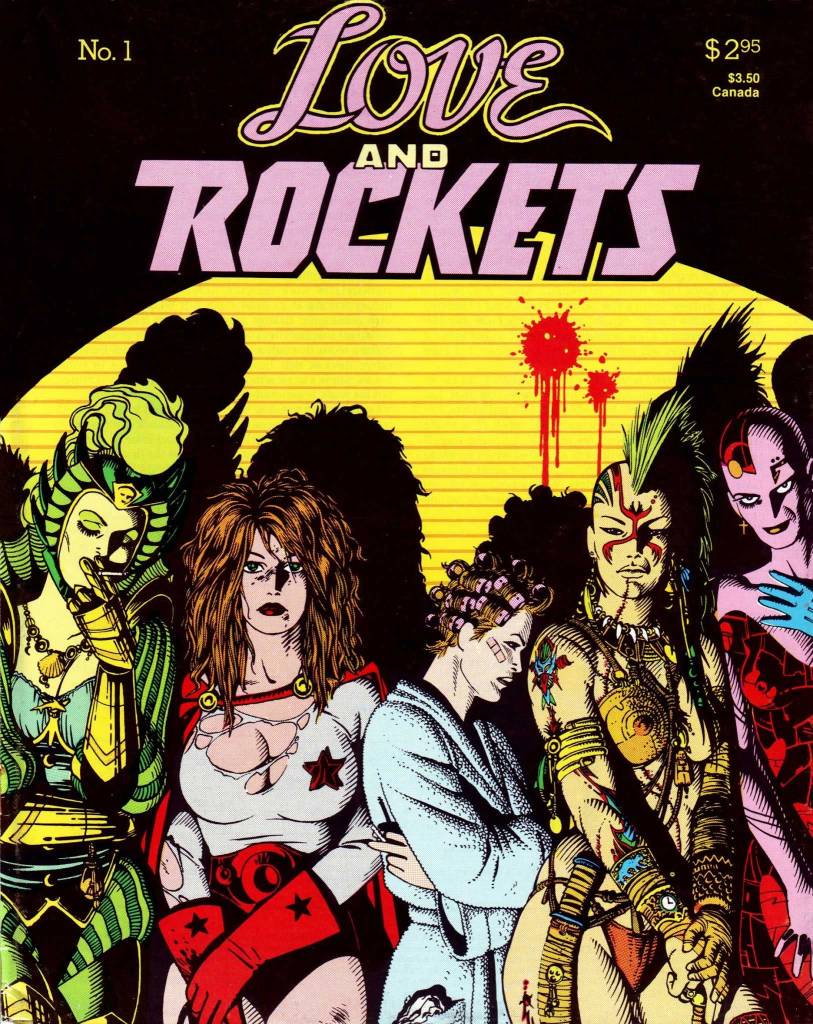
Love and Rockets (1981-1996) by Gilbert, Jaime, and Mario Hernandez; I, personally, cannot talk about American comic history without mentioning the Hernandez brothers. They gave voice to minorities and women in an industry that still isn’t always welcoming to these populations, as well as define the post-underground generation of comic artists.
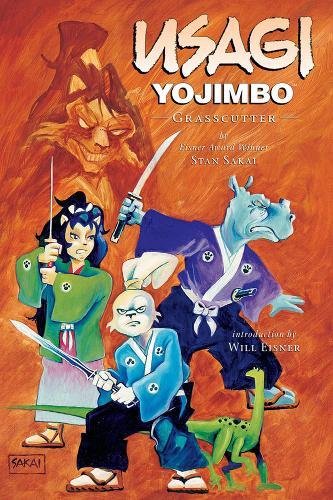
Usagi Yojimbo (1987-present) by Stan Sakai; follow masterless bunny samurai Miyamoto Usagi around a 17th century Japan populated with anthropomorphic animals. This long-running series is packed full of awesome action, Japanese mythology, folklore, and humor. Does Usagi seem familiar? It might be because he has been known to join the Ninja Turtles on adventures, as well.
El Deafo (2014) by Cece Bell; perennial favorite of middle-grade readers, and rightly so. Full of heart, humanity, and humor.
Fun Home: A Family Tragicomic (2007) by Alison Bechdel; you may also recognize Bechdel’s name from the eponymous “Bechdel Test” which is a simple if imperfect way to evaluate female representation in fiction. Read more about it HERE, because honestly it’s fascinating.
Maus: A Survivor’s Tale (1991) by Art Spiegelman; aforementioned as perhaps THE book that helped comics reach mainstream notoriety.
Persepolis: the Story of a Childhood (2004) by Marjane Satrapi; I learned more about the 1979 Iranian Revolution from this book than the entirety of my formal education. See also: the animated movie adaptation.
Need even MORE excellent graphic memoir recommendations? Take a look at the list assembled over at Bookriot.
Manga:
Akira (1984) by Katsuhiro Otomo; the manga that launched a thousand obsessions. As with many middle-Americans, Akira was my first encounter with anime which then extrapolated into my first encounter with manga. The influence of both film and book on modern media cannot be overstated. Watch the movie and marvel at its late 80s technical excellence and totally badass soundtrack.
High School Debut (2004-2013) by Kazune Kawahara; beloved romance series known for its straightforward charm.
O Maidens in Your Savage Season (2017-present) by Mari Okada; this one comes highly recommended by fellow librarian Carol, and if one can trust anyone’s opinion, it’s hers. This is a great title for women and girls who are tired of seeing themselves objectified from hell to breakfast in manga (and plenty of American media as well, to be fair).
One Piece (1997-present) by Eiichiro Oda; this long-running, best-selling adventure series will publish its 100th volume later this year.
Uzumaki: Spiral Into Horror (1998) by Junji Ito; horror manga tends to be filled with super gross, intense depictions of gore and violence. This three-volume series goes easier on the reader without scaling back the genuine creep-factor.
I will admit manga is a personal blind spot for me, so please take a look at THIS list from Bookriot for further recommendations. One thing I love about manga is that many tend to be published as long-running series, so if one book is appealing there are likely to be dozens more (looking at you, One Piece).
For a great introduction to the main genres of manga, take a look at THIS excellent guide published by the New York Public Library.
At one time the word “comics” might have conjured the blurry, three-color lithography of Sunday papers, superhero rags made famous by DC and Marvel, and not a lot else. Superheroes and newspaper funnies are still valid and important, but the form has come a long way over the years, which benefits us all. Framed as a gateway to broader reading, many reluctant readers morphed into avid book lovers after connecting with a graphic novel they loved. My gateway comics were Archie Comics and Herge’s Tintin; these were the first books I ever read on my own & cemented my positive relationship with reading. Hopefully, the books and lists above will provide Bookish Bingo players ample inspiration of their own. All titles listed above are available via the Monarch catalog. For help requesting materials or additional book recommendations including but not limited to bingo square challenges, we would love to hear from you via phone (920-459-3400), email (publicservices@meadpl.org), chat, or in-person.
What’s your favorite coping method? Lately I’ve got two. First, I’ve been daydreaming and scheming over the past 14 months about having a mini road trip adventure. Soon I will leave my dark hovel and re-enter the bright, shining world, and when that time arrives I know which books are coming with. Which leads me to coping mechanism #2; keeping an eternal, endless reading list that will never get shorter, only longer. Always longer. Check out my list below for some summer reading inspiration of your own. What’s that? It’s not officially summer til June 20th? Why don’t you tell someone who hasn’t been living in their head for the better part of a year and a half, because I will never listen.
Below, I list my top three genres and the books I’ve been saving to read on the road, along with their runners-up.
Some will know T. Kingfisher as Ursula Vernon, author of the very popular juvenile graphic novel series, Dragonbreath. She felt the need to create a pen name to distinguish the adult titles from the juvenile titles, and after enjoying work published under both names, I can see why. Kingfisher spins dark fairytale-adjacent stories filled with sinister characters, terrifying big boss-style monsters, and genre-defying badass women. Check out some of her short fiction HERE. I’ll look for a spooky roadside motel near the woods to read this one at night.
Here are some additional titles to make your skin crawl:
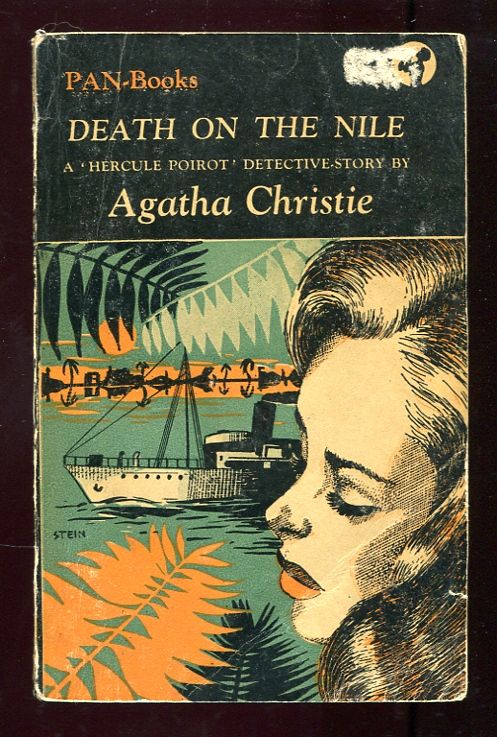
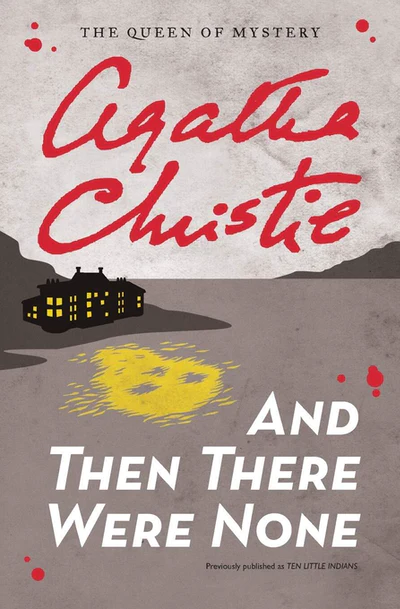
Summertime is murder mystery time, specifically Agatha Christie time. There’s just something about the warmth and the light that makes me want to read her work. One would think that after being a Christie stan for more than two decades I would have already gotten to this gold-star standard, but no. Along with Death on the Nile, The ABC Murders, and A Caribbean Murder, And Then There Were None is considered among her greatest novels. I have seen minimum one movie adaptation but have since forgotten whodunnit, but should know the solution to the mystery by the end of my vacation, if all goes according to plan. Ideally, picnicking somewhere gorgeous.
And Then There Were None is also a fascinating example of how beloved media can, and should change over time. The original title of this book featured the worst racial epithet I can think of and was also known at one time as “Ten Little Indians”. To read more about the racism subsequent publishers have done their best to purge from Christie’s work, take a look at THIS article. It’s an apt topic to explore and discuss while everyone is so het up about “cancel culture”. Some things should be relegated to the past, and unnecessary and negative portrayals of racial stereotypes is one of those things.
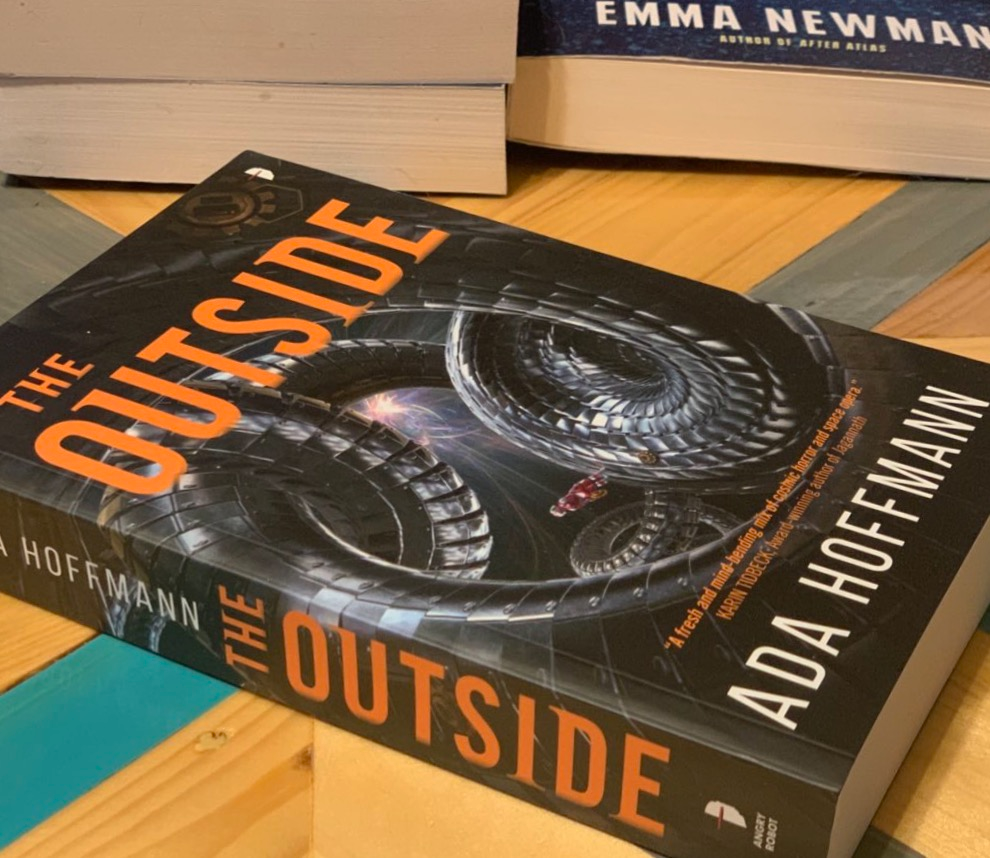
This book checks a lot of boxes for me; outer space, giant space station, giant space station disaster, artificial intelligence, neurodivergent protagonist, woman author. The past decade has been a cavalcade of excellent women and femme-penned speculative fiction and scifi, all to the credit of the genre. Reading about far off galaxies and hitherto unknown beings gives me a sense of calm and peace that I can’t articulate. I’m going to read this at an outdoor patio while I wait to be brought something delicious to eat and drink.
Will I actually end up reading the books I have picked out? No way to tell. Chances are that I will find many distracting and cruddy paperbacks in secondhand stores while I gallivant far and wide. All listed titles are available through the Monarch catalog unless otherwise specified. Don’t see any titles that float your boat? Why not give the Your Next Five Books tool a try? Never hesitate to reach out for tech help, book recommendations, or encouraging words. Email publicservices@meadpl.org or call 920-459-3400, option 4. Oh, and have a fantastic vacation.
It would not be overstating the impact of the last year to think about each day as a fresh catastrophe. No one would try to deny that current events have been especially challenging to negotiate, even as a fully grown adult. What has it been like for children? Their shorter time on the planet means they do not possess the needed context to process the numerous crises that continue to wash over us with each news cycle. We published a resource guide early in January in the wake of the capitol insurgence, which you can read HERE. We also assembled a list of anti-racist resources, which you can read HERE. This post expands upon those resources with a focus on anti-racism and social justice. Let’s give our children the tools to approach the world with knowledge and compassion.
A huge THANK YOU to Susan and Erica for assembling this list of resources. All listed books can be found in the Monarch catalog. Do not hesitate to reach out for troubleshooting help requesting material or for additional anti-racist resources.