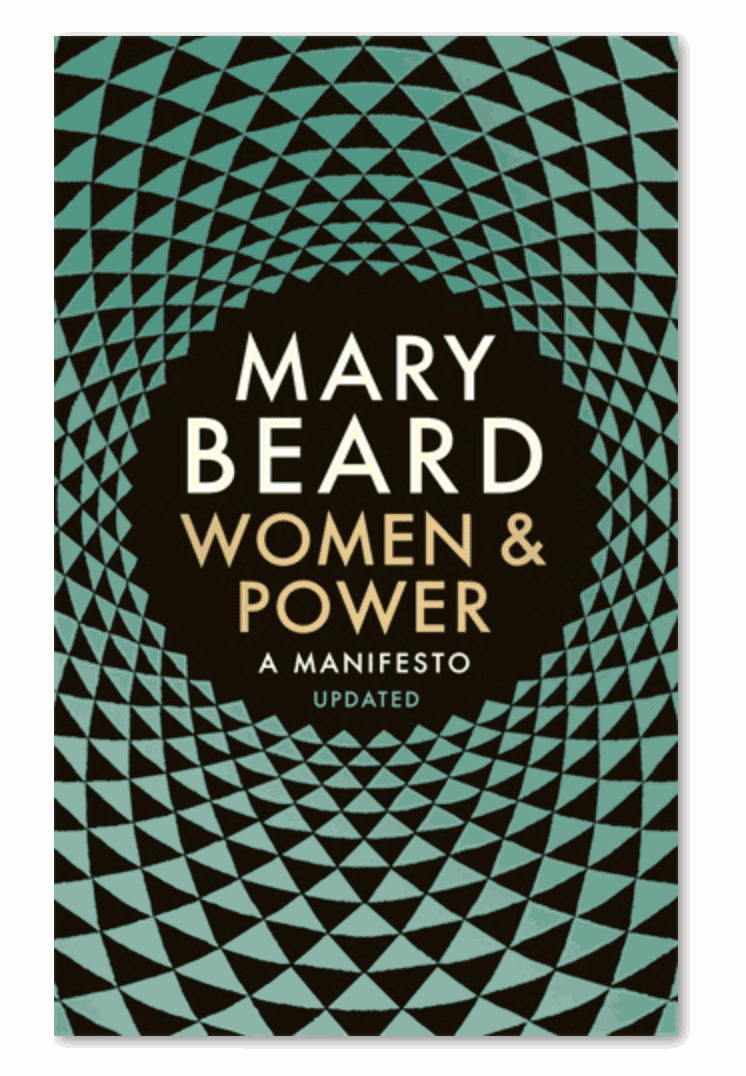
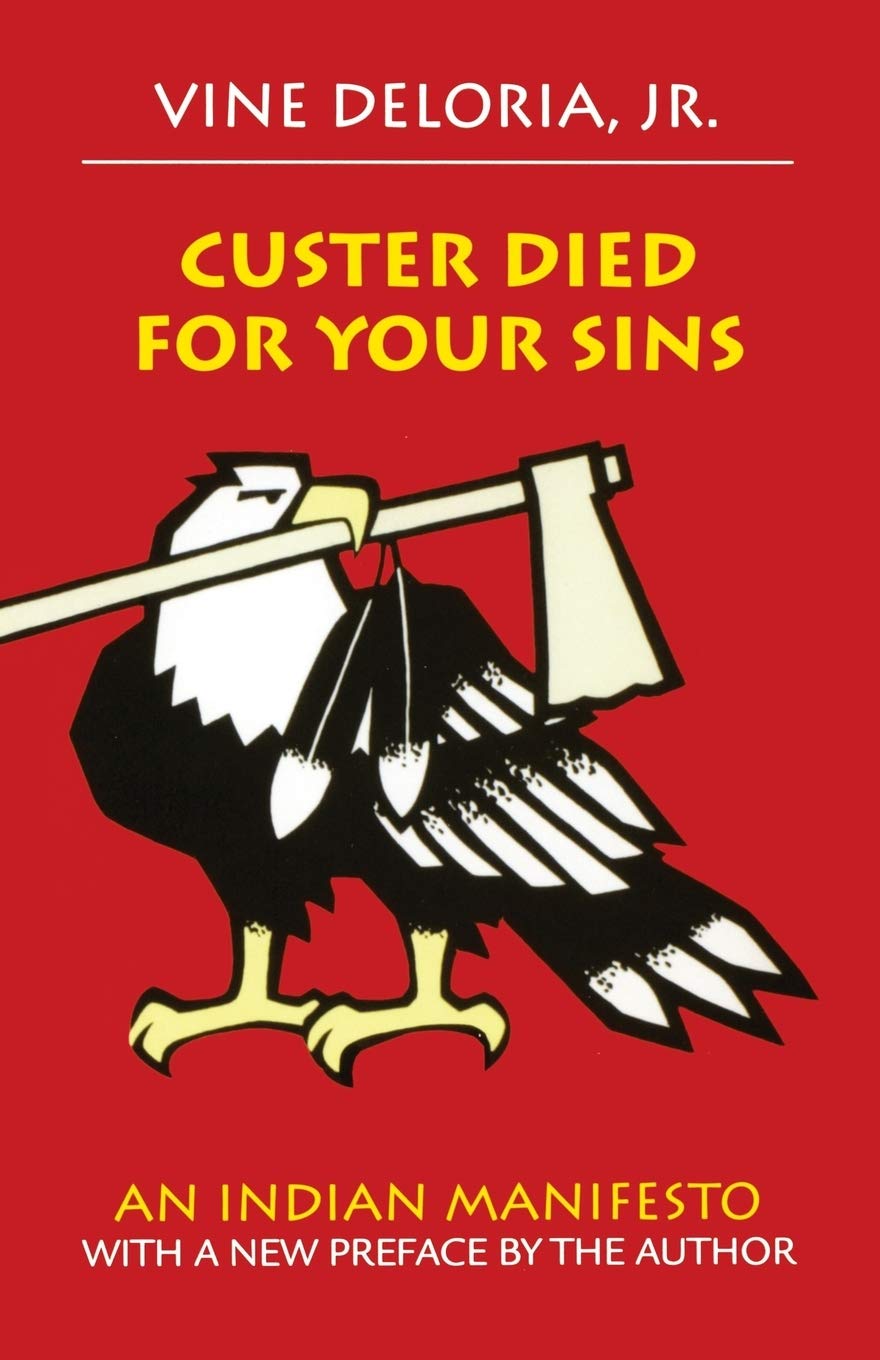
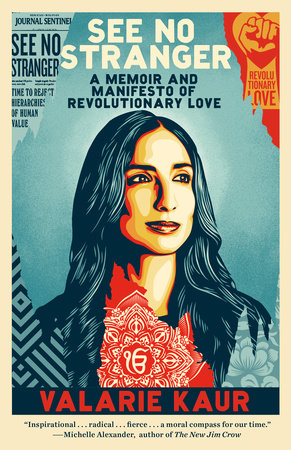
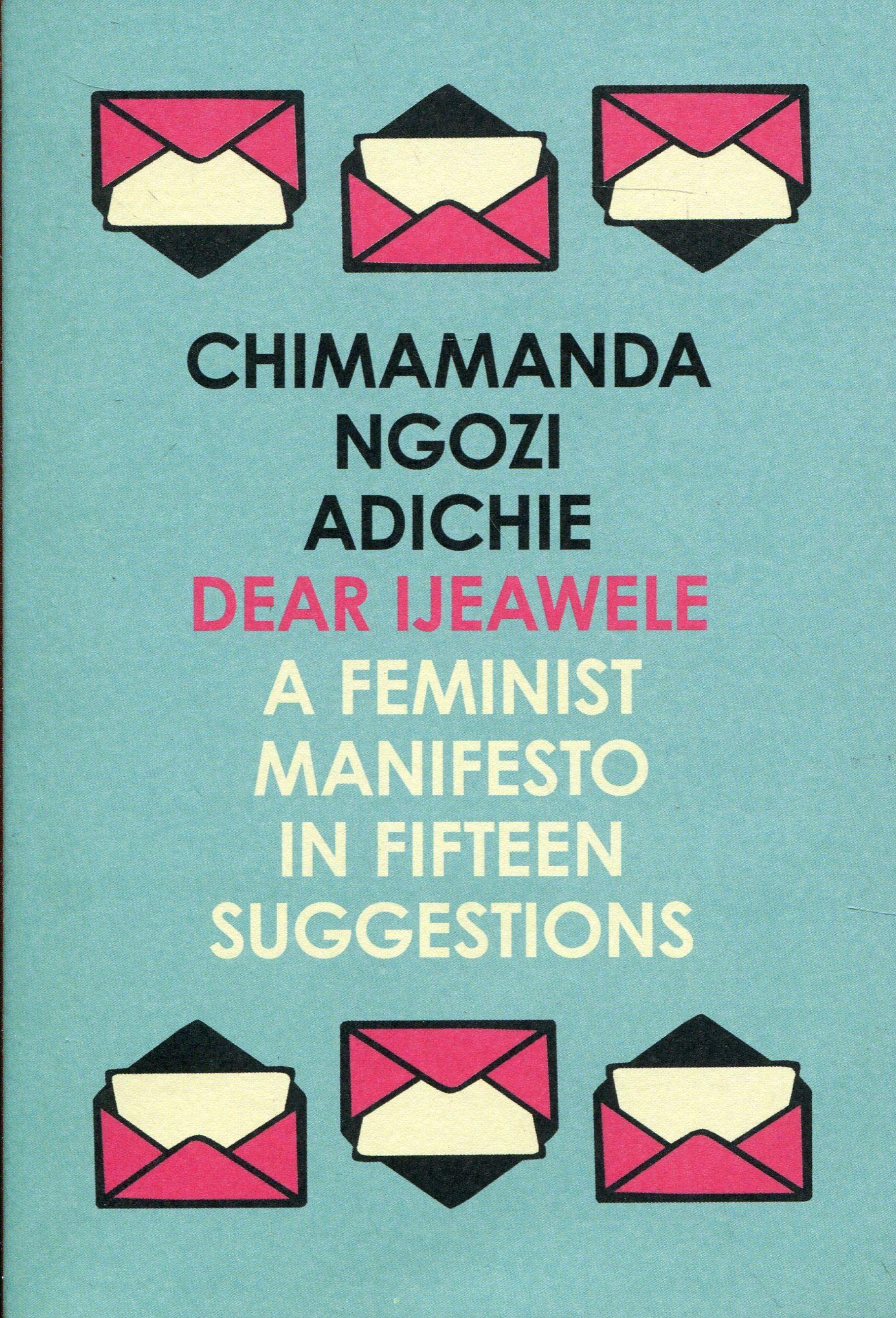
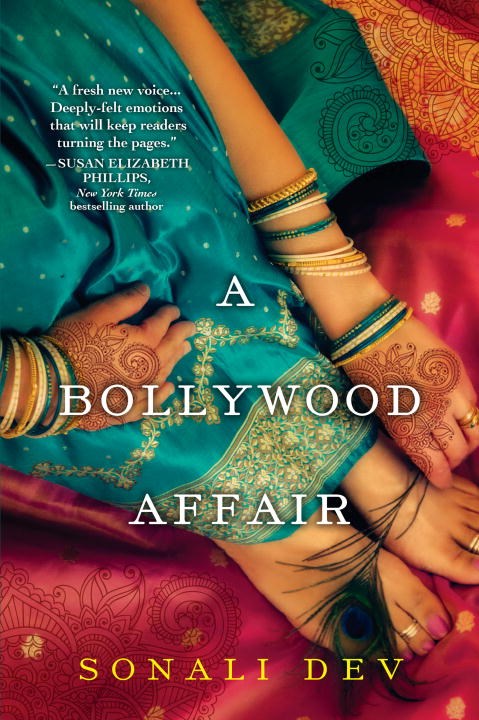
One of the book displays on the first floor of the library right now is on diverse romance novels, and it’s pretty amazing to see the variety of covers on there! Of course you have your books that are just some model’s shirtless torso – but romance novels are a lot wider than that, too! We see a lot of popular romance books here at the library with protagonists and love interests of different races, sizes, orientations, so I wanted to highlight some of them here!
This book is not Sonali Dev’s latest, but a little older (2016) – which is great, because it means that if you like it, you have a bunch more books by her just waiting for you!
Mili Rathod hasn’t seen her husband in twenty years—not since she was promised to him at the age of four. Yet marriage has allowed Mili a freedom rarely given to girls in her village. Her grandmother has even allowed her to leave India and study in America, all to make her the perfect modern wife. Which is exactly what Mili longs to be—if her husband would just come and claim her.
Bollywood’s favorite director, Samir Rathod, has come to Michigan to secure a divorce for his older brother. Persuading a naïve village girl to sign the papers should be easy for someone with Samir’s tabloid-famous charm. But Mili is neither a fool nor a gold-digger. And before he can stop himself, Samir is immersed in Mili’s life—cooking her dal and rotis, escorting her to her roommate’s elaborate Indian wedding, and wondering where his loyalties and happiness lie.
Heartfelt, witty, and thoroughly engaging, Sonali Dev’s novel is both a vivid exploration of modern India and a deeply honest story of love, in all its diversity.
November is Native American Heritage Month, so I thought I would highlight the Mead Bookish Bingo Challenge to “read a book written by a NAFNIP (Native, Aboriginal, First Nations, Indigenous People) author”.
Native American Heritage Month is a time for all of us to reflect on and celebrate the contributions, histories and cultures of Native Americans, Alaska Natives, Native Hawaiians, and Island communities in North America. For this article, I would like to celebrate the literary works of a few indigenous authors featured in the Monarch Library System collection.
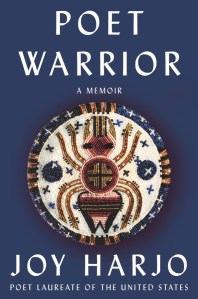
Joy Harjo is the 2019 Poet Laureate of the United States and a member of the Muscogee (Creek) Nation.
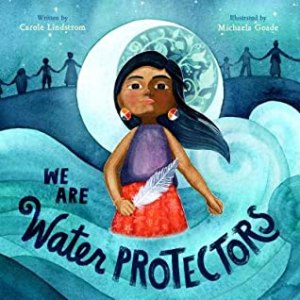
Carole Lindstrom is the author of the New York Times bestselling and Caldecott Award-winning We Are Water Protectors. She is Anishinabe/Métis and is a proud member of the Turtle Mountain Band of Ojibwe Indians.
Michaela Goade is the Caldecott Award-winning illustrator of We Are Water Protectors. She is the first Native American to win the award. She is of the Tlingit and Haida tribes.
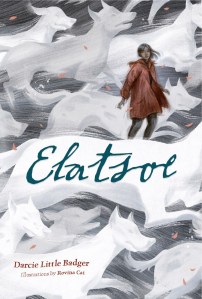
Darcie Little Badger is an oceanographer and the author of Elatsoe, selected by Time Magazine as one of the top 100 Fantasy books of all time. She is a member of the Lipan Apache Tribe of Texas.
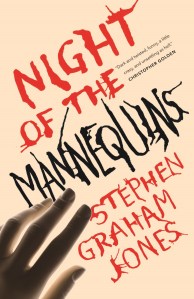
Stephen Graham Jones is an award-winning author who has been honored with both the Ray Bradbury Award for Science Fiction and the Bram Stoker Award for Horror. He is a member of the Blackfeet Tribe of the Blackfeet Indian Reservation of Montana.
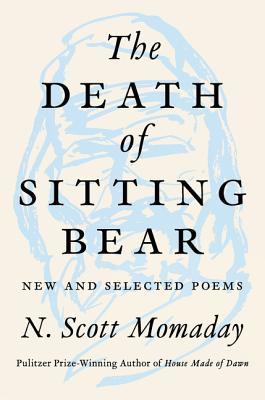
N. Scott Momaday is author of the Pulitzer Prize-winning HouseMade of Dawn. He is a member of the Kiowa people.
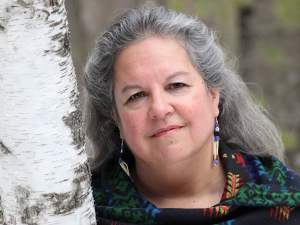
Robin Wall Kimmerer is the author and American Distinguished Teaching Professor of Environmental and Forest Biology, and Director of the Center for Native Peoples and the Environment at the State University of New York College of Environmental Science and Forestry. She is member of the Citizen Potawatomi Nation.
By now, most of the people in my inner circle have received their jabs so I’m back to having houseguests. My friend B came to town last weekend. We had a lovely bonfire and ate many cheeses. The nicest time was had by all. There was a moment, however, that I managed to astonish and appall my guest with one statement: I Have Never Read A Stephen King Book. In the past my biggest librarian sin was not having gotten around to reading Harry Potter. Relax, I got that covered in 2019 and it was fine. My friend B, as it turns out, is a HUGE King fan and could not believe that someone who is a librarian, avid reader, and horror fan, has not once thought to pick up something by The Master. Folks, my reading list is well over one thousand titles and while Stephen King has for sure cornered a certain portion of the market, would you believe there are literally THOUSANDS of authors cranking out content at any given moment competing for my attention? I do not actively dislike King. His work is often an emerging reader’s first interaction with a “grown-up” book and extrapolates into a lifelong love of reading and learning. His work is not unworthy, just uninteresting to me, specifically. Below, I have listed several horror authors of note for those of you who have run out of Stephen King books (I understand that is nigh impossible) and for people who love King but aren’t sure where to look next for more great horror.
Mira Grant Grant has been churning out some of the most genuinely creepy science fiction/horror for the last dozen or so years. She is preoccupied with various iterations of zombie apocoli and eldritch horrors of the deep. Grant is best known for her Newsflesh and Parasitology series and also writes under the name Seannan MacGuire whose catalog is well worth a look. For Grant, start with Parasite (2013) or Feed (2010).
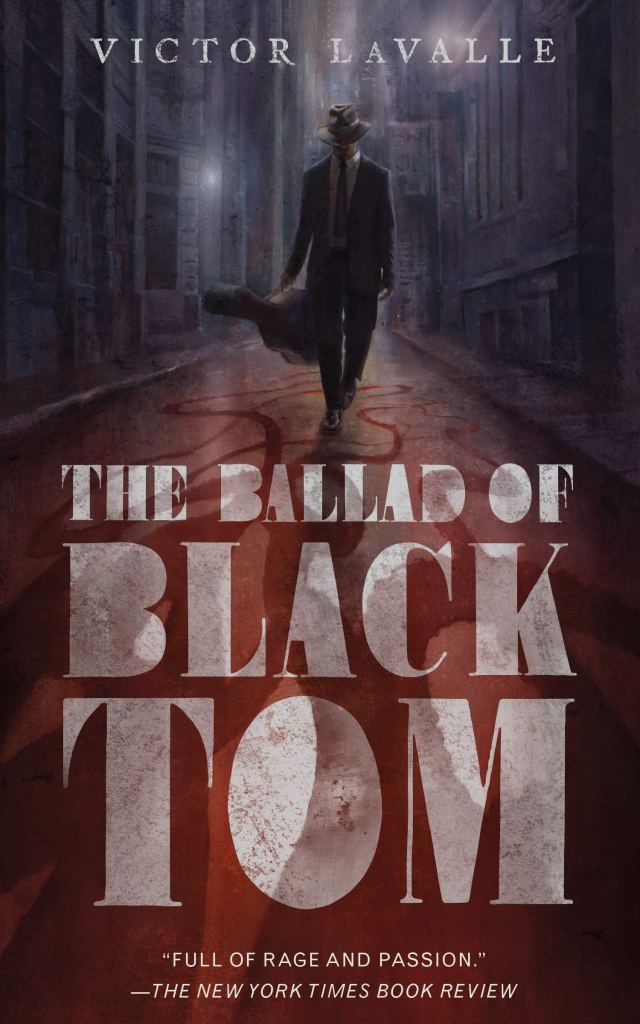
Victor Lavalle The Ballad of Black Tom (2016), is probably Lavalle’s best known book, but I first encountered him when I read The Changeling (2017). Any threadbare notion of ever having children was burned out of me after reading that book. The horrors of motherhood and more depicted in The Changeling gave me about a week’s worth of sleepless nights. Effective horror fiction, yes, but wow sometimes there are books I wish I could unread. This statement should be taken as an enthusiastic recommendation for the work of Victor Lavalle.
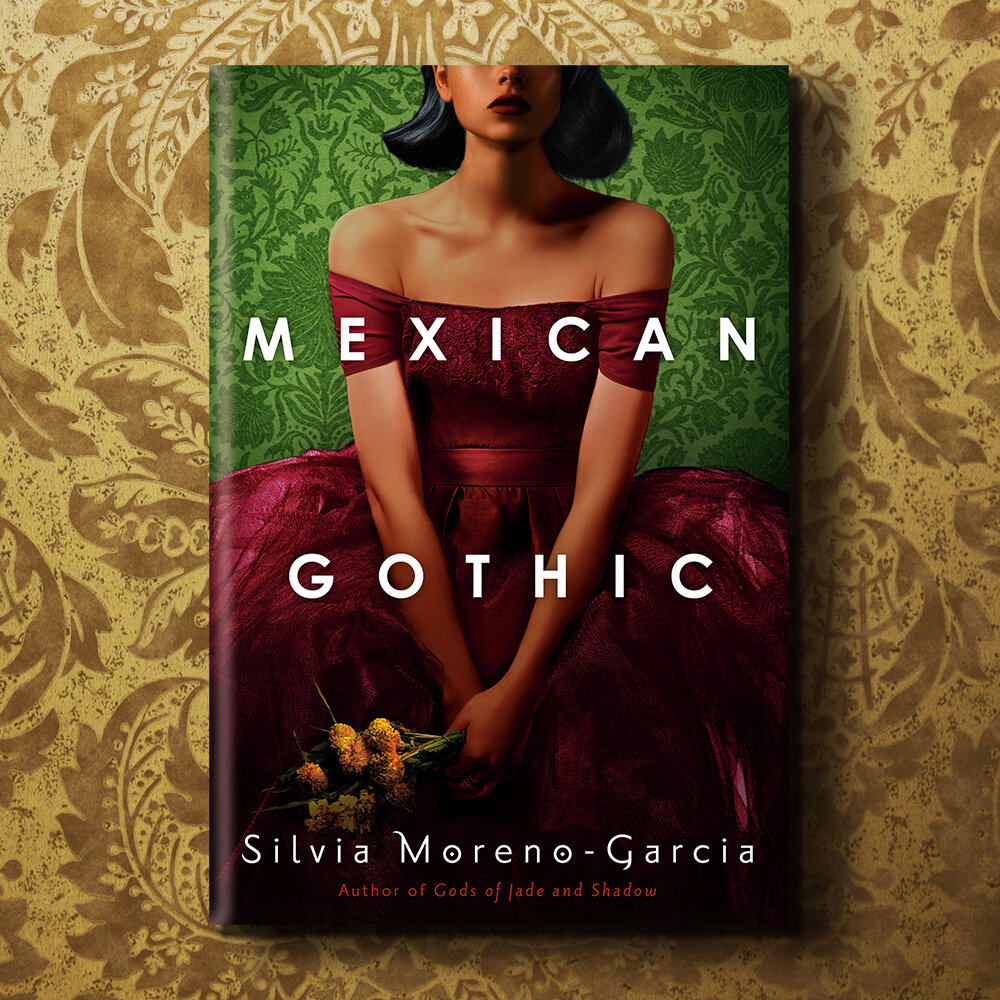
Silvia Moreno-Garcia This one. Moreno-Garcia has been hitting it out of the park for years now, but had her breakout to mainstream success with 2019’s Gods of Jade and Shadow, which was an extremely satisfying fairy-tale-like epic based on Mexican folklore. Last year’s Mexican Gothic upped the creep factor by serving Shirley Jackson realness at a secret-filled crumbling mansion isolated in the Mexican foothills. Grade: A+++++++++.
Harold Schechter Horrific, but not horror fiction. Schechter is a modern true crime master beloved to the true crime/podcast community. I learned about his work because my favorite horror/true crime podcast The Last Podcast on the Left often uses his work as their primary source. I listened to the audio version of The Serial Killer Files (2003) on Hoopla, which is a kind of “heavy hitters” lineup of the creepiest and most notorious serial killers of the 20th century. The solid research and clear prose were only overshadowed by the narrator mispronouncing Ed Gein’s name. My understanding is that we say “geen” rhymes with jean, not “gyne” as in gynecologist. As a daughter of Wisconsin this was glaring to me, which is why I’m having a hard time moving on. Check out Hell’s Princess (2018), one of Schechter’s latest, which details the totally bananas true story of Bell Gunness, butcher of men.
David Wong Jason Pargin has been writing under the pen name David Wong since before his days as editor-in-chief at Cracked.com and now even that is several years in the past. His first full-length novel, John Dies at the End (2007), was originally written in serial form on the author’s blog. It’s fun to start with this book and work through his catalog chronologically to see how his writing gets better and better. It’s also such a joy to see a personal favorite get so successful. John Dies at the End ended up getting adapted for film in 2012. It starred Paul Giacometti and was directed by horror royalty Don Coscarelli. For non-horror stans, this was a big huge deal and made many fanboys and girls spin off into dorky paroxysms of joy.
Additional horror authors who are not Stephen King:
Max Brooks (World War Z; Devolution) Octavia Butler (Fledgling; Kindred) Tananarive Due (The Good House; My Soul to Keep) Stephen Graham Jones (The Only Good Indian; My Heart is a Chainsaw) Grady Hendrix (My Best Friend’s Exorcism; The Southern Book Club’s Guide to Slaying Vampires) Joe Hill (Horns; N0S4A2) T. Kingfisher (The Twisted Ones; The Hollow Places) Ira Levin (Rosemary’s Baby; The Stepford Wives) Anne Rice (Interview with the Vampire; The Queen of the Damned) Riley Sager (Final Girls; Home Before Dark)
As for me, I promised my friend that I would read minimum one (1) Stephen King novel within the next calendar year, so now I have the audio copy of Salem’s Lot waiting in my Overdrive/Libby holds. There are 12 other people ahead of me, so I imagine it will be well past spooky season by the time I get to check it out. Not to worry, because I try to keep that shit in my heart the year-round.
And as for you, what happens if nothing on the list stands out? Do not hesitate to reach out for more book recommendations whether they are for horror fiction, cozy mysteries, amish romance, silkpunk, Nordic noir, cashier memoir, you name it we will help find it for you.
In the lastcouple of years, I wrote about some of my favorite horror movies. Instead of movies, to keep things fresh, I decided to talk about horror graphic novels. So get cozy in your favorite reading chair and grab one of these terrifying titles! Like my other posts, I’ve included the synopsis from our catalog.
“Kurôzu-cho, a small fogbound town on the coast of Japan, is cursed. According to Shuichi Saito, the withdrawn boyfriend of teenager Kirie Goshima, their town is haunted not by a person or being but by a pattern: uzumaki, the spiral, the hypnotic secret shape of the world. It manifests itself in everything from seashells and whirlpools in water to the spiral marks on people’s bodies, the insane obsessions of Shuichi’s father and the voice from the cochlea in our inner ear. As the madness spreads, the inhabitants of Kurôzu-cho are pulled ever deeper into a whirlpool from which there is no return!”
This week’s Mead Bookish Bingo challenge uses a couple of anagrams in order to fit on the game square, so let’s start there. If you are unfamiliar, BIPOC stands for Black, Indigenous, People of Color, and this week’s challenge is specifically about BIPOC women in STEM—Science, Technology, Engineering, and Mathematics.
Pictured above is Dr. Mae C. Jemison: physician, engineer, scientist, and NASA astronaut. Jemison was also the first black woman to travel into space when she served as a mission specialist aboard the Space Shuttle Endeavour.
STEM fields are male-dominated, and like artists, many women in STEM receive recognition posthumously. One famous example is Ada Lovelace. Ada Lovelace is now credited with being the first computer programmer because of the algorithm she created to be carried out by a machine, Charles Babbage’s analytical engine—a predecessor of the electronic computer which was invented over one hundred years before the first modern computer was built.
Lovelace was not a woman of color, but she is a notable woman of STEM and is the namesake of the international holiday Ada Lovelace Day (ALD). ALD is recognized worldwide on the second Tuesday in October to raise the profile of women in STEM and celebrate their achievements. The intention is to inspire more women and girls to pursue their interests and careers in STEM. For more information on ALD and events taking place, check out findingada.com.
Women of color are even less represented and acknowledged than white women for their achievements, so I’d like to spotlight a few more STEM superstars that everyone should know.
Among the many women of note in “Born Curious”, Dr. Patricia Era Bath was both a physician and inventor who created the Laserphaco Probe—the machine that uses lasers to remove cataracts from eyes. Read more about Dr. Bath and her many other accomplishments, including being one of the first black women to be inducted into the National Inventors Hall of Fame!
Dr. Ellen Ochoa is an American engineer, astronaut and was the first Hispanic director of the Johnson Space Center. Ochoa was also the first Hispanic woman to go to space when she served aboard the Space Shuttle Discovery.
The Iraqi-born British architect Zaha Hadid was the first woman and Muslim recipient to win the Pritzker Prize, known as the Nobel for architecture. Hadid was also the first woman to receive the Royal Institute of British Architects (RIBA) gold medal.
While “Women in Science” is chock-full of amazing female scientists, Chien-Shiung Wu should be particularly noted as a Chinese-American physicist who made significant contributions in the fields of nuclear and particle physics. Wu worked on the Manhattan Project, where she helped develop the process for separating uranium into uranium-235 and uranium-238 isotopes by gaseous diffusion.
In my search to discover the best and most current books on women in STEM to share with you, I have come to the unfortunate conclusion that there are not very many full-length biographies for adults written about women and their successes in STEM fields, particularly BIPOC women. Are you listening writers?
In the meantime, here are a few additional titles that include brief biographies on many influential women in STEM: “Wonder Women” by Sam Maggs, “Women in Space” by Karen Bush Gibson, “Twentieth Century Women Scientists” by Lisa Yount, “Women Who Dared” by Linda Skeers, and “Women of Steel and Stone” by Anna M. Lewis.
And if you haven’t read it or seen the movie, yet, check out “Hidden Figures” by Margot Lee Shetterly. Just do it! It’s amazing.
One last thing. I would be remiss if I did not mention one of my absolute favorite fall events: Mead Public Library’s Tea & Tech: Girls’ STEM Day coming up on October 23. This virtual program is open to girls ages 8-17 and will feature NASA Langley Research Center’s Dr. Julia Cline, Gearbox Lab’s Isabel Mendiola, Spectrum News 1’s Brooke Brighton, and Laser Tech FTC—as well as, hands-on activities and lightning talks by local women in STEM.
And tea. Of course, we will have tea. And swag. We have some amazing swag bag goodies to share with our T&T participants, courtesy of Starbucks, MilliporeSigma, Gearbox Labs, Spectrum News 1, the Wisconsin Science Festival, and Mead Public Library.
No, the title of this is not an oxymoron! I was curious which of our poetry books had proved the most popular over the past year, so I decided to take a look at our data and put together a list. Would it surprise you to know that one poet has three different books in the top five? Check them out below!
Code-switching is becoming an increasingly popular practice in writing children’s literature. Code-switching happens when one moves fluidly between two languages within written or spoken dialogue. It is often used when a word cannot be directly translated or loses meaning in translation, or as a way of better illustrating themes where another language may describe something better or be more appropriate than English. Spanglish is a common word used when referring to the code-switching between English and Spanish.
Children’s books are an enjoyable way to introduce your child (or yourself) to another language. If you are looking to incorporate a second language into your daily life or to keep a language alive in the home, books that use two languages are a good place to begin. They often include a glossary with translations and use repetition to emphasize words that are in the language other than English. These books can be found in a variety of languages, but the most common are English to Spanish. Below are a selection of favorites from Mead Public Library’s children’s collection (descriptions provided are taken from the book publishers):
This morning I awoke with Dua Lipa’s “Love Again” playing in my head, and gawdamn, it’s got me singing the song, again. Lately, between that and Ed Sheeran’s “Bad Habits”… I know I should swear off pop music, but I won’t.
My brain is forever a jukebox that is often playing songs that I may have heard recently or haven’t heard in years—maybe I dreamed about it? There isn’t always a rhyme or reason, but there is one constant, a song is playing. Once in a while, a song even gets stuck on repeat. (After singing “Mack the Knife” in a college jazz concert, I frequently found myself humming and singing, “Oh the shaaark haaas, prrretty teeeth, Deeear, and he shows themmm, PEHHRRRly white…”)
It’s for this reason that I tend to despise earworm songs—even the term creates a disgusting visual for me, and brainworm is enough to induce the heebie-jeebies. One of my most hated earworms is Kylie Minogue’s “Can’t Get You Out of My Head”, because the only thing worse than an earworm is one that mocks you! (By the way, there is a real term for this condition: Involuntary Musical Imagery or INMI, and Mental Floss offers a cure!)
Earworms aside, I am a music lover. I enjoy most genres, or at least some songs from each, but alas, as I am recognizing a sign of aging, I feel nostalgic listening to music from the 90’s and early oughts, my teenage and college years.
One of our Mead Bookish Bingo challenges this year is to read a book that has a connection to a song released in the year 2000. This can mean that the book or title was inspired by a song from that year or that the song from that year was inspired by a book from any time.
This is one of our most challenging challenges, if you will. I did some deep digging for this one, and here are a few literary options for you. This list is not exclusive, so if you have additional suggestions, please share them on our Goodreads discussion board.
“Afternoon on a Hill” by Edna St. Vincent Millay (This is technically a poem, but the poem was made into a children’s book, so it counts.) Inspired “The Gladdest Thing” by Deb Talan
This whimsical poem expresses the joys of being out in the natural world as “the gladdest thing under the sun.”
This story focuses on a young family that moves into a small home on Ash Tree Lane where they discover something is terribly wrong: their house is bigger on the inside than it is on the outside.
An astonishingly rich re-creation of the land of Oz, this book retells the story of Elphaba, the Wicked Witch of the West, who wasn’t so wicked after all. Taking readers past the yellow brick road and into a phantasmagoric world rich with imagination and allegory, Gregory Maguire just might change the reputation of one of the most sinister characters in literature.
Mr. Jones of Manor Farm is so lazy and drunken that one day he forgets to feed his livestock. The ensuing rebellion under the leadership of the pigs Napoleon and Snowball leads to the animals taking over the farm. Vowing to eliminate the terrible inequities of the farmyard, the renamed Animal Farm is organized to benefit all who walk on four legs. But as time passes, the ideals of the rebellion are corrupted, then forgotten. And something new and unexpected emerges…
Brave New World is Aldous Huxley’s 1932 dystopian novel. Borrowing from The Tempest , Huxley imagines a genetically-engineered future where life is pain-free but meaningless. The book heavily influenced George Orwell’s 1984 and science-fiction in general.
It is the height of Spain’s celebrated golden century – but beyond the walls of the Royal Palace there is little on the streets of Madrid that glitters. The Invincible Armada has been defeated. The shadow of the Inquisition looms large. And the Thirty Years’ War rages on in Flanders. When a courageous soldier of this war, Captain Diego Alatriste, is forced to retire after being wounded in battle, he returns home to live the comparatively tame – though hardly quiet – life of a swordsman-for-hire. In this dangerous city where a thrust of steel settles all matters, there is no stronger blade than Alatriste’s.” The captain is approached with an offer of work that involves giving a scare to some strangers soon to arrive in Madrid. But on the night of the attack, it becomes clear that these aren’t ordinary travelers – and that someone is out for their blood. What happens next is the first in a series of riveting twists, with implications that will reverberate throughout the courts of Europe
Harry Potter is a series of seven fantasy novels written by British author J. K. Rowling. The novels chronicle the lives of a young wizard, Harry Potter, and his friends Hermione Granger and Ron Weasley, all of whom are students at Hogwarts School of Witchcraft and Wizardry.
During my research, I also discovered that Artists for Literacy began a fundraising campaign in the year 2000 to recruit literary-influenced songs by top artists to inspire new readers and support free tutoring programs. 2000 was indeed a great year for the literature-music connection.
*Book descriptions and images are from Goodreads.com, except for the Harry Potter series description, which is from Wikipedia
Summer continues to simmer as we fall into Autumn. Our students, teachers, parents and caregivers prepare for another new and unusual year of learning, returning to a school schedule into a new grade – all while still navigating the pandemic. This year brings us a mixture of school anxiety and excitement as we build relationships and grow as we learn together. We wanted to share some books from our Monarch system, as well as local and national online resources to assist in making the transition to this new year a little easier with enjoyable, engaging tools sprinkled in. The books listed below are available for request through the Monarch library catalog. (Descriptions provided are taken from the book publishers.) Be sure to take a look at the additional resources we included as well. We hope everyone has a safe and enjoyable school year!
There will be times when you walk into a room and no one there is quite like you.
There are many reasons to feel different. Maybe it’s how you look or talk, or where you’re from; maybe it’s what you eat, or something just as random. It’s not easy to take those first steps into a place where nobody really knows you yet, but somehow you do it.
Jacqueline Woodson’s lyrical text and Rafael López’s dazzling art reminds us that we all feel like outsiders sometimes-and how brave it is that we go forth anyway. And that sometimes, when we reach out and begin to share our stories, others will be happy to meet us halfway.
Below, I’ll share some books pulled together by my coworker, Erica, that would be perfect for this challenge. There are separate sections for adult books and teen books; descriptions have been taken from our catalog or the publisher. If you’re looking for children’s books, check out this previous blog post by Bree, Love Your Mother Earth!
Featuring 144 short and fascinating nature essays grouped by season, this beautifully illustrated volume serves as a trailside companion year-round. Find out about black bears and blackbirds, walleyes and woodchucks, snow geese and snow fleas, all in your own backyard. Nature lovers of all ages will appreciate Buchholz’s breezy style and wealth of outdoor knowledge.