Every December, hundreds of librarians from across the country vote for their favorite books of the year. This year’s picks include a thriller about what happens to the survivors after the credits roll in a horror flick, a historical novel about an abandoned mother who works to save her family during the Dust Bowl, and a fantastical love story between a ghost who needs to cross over to the other side and the ferryman responsible for transporting the souls of the dead.
Elsa Martinelli has two children, an unhappy marriage, and a farm that she stubbornly helps tend. But when the Great Depression and the Dust Bowl hit, the family’s relations are stretched to the brink. Abandoned by her husband, faced with dying livestock and failing crops, Elsa must choose whether to stay with the land she loves or flee in search of a better life for her and her children.
I guess I should start by saying that this isn’t necessarily “recent poetry” – it’s poetry that I’ve discovered recently and loved. But I’ve been trying, for the past few months, to read at least a little poetry every day (which also means working through my backlog of unread poetry books), and I’ve run across some books that I’ve really thought were great. So here we go, four recommendations from me for books that are objectively (my opinion is objective, right?) great books of poetry.
I am not sure how I had never run into William Stafford before in my reading – I didn’t know anything about him. But he was the Consultant in Poetry to the Library of Congress in 1970 (the position that is now Poet Laureate), so he’s hardly obscure. I actually had this book on my bookshelf, and when Robert Bly died recently, I noticed that he had written the introduction to this, so it caught my eye.
It’s a fantastic book that also has the bonus of a very good introduction (I always like to hear poets talking about other poets, especially when they knew each other as in this case). And Stafford’s poems are clear yet deep; he looks at the world around us, but he also makes those beautiful leaps that leave you feeling not confused but awed.
What even is a manifesto? The very boring dictionary definition of manifesto is “a public declaration of policy and aims, especially one issued before an election by a political party or candidate”. For further clarity, I learned this derives from the Latin manifestum which means “clear or conspicuous”. So basically, if one publishes a manifesto, one is clearly defining their stance on some topic for public consumption. For me, the word “manifesto” immediately conjures images of the Unabomber wanted poster, and of Valerie Solanas, who infamously shot Andy Warhol during a dispute over her proto-feminist SCUM Manifesto. In more recent years, spree killer Elliot Rodger left behind hundreds of hours of weblogs detailing why women deserved to die for rejecting him. It seems to me, content being created by violent fringe-dwellers is generally labelled as “manifesto”. This got me wondering if any wholesome manifestos exist, and if so, would one want to engage with them? Below, I listed several library items that contain the word “manifesto” in the title.
But first, I wanted to demonstrate that not all manifestos are impenetrable screeds detailing the evils of technology. In fact, sometimes they exist as simple lists. For instance, here is the 10-point manifesto Frank Lloyd Wright would give his apprentices:
1. An honest ego in a healthy body. 2. An eye to see nature 3. A heart to feel nature 4. Courage to follow nature 5. The sense of proportion 6. Appreciation of work as idea and idea as work 7. Fertility of imagination 8. Capacity for faith and rebellion 9. Disregard for commonplace (inorganic) elegance 10. Instinctive cooperation
Great list, Frank. Love it. Direct, abrupt, to the point, and information-rich. I think if I were walking into an apprentice situation under a living genius, receiving a list like this would be empowering and exciting.
Here are some other manifestos of varying subject matter available in the Monarch catalog that have nothing to do with domestic terror, multiple murders, or the shooting attack of important 20th century artists. Book descriptions sourced from Goodreads:
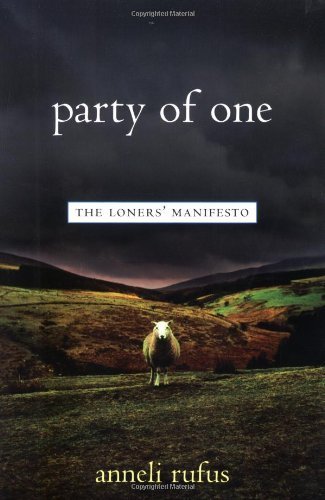
Party of One: The Loners’ Manifesto (2003) by Anneli S. Rufus The Buddha. Rene Descartes. Emily Dickinson. Greta Garbo. Bobby Fischer. J. D. Salinger: Loners, all — along with as many as 25 percent of the world’s population. Loners keep to themselves, and like it that way.
In Party of One Anneli Rufus has crafted a morally urgent, historically compelling tour de force in defense of the loner, then and now.
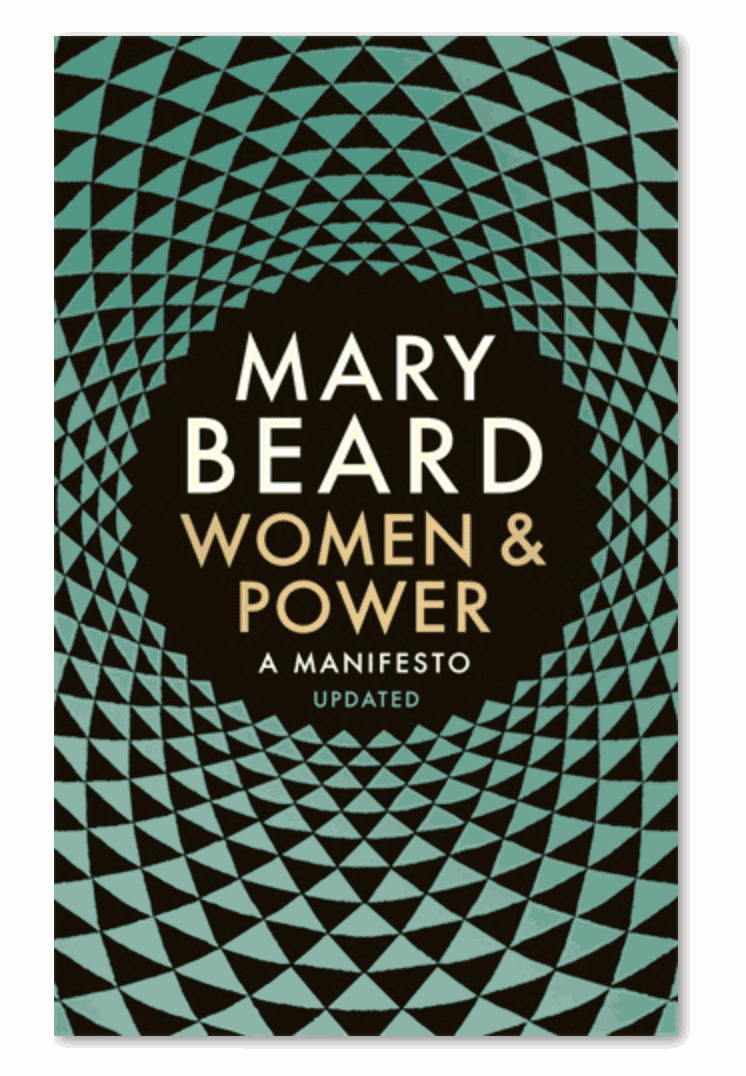
Women & Power: a Manifesto (2017) by Mary Beard In Women & Power, Beard traces the origins of this misogyny to its ancient roots, examining the pitfalls of gender and the ways that history has mistreated strong women since time immemorial. As far back as Homer’s Odyssey, Beard shows, women have been prohibited from leadership roles in civic life, public speech being defined as inherently male. From Medusa to Philomela (whose tongue was cut out), from Hillary Clinton to Elizabeth Warren (who was told to sit down), Beard draws illuminating parallels between our cultural assumptions about women’s relationship to power—and how powerful women provide a necessary example for all women who must resist being vacuumed into a male template. With personal reflections on her own online experiences with sexism, Beard asks: If women aren’t perceived to be within the structure of power, isn’t it power itself we need to redefine? And how many more centuries should we be expected to wait?
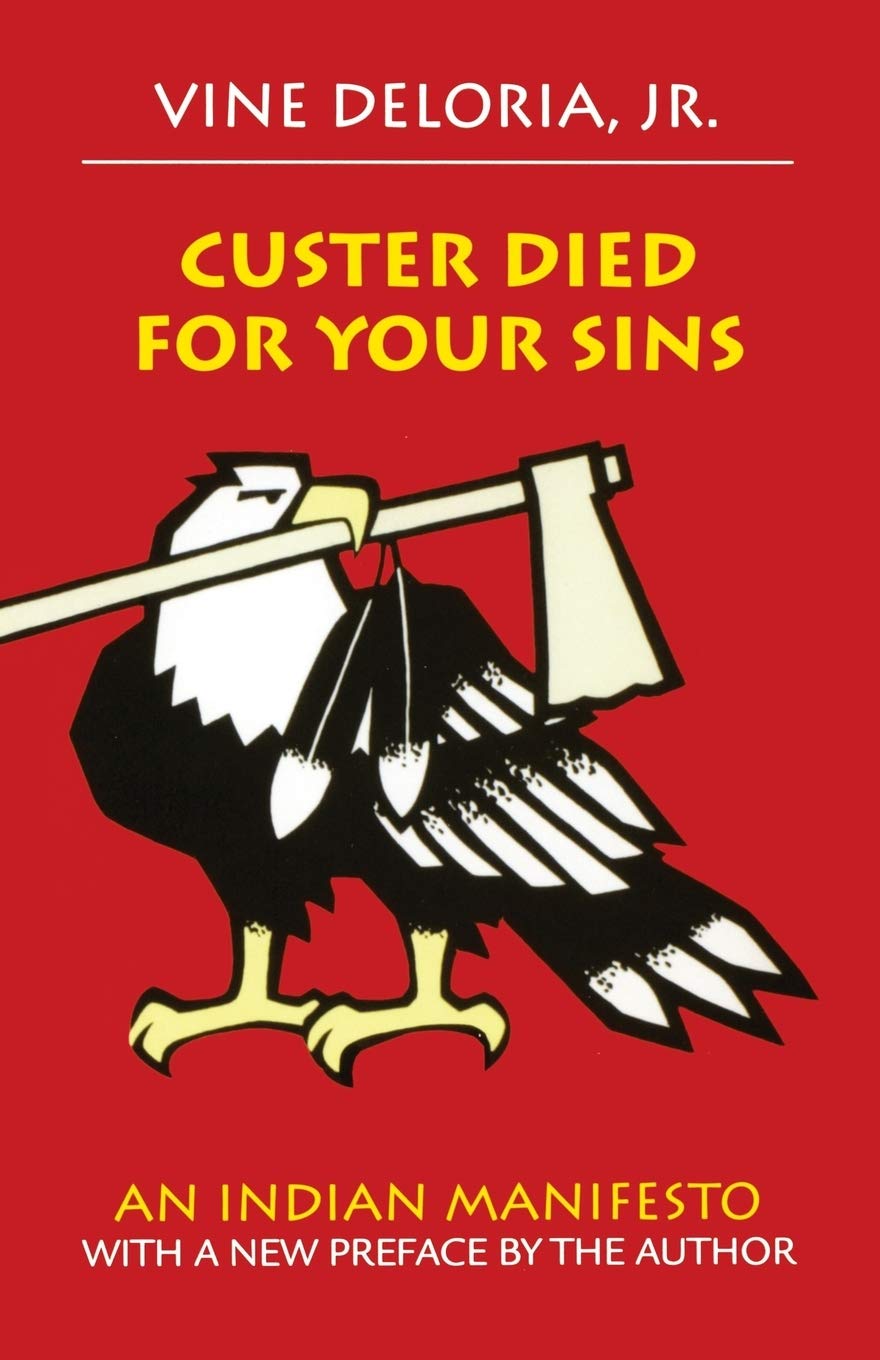
Custer Died for Your Sins: an Indian Manifesto (1969) by Vine Deloria In his new preface to this paperback edition, the author observes, “The Indian world has changed so substantially since the first publication of this book that some things contained in it seem new again.” Indeed, it seems that each generation of whites and Indians will have to read and reread Vine Deloria’s Manifesto for some time to come, before we absorb his special, ironic Indian point of view and what he tells us, with a great deal of humor, about U.S. race relations, federal bureaucracies, Christian churches, and social scientists.
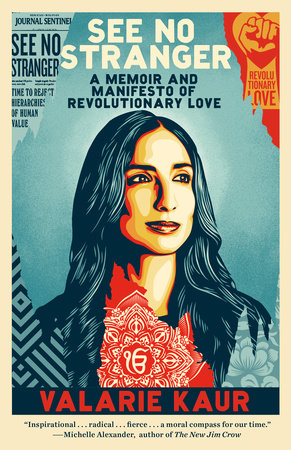
See No Stranger: A Memoir and Manifesto of Revolutionary Love (2020) by Valarie Kaur How do we love in a time of rage? How do we fix a broken world while not breaking ourselves? Valarie Kaur—renowned Sikh activist, filmmaker, and civil rights lawyer—describes revolutionary love as the call of our time, a radical, joyful practice that extends in three directions: to others, to our opponents, and to ourselves. It enjoins us to see no stranger but instead look at others and say: You are part of me I do not yet know. Starting from that place of wonder, the world begins to change: It is a practice that can transform a relationship, a community, a culture, even a nation.
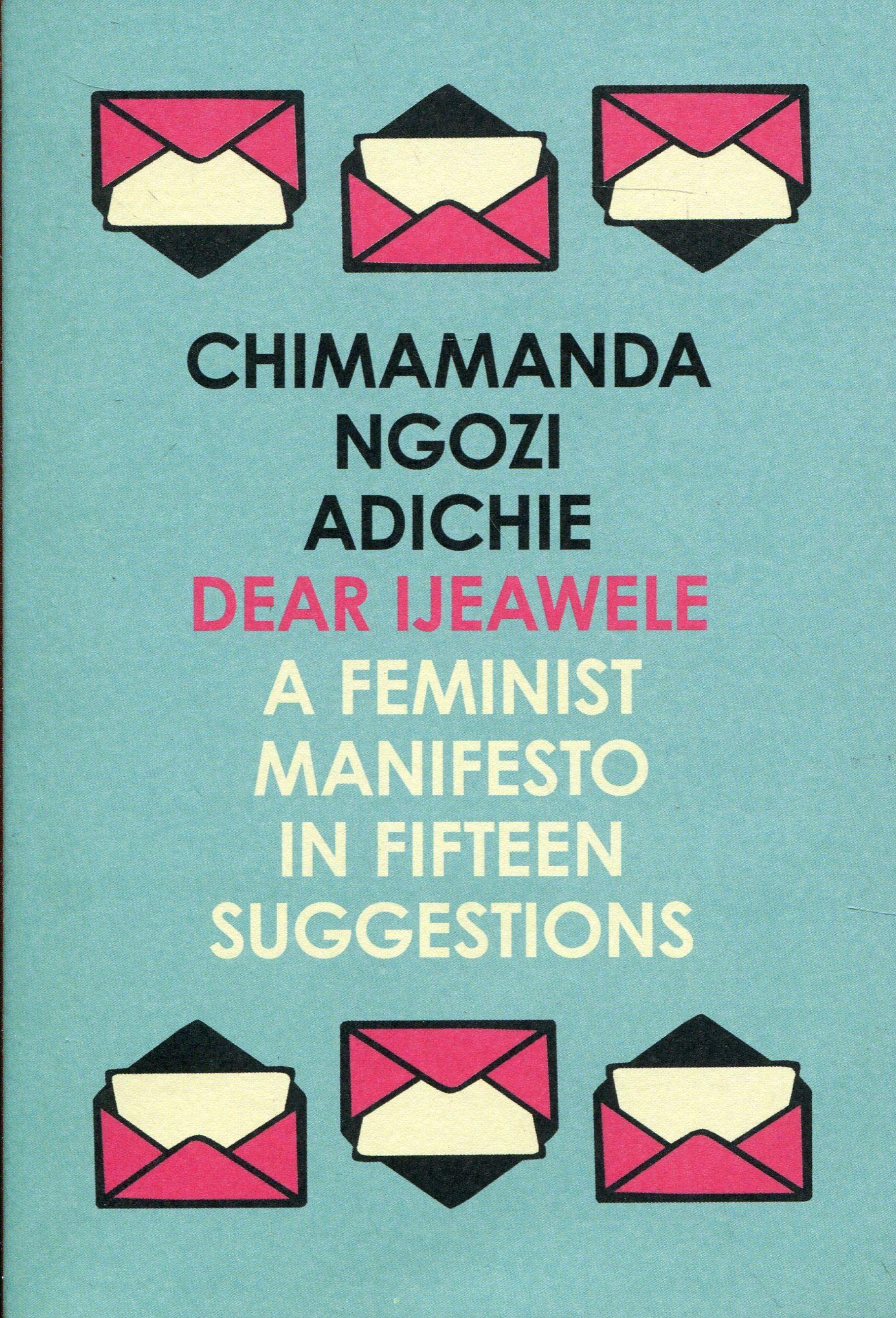
Dear Ijeawele, or, A Feminist Manifesto in Fifteen Suggestions (2017) by Chimamanda Ngozi Adichie A few years ago, Chimamanda Ngozi Adichie received a letter from a dear friend from childhood, asking her how to raise her baby girl as a feminist. Dear Ijeawele is Adichie’s letter of response.
Here are fifteen invaluable suggestions–compelling, direct, wryly funny, and perceptive–for how to empower a daughter to become a strong, independent woman. From encouraging her to choose a helicopter, and not only a doll, as a toy if she so desires; having open conversations with her about clothes, makeup, and sexuality; debunking the myth that women are somehow biologically arranged to be in the kitchen making dinner, and that men can “allow” women to have full careers, Dear Ijeawele goes right to the heart of sexual politics in the twenty-first century. It will start a new and urgently needed conversation about what it really means to be a woman today. See also Adichie’s excellent We Should All Be Feminists, Half a Yellow Sun, and Americanah. Everything she writes glows with intelligence.
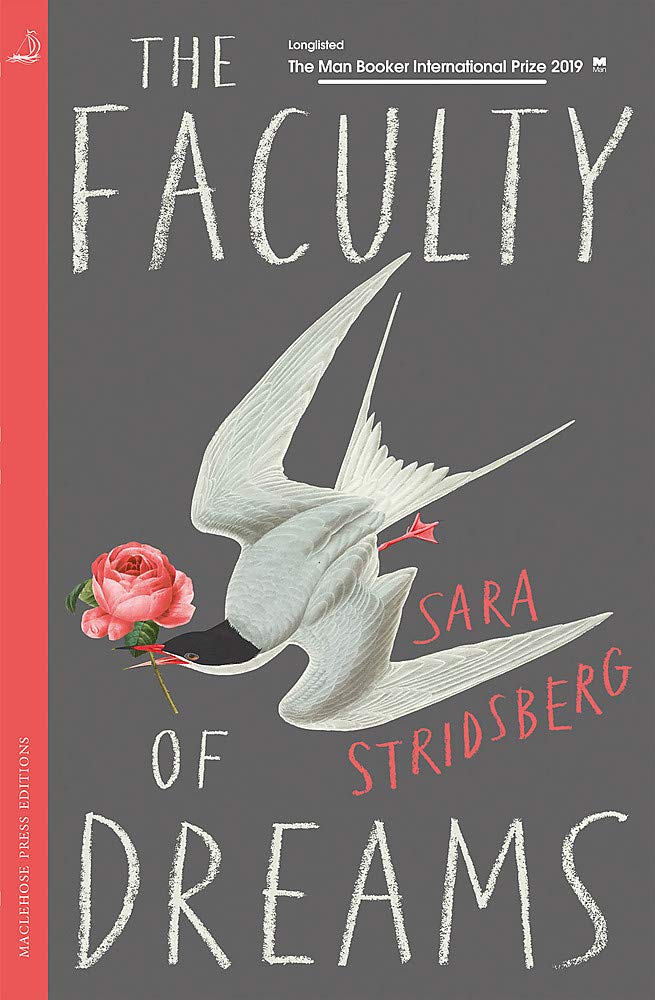
Valerie, or, The Faculty of Dreams (2019) by Sara Stridsberg This is not actually a manifesto, but it IS about Valerie Solanas, who I mentioned at the top. Valerie died alone in squalor at the age of 52. This book included the last of her writing as well as biographical information that frames this strange and tragic woman’s life of struggle with mental illness and addiction, in addition to being an enduing radical feminist icon.
I think I have amply proven that manifestos are as diverse as the people who write them, and most of us are probably walking around filled with enough passion, intelligence, and information to create manifestos of our very own. All of the listed titles are available in the Monarch catalog, often in a variety of formats. Not interested in any of these books or manifestos in general? No sweat, there are people, many people, at Mead Public Library who want nothing more than to take a crack at helping you get the books, movies, and music you are looking for. Reach out for reader’s advisory (book recommendations) by calling (920-459-3400), emailing (publicservices@meadpl.org), or consider using Mead’s Your Next Five Books service.
One of the book displays on the first floor of the library right now is on diverse romance novels, and it’s pretty amazing to see the variety of covers on there! Of course you have your books that are just some model’s shirtless torso – but romance novels are a lot wider than that, too! We see a lot of popular romance books here at the library with protagonists and love interests of different races, sizes, orientations, so I wanted to highlight some of them here!
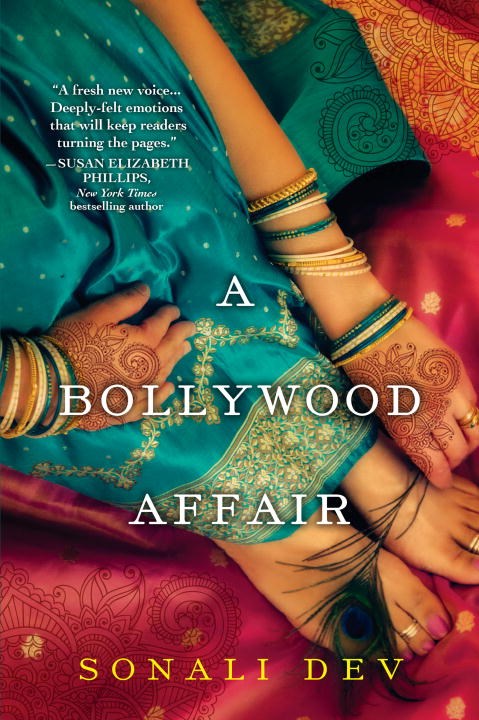
This book is not Sonali Dev’s latest, but a little older (2016) – which is great, because it means that if you like it, you have a bunch more books by her just waiting for you!
Mili Rathod hasn’t seen her husband in twenty years—not since she was promised to him at the age of four. Yet marriage has allowed Mili a freedom rarely given to girls in her village. Her grandmother has even allowed her to leave India and study in America, all to make her the perfect modern wife. Which is exactly what Mili longs to be—if her husband would just come and claim her.
Bollywood’s favorite director, Samir Rathod, has come to Michigan to secure a divorce for his older brother. Persuading a naïve village girl to sign the papers should be easy for someone with Samir’s tabloid-famous charm. But Mili is neither a fool nor a gold-digger. And before he can stop himself, Samir is immersed in Mili’s life—cooking her dal and rotis, escorting her to her roommate’s elaborate Indian wedding, and wondering where his loyalties and happiness lie.
Heartfelt, witty, and thoroughly engaging, Sonali Dev’s novel is both a vivid exploration of modern India and a deeply honest story of love, in all its diversity.
By now, most of the people in my inner circle have received their jabs so I’m back to having houseguests. My friend B came to town last weekend. We had a lovely bonfire and ate many cheeses. The nicest time was had by all. There was a moment, however, that I managed to astonish and appall my guest with one statement: I Have Never Read A Stephen King Book. In the past my biggest librarian sin was not having gotten around to reading Harry Potter. Relax, I got that covered in 2019 and it was fine. My friend B, as it turns out, is a HUGE King fan and could not believe that someone who is a librarian, avid reader, and horror fan, has not once thought to pick up something by The Master. Folks, my reading list is well over one thousand titles and while Stephen King has for sure cornered a certain portion of the market, would you believe there are literally THOUSANDS of authors cranking out content at any given moment competing for my attention? I do not actively dislike King. His work is often an emerging reader’s first interaction with a “grown-up” book and extrapolates into a lifelong love of reading and learning. His work is not unworthy, just uninteresting to me, specifically. Below, I have listed several horror authors of note for those of you who have run out of Stephen King books (I understand that is nigh impossible) and for people who love King but aren’t sure where to look next for more great horror.
Mira Grant Grant has been churning out some of the most genuinely creepy science fiction/horror for the last dozen or so years. She is preoccupied with various iterations of zombie apocoli and eldritch horrors of the deep. Grant is best known for her Newsflesh and Parasitology series and also writes under the name Seannan MacGuire whose catalog is well worth a look. For Grant, start with Parasite (2013) or Feed (2010).
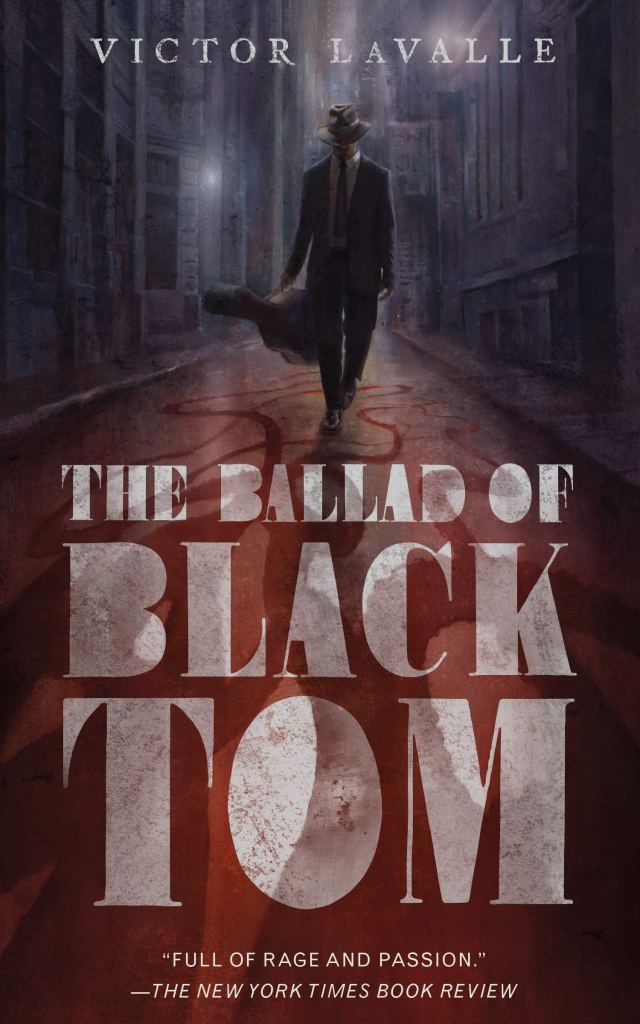
Victor Lavalle The Ballad of Black Tom (2016), is probably Lavalle’s best known book, but I first encountered him when I read The Changeling (2017). Any threadbare notion of ever having children was burned out of me after reading that book. The horrors of motherhood and more depicted in The Changeling gave me about a week’s worth of sleepless nights. Effective horror fiction, yes, but wow sometimes there are books I wish I could unread. This statement should be taken as an enthusiastic recommendation for the work of Victor Lavalle.
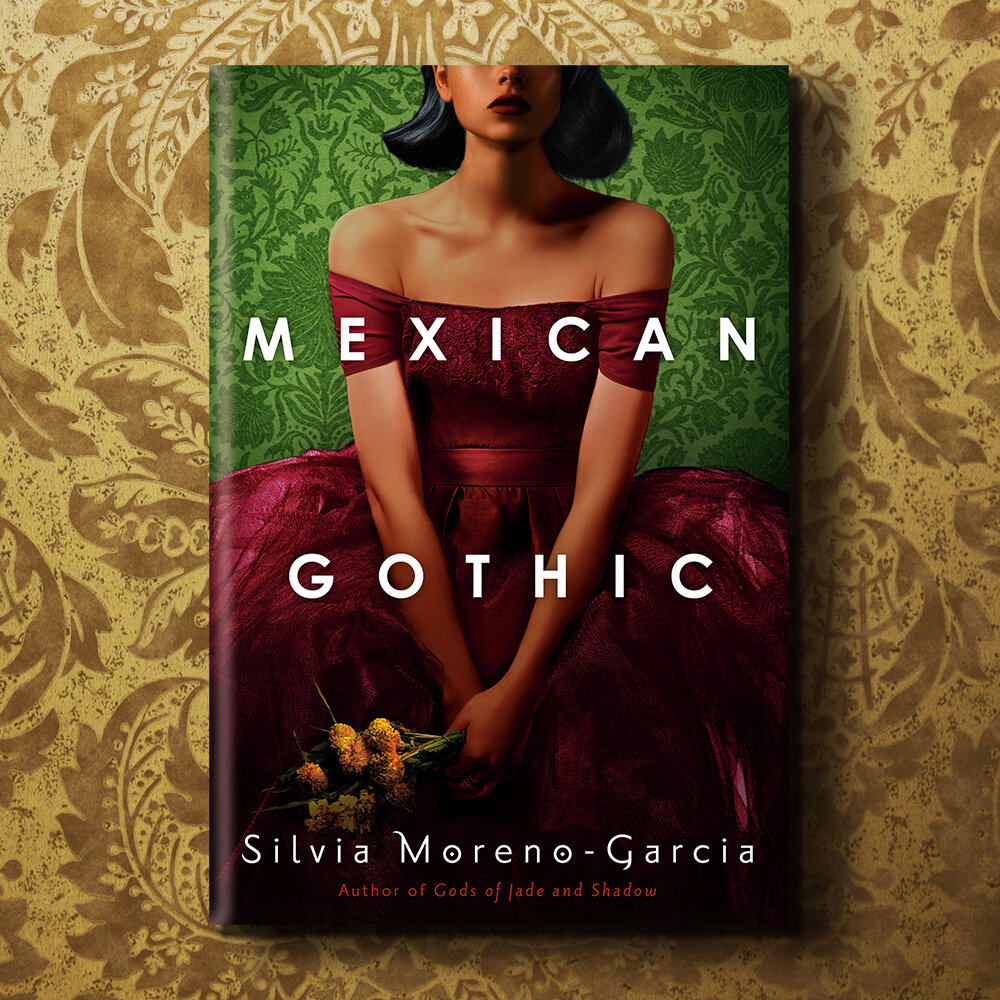
Silvia Moreno-Garcia This one. Moreno-Garcia has been hitting it out of the park for years now, but had her breakout to mainstream success with 2019’s Gods of Jade and Shadow, which was an extremely satisfying fairy-tale-like epic based on Mexican folklore. Last year’s Mexican Gothic upped the creep factor by serving Shirley Jackson realness at a secret-filled crumbling mansion isolated in the Mexican foothills. Grade: A+++++++++.
Harold Schechter Horrific, but not horror fiction. Schechter is a modern true crime master beloved to the true crime/podcast community. I learned about his work because my favorite horror/true crime podcast The Last Podcast on the Left often uses his work as their primary source. I listened to the audio version of The Serial Killer Files (2003) on Hoopla, which is a kind of “heavy hitters” lineup of the creepiest and most notorious serial killers of the 20th century. The solid research and clear prose were only overshadowed by the narrator mispronouncing Ed Gein’s name. My understanding is that we say “geen” rhymes with jean, not “gyne” as in gynecologist. As a daughter of Wisconsin this was glaring to me, which is why I’m having a hard time moving on. Check out Hell’s Princess (2018), one of Schechter’s latest, which details the totally bananas true story of Bell Gunness, butcher of men.
David Wong Jason Pargin has been writing under the pen name David Wong since before his days as editor-in-chief at Cracked.com and now even that is several years in the past. His first full-length novel, John Dies at the End (2007), was originally written in serial form on the author’s blog. It’s fun to start with this book and work through his catalog chronologically to see how his writing gets better and better. It’s also such a joy to see a personal favorite get so successful. John Dies at the End ended up getting adapted for film in 2012. It starred Paul Giacometti and was directed by horror royalty Don Coscarelli. For non-horror stans, this was a big huge deal and made many fanboys and girls spin off into dorky paroxysms of joy.
Additional horror authors who are not Stephen King:
Max Brooks (World War Z; Devolution) Octavia Butler (Fledgling; Kindred) Tananarive Due (The Good House; My Soul to Keep) Stephen Graham Jones (The Only Good Indian; My Heart is a Chainsaw) Grady Hendrix (My Best Friend’s Exorcism; The Southern Book Club’s Guide to Slaying Vampires) Joe Hill (Horns; N0S4A2) T. Kingfisher (The Twisted Ones; The Hollow Places) Ira Levin (Rosemary’s Baby; The Stepford Wives) Anne Rice (Interview with the Vampire; The Queen of the Damned) Riley Sager (Final Girls; Home Before Dark)
As for me, I promised my friend that I would read minimum one (1) Stephen King novel within the next calendar year, so now I have the audio copy of Salem’s Lot waiting in my Overdrive/Libby holds. There are 12 other people ahead of me, so I imagine it will be well past spooky season by the time I get to check it out. Not to worry, because I try to keep that shit in my heart the year-round.
And as for you, what happens if nothing on the list stands out? Do not hesitate to reach out for more book recommendations whether they are for horror fiction, cozy mysteries, amish romance, silkpunk, Nordic noir, cashier memoir, you name it we will help find it for you.
Summer continues to simmer as we fall into Autumn. Our students, teachers, parents and caregivers prepare for another new and unusual year of learning, returning to a school schedule into a new grade – all while still navigating the pandemic. This year brings us a mixture of school anxiety and excitement as we build relationships and grow as we learn together. We wanted to share some books from our Monarch system, as well as local and national online resources to assist in making the transition to this new year a little easier with enjoyable, engaging tools sprinkled in. The books listed below are available for request through the Monarch library catalog. (Descriptions provided are taken from the book publishers.) Be sure to take a look at the additional resources we included as well. We hope everyone has a safe and enjoyable school year!
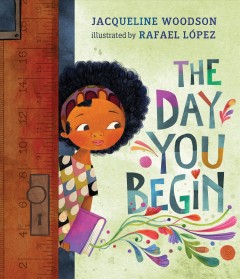
There will be times when you walk into a room and no one there is quite like you.
There are many reasons to feel different. Maybe it’s how you look or talk, or where you’re from; maybe it’s what you eat, or something just as random. It’s not easy to take those first steps into a place where nobody really knows you yet, but somehow you do it.
Jacqueline Woodson’s lyrical text and Rafael López’s dazzling art reminds us that we all feel like outsiders sometimes-and how brave it is that we go forth anyway. And that sometimes, when we reach out and begin to share our stories, others will be happy to meet us halfway.
Below, I’ll share some books pulled together by my coworker, Erica, that would be perfect for this challenge. There are separate sections for adult books and teen books; descriptions have been taken from our catalog or the publisher. If you’re looking for children’s books, check out this previous blog post by Bree, Love Your Mother Earth!
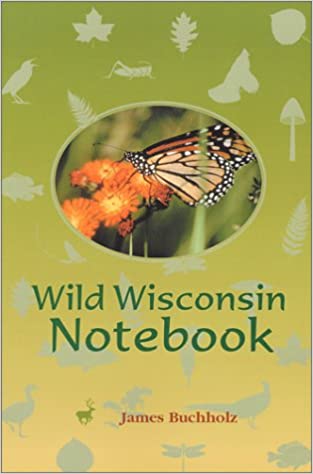
Featuring 144 short and fascinating nature essays grouped by season, this beautifully illustrated volume serves as a trailside companion year-round. Find out about black bears and blackbirds, walleyes and woodchucks, snow geese and snow fleas, all in your own backyard. Nature lovers of all ages will appreciate Buchholz’s breezy style and wealth of outdoor knowledge.
Summer is winding down, and now is the perfect time to mark off another square on your Bookish Bingo card! Whether you’re looking for a title to carry to the beach or a page-turner to carry you away while on a staycation, these books are sure to take you on an adventure. From the Midwest to Mongolia, from caves deep beneath the sea to flights 30,000 feet in the air, these authors have seen it all—and lived to write the tale.
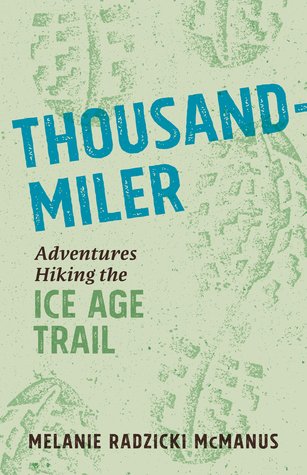
Starting close to home, Melanie Radzicki McManus’s Thousand-Miler: Adventures of Hiking the Ice Age Trail details her experience walking 1,100 miles of ancient trails throughout the state of Wisconsin. McManus is not on a leisurely stroll; she is endeavoring to set the record for a female thru-hiker on this trail. With humor and compassion, she shares stories of her fellow thru-hikers, describes communities near the trail, and digs into the history of the trail. You’ll see our state through a different lens and might be inspired to walk a mile or two on the Ice Age Trail.
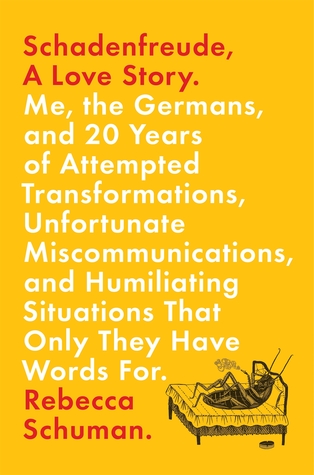
Our community was settled largely by immigrants from Germany, so it seems fitting that our next stop is that country. Schadenfreude, a love story: me, the Germans, and 20 years of attempted transformations, unfortunate miscommunications, and humiliating situations that only they have words for is perhaps the longest book title in our catalogue. Rebecca Shuman is a typical Jewish American teen when she encounters her first love—a teenaged boy with a volume of Franz Kafka in his backpack—which leads to the discovery of her real love: all things German. For the next twenty years, Schuman visits and lives in Germany, trying in both a literal and metaphorical way to make herself understood and to understand. It’s a bildungsroman told with great wit and humor, a snapshot of a young woman discovering herself in a country that’s piecing itself back together after the end of the Cold War.
There’s a trite but rather true impression that most little girls go through a horse-mania phase. Mine was mostly expressed by repeated readings of Black Beauty. Author Lara Prior-Palmer, however, decided to sign up for a 1,000-kilometer (621 mile) horse race. In Mongolia. On a whim. As detailed in Rough Magic: Riding the World’s Loneliest Horse Race, Prior-Palmer is nineteen and all at loose ends when she sees an ad for the Mongolian Derby—a race that recreates Genghis Khan’s horse messenger system. She impulsively decides that riding a series of 25 wild ponies across the steppe is the next logical step in her life-long love of horses and riding. The teenager is woefully underprepared for this race, bringing along scant equipment and unable to work the GPS. Her win is a testament to her grit, determination, and competitive spirit. And yet, because of Prior-Palmer’s frank avowal of her foolhardiness (and her spite towards another competitor), manages to save this memoir from the all-too-familiar narrative of the gritty underdog making good.
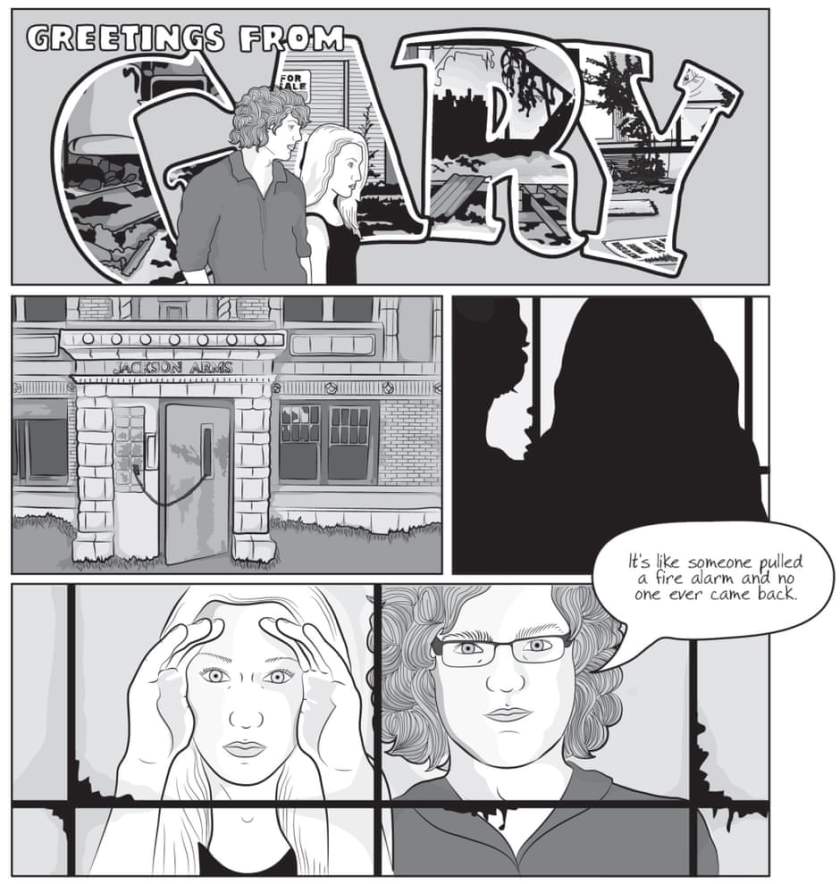
Photograph: Kristen Radtke/Pantheon
If you want to mark two squares with one book for the Bookish Bingo Challenge, Imagine Wanting Only This is the one for you. Kristen Radtke spins her tale in the form of a graphic memoir, relating scenes and circumstances with a combination of lyrical prose and black-and-white art. Loss of a beloved uncle combined with the unwitting desecration of a photographer’s memorial lead the author into a fascination with ruins. Traveling from Cambodia to Colorado, Radtke’s pursuit of these places reveals an existential restlessness, a fear that settling down and settling in means eventual decay into a ruin herself. If you have never thought of a comic book as an art form capable of moving and challenging its readers, Imagine Wanting Only This will shift your perspective.
Perhaps no other author on my list exemplifies the female adventurer as well as Jill Heinerth. She led teams that discovered long-submerged ruins of Mayan civilization, and she is the first person in history to dive deep into an Antarctic iceberg. Her memoir Into The Planet: My Life as a Cave Diver detail her transformation from office drone to renowned cave diver. Her prose is crisp yet conversational, alternately thrilling with its description of danger and charming with its depictions of underwater marvels. From the opening sentence to the final paragraph, Heinerth sets the adrenaline rushing and the imagination free.
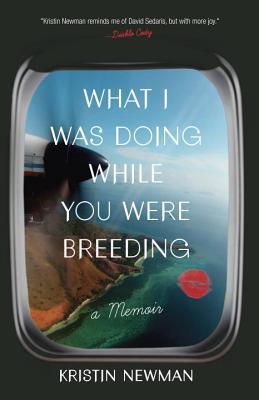
TV comedy writer Kristin Newman spent her 20s and 30s watching her friends get married and start families. Unwilling to either settle down or become the sad single girl, Newman instead spent months each year travelling around the globe. She details her adventures with an easy, infectious humor and delves with equal aplomb into self-reflection. Why is it, exactly, that every obstacle sends her on a transatlantic flight?
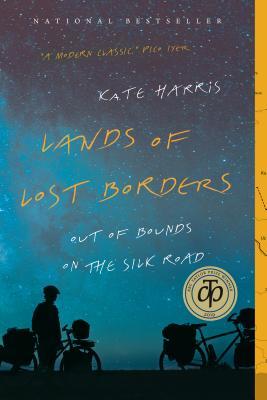
Author Kate Harris dreamed of being an explorer when she was a young girl. Unfortunately, the world had already been discovered and mapped long before she grew up in a small Ontario town. In between studying at Oxford and MIT, Harris and her childhood friend decided to travel the Silk Road by bicycle. Cycling through miles of remote countryside, Harris begins to wonder about the definition of “explorer.” It is someone who discovers something, or is it someone who lives life outside of boundaries, discovering themselves?
It is 2011, and all universities in North Korea have been shut down for an entire year, the students sent to construction fields– except for the 270 students at the all-male Pyongyang University of Science and Technology (PUST), a walled compound where portraits of Kim Il-sung and Kim Jong-il look on impassively from the walls of every room. Suki Kim offers a moving and incalculably rare glimpse of life in the world’s most unknowable country, and at the privileged young men she calls “soldiers and slaves.”
In 1993, the New York Times debuted a new feature, the Frugal Traveler, in its pages. Susan Spano was the first columnist, and she took her readers on fascinating trips around the globe. French Ghosts, Russian Nights, and American Outlaws is a collection of some her most beloved pieces. Join Spano as she journeys from the Artic Circle to Java, from China to the Andes Mountains. Through her tales, Spano lives her philosophy of life and travel: Go forth and find meaning. And return home with a tan, whenever possible.
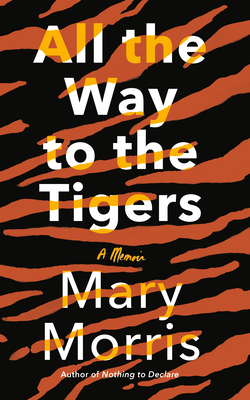
Mary Morris was supposed to be going on sabbatical. Instead, an accident left her in a wheelchair for three months while she endured two surgeries, extensive rehabilitation, and doubts about her ability to ever walk again. While reading Death In Venice, she was captivated by the lines, “He would go on a journey. Not far. Not all the way to the tigers.” Morris decided then and there that she would travel all the way to the tigers. She spent weeks over a three-year period in India, searching for the world’s most elusive predator, learning about and finding a deep connection to the wild cat. Told in over a hundred short chapters, Morris weaves a multi-layered tale of determination, family, travel, and growth.
Book descriptions are courtesy of Monarch Catalog, except Schadenfreude, a love story: me, the Germans, and 20 years of attempted transformations, unfortunate miscommunications, and humiliating situations that only they have words for—provided by Amazon.
Now that the 2021 (2020?) Tokyo Summer Olympic Games have ended we all have additional time to work on our Mead Bookish Bingo Challenge. Below, I assembled several titles that will let you cross off the square for “Books set in a country that has NEVER hosted the Olympics”.
For instance, did you know that despite having over 50 countries registered with the International Olympic Committee, there has never been a modern Olympic games hosted by any country in the entire continent of Africa? This is largely due to the extreme cost attached to hosting an Olympics. Beijing reportedly spent $40 billion to host the 2008 Summer Olympics. If that big ol’ price tag is a deterrent for wealthy nations, imagine the strain this would have on a developing country. While there is talk of the games coming to Senegal far down the road, we must make due in the meantime.
The titles listed above represent the tiniest sliver of literature produced in un-Olympic-ed nations. From travelogues to groovy science fiction, there is a pantheon of literature to choose from to get this bingo square crossed off.
Do you still need a Mead Bookish Bingo card? It’s not too late to complete a row. Pick up a copy at the first or second floor desk at Mead or print your own out HERE. Would you like a little more community while you work on our bingo card? Consider joining our Goodreads group HERE.
If none of the titles listed appeal, contact us for additional recommendations. Please do not hesitate to reach out for help requesting materials, troubleshooting our ebook platforms, or anything else, really.
With a whopping 200 holds on its various formats, The Four Winds has topped hundreds of people’s summer reading lists. Kristin Hannah’s tale of a woman’s struggle to keep her farm, family, and marriage alive through the Dust Bowl has hooked readers with deft writing and details of the gritty reality of 1930s rural life. But what to do if you’re still waiting for your copy to turn up?
Below are 5 titles to tide you over while you wait.


















 Mead Public Library Blog