
As most readers of fantasy fiction have noticed, fairy tale retellings are trending with no sign of slowing down. Personally, I can’t get enough of them, and I’d be happy to see the trend continue for some time yet. I’ve already explored a little bit of this subgenre on this blog with my post about novella-length fairy tale retellings here. That being said, I do understand why some readers might wonder whether it might get stale to revisit the same stories so many times, no matter how imaginatively reinvented they may be. My answer is that that isn’t what the genre is doing, or at least it certainly doesn’t have to be! Fairy tales are such a rich and broad tradition of storytelling that I think it will be quite some time before modern authors actually run out of stories to retell. That’s why today, I’ve chosen to showcase retellings of some off-the-beaten-path fairy tales. These books present contemporary takes on fairy tales that are perhaps not as well known, at least in the English-speaking world, as standards like Snow White, Cinderella, and Sleeping Beauty. It’s always a delight for me to read one of these, full of both the comforts of the familiar and the enchantment of the new. I hope you’ll enjoy reading all of them just as much as I did.
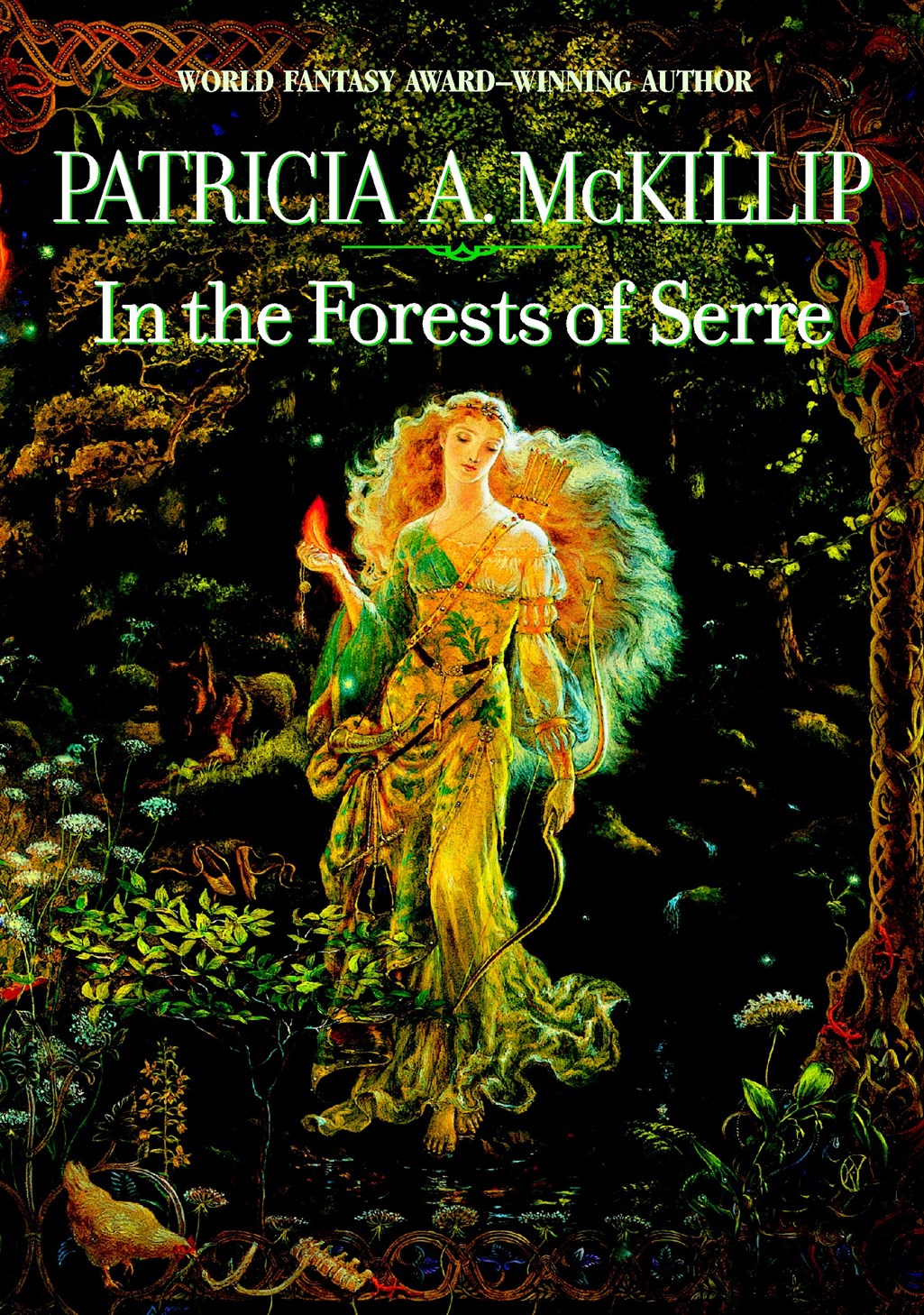
In the Forests of Serre by Patricia A. McKillip
I’ve enthused about Patricia A. McKillip’s writing on this blog before. In terms of pure beauty of prose, I believe she may be one of the finest in her field. Imagine when my delight when I picked up In the Forests of Serre, drawn in by that gorgeous cover (featuring art by Kinuko Y. Craft and design by Judith Murello), only to discover that I was in for a loose retelling of the Russian stories of the legendary Firebird. In the Forests of Serre follows Princess Sidonie as she discovers that Prince Ronan, the man to whom she is betrothed, is a man who has lost his heart: to a witch’s curse, to grief over the loss of his wife and child, and to obsession with the firebird, a creature so sublime he feels it might be the last worthwhile thing left in the world. This might be the most suspenseful novel of McKillip’s I’ve yet read. Up to the final act I genuinely didn’t know how the story was going to end, much less how it was going to end happily – an impressive feat for any book that draws inspiration from a fairy tale. It’s a rare book that can make me genuinely laugh in one scene and really tear up in another, but this one managed it. The wit of the characters, Princess Sidonie especially, reminded me of the film version of The Princess Bride, but their resonantly drawn emotions had me thinking of The Last Unicorn. If you want to read a book that reminds you why we keep returning to and reinventing these old stories again and again, The Forests of Serre just might enchant you as much as it did me.
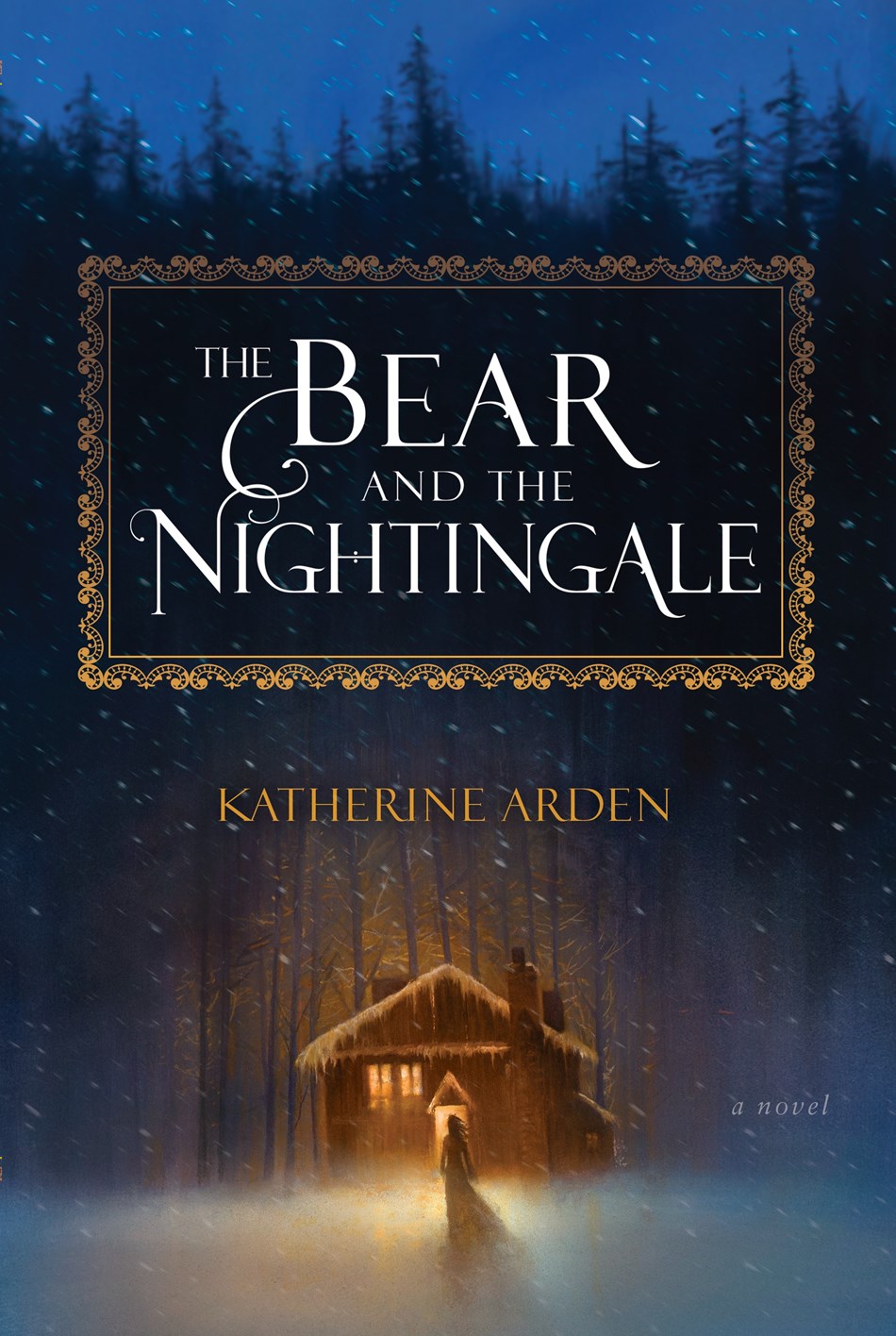
The Bear and the Nightingale by Katherine Arden
In The Bear and the Nightingale, Katherine Arden re-imagines many strands of Russian fairy tale and folklore into a resonant novel with a deft hand for character and atmosphere. The Bear and the Nightingale tells the story of Vasya, a defiant young woman whose affinity for the supernatural becomes her only defense against a tyrannical stepmother. When the village priest begins to suspect her of witchcraft, Vasya may have no choice but to call upon the terrible powers of the winter spirit Frost. Though the plot loosely follows the beats of the fairy tale Father Frost, Arden clearly drew from a deep well of Russian fairy tales and folklore to create this novel, and her passion for the material she’s adapting lights up on the page. Furthermore, The Bear and the Nightingale is a masterclass in atmosphere. I was lucky enough to read The Bear and the Nightingale in the middle of winter, but at any time of year, this book drives home why so many of the oldest stories are concerned with the power of nature. At time of writing, there’s another winter coming around, and The Bear and the Nightingale and the subsequent two volumes of the Winternight Trilogy would be an excellent companion for any fantasy-inclined reader through those dark and frosty nights.
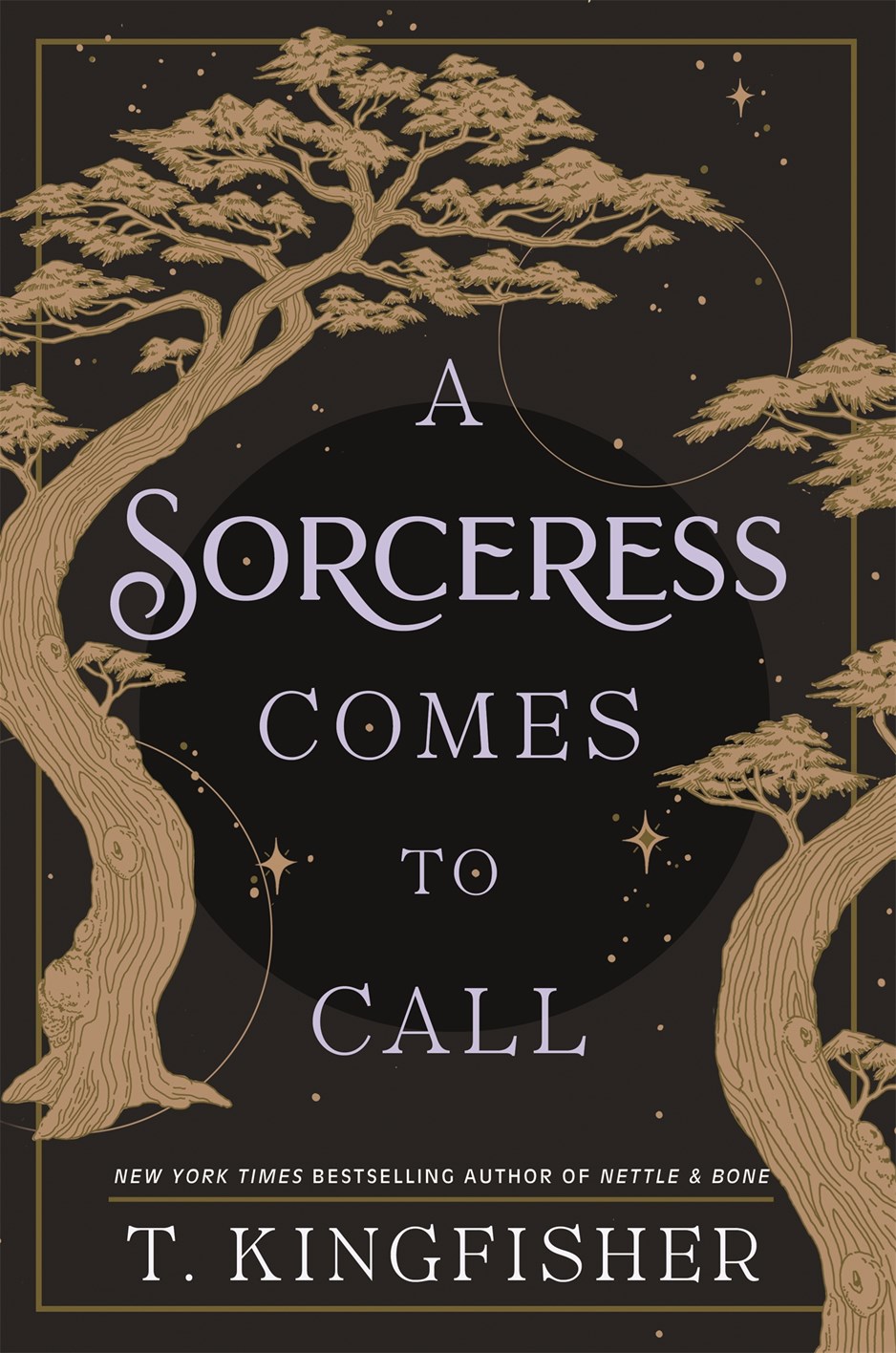
A Sorceress Comes to Call by T. Kingfisher
A Sorceress Comes to Call opens with Cordelia, a young girl struggling to bear up under the manipulations of her mother Evangeline, an unscrupulous sorceress. Evangeline can take control of Cordelia’s very body if she wishes it, and even the seemingly faithful horse that Cordelia thought was her only true friend turns out to be Evangeline’s sinister magical servant. When Evangeline sets her sights on an advantageous marriage to a respectable Squire, she plans to use Cordelia as her pawn the way she always does. But Evangeline didn’t account for Hester, the Squire’s sister. After just a few days with Cordelia, Hester realizes that something is terribly wrong, and she plans to get to the bottom of it no matter what it takes. A Sorceress Comes to Call is a very loose adaptation of The Goose Girl, and this book is much less a straightforward retelling than the creation of something new using recognizable motifs from an old story. But goose-loving readers needn’t worry; there are indeed geese, and a triumphant moment of goose heroics to boot. I’ve read a few of Kingfisher’s fairy tale re-imaginings, but after some consideration, I think this one might be my favorite. That’s almost certainly due to the strength of the characters, particularly Hester, a sensible middle-aged woman who finds herself an unlikely heroine simply because someone has to do the right thing. I also want to show some appreciation for Cordelia, a poignant portrait of a young woman finding her own voice after having it quite literally taken from her. A Sorceress Comes to Call has everything that longtime Kingfisher fans have come to expect, and if it happens to be your first Kingfisher, it’s also an excellent place to start.
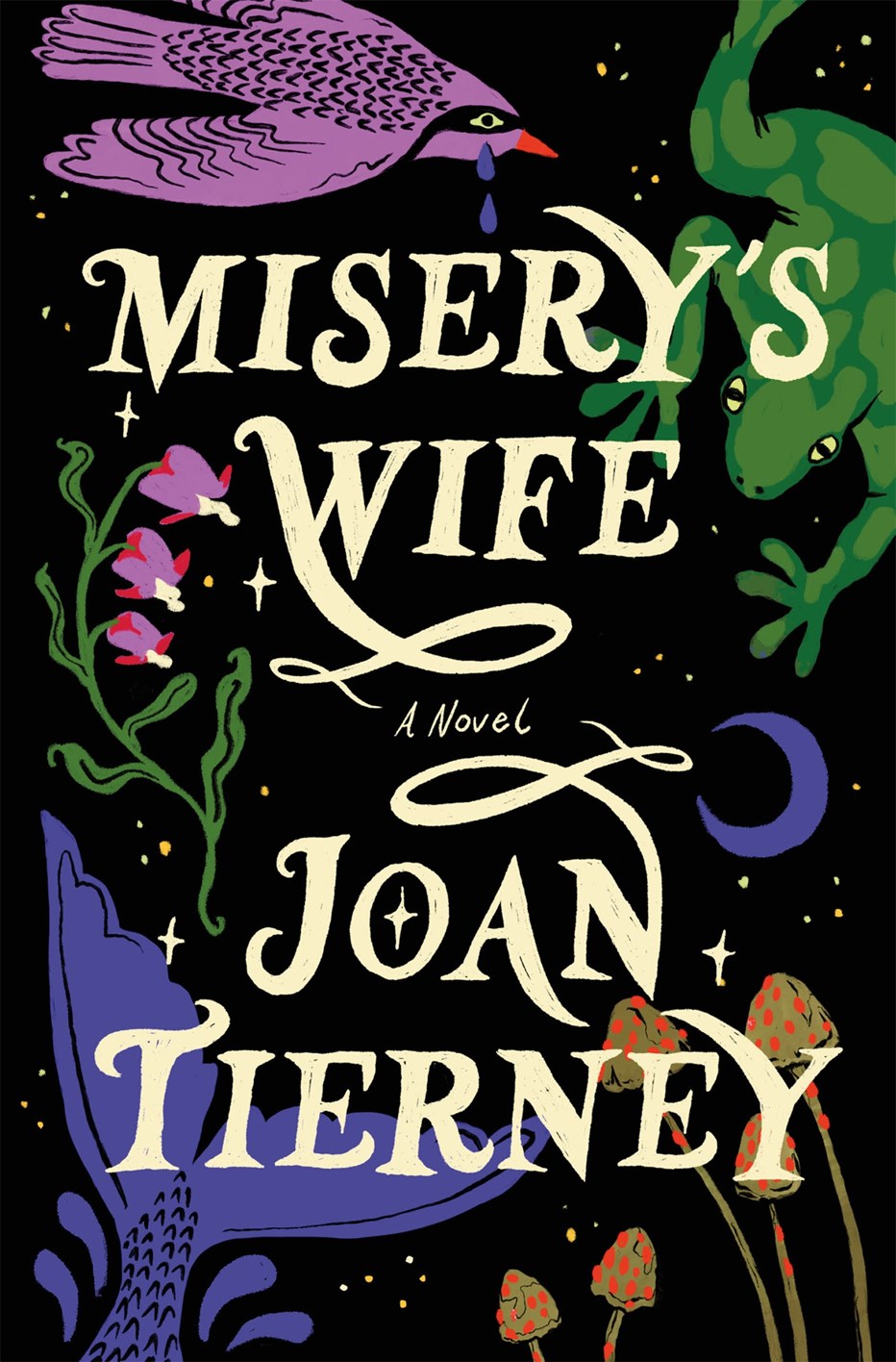
Misery’s Wife by Joan Tierney
Misery’s Wife is a retelling of a Portuguese fairy tale that follows Elixane, the youngest of four sisters. When two of her sisters were spirited away to marry the King of the Sea and the King of the Air, that may not have been so terrible, but Elixane will not stand to see her third sister condemned to be queen of the joyless realm of the King of Misery. In order to rescue her, Elixane will have to enlist the help of some magical allies of her own: the Marquês of Luck and the Marquesa of Bad Luck. And on her quest to reunite her family, Elixane may become the spark of justice and reconciliation that finally brings the war between the magical realms to an end. I had never heard of the fairy tale that author Joan Tierney adapts here until I read this novel, and I was delighted to discover it. Tierney offers all the enchantment one could want from a fairy tale retelling while still leaving time to explore deeper themes. I was also quite pleased to read a fairy tale retelling that features a transgender heroine. I would recommend Misery’s Wife to any reader who knows, or who wishes to be reminded, that there is no such thing as being too old for fairy tales.

