
Way back when, not long after I first started contributing to this blog, I wrote a post showcasing novella-length works across the spectrum of speculative fiction – that’s sci-fi, fantasy, and sometimes horror. You can read that post here. But that post, like this one, was just scratching the surface. Back then, I wrote that we seemed to be living in a golden age of the speculative novella, and that trend has showed no sign of slowing down between then and now. Today, I’ve compiled a selection of novellas that run the gamut of speculative fiction, all of which prove that great reads can and often do come in small packages. Enjoy!
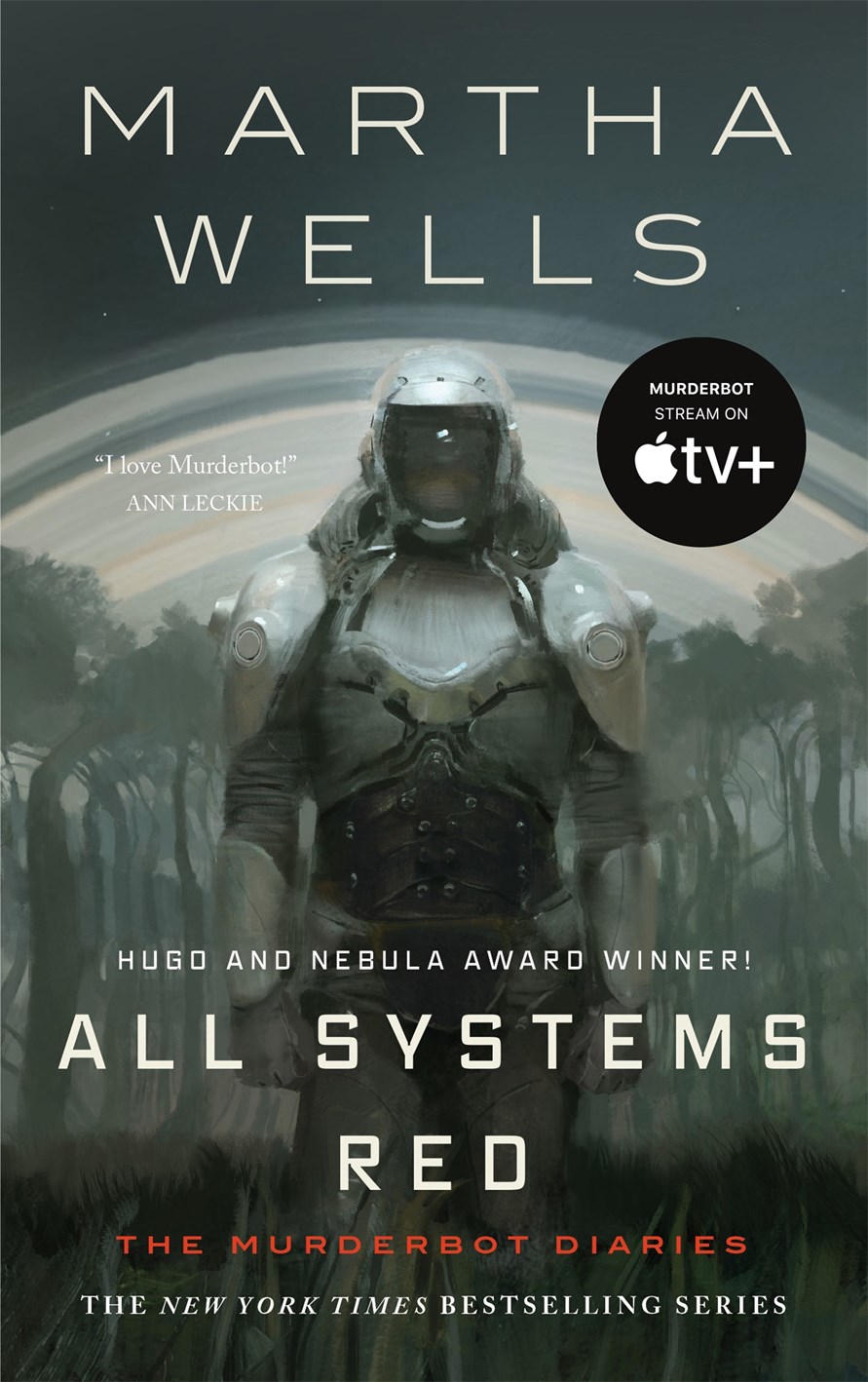
All Systems Red by Martha Wells
The eponymous Murderbot was constructed to provide support and protection to human employees of one of the massive conglomerates that dominate humanity’s future across all of explored space. It isn’t meant to question orders, and it certainly isn’t meant to be perceived as human. However, unbeknownst to any of the humans it works alongside, Murderbot hacked its own governor module to ensure that a past tragedy would never happen again. While Murderbot fulfills its directive to protect the human researchers it has reluctantly become fond of, both it and they are confronted with difficult questions about who Murderbot truly is, and what that means for all of them. All Systems Red is the first installment of Martha Wells’ Murderbot Diaries series, which was recently adapted into a TV show starring Alexander Skarsgård. I read All Systems Red for the second time recently, and I left with a greater appreciation of all the little details that make this book truly great. Wells subtly establishes everything the reader needs to know about the finer points of worldbuilding and character dynamics, sometimes in a single line, so that the story can keep moving. If there are a few unanswered questions, all the better to hold our interest for the rest of the series. I also found it interesting how this book deftly avoids falling into a strict binary of idealism vs. cynicism. Wells presents a world where corporate corruption, invasive surveillance, and the mistreatment and exploitation of SecUnits like Murderbot are facts of life. Nevertheless, the characters Wells chooses to spend time with are basically good people who more or less want to do the right thing, even when they find themselves stymied by circumstance. At time of writing, there are now eight Murderbot books in all, and all of them are available at Mead. If you fall in love with Murderbot as so many readers and viewers have, you won’t have to wait very long to pick up the next installment.
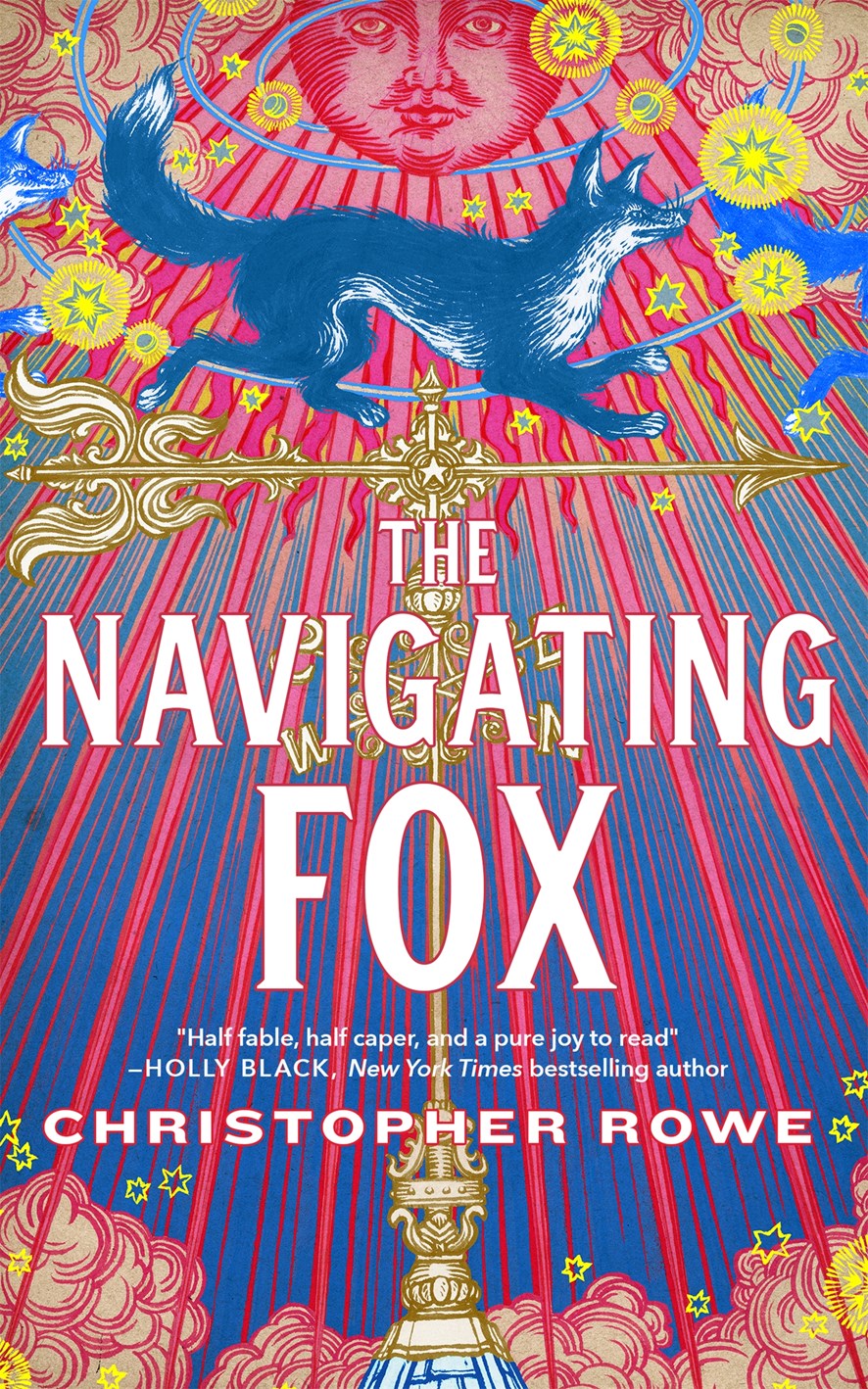
The Navigating Fox by Christopher Rowe
In a world where all manner of intelligent animals live in tenuous coexistence alongside humankind, Quintus Shu’al is the only navigating fox, and his life is in tatters after a mission gone disastrously wrong. He is offered a narrow chance at redemption: he will serve as navigator on a journey to conquer death, in the service of a clearly untrustworthy human employer. I had an absolute blast with this book. I’ll confess, as a former Warrior Cats kid, I never really grew out of talking animals, although I’m not sure it’s fair that such stories are so often categorically dismissed as kids’ stuff anyway. In The Navigating Fox, the thread of loneliness through Quintus’ life, and the nuances of his relationships with his traveling companions both human and animal, provide plenty to chew on thematically. I also found myself drawn in by the setting, which appears to be a speculative alt-history version of the Roman Empire, here attempting to expand across the Atlantic Ocean – amidst the accessible road-movie premise, Rowe’s writing takes time to grapple with the more serious issues inherent to the setup. A setting like this could support a whole series, to say nothing of Quintus himself, a character who seems ideally suited to star in many adventures. But what I read in this brief novella left me wanting more, which may be the idea. Also, I want to take a moment to appreciate that cover, created by artist Yuko Shimizu and designer Christine Foltzer. It’s awesome.
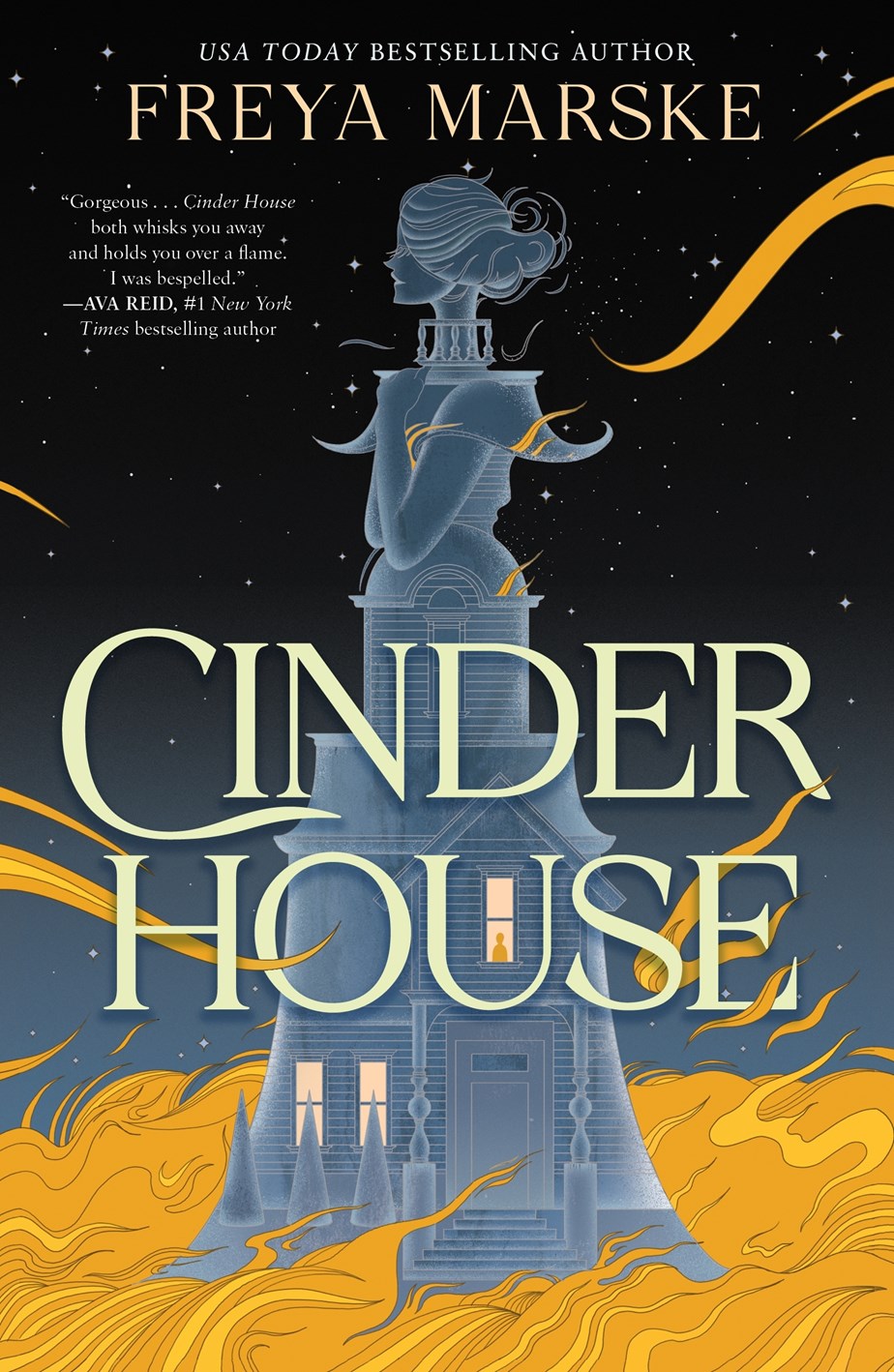
Cinder House by Freya Marske
In Cinder House, author Freya Marske re-imagines the story of Cinderella, beginning with a decidedly grimmer tone than the classic tale. Here, Ella was murdered, and lingers on in her father’s house as a ghost, physically bound to the place where she died. There are loopholes in Ella’s confinement, but tiny ones, not enough to protect her from her increasingly sadistic stepsister and unrepentant stepmother. When Ella attends the royal ball with fairy assistance, at first she seeks only a moment of freedom, only to find that once she remembers what freedom feels like, it will be more than she can bear to lose it again. Speaking as someone who’s a bit of a nerd about fairy tales, Cinder House is basically everything that I want out of a Cinderella adaptation. Firstly, it never flinches from the fact that this is a story about escaping abuse. Marske clearly did her research on toxic family dynamics. And yet, while handling this serious topic with sensitivity, Marske makes sure the magic stuff still feels magical. Finally, through the character Jule and his relationship with Ella, Marske constructs a version of the romance between Cinderella and the Prince that works even in the eyes of skeptical grown-up reader, not in spite of but actually because of the limited time frame. If both of these characters have lives that feel all wrong, why wouldn’t they chase the fleeting moments that felt right? I loved every moment that I spent with Cinder House, and I recommend it to any reader who wants to watch a beloved old story be made new again.
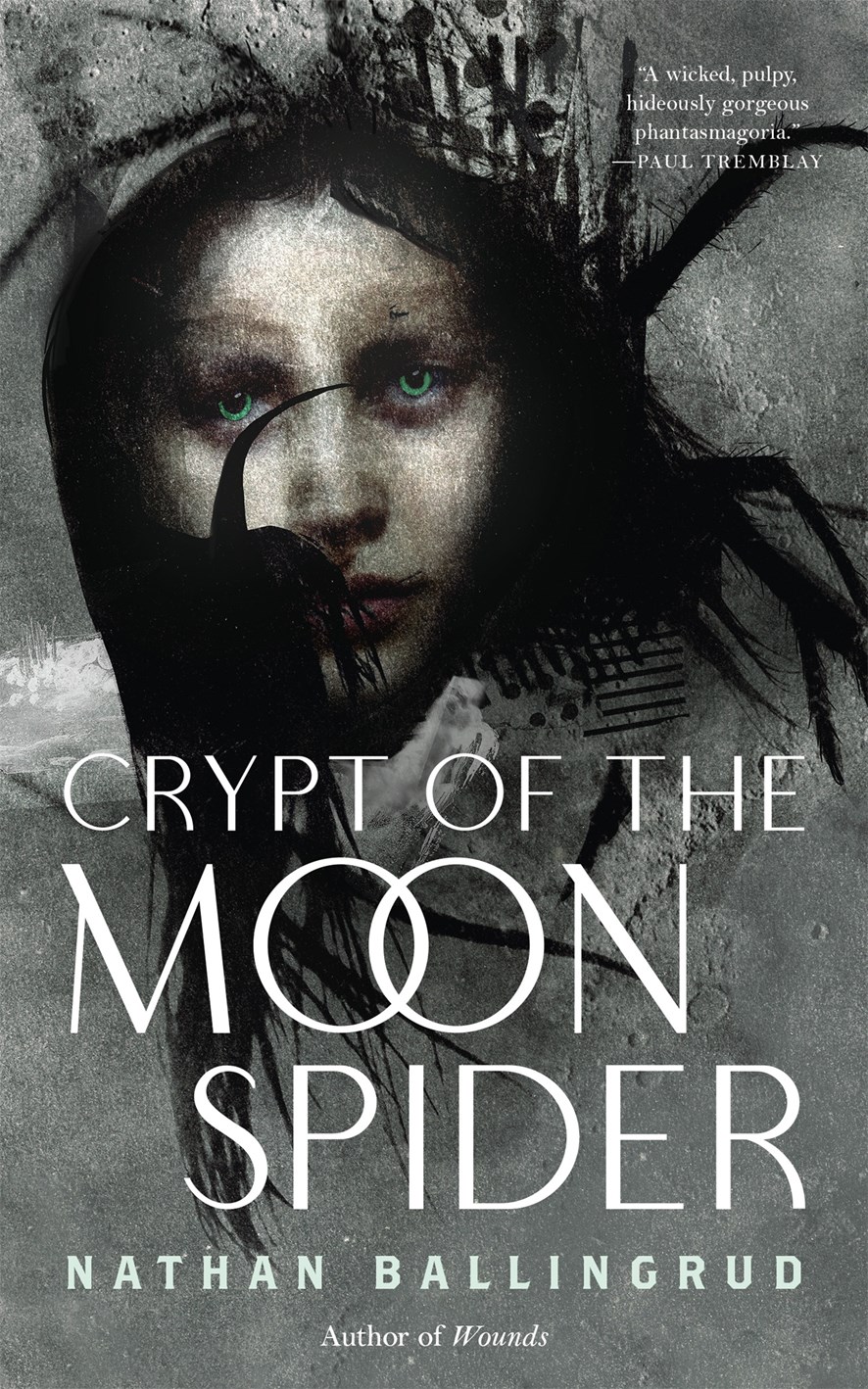
Crypt of the Moon Spider by Nathan Ballingrud
I knew I needed to check out Crypt of the Moon Spider as soon as I heard the premise. Set in an alternate 1920s, the book follows Veronica Brinkley, a woman who has been sent by her husband to the Barrowfield Home for Treatment of the Melancholy. Barrowfield is psychiatric hospital constructed on the moon for access to the allegedly therapeutic properties of the silk of the ancient spider discovered there. I adored this book’s combination of several different kinds of horror and how harmoniously those elements combine. The eerie, surreal setting was perfectly drawn, and I found myself wishing I could spend more time with it in spite of all the horrors depicted. By the end of it, you might be thinking “why not spiders on the moon?”. But all of the book’s uncanny proceedings are anchored by a beautifully realized protagonist and unflinching authorial sensitivity to her plight, a reflection of something that happened all too often in the time period Ballingrud depicts. After the haunting afternoon I spent with this book, I was excited to discover that Crypt of the Moon Spider is only the first installment in the evocatively titled Lunar Gothic Trilogy. I can’t wait to see where Ballingrud takes this series next.

