
People generally look ahead in the New Year, to the dawning possibilities and the existential dread of endless choice. It’s not for me, this embarrassment of variety, this perversion of content creation, this deluge of intellectual property. Let’s, you and I, with the power of library catalog software, look at some of the books that have been available for checkout since their publication or since Mead first opened its doors in 1897.
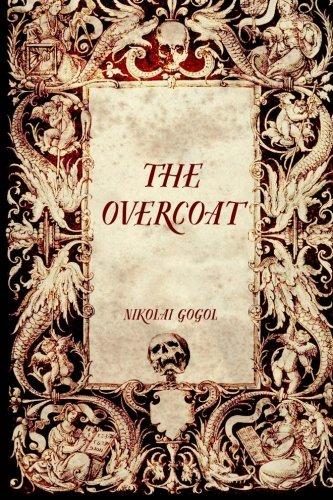

The Overcoat (1842) by Nikolai Gogol
The Russians are great to read in winter. I love feeling desolate. Gogol is my particular favorite among them. His writing is bleak and luminous, much like some winter days. This short story is considered his greatest.
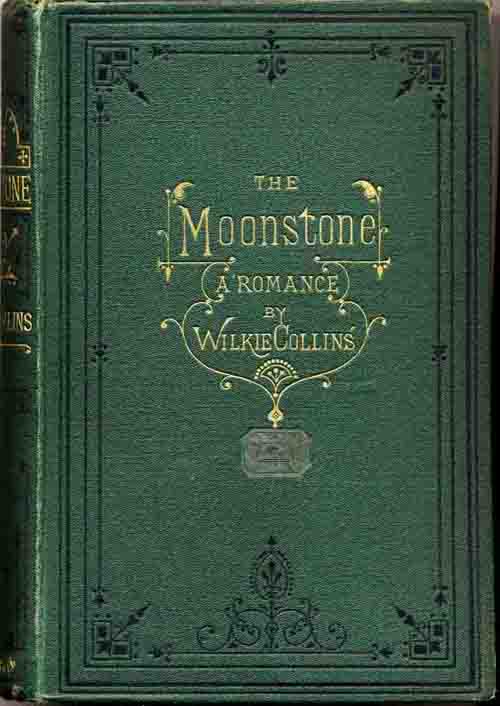
The Moonstone (1868) by Wilkie Collins
Collins is often credited for writing some of the first stories we could compare to modern mystery fiction. As a fan of classical mysteries myself, I have found Collins to be slightly long-winded and dusty, but others will revel in his gilded language. He is contemporaneous to Sir Arthur Conan Doyle, who I encountered first, and who is still my Victorian ideal for mystery/adventure writing.
The Hamlet (1940) by William Faulkner
Faulkner makes my head hurt. He is not for me. I find the prose dense and hard to parse. The rest of the world disagrees, and the rest of the world has a bigger, higher-functioning brain than I, with which to comprehend Faulkner. Visit any library in the country and you are likely to find something by William Faulkner, and Mead is no exception.


A Tree Grows in Brooklyn (1943) by Betty Smith
I have never read this book but I always knew about it. There was this gag in a 1940s Looney Tunes cartoon in which a bunch of tough New York City dogs are getting ready to kick Bugs Bunny’s ass, so he grasps around him and holds something out to defend himself. All of a sudden all the dogs RACE away from Bugs, which is when we learn the title of the book: A Tree Grows in Brooklyn. That’s right. A dog pee joke. Mid 20th century animation has provided me with an education in the humanities, and has made me the refined citizen I am today.
Anyhoo, I bet the book is worth a read since it has been in continual circulation since its publication.
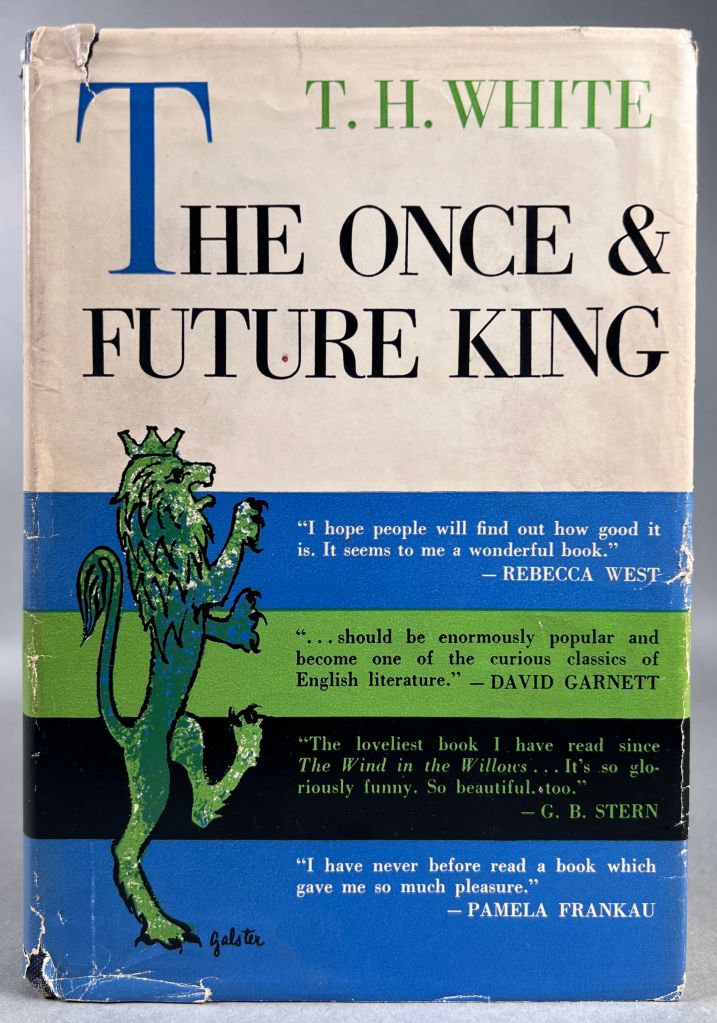
The Once and Future King (1958) by T.H. White
This is the five-book collection of White’s definitive retelling of the Arthurian legend. The first book, The Sword in the Stone, was published in 1938, and is an abiding classic. Mead’s copy was published in 1958 and has been in constant circulation since. Do you get a sense of time and place from old objects like books? I do.
Memories, Dreams, Reflections (1962) by C.G. Jung
The esteemed Swiss psychiatrist and physiotherapist spent his last days finalizing this autobiographical work. His contribution to the field of psychiatry has impacted the study of religion, philosophy, archeology, anthropology, and literature. The man defined the concepts of introversion and extroversion, for one, and we all frame ourselves through this lens. Read all about it, in his own words here.
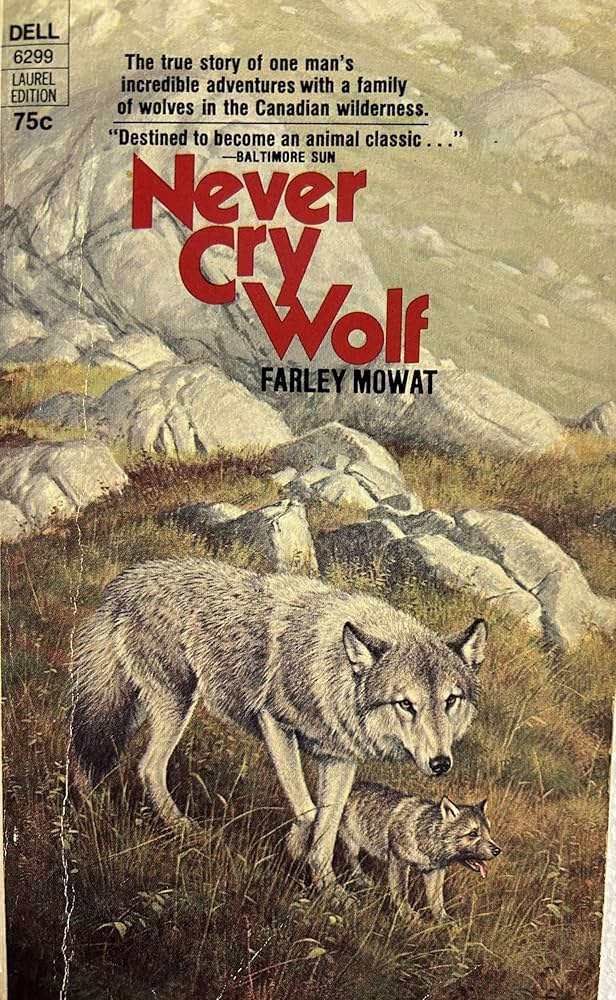

Never Cry Wolf (1963) by Farley Mowat
Hey, I never read this book either, but I HAVE seen the movie. There is a scene relating to canines and canine urine in this story, which I think dovetails nicely with my remarks about A Tree Grows In Brooklyn.
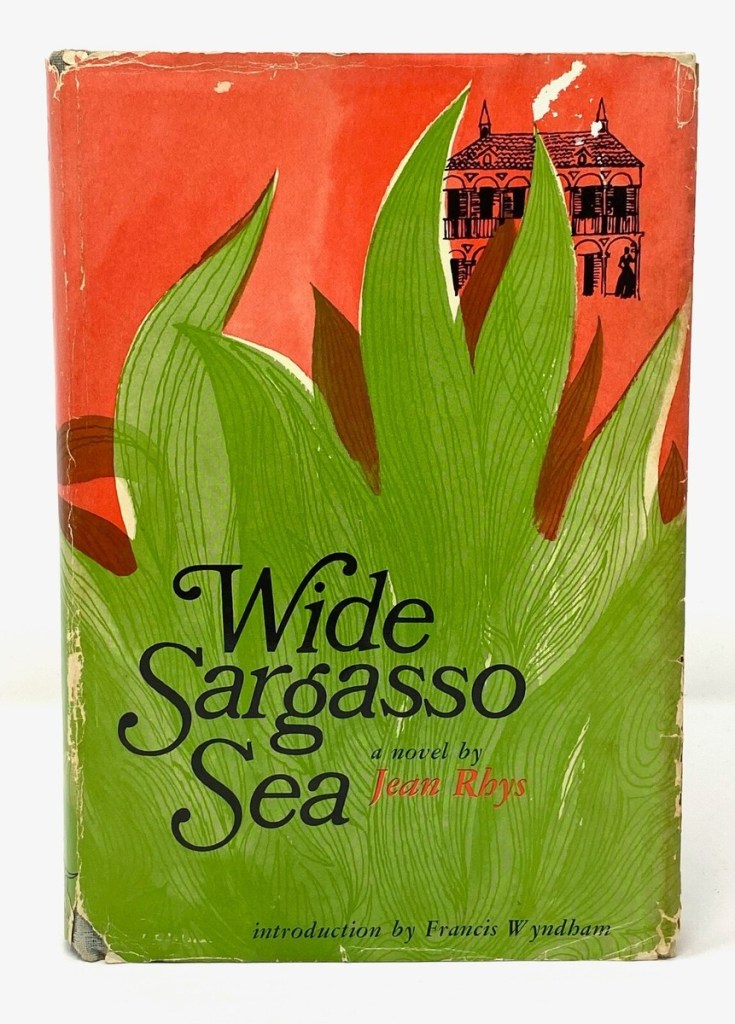
Wide Sargasso Sea (1966) by Jean Rhys
Remember how Mr. Rochester was keeping his crazy wife hidden in the attic? Yeah, that wasn’t so cool, was it? The mad wife has a name, Antoinette Cosway, and this is her story.
Twiggy: How I probably just came along on a white rabbit at the right time, and met the smile on the face of the tiger (1968) by Twiggy
This book is tall and thin, just like Twiggy. Damn her, for pushing these unrealistic beauty standards on printed material.
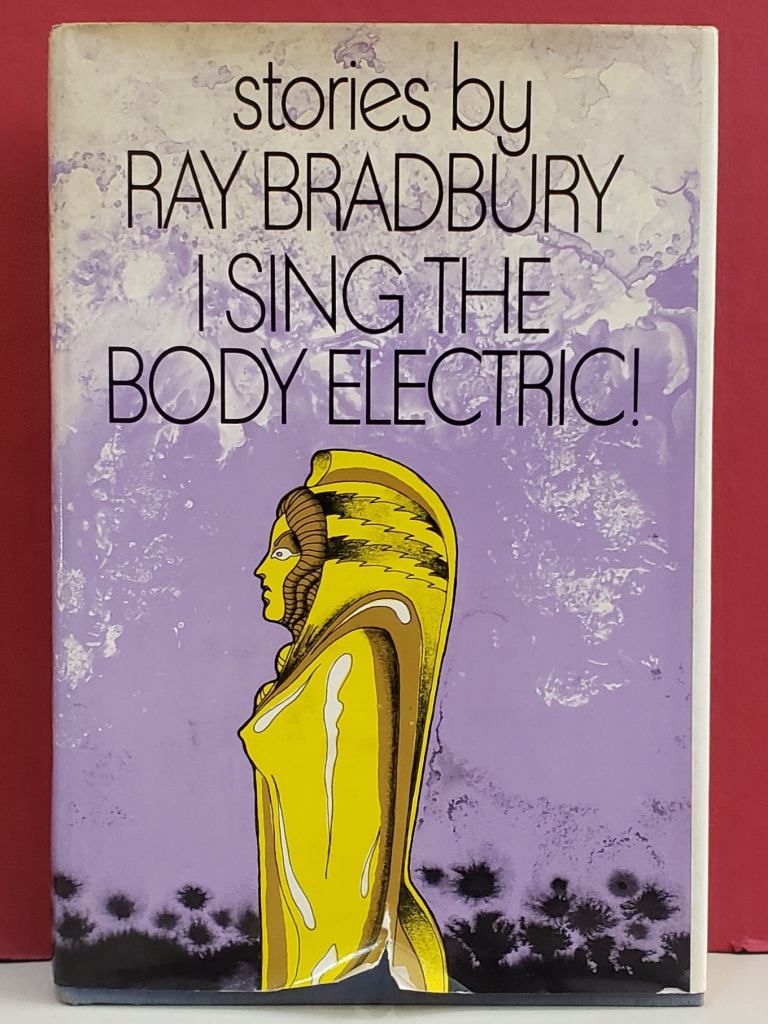
I Sing the Body Electric! And Other Stories (1969) by Ray Bradbury
Isn’t that the title of a song from the hit 1980 musical, Fame? That’s what I thought for a long time until I became familiar with the work of Walt Whitman. We all learn at a different pace.
As for Bradbury, his work doesn’t need promoting. He is easily one of the most beloved authors of the 20th century. We had to read one of the Illustrated Man short stories in 6th grade English class and then we had to read the same story in freshman English four years later. Sheboygan Area School District’s failure to branch out from “The Veldt” in the 1990s is a failing I won’t soon forgive.
How does Mead staff decide what stays on the shelf and what goes? Once material has been added to the collection, it mostly depends on how often something circulates. Books that sit unmoving for three years are usually removed from the collection, or “weeded”, to make way for newer, more sought-after titles. This material is donated to the Friends of the Mead Public Library, who then use it to stock their fabulous annual book sale. I love the process of managing the collections at our library, and I love the ecosystem of access it creates.
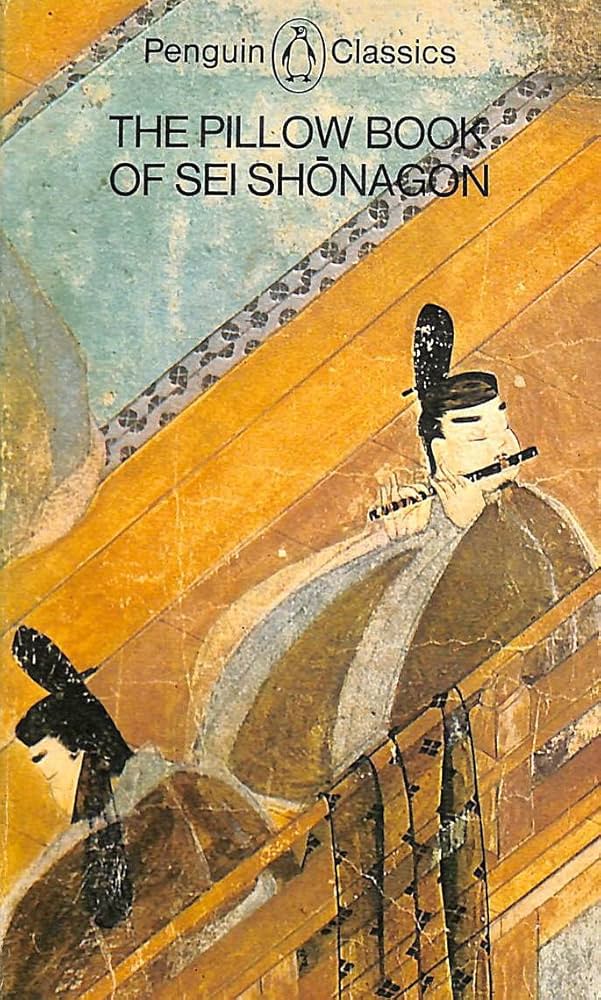
What are your favorite books published in the 20th century or earlier? What is the earliest-published book you have ever read? Mine is The Pillow Book of Sai Shonagon, first published in Heian-era Japan in the year 1002. Available now in the Monarch catalog!
 Mead Public Library Blog