
Ann Patchett’s new novel is at the top of our most popular books this month. Set right next door in Northern Michigan, it’s a moving exploration of the relationship between generations, between parents and children, and of how the past informs our view of the present. In non-fiction, we have an investigation into the science of aging – not only how to live longer but how to live better.
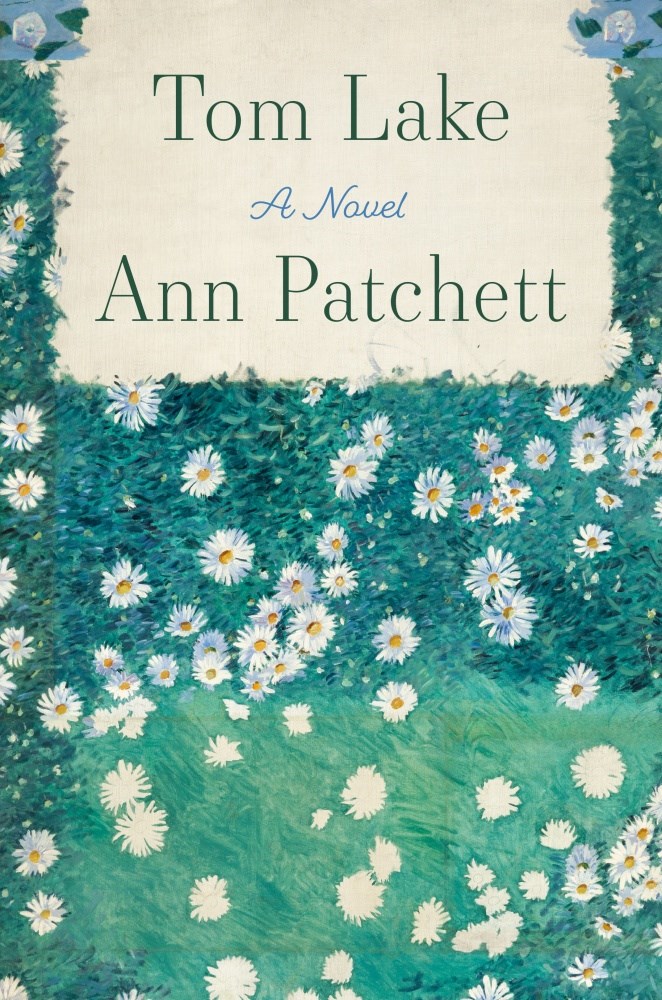
Tom Lake by Ann Patchett
In the spring of 2020, Lara’s three daughters return to the family’s orchard in Northern Michigan. While picking cherries, they beg their mother to tell them the story of Peter Duke, a famous actor with whom she shared both a stage and a romance years before at a theater company called Tom Lake. As Lara recalls the past, her daughters examine their own lives and relationship with their mother, and are forced to reconsider the world and everything they thought they knew.
Tom Lake is a meditation on youthful love, married love, and the lives parents have led before their children were born. Both hopeful and elegiac, it explores what it means to be happy even when the world is falling apart.
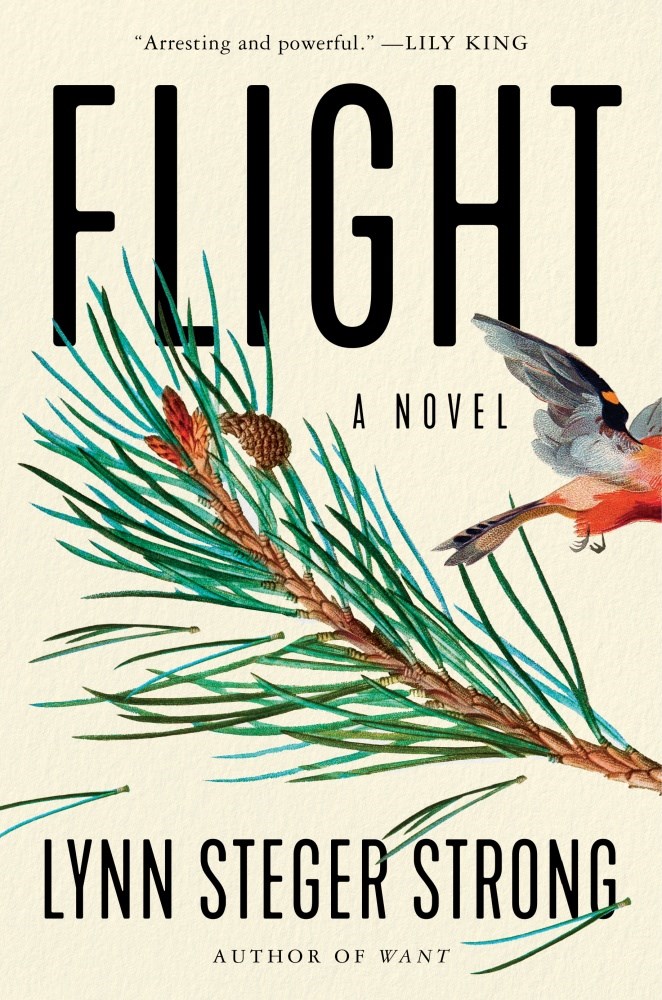
Read-Alike 1: Flight by Lynn Strong
It’s December twenty-second and siblings Henry, Kate, and Martin have converged with their spouses on Henry’s house in upstate New York. This is the first Christmas the siblings are without their mother, the first not at their mother’s Florida house. Over the course of the next three days, old resentments and instabilities arise as the siblings, with a gaggle of children afoot, attempt to perform familiar rituals, while also trying to decide what to do with their mother’s house, their sole inheritance. As tensions rise, the whole group is forced to come together unexpectedly when a local mother and daughter need help.

Read-Alike 2: Every Time You Go Away by Elizabeth Harbison
Eight years ago, Ethan and Rebecca met, two troublemaking kids sharing secrets and first kisses in a tree house, until Ethan’s mom returned to take him away. Each and every visit, his only goodbye was a flower on Rebecca’s windowsill.
Four years ago, Ethan left for the last time to take care of his mother, who has struggled with addiction his whole life.
Two years ago, Rebecca was in a car accident that killed her father. She’s been learning to navigate life as a wheelchair user ever since.
Now, they discover if their hardships have torn them apart…or will bring them closer than ever.
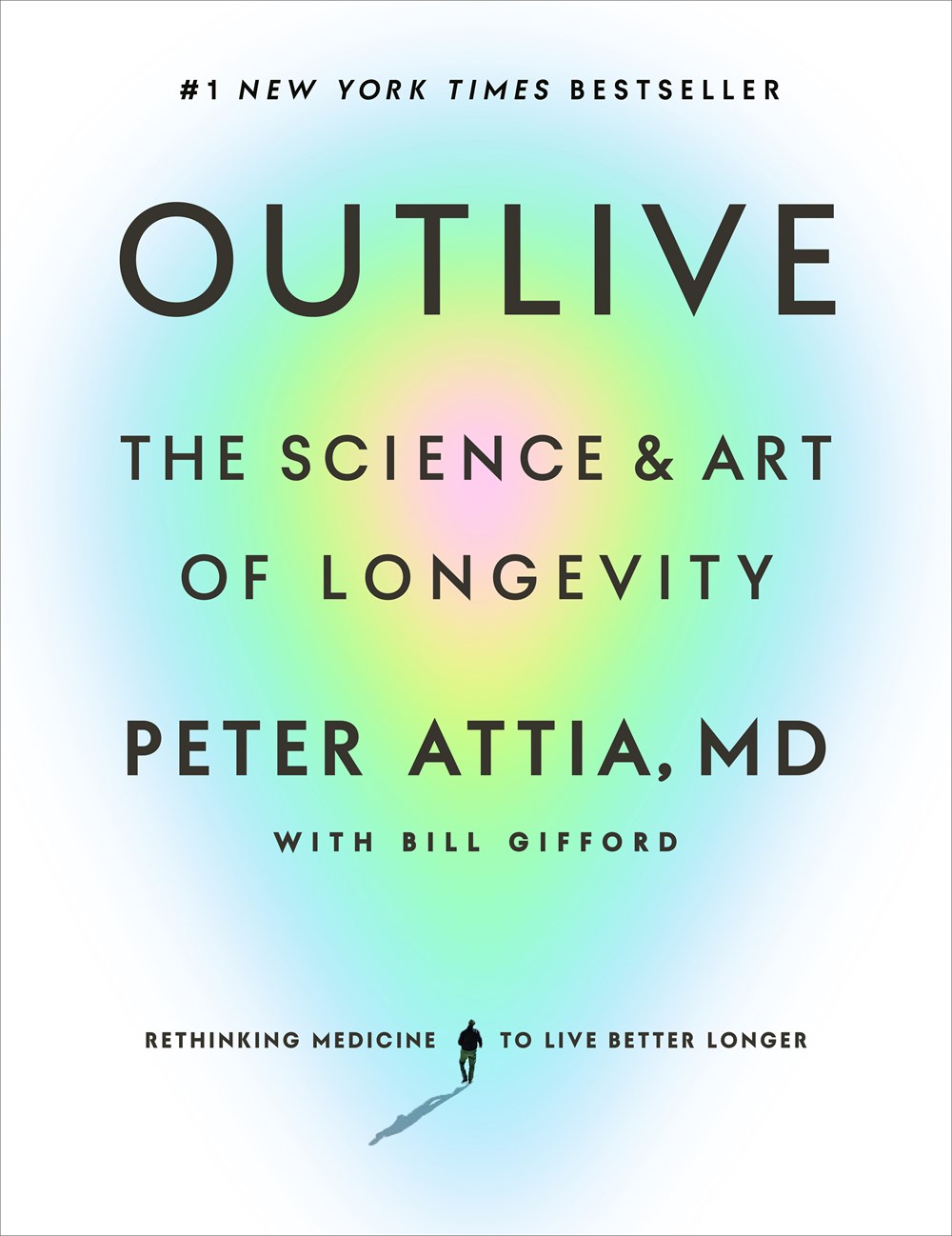
Outlive by Peter Attia
Wouldn’t you like to live longer? And better? In this operating manual for longevity, Dr. Peter Attia draws on the latest science to deliver innovative nutritional interventions, techniques for optimizing exercise and sleep, and tools for addressing emotional and mental health.
This is not “biohacking,” it’s a strategic and science-based approach to extending lifespan while also improving our physical, cognitive, and emotional health. Dr. Attia’s aim is less to tell you what to do and more to help you learn how to think about long-term health, in order to create the best plan for you as an individual. In Outlive, readers will discover:
-Why the cholesterol test at your annual physical doesn’t tell you enough about your actual risk of dying from a heart attack.
-That you may already suffer from an extremely common yet underdiagnosed liver condition that could be a precursor to the chronic diseases of aging.
-Why exercise is the most potent pro-longevity “drug”—and how to begin training for the Centenarian Decathlon.
-Why you should forget about diets and focus instead on nutritional biochemistry, using technology and data to personalize your eating pattern.
-Why striving for physical health and longevity, but ignoring emotional health, could be the ultimate curse of all.
Aging and longevity are far more malleable than we think; our fate is not set in stone. With the right road map, you can plot a different path for your life, one that lets you outlive your expectations to make each decade better than the one before.
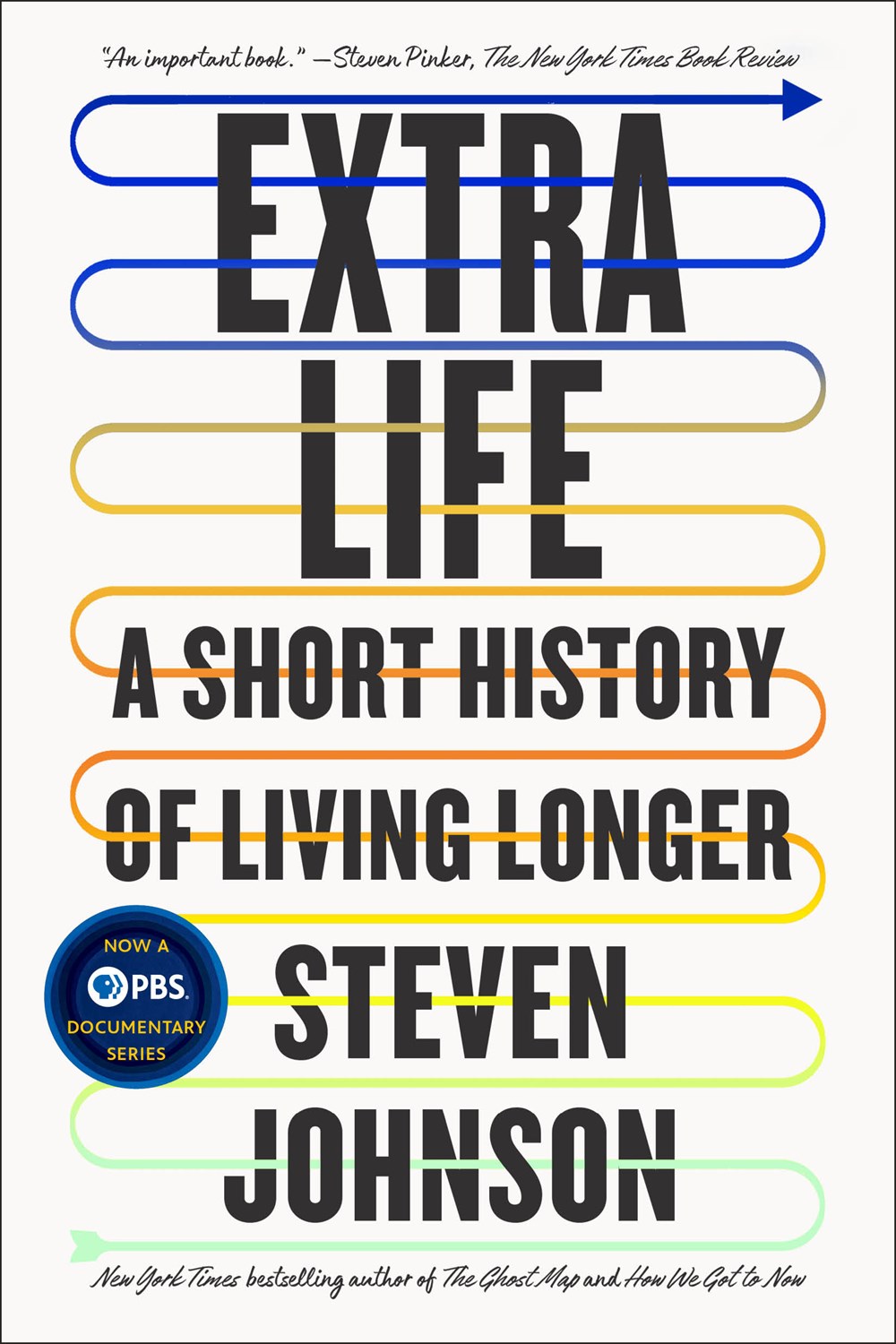
Read-Alike 1: Extra Life by Steven Johnson
In 1920, at the end of the last major pandemic, global life expectancy was just over forty years. Today, in many parts of the world, human beings can expect to live more than eighty years. As a species we have doubled our life expectancy in just one century. There are few measures of human progress more astonishing than this increased longevity.
Extra Life is Steven Johnson’s attempt to understand where that progress came from, telling the epic story of one of humanity’s greatest achievements. How many of those extra years came from vaccines, or the decrease in famines, or seatbelts? What are the forces that now keep us alive longer? Behind each breakthrough lies an inspiring story of cooperative innovation, of brilliant thinkers bolstered by strong systems of public support and collaborative networks, and of dedicated activists fighting for meaningful reform.
But for all its focus on positive change, this book is also a reminder that meaningful gaps in life expectancy still exist, and that new threats loom on the horizon, as the COVID-19 pandemic has made clear. How do we avoid decreases in life expectancy as our public health systems face unprecedented challenges? What current technologies or interventions that could reduce the impact of future crises are we somehow ignoring?

Read-Alike 2: Lifespan by David Sinclair
This eye-opening and provocative work takes us to the frontlines of research that is pushing the boundaries on our perceived scientific limitations, revealing incredible breakthroughs—many from Dr. David Sinclair’s own lab at Harvard—that demonstrate how we can slow down, or even reverse, aging. The key is activating newly discovered vitality genes, the descendants of an ancient genetic survival circuit that is both the cause of aging and the key to reversing it. Recent experiments in genetic reprogramming suggest that in the near future we may not just be able to feel younger, but actually become younger.
Through a page-turning narrative, Dr. Sinclair invites you into the process of scientific discovery and reveals the emerging technologies and simple lifestyle changes—such as intermittent fasting, cold exposure, exercising with the right intensity, and eating less meat—that have been shown to help us live younger and healthier for longer. At once a roadmap for taking charge of our own health destiny and a bold new vision for the future of humankind, Lifespan will forever change the way we think about why we age and what we can do about it.
 Mead Public Library Blog