Posted in Uncategorized

Movie Trends by Decade

Each decade of the 20th century can be identified by various trends at the cinema. The 1920s could be defined by the transition from silent to talking pictures. The 1930s might be all about the first use of the three-strip Technicolor process. The 1940s were impacted by World War II and paved the way into Hollywood’s Golden Age. 

Below, I listed 20th century film trends by decade, and a few examples of these trends. 

All of the films I list are available in the Monarch catalog, often in a variety of formats. 

1950s: Atomic scare movies
This was the decade that transmuted cold war paranoia and fear of nuclear catastrophe into some of the coolest monster movies EVER. Have you heard of or watched any of the following?
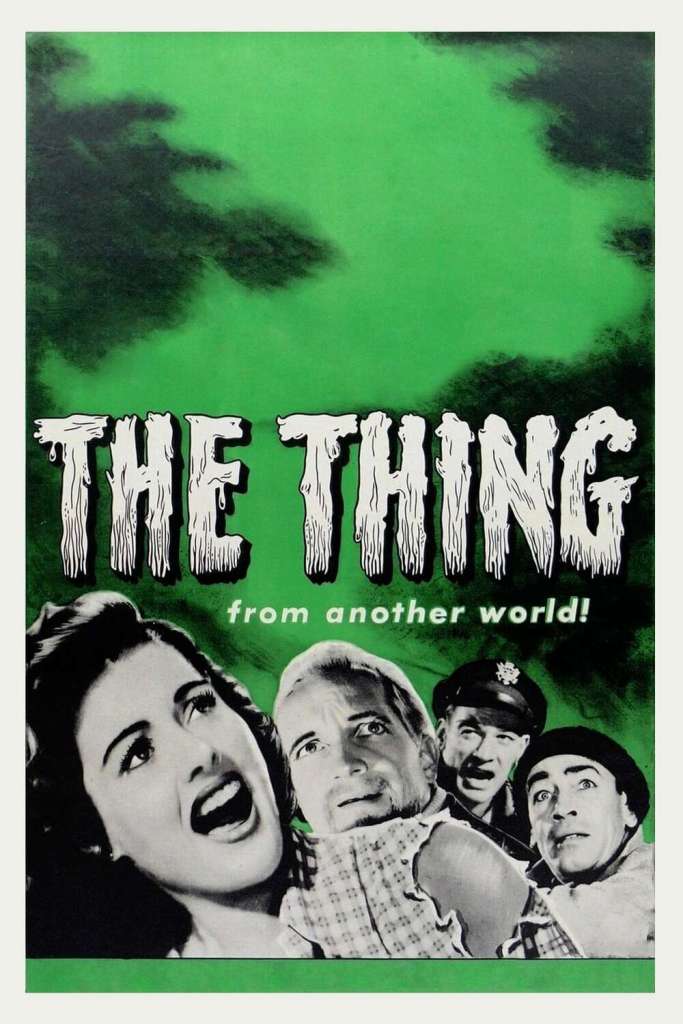
The Thing From Another World (1951) dir. Howard Hawks
This won’t be the first nor the last time I write about this film. Howard Hawks walked so John Carpenter could run with his excellent 1982 remake, The Thing, which I will maintain is one of the finest films ever produced.  
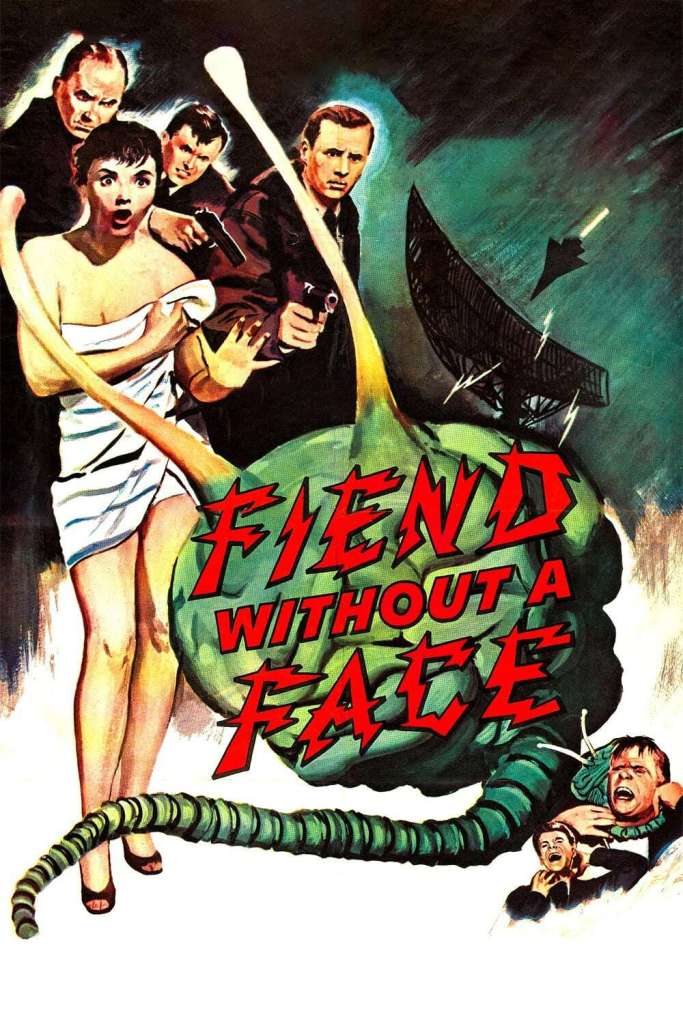
Other atomic scare movies worth the time:

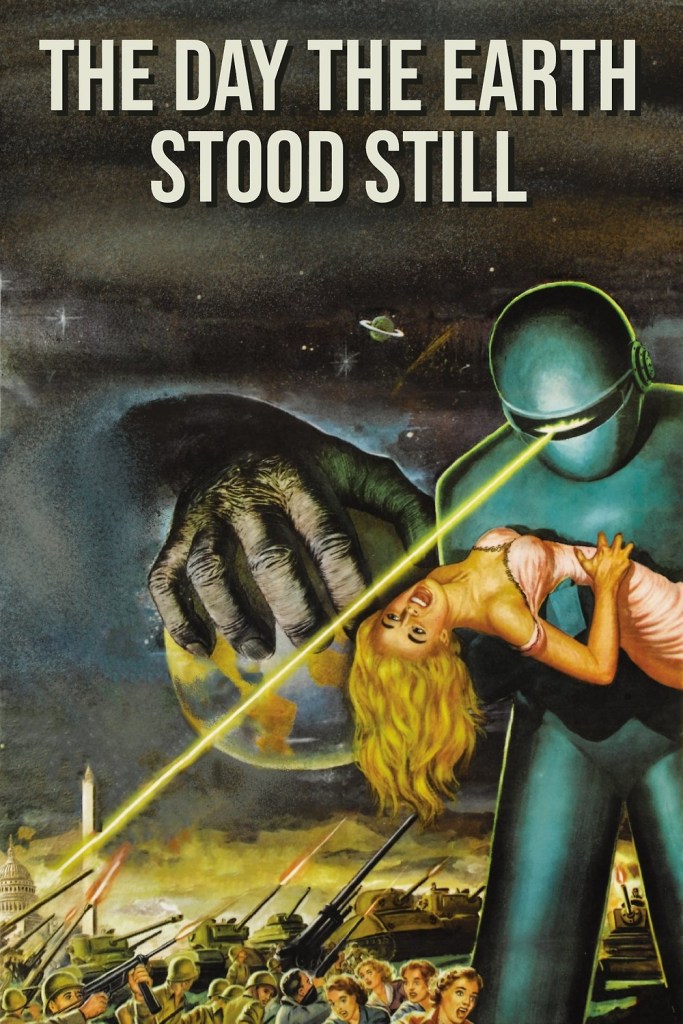
  • The Day the Earth Stood Still (1941)
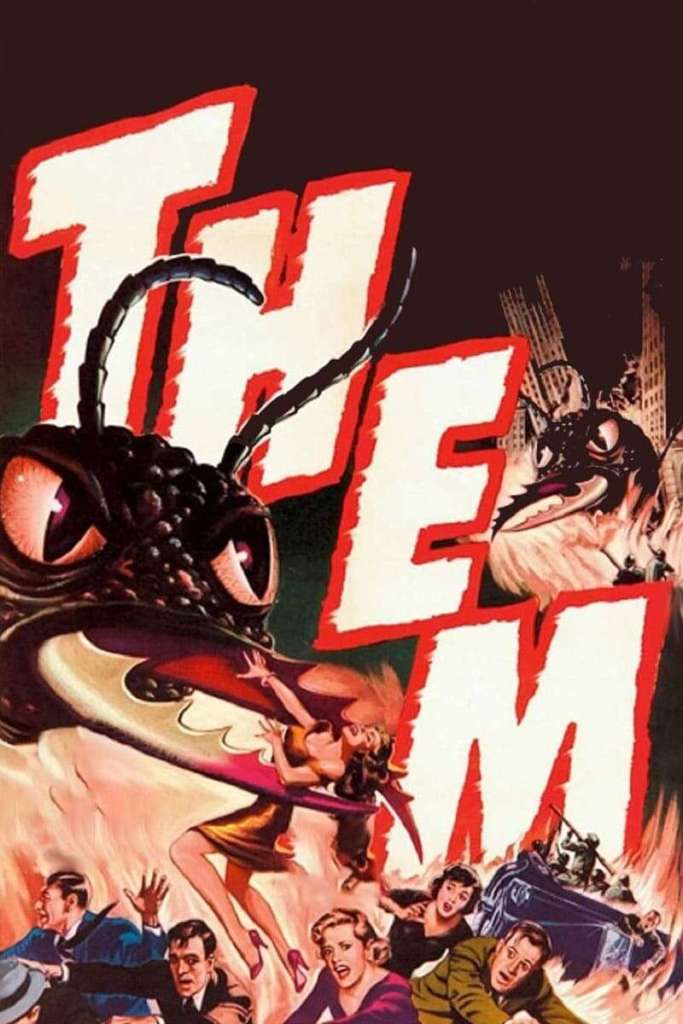
  • THEM! (1954)
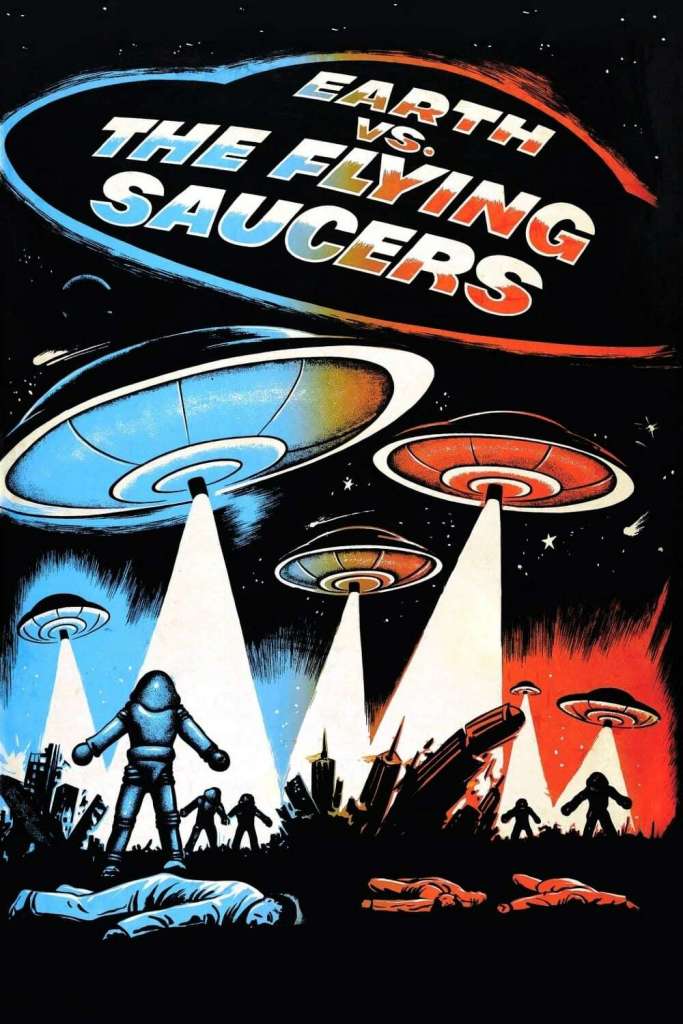
  • Earth vs. the Flying Saucers (1956)
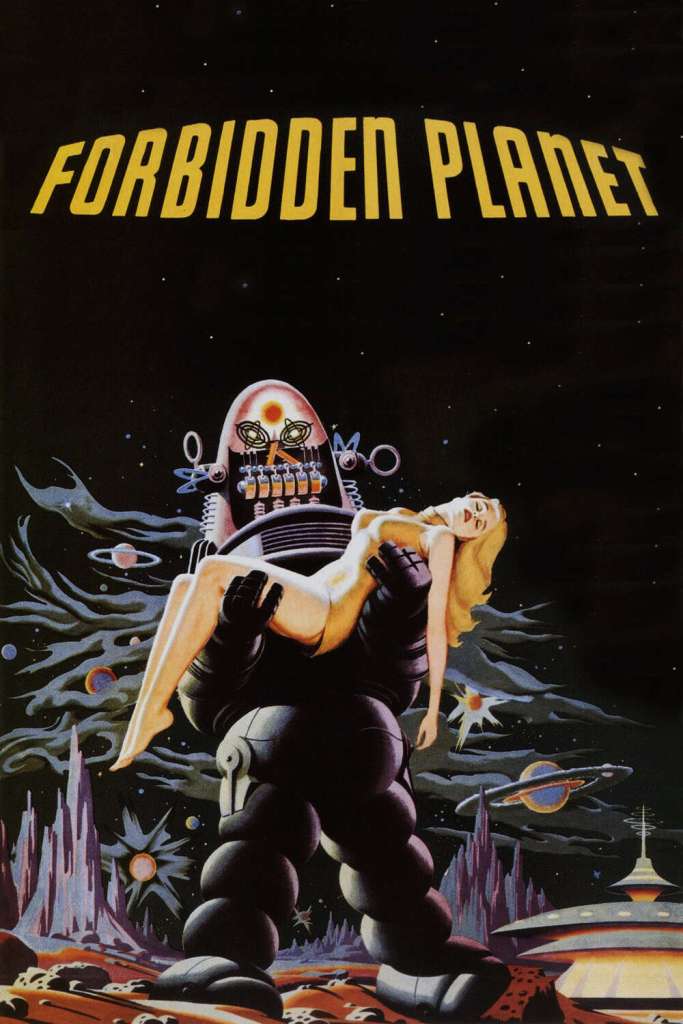
  • Forbidden Planet (1956)
  • Fiend Without a Face (1958)

1960s: The French New Wave
The French auteurs were producing films far cooler than anything happening in Hollywood in the late 1950s and through the 1960s. François Truffaut, Jean Luc Goddard, and Agnes Varda amongst others, helped usher in a more personal, stylish school of thought when applied to filmmaking. 
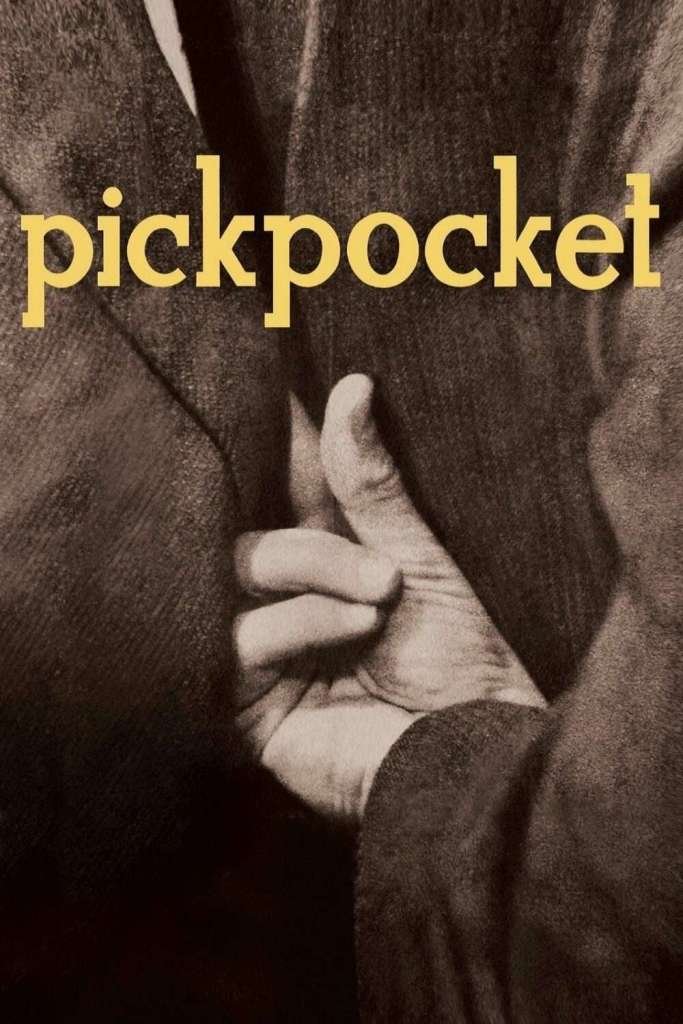
Pickpocket (1959) dir. Robert Bresson
Most people interested in French New Wave have already seen The 400 Blows and Breathless. Personally, I am immediately out of my depth when scratching below that surface. Pickpocket is cold and stark, but I found it easy to access emotionally and narratively. 
Other French New Wave films worth watch:

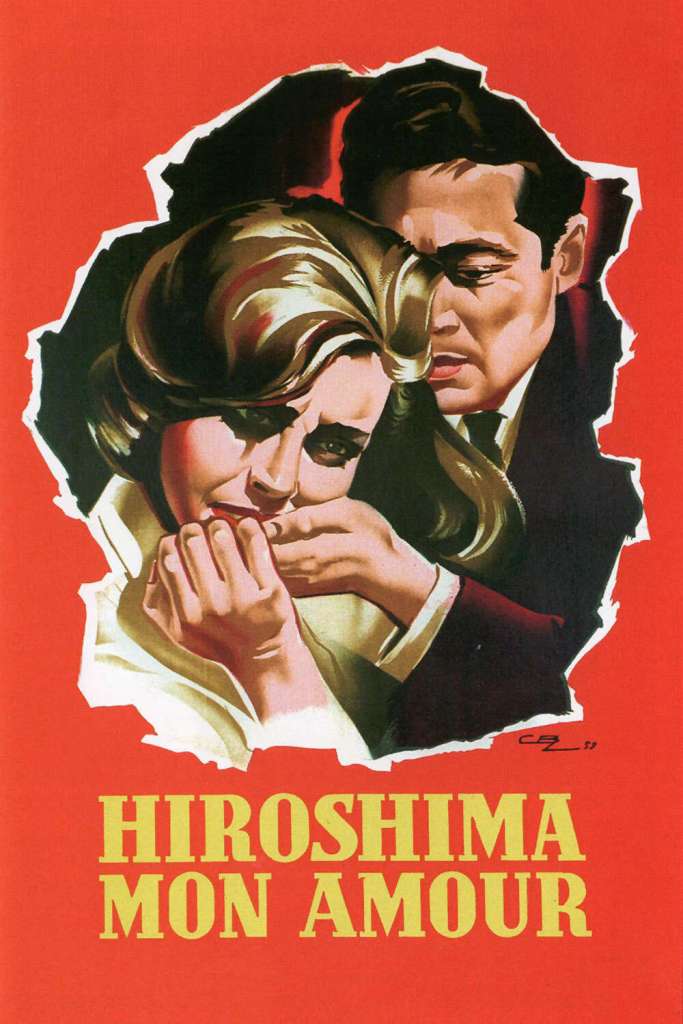
  • Hiroshima, Mon Amour (1959)
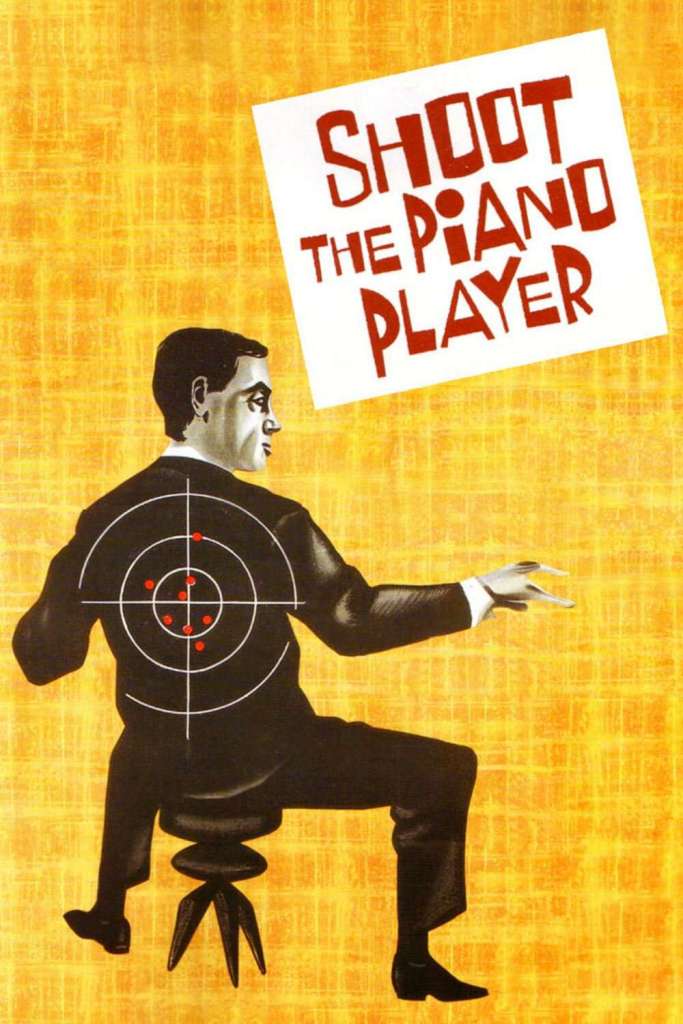
  • Shoot the Piano Player (1960)
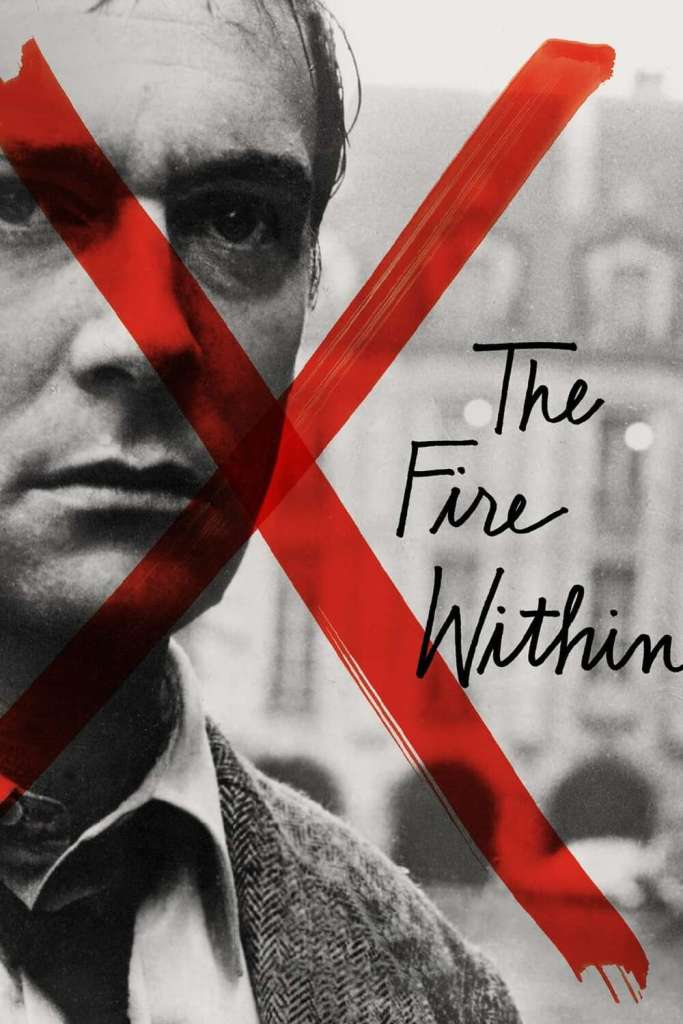
  • The Fire Within (1963)
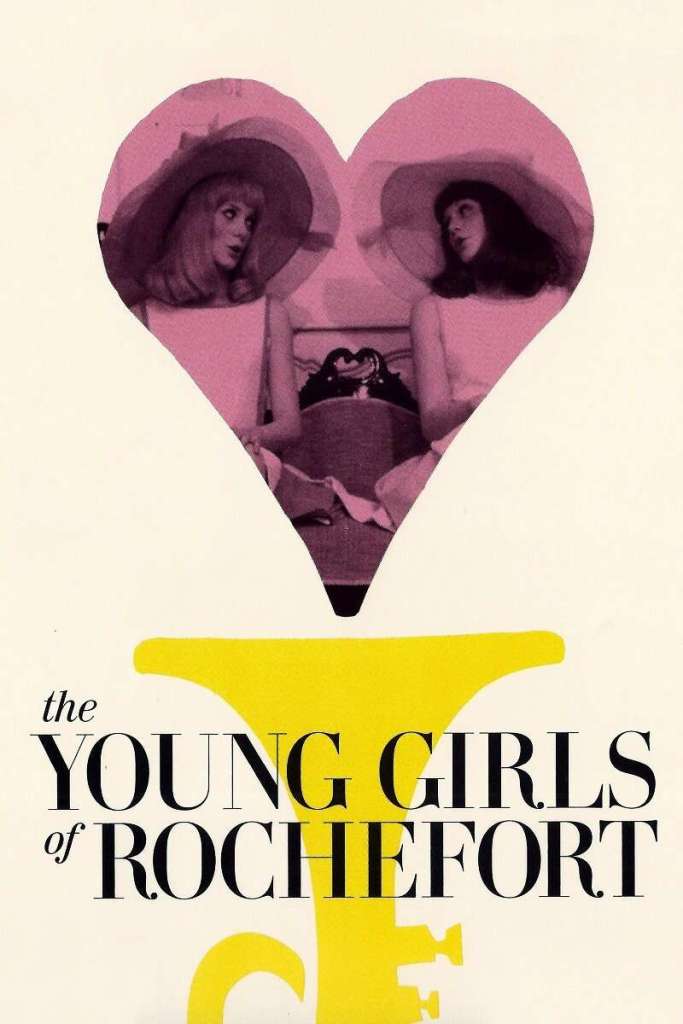
  • The Young Girls of Rochefort (1967)

Learn more about how the French New Wave collided with the Hollywood studio system by reading Mark Harris’ excellent 2008 book Pictures at a Revolution

1970s: Hong Kong martial arts films and Chinese wuxia
Bruce Lee was dynamic enough to bring a whole new style of cinema to the attention of 1970s moviegoers and American filmmakers. Coupled with the rising popularity of exploitation films, late night grindhouse movie houses clambered to get Hong Kong action movies on the screen. 
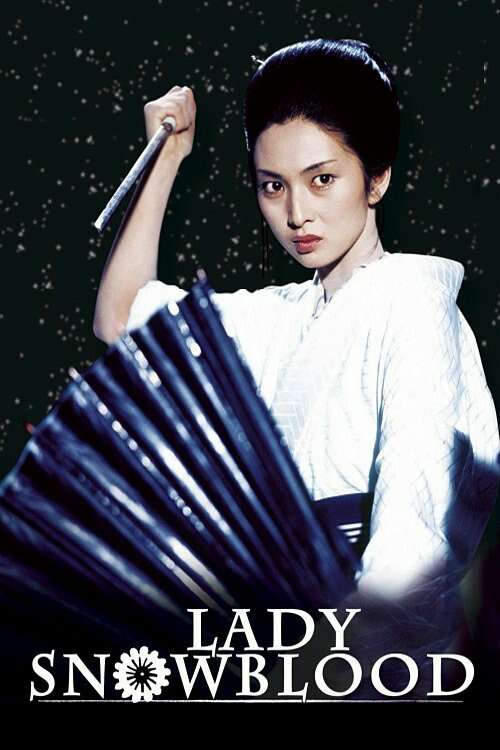
Lady Snowblood (1973) dir. Toshiya Fujita
Do you like the contrast of bright red blood on cold, unblemished snow? “Who doesn’t?” you might be thinking. I don’t know who, and we won’t spend time finding out. Take a look at Lady Snowblood and thank your lucky stars you were born in this tiny window that lets us exist at the same time as digital versatile discs. It really seems like a miracle to me sometimes. 
Here are some other Hong Kong martial arts and wuxia films from the 1970s that are worth a watch:

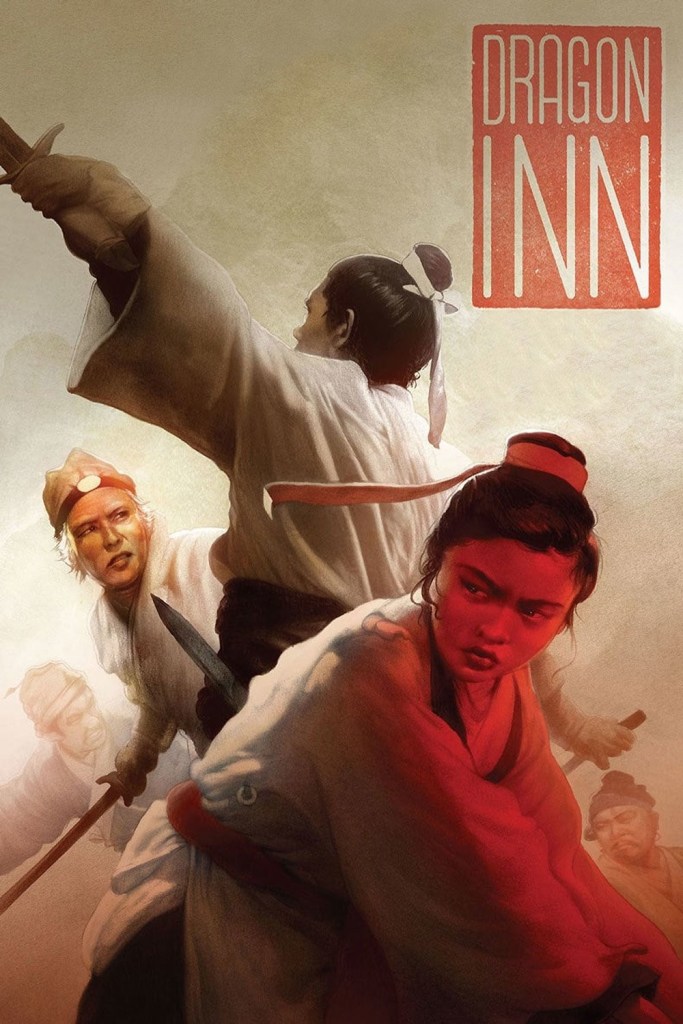
  • Dragon Inn (1967)
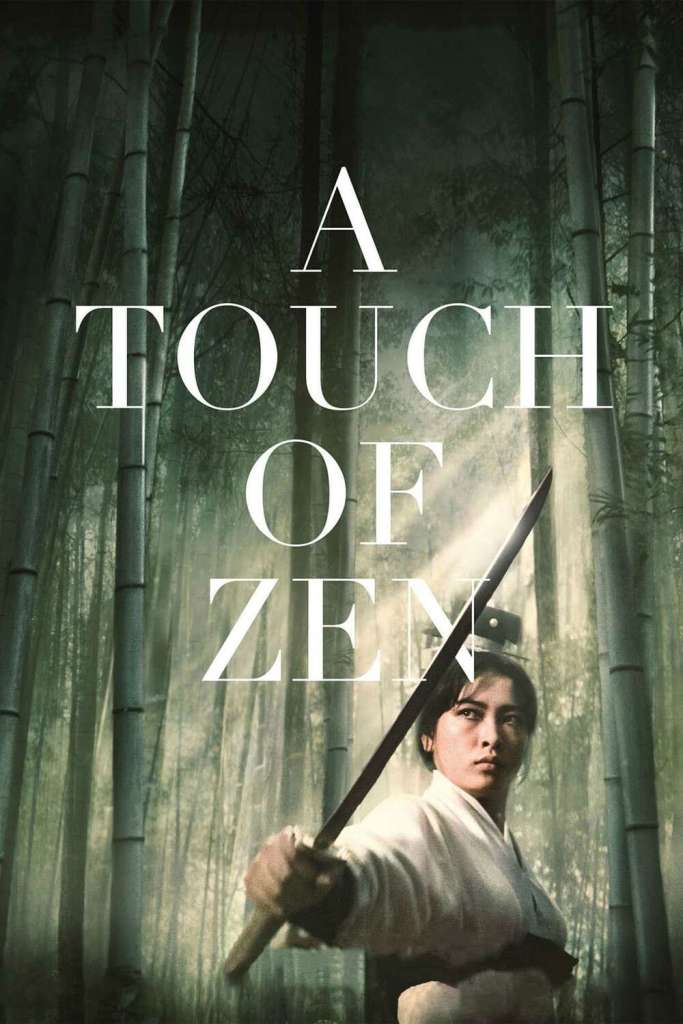
  • A Touch of Zen (1970)
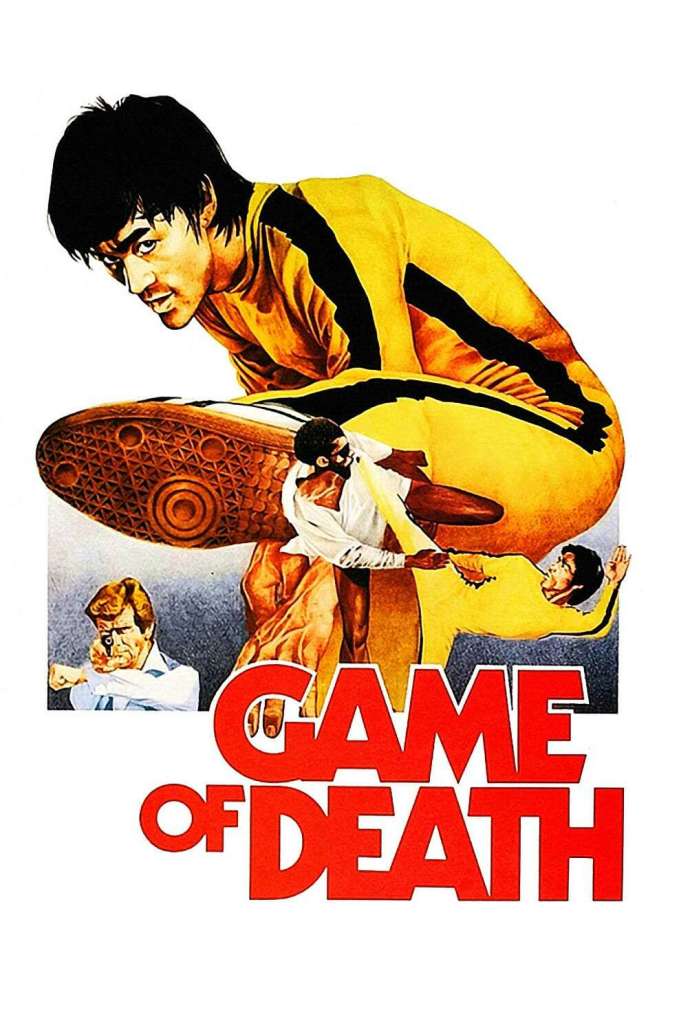
  • Game of Death (1978)
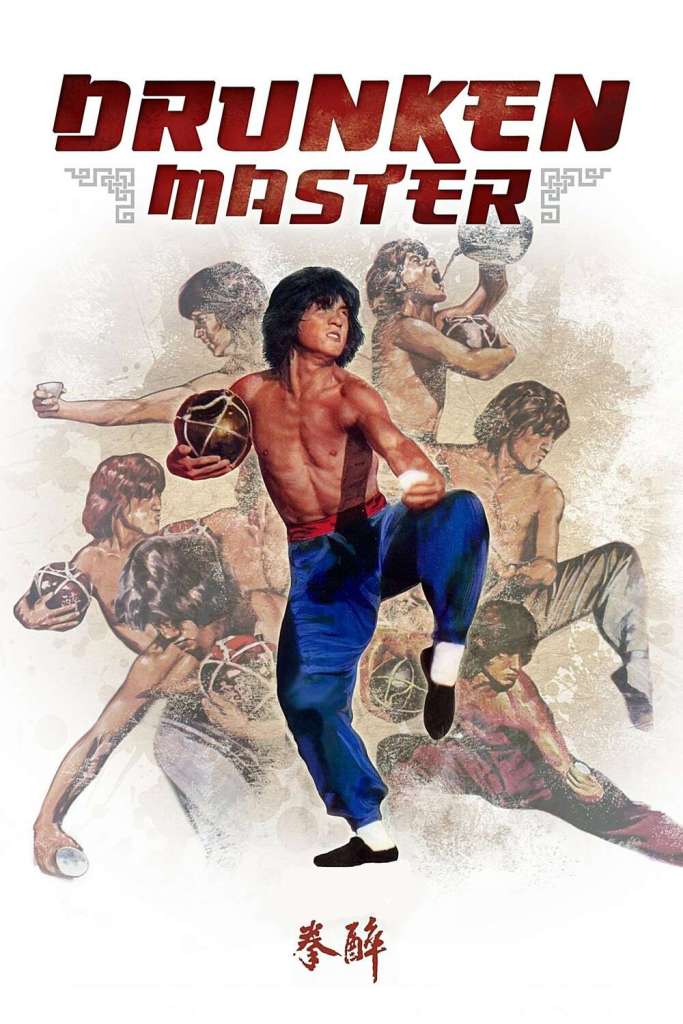
  • Drunken Master (1978)

1980s: Subgenre and the megahit
Don Simpson and Jerry Bruckheimer demonstrated that high concept pictures like Flashdance (1983), Beverly Hills Cop (1984), and Top Gun (1986) that are easy to understand and market could make Hollywood buckets and buckets of money. Audiences flocked to the movies for these big budget spectacles, but they also showed up for comedies, cartoons, fantasy, horror, and any subgenre of film you can name.
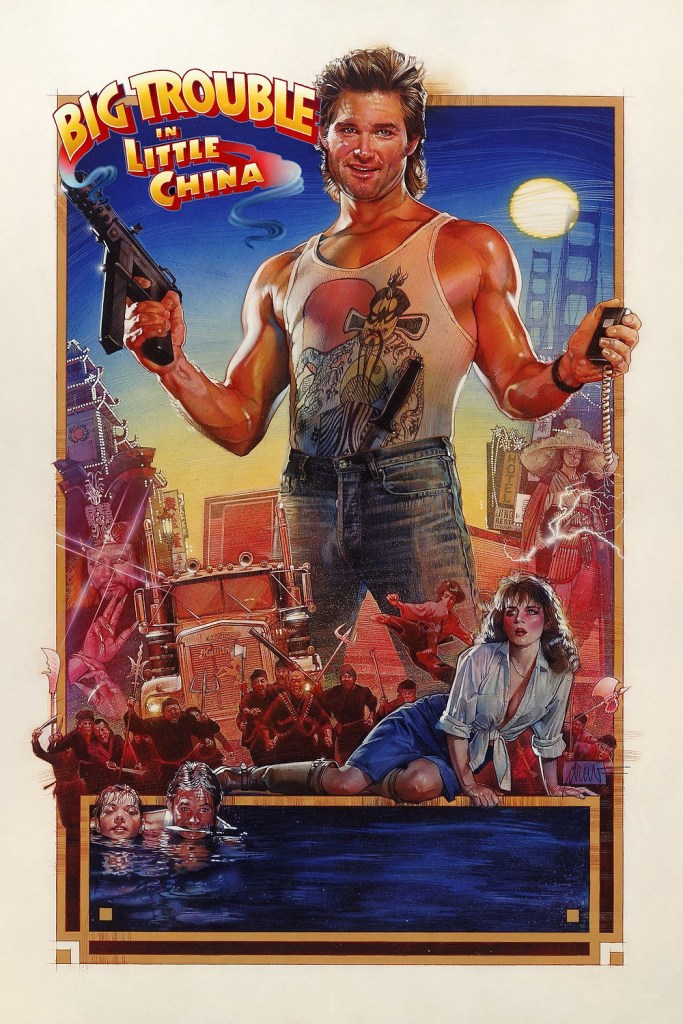
Big Trouble in Little China (1986) dir. John Carpenter
Did I already mention John Carpenter in this post? Yes. Will I mention him again? Likely. I chose this movie as emblematic of how bonkers and superb 1980s cinema could get. I can’t tell you the plot of this movie, but Kurt Russel is there with a Chinatown crime lord, a green-eyed woman, and sorcerer David Lo Pan. If you have any young nieces or nephews, score huge cool auntie points by letting them watch this without parental supervision. It’s what we would have done in 1986, you know. 
Other fascinating examples of 1980s subgenre absurdity and excellence:

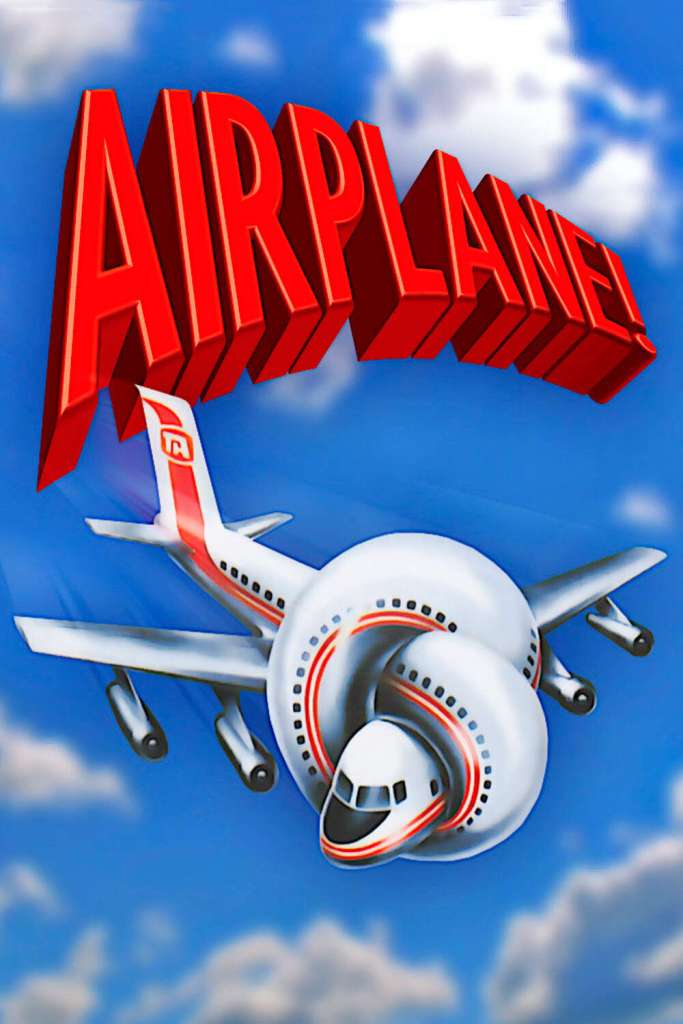
  • Airplane! (1980)
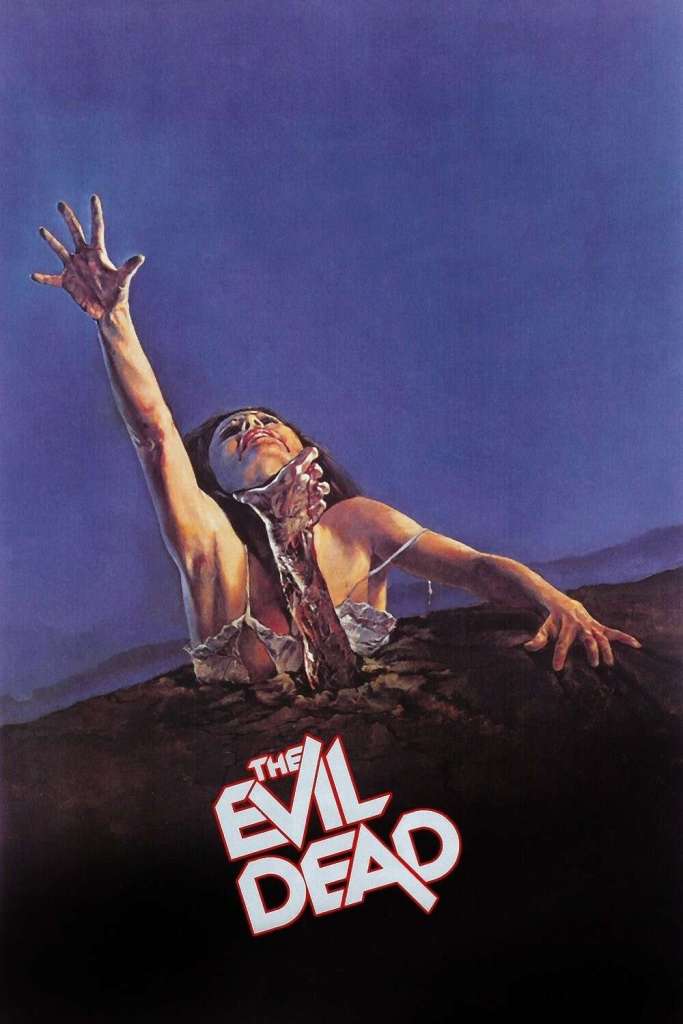
  • Evil Dead (1981)
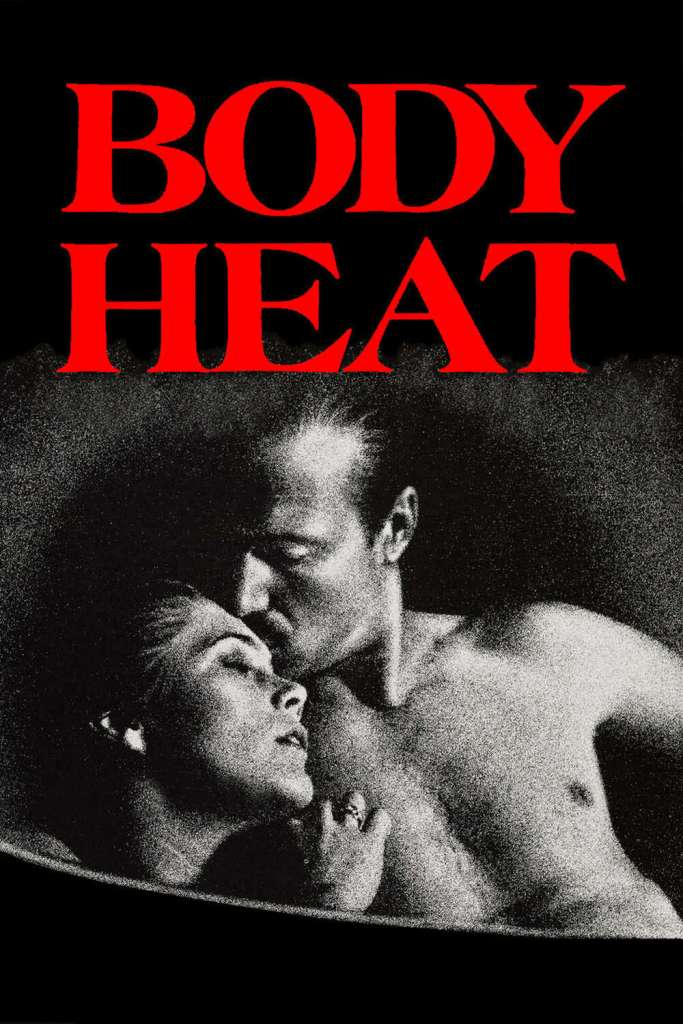
  • Body Heat (1981)
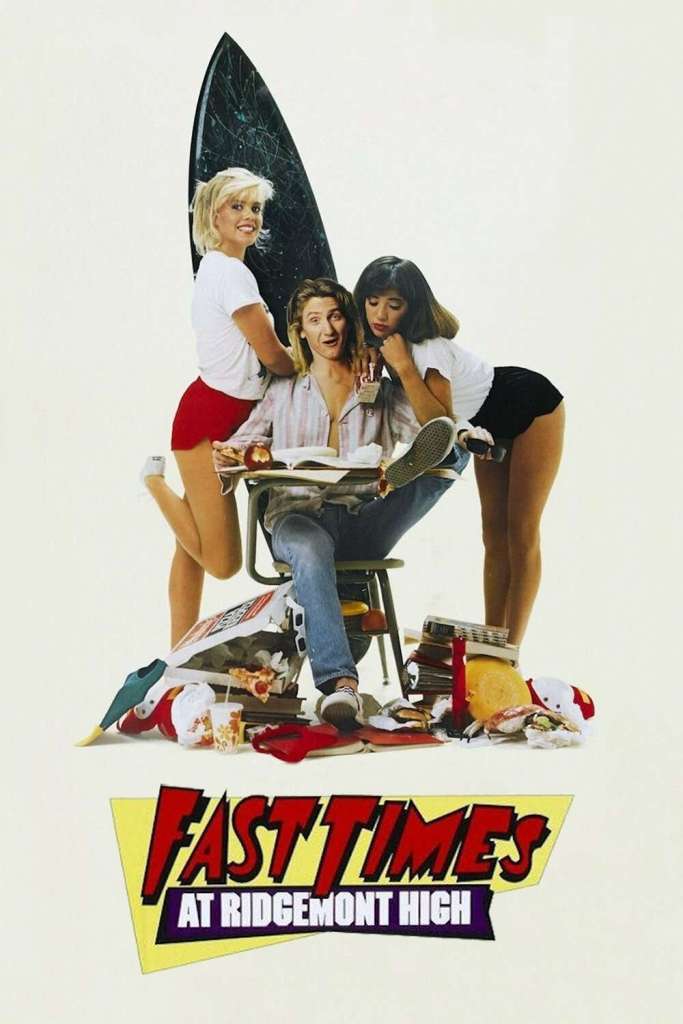
  • Fast Times at Ridgemont High (1982)
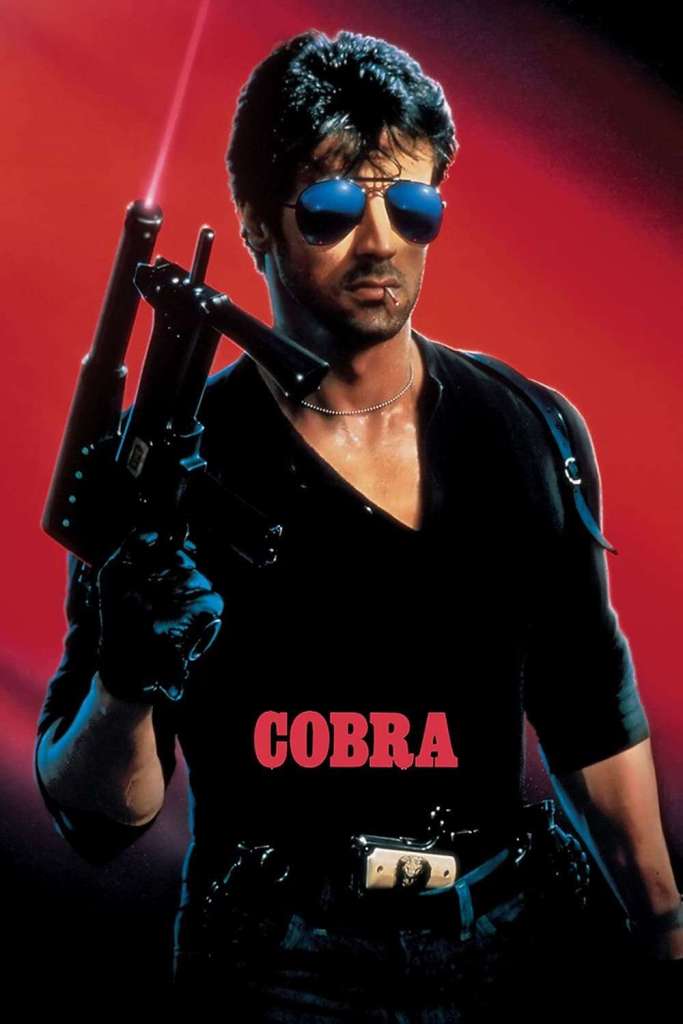
  • Cobra (1986)

1990s: The advancement of CGI technology, and the rise of home video consumption
Films were now intentionally being written and filmed in anticipation of home viewing. Moviegoers were still leaving the house for a night out, but the direct-to-video market was steadily growing. The mainstream success of low-budget genre pictures of the 1980s made the indie directors of the 1990s highly sought-after.
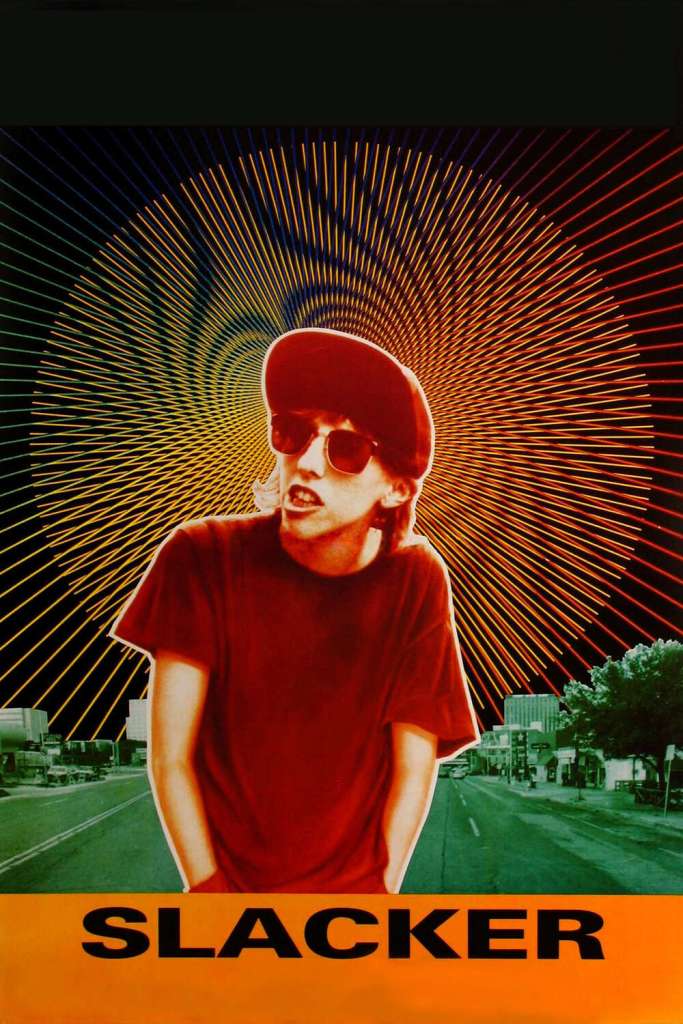
Slacker (1991) dir. Richard Linklater
This movie pissed me off so bad when I saw it. I must have been fifteen or sixteen and just cutting my teeth on the Coen Brothers and Gus Van Sant. I craved beauty and meaning, and Slacker didn’t seem to have either. I request that someone give it a watch and fill me in with their findings. Is this movie good? Or bad? Art is both, often at the same time. 
Other examples of the big and the small moments in 1990s cinema:

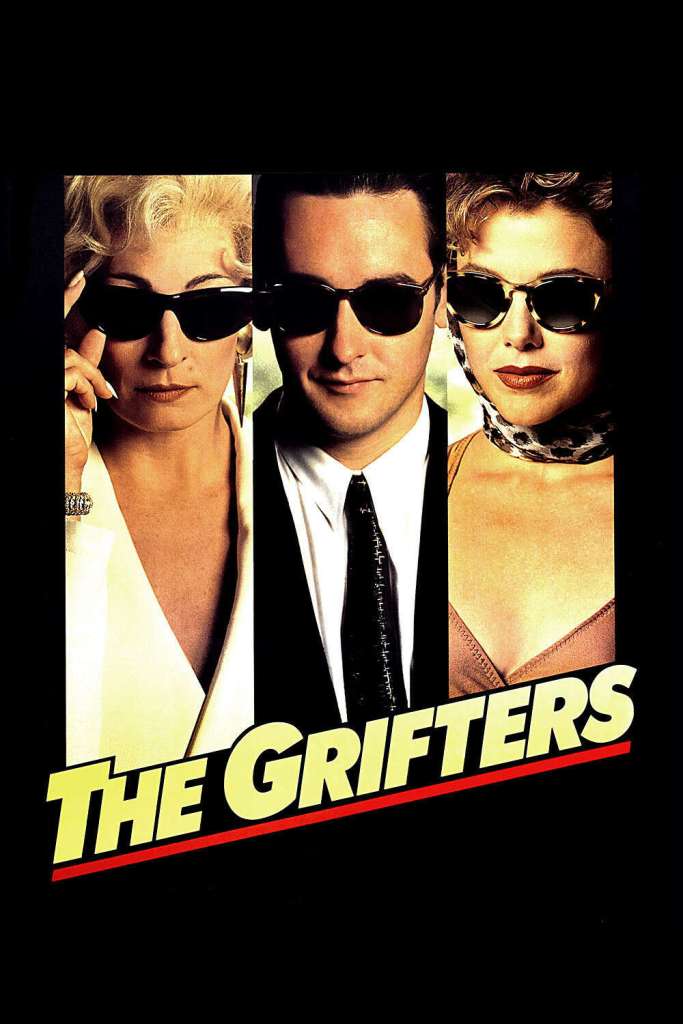
  • The Grifters (1990)
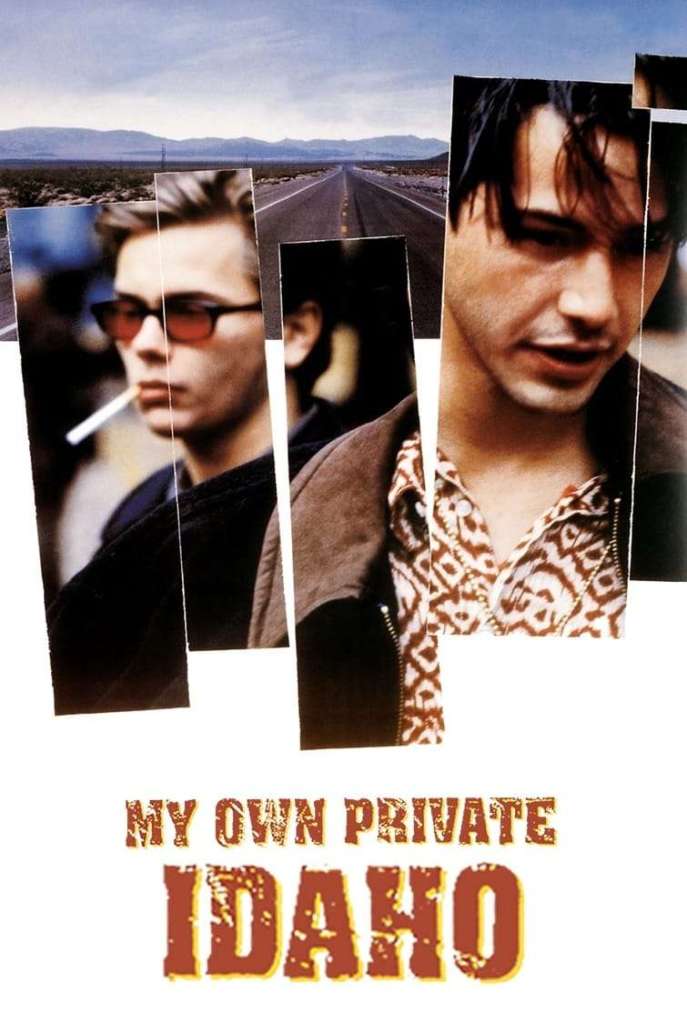
  • My Own Private Idaho (1991)
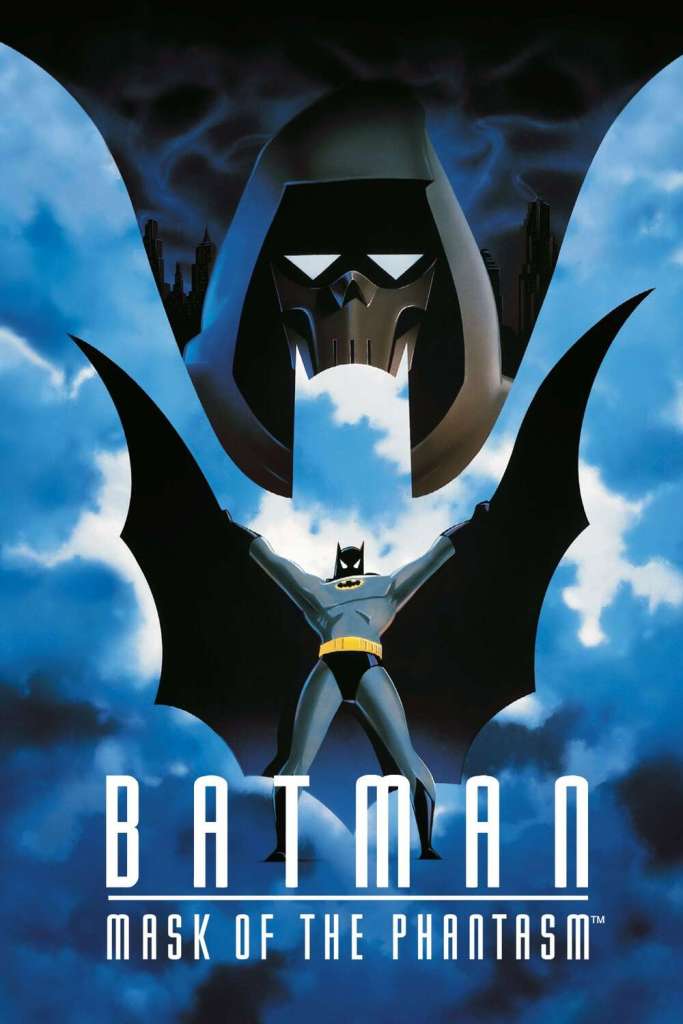
  • Batman: Mask of the Phantasm (1993)
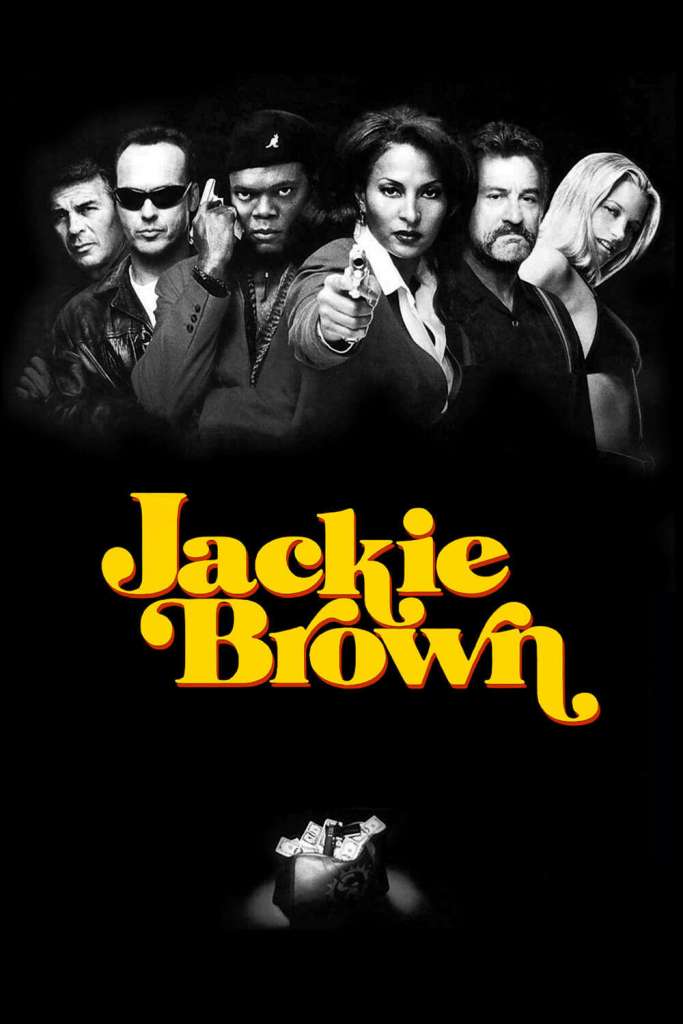
  • Jackie Brown (1997)
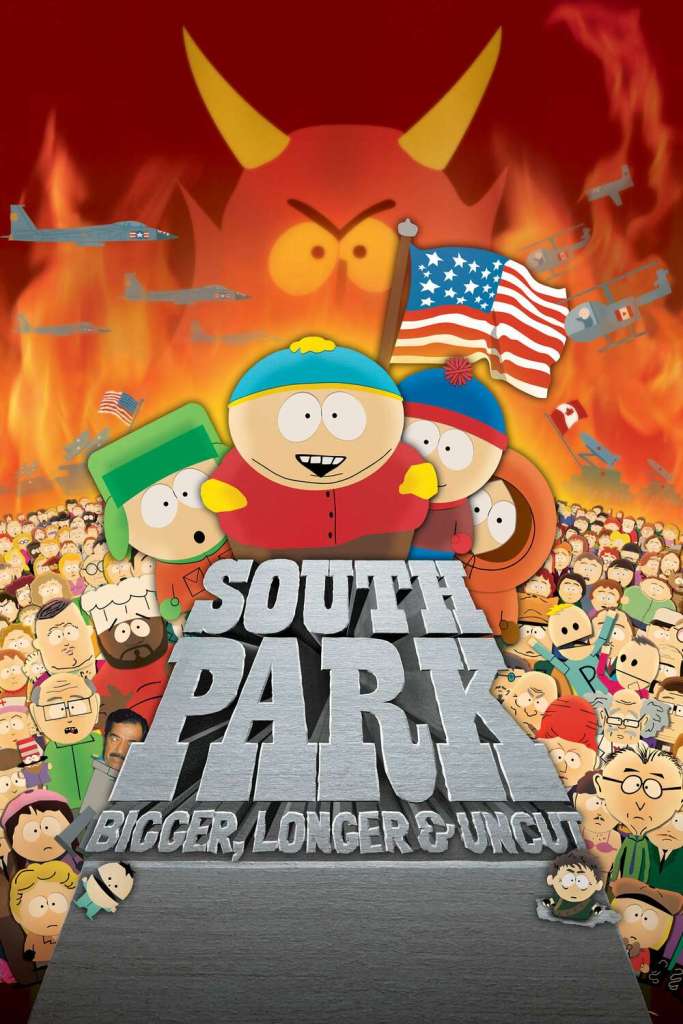
  • South Park: Bigger, Longer, and Uncut (1999)

While there are more ways to break down film history and identify trends, I find massive generalizations comforting and easy to digest. For more in-depth insights into film and film history, consider submitting a Your Next Five Books request and indicate your interest area. Use our Your Next Five Movies tool if you care not for books.
Posted in Adult, Staff Picks

Adventures in Reading (March 2026)

Books are amazing. Just think-in reality a book is a rectangle of bound paper covered in printed words. Yet this simple object and the words within allow the reader to be transported to different times, fantastical places, and situations you would never interact with in the real world. Dear reader, did you know that the brain actually thinks you are experiencing what you are reading? If you are experiencing something in real life or just reading about it, the same areas of the brain are active. Article link: (https://www.oedb.org/ilibrarian/your-brain-on-books-10-things-that-happen-to-our-minds-when-we-read/) How cool is that! Books really are portals that allow us to escape our everyday lives and engage in a world that is completely different.

In the past month my reading journey has taken me to the cold extremes of the polar north, a planet inhabited by dragons and dragon riders, a decaying cemetery ship in the void of space, and the darkness of our own human mind. Join me, dear reader, as I share these journeys with you in my reading recommendations list for this month.

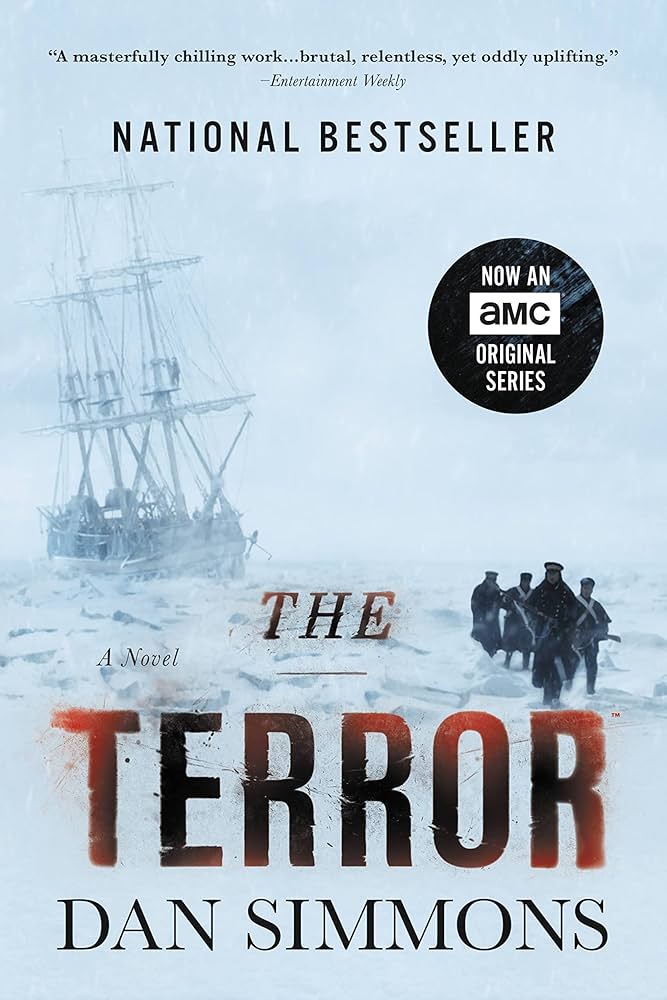
The Terror by Dan Simmons

I have a small spot reserved on my bedroom bookshelf for my ultimate favorite books. (The other books are ordered by genre and series). It is very unusual for me to add a book to this shelf of ultimate favorites. The book had to have some meaningful impact on me. It had to make me think or capture my imagination in a way that completely obsessed my thoughts. Dear readers, this book: The Terror, has joined the ranks of The Princess Bride, The Phantom of the Opera, The Lord or the Rings, and The Symphony of Ages series on my special shelf of beloved books.
“The men think it is no animal,” says Fitzjames. “They believe its cunning is something else, is preternatural, supernatural, that there is a demon out there on the ice in the dark.”

The Terror is a fictional retelling of The Franklin Expedition. Dan Simmons uses historical fact and Inuit mythology to weave a tale of survival, courage, betrayal, and (of course) terror. As if starvation, bitter cold, and disease were not enough for the stranded crews of the ships Erebus and Terror to contend with; they are also stalked by a mysterious creature that lurks out on the ice. Despite the dire circumstances, the crews of both ships show remarkable strength in their battle for survival. They face trials within and without dealing with mutinous and murderous crew members, scurvy, negative degree cold, starvation, and disease. Through all of this turmoil they are constantly hunted by “the thing on the ice”, a cunning creature that they suspect to be supernatural in origin. The characters were very real and well written. I felt attached to all of them-even the villainous ones. The setting was breathtaking and the author does well making you feel that you are in the far north in all of it’s icy beauty. The horror scenes were rewarding. Honestly, I loved the creature as much as the crew. The mayhem it caused was so much gory fun.

Why this book ended up on my favorites shelf is because it has unlocked an obsession in me about The Franklin Expedition. As soon as I finished The Terror I went and compiled a list of all kinds of non fiction books about the real people and the real expedition. I have a lot to read through and am looking forward to it. The Terror delves deep into matters of the spiritual, especially towards the end. It was truly a book that captures the mind. It will live within me forever.

If you find you enjoy the book, it was also made into a TV miniseries that we also have on DVD. It was really well done!

Click HERE to request The Terror

Click HERE to request The Terror DVD miniseries

Continue reading “Adventures in Reading (March 2026)”
Posted in Uncategorized

A Cat to Guide You and a Letter to Bring You Home

Dear reader, I have returned with more comforting Japanese reads for you. Every time I write this type of blog post I feel as if I am collecting my favorite throw pillows to sit amongst on my favorite couch. The pillows may be mismatched but all have the same theme, whether it be a print, color, design, etc. And each pillow has a story behind it. I hope to tell those stories well in today’s post.

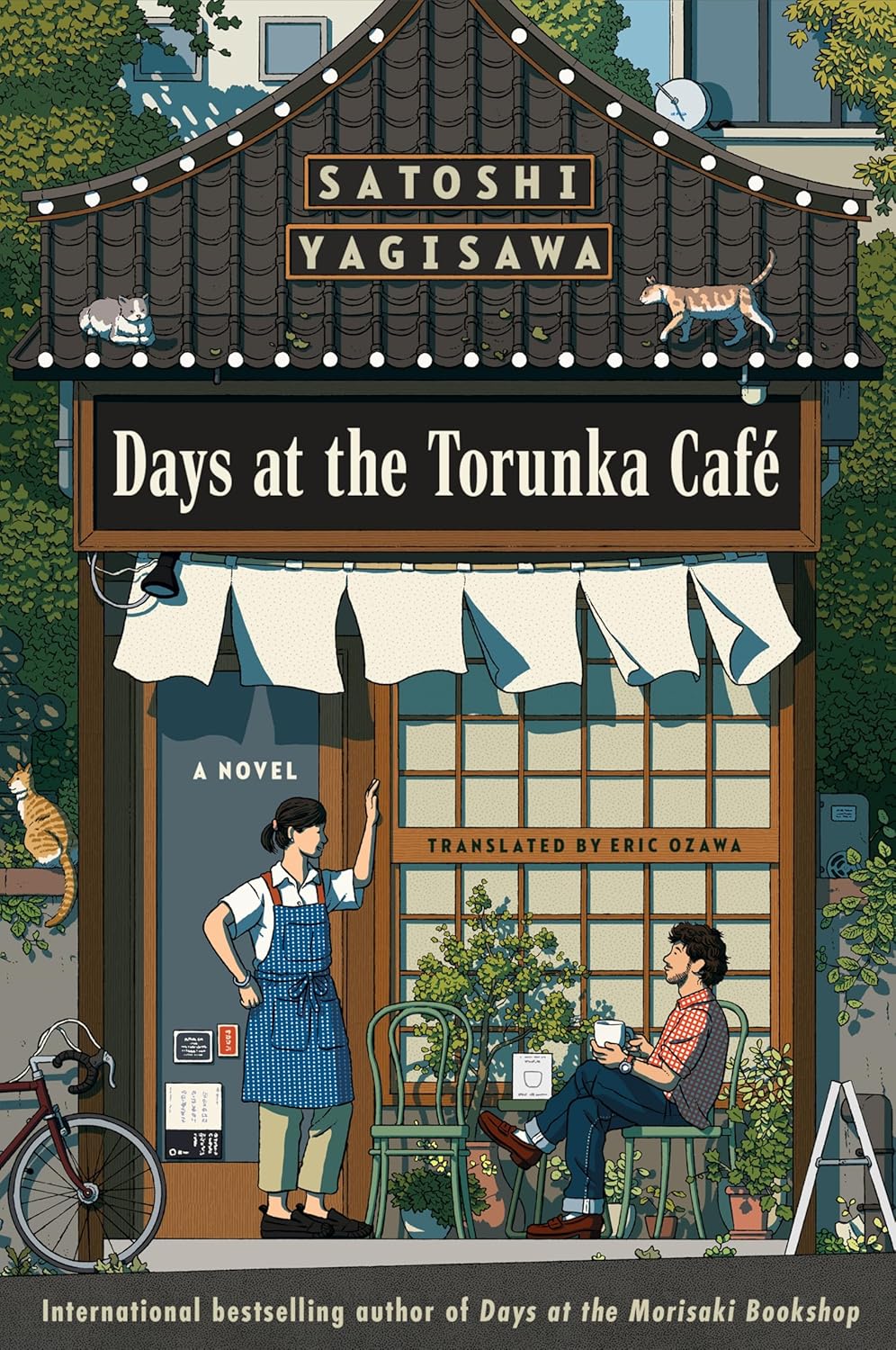
Days at the Torunka Cafe by Satoshi Yagisawa

Tucked away on a narrow side street in Tokyo is the Torunka Café, a neighborhood nook where the passersby are as likely to be local cats as tourists. Its regulars include Chinatsu Yukimura, a mysterious young woman who always leaves behind a napkin folded into the shape of a ballerina; Hiroyuki Numata, a middle-aged man who’s returned to the neighborhood searching for the happy life he once gave up; and Shizuku, the café owner’s teenage daughter, who is still coming to terms with her sister’s death as she falls in love for the first time.

While Café Torunka serves up a perfect cup of coffee, it provides these sundry souls with nourishment far more lasting. Satoshi Yagisawa brilliantly illuminates the periods in our lives where we feel lost—and how we find our way again.

As with many other Japanese novels I have read, the business in question has its solidified customer base that knows how to find it, and it is always hard to find except by those who need its mysterious healing powers and the camaraderie of its inhabitants. The Torunka Cafe happens to be down a narrow alleyway and there is always a cat to guide you to its door.

This book is as much about the nourishing properties of a well made cup of coffee as it is about the customers finding healing and the ability to forgive both themselves and others. Each chapter is written in the first person from the perspective of a different character. I found this perspective switch hard to follow at first, but quickly got used to it as the book went on.

In a particular conversation one of the characters tells another, “When things don’t go well, you might think ‘damn it’, but sooner or later what happened to you is going to become something that sustains you in the future. And when you start something new, there’ll be hassles too, but it’ll be exciting, won’t it?” This is a theme carried throughout the book with all three of the main characters.

There is also an interesting backstory on the cafe’s name that sent me down a rabbit hole, but I’ll leave you to discover that on your own, dear reader!

Continue reading “A Cat to Guide You and a Letter to Bring You Home”
Posted in Uncategorized

New Year Old Books

People generally look ahead in the New Year, to the dawning possibilities and the existential dread of endless choice. It’s not for me, this embarrassment of variety, this perversion of content creation, this deluge of intellectual property. Let’s, you and I, with the power of library catalog software, look at some of the books that have been available for checkout since their publication or since Mead first opened its doors in 1897.

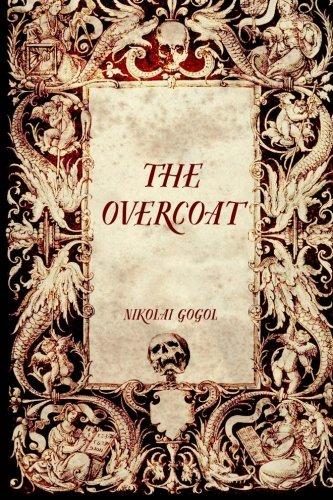
The Overcoat (1842) by Nikolai Gogol
The Russians are great to read in winter. I love feeling desolate. Gogol is my particular favorite among them. His writing is bleak and luminous, much like some winter days. This short story is considered his greatest. 

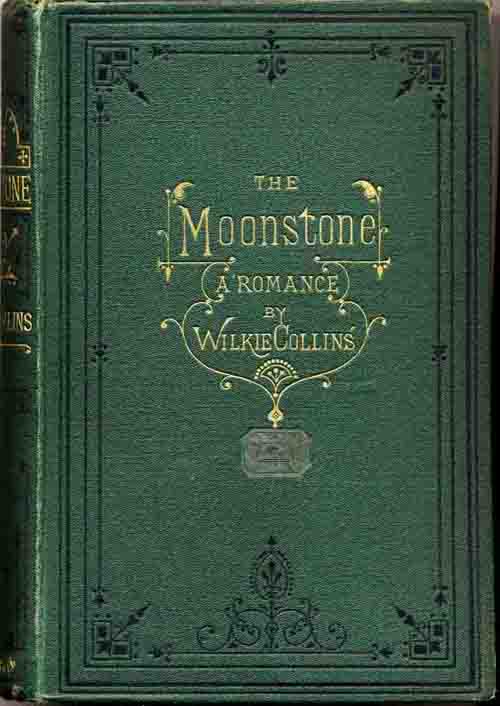
The Moonstone (1868) by Wilkie Collins
Collins is often credited for writing some of the first stories we could compare to modern mystery fiction. As a fan of classical mysteries myself, I have found Collins to be slightly long-winded and dusty, but others will revel in his gilded language. He is contemporaneous to Sir Arthur Conan Doyle, who I encountered first, and who is still my Victorian ideal for mystery/adventure writing. 

The Hamlet (1940) by William Faulkner 
Faulkner makes my head hurt. He is not for me. I find the prose dense and hard to parse. The rest of the world disagrees, and the rest of the world has a bigger, higher-functioning brain than I, with which to comprehend Faulkner. Visit any library in the country and you are likely to find something by William Faulkner, and Mead is no exception. 

A Tree Grows in Brooklyn (1943) by Betty Smith
I have never read this book but I always knew about it. There was this gag in a 1940s Looney Tunes cartoon in which a bunch of tough New York City dogs are getting ready to kick Bugs Bunny’s ass, so he grasps around him and holds something out to defend himself. All of a sudden all the dogs RACE away from Bugs, which is when we learn the title of the book: A Tree Grows in Brooklyn. That’s right. A dog pee joke. Mid 20th century animation has provided me with an education in the humanities, and has made me the refined citizen I am today. 

Anyhoo, I bet the book is worth a read since it has been in continual circulation since its publication. 

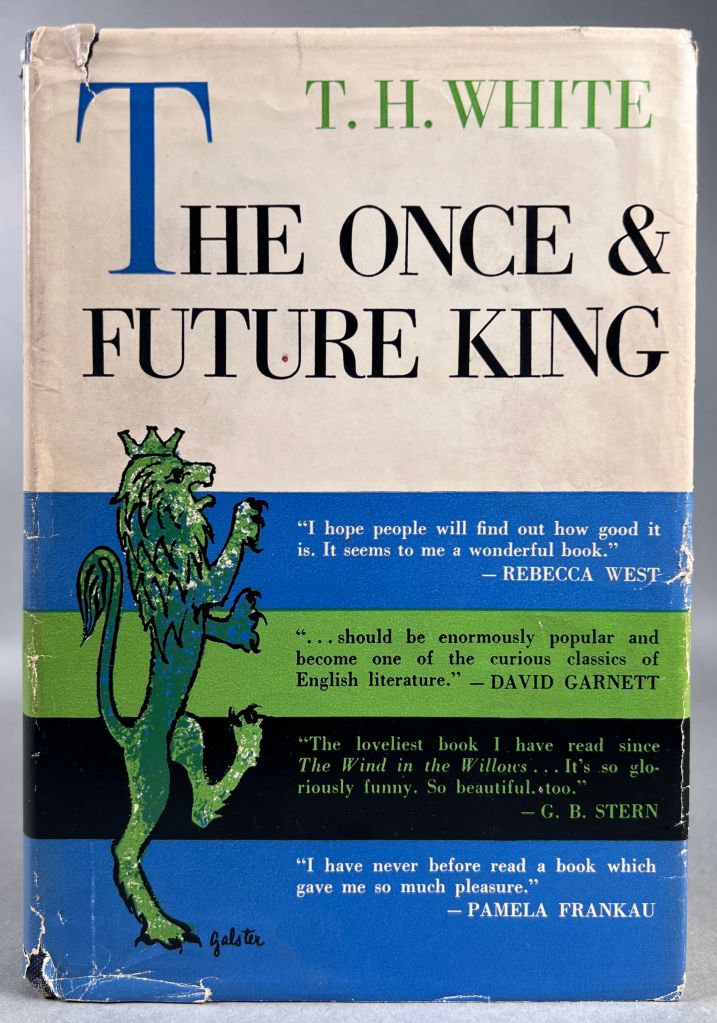
The Once and Future King (1958) by T.H. White
This is the five-book collection of White’s definitive retelling of the Arthurian legend. The first book, The Sword in the Stone, was published in 1938, and is an abiding classic. Mead’s copy was published in 1958 and has been in constant circulation since. Do you get a sense of time and place from old objects like books? I do. 

Memories, Dreams, Reflections (1962) by C.G. Jung
The esteemed Swiss psychiatrist and physiotherapist spent his last days finalizing this autobiographical work. His contribution to the field of psychiatry has impacted the study of religion, philosophy, archeology, anthropology, and literature. The man defined the concepts of introversion and extroversion, for one, and we all frame ourselves through this lens. Read all about it, in his own words here. 

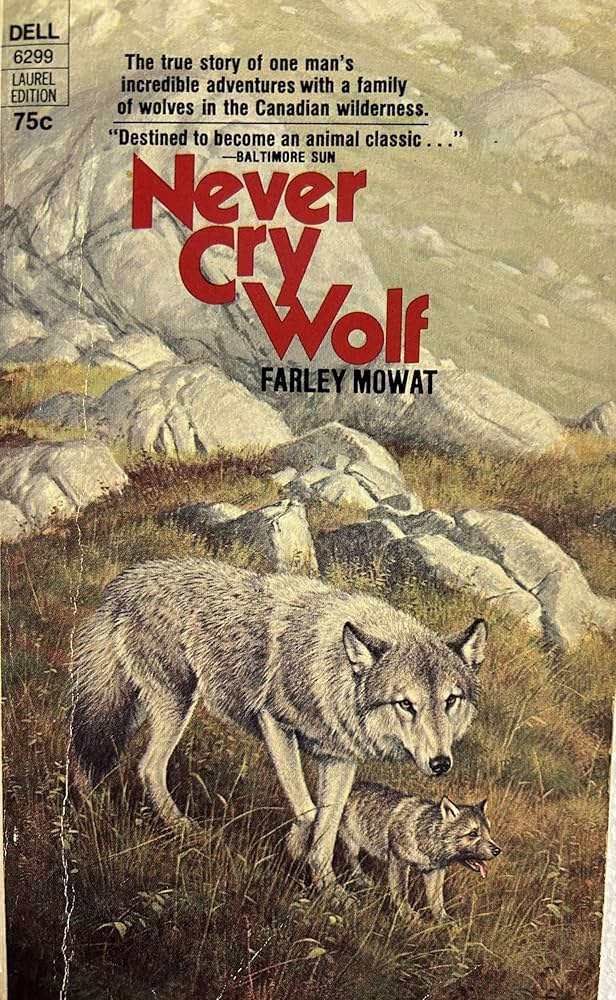
Never Cry Wolf (1963) by Farley Mowat
Hey, I never read this book either, but I HAVE seen the movie. There is a scene relating to canines and canine urine in this story, which I think dovetails nicely with my remarks about A Tree Grows In Brooklyn

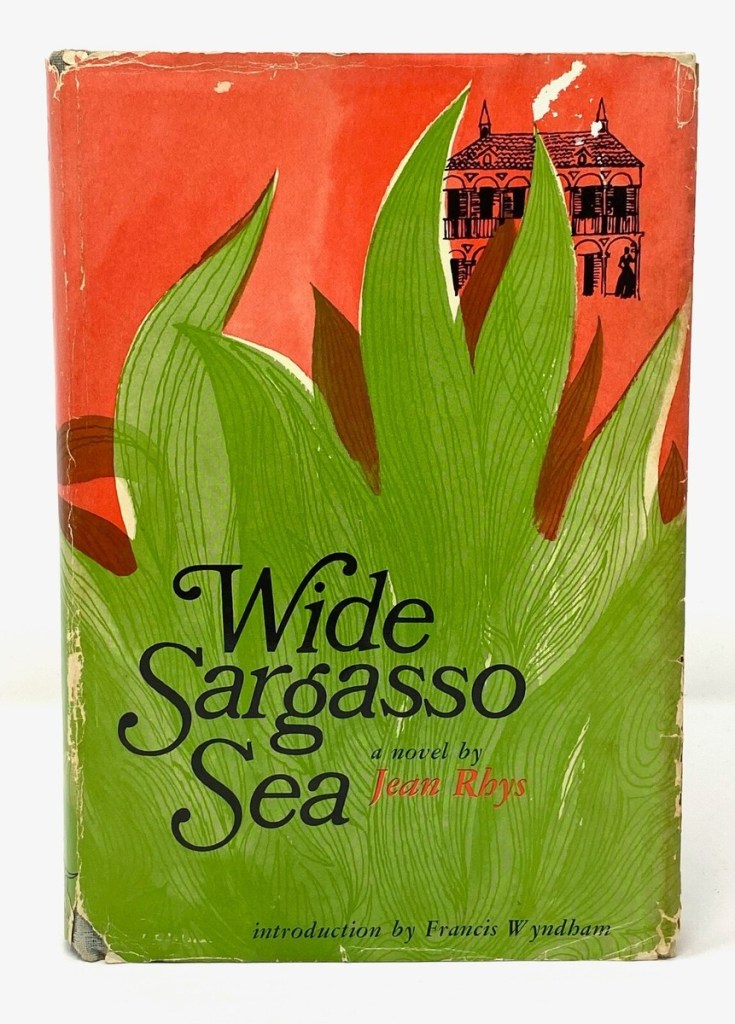
Wide Sargasso Sea (1966) by Jean Rhys
Remember how Mr. Rochester was keeping his crazy wife hidden in the attic? Yeah, that wasn’t so cool, was it? The mad wife has a name, Antoinette Cosway, and this is her story. 

Twiggy: How I probably just came along on a white rabbit at the right time, and met the smile on the face of the tiger (1968) by Twiggy
This book is tall and thin, just like Twiggy. Damn her, for pushing these unrealistic beauty standards on printed material. 

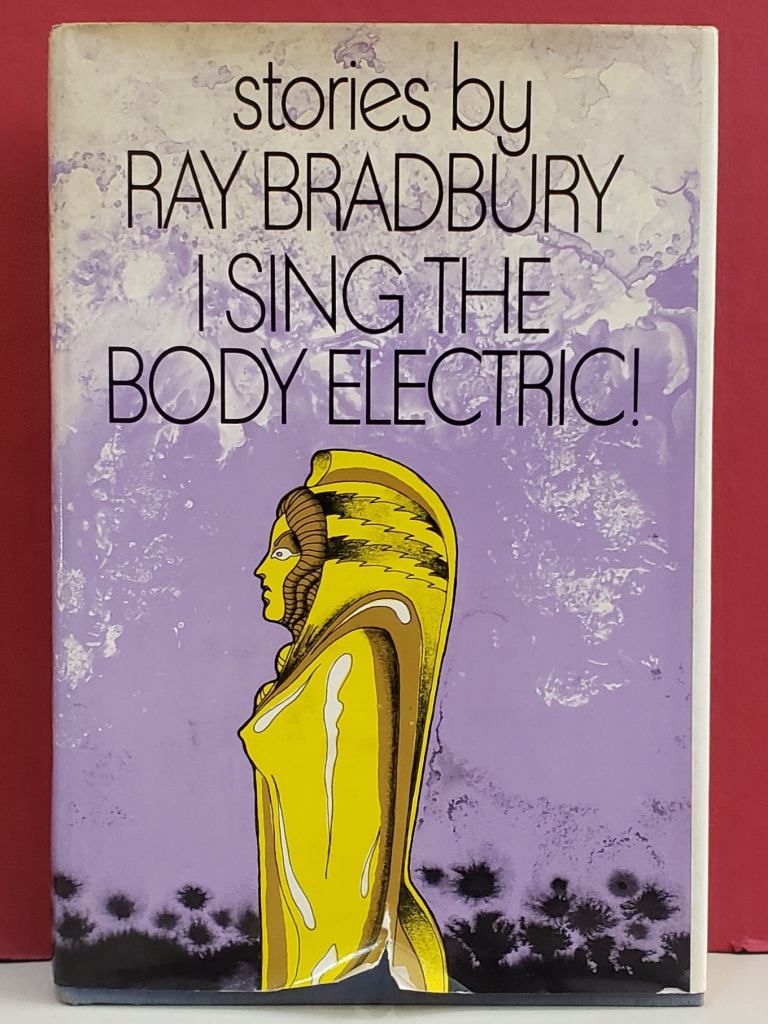
I Sing the Body Electric! And Other Stories (1969) by Ray Bradbury
Isn’t that the title of a song from the hit 1980 musical, Fame? That’s what I thought for a long time until I became familiar with the work of Walt Whitman. We all learn at a different pace. 

As for Bradbury, his work doesn’t need promoting. He is easily one of the most beloved authors of the 20th century. We had to read one of the Illustrated Man short stories in 6th grade English class and then we had to read the same story in freshman English four years later. Sheboygan Area School District’s failure to branch out from “The Veldt” in the 1990s is a failing I won’t soon forgive. 

How does Mead staff decide what stays on the shelf and what goes? Once material has been added to the collection, it mostly depends on how often something circulates. Books that sit unmoving for three years are usually removed from the collection, or “weeded”, to make way for newer, more sought-after titles. This material is donated to the Friends of the Mead Public Library, who then use it to stock their fabulous annual book sale. I love the process of managing the collections at our library, and I love the ecosystem of access it creates.

What are your favorite books published in the 20th century or earlier? What is the earliest-published book you have ever read? Mine is The Pillow Book of Sai Shonagon, first published in Heian-era Japan in the year 1002. Available now in the Monarch catalog!

Posted in Uncategorized

My Favorite Christmas Movies

It is that season again! During these snowy winter months a favorite past time of many of us is curling up with a blanket and putting in a movie that puts you in that certain holiday mood. Some of my favorites include the classics such as Rudolph the Red Nosed Reindeer, Santa Clause is Comin’ to Town and the Home Alone movies. As these are very well known and common cozy classics I will not be covering them in this blog post. To be honest, my taste in Christmas movies ranges towards the darker side (except for one glaring exception). Dear readers, I hope you find something of interest as I share my Christmas favorites.

Beauty and the Beast and The Enchanted Christmas

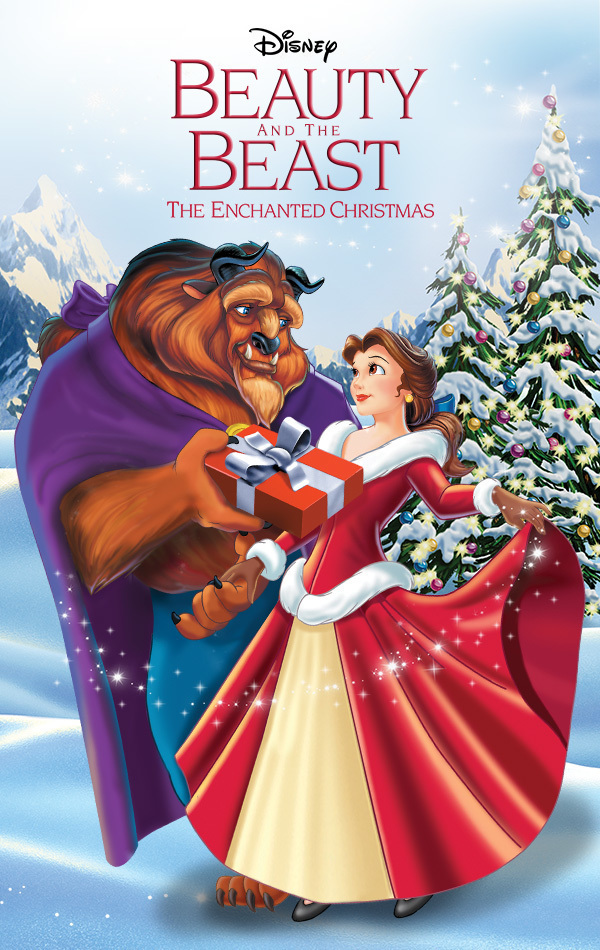
This Christmas movie has been my #1 favorite since childhood and is the exception to the darker theme of others on this list. I grew up in Dundee Wisconsin. There was not much there. There is still the gas station that is a hub and general store for the tiny town. What the gas station no longer has are VHS tapes to rent out. It was a very small selection and always a special treat when mom took me to pick something to rent. Beauty and the Beast and The Enchanted Christmas often came home with me. (As an adult I now own the movie on DVD so I can watch it whenever I please.)

The movie is set in the between time in the original Beauty and the Beast movie. (My husband complains that this does not make sense as they would have had no time to celebrate Christmas, but hey suspend your disbelief and embrace the whimsy!) Belle finds out that the inhabitants of the castle have not celebrated Christmas since the Enchantress cursed the Beast. In fact the Beast has forbidden the celebration of Christmas as it reminds him of his curse and makes him angry. Belle sets out to restore the Christmas spirit to the castle and break the ice of the Beast’s cold and angry heart. This movie also includes one of my all time favorite Christmas songs ever: As Long As There’s Christmas. For warm fuzzy feelings and magic that warms the heart check out Beauty and the Beast and The Enchanted Christmas.

Click HERE to request Beauty and the Beast The Enchanted Christmas

Continue reading “My Favorite Christmas Movies”
Posted in Uncategorized

When your ship hasn’t come in yet

Dear reader, although November has come and gone, the shipping season on the great lakes won’t end until the Soo Locks close at 11:59pm on January 15th 2026. And even once they do close we can still talk about ships because how else will us ship nerds survive the long barren winter?

But there’s more to wait for than the reopening of the Soo Locks on March 25th 2026. What’s that, you ask? The new book about the Edmund Fitzgerald, The Gales of November by John U. Bacon. This book was released just ahead of the 50th anniversary of the ship’s sinking. However, I can’t talk about it because I haven’t read it yet! The last time I checked I’m still number 32 in the holds queue for it. Isn’t there something exciting about checking your placement in the holds queue for a book you really want? It’s like Christmas day when you finally get the notification that it’s available for checkout!

So while you wait for your copy of The Gales of November to come in, I’ll spend our time together talking about other books either about the Fitzgerald sinking or other shipwrecks that have happened on the Great Lakes.

The Gales of November by John U. Bacon

For three decades following World War II, the Great Lakes overtook Europe as the epicenter of global economic strength. The region was the beating heart of the world economy, possessing all the power and prestige Silicon Valley does today. And no ship represented the apex of the American Century better than the 729-foot-long Edmund Fitzgerald—the biggest, best, and most profitable ship on the Lakes.

But on November 10, 1975, as the “storm of the century” threw 100 mile-per-hour winds and 50-foot waves on Lake Superior, the Mighty Fitz found itself at the worst possible place, at the worst possible time. When she sank, she took all 29 men onboard down with her, leaving the tragedy shrouded in mystery for a half century.

In The Gales of November, award-winning journalist John U. Bacon presents the definitive account of the disaster, drawing on more than 100 interviews with the families, friends, and former crewmates of those lost. Bacon explores the vital role Great Lakes shipping played in America’s economic boom, the uncommon lives the sailors led, the sinking’s most likely causes, and the heartbreaking aftermath for those left behind—”the wives, the sons, and the daughters,” as Gordon Lightfoot sang in his unforgettable ballad.

Focused on those directly affected by the tragedy, The Gales of November is both an emotional tribute to the lives lost and a propulsive, page-turning narrative history of America’s most-mourned maritime disaster.

Dear reader, one thing I love the most about nonfiction books is the fact that they not only give an in-depth account of the topic they’re covering, they also give you the backstory leading up to it, such as the political climate, social attitudes, etc. It’s especially fascinating to read about such things when you haven’t grown up in the time period the book is covering.

For instance, in a recent documentary I watched on the Edmund Fitzgerald it was mentioned how the Coast Guard was trying to cut costs by automating certain lighthouses. It was strongly advised not to automate the Whitefish Point lighthouse, which was a crucial point to warn sailors of dangerous shoals, but automated it was and on the night of the Fitzgerald’s sinking the infamous storm had knocked out power to the lighthouse, thus depriving the Fitzgerald’s crew of yet another point of navigation. In the same documentary it said while the Fitzgerald was at the ore dock in Superior, WI a crane operator had damaged the ship’s navigational equipment, so by the time they were out in open water and in the thick of the storm they were basically running blind. One speculation on the cause of the Fitzgerald’s sinking is, due to this lack of navigational equipment, they inadvertently steamed too close to the shoals of Caribou Island and damaged the hull of the ship unknowingly. Even 50 years later we still do not know what ultimately led to the Fitzgerald’s tragic sinking. Her final resting place in Canadian waters was in 2006 declared a gravesite due to the remains of all 29 crew members still being on board, so there are no longer dives down to the wreck to investigate it.

When she was built the Fitzgerald was the largest and fastest ship on the Great Lakes. In fact, when she was launched into the water for the first time she was the largest to have done so. In the same documentary it mentioned how her accommodations for visiting dignitaries and their families were appointed with the most up to date technology and luxuries of the time. She was the star of her fleet and consistently broke old records and created new ones for the most cargo hauled in a season. She was also the first ship to have a welded hull. This allowed her to be built in record time. Here lies another speculation on the cause of her sinking, with some saying it was this accelerated, welded design that led to a compromise in structural integrity.

This theme of being the largest ship on the Great Lakes also applies to another shipwreck, that of the Carl D. Bradley, which sank in Lake Michigan in 1958.

Continue reading “When your ship hasn’t come in yet”
Posted in Uncategorized

Abbie’s Recent Reads (November 2025)

Last month I found myself in a bit of a reading slump. Life was busy and many of my library holds were taking their time coming in (yes, they came in all at once so I had some catching up to do!). I had a great time reading through a wide variety of genres in the past month, and I am super excited to share my favorites with you! Below you will find suggestions for genres in fantasy, non fiction, historical fiction, and thriller/horror. I am an eclectic reader! Dear reader, I hope you find something on this list that brings you as much delight as these reads brought to me.

Continue reading “Abbie’s Recent Reads (November 2025)”
Posted in Uncategorized

What I’ve Been Watching Fall 2025 Edition

Here is a list of movies I watched this fall and what I thought about them and what you should also watch or watch instead. Many of the movies came off of the New York Times list of the best films of the 21st century, so far. Get your free access to the NYT courtesy of Mead Library by clicking HERE if you’d like to see the list for yourself.

Memories of Murder (2003) dir. Bong Joon Ho
Rural South Korean detectives struggle and fail to bring a serial murderer to justice. Based on true events. This is a must-watch for disciples of international film, true crime, Bong Joon Ho, and Song Kang-Ho. Gripping, disturbing, gorgeous, and frustrating.

Companion movies: The Bone Collector (1999); Frenzy (1972); LA Confidential (1997); Zodiac (2007)

Michael Clayton (2007) starring George Clooney and Tilda Swinton
Fancy attorney “fixer” Michael Clayton must figure out who is killing off everyone related to a multi-billion dollar lawsuit in this taught thriller because he might be next. Great cast. Beautifully shot. Slick narrative devices. Morally grey protagonists. This baby has really got it all.

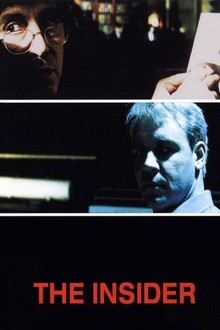
Companion movies: Collateral (2004); Erin Brockovich (2000); The Insider (1999); Nightcrawler (2014)

Spotlight (2015) starring Michael Keaton and Rachel McAdams
The incredible, harrowing, and heartbreaking true story of the Boston Globe breaking the Catholic sex abuse scandal in 2001. This won the Oscar for Best Picture and rightly so. We will be discussing this film at the Feb. 2026 meeting of Movie Club. I am screening it that week, too, check the calendar for details. I watched this slack-jawed and all in one go, and while my mouth is often slack, it is rare that I watch an entire movie all in one sitting.

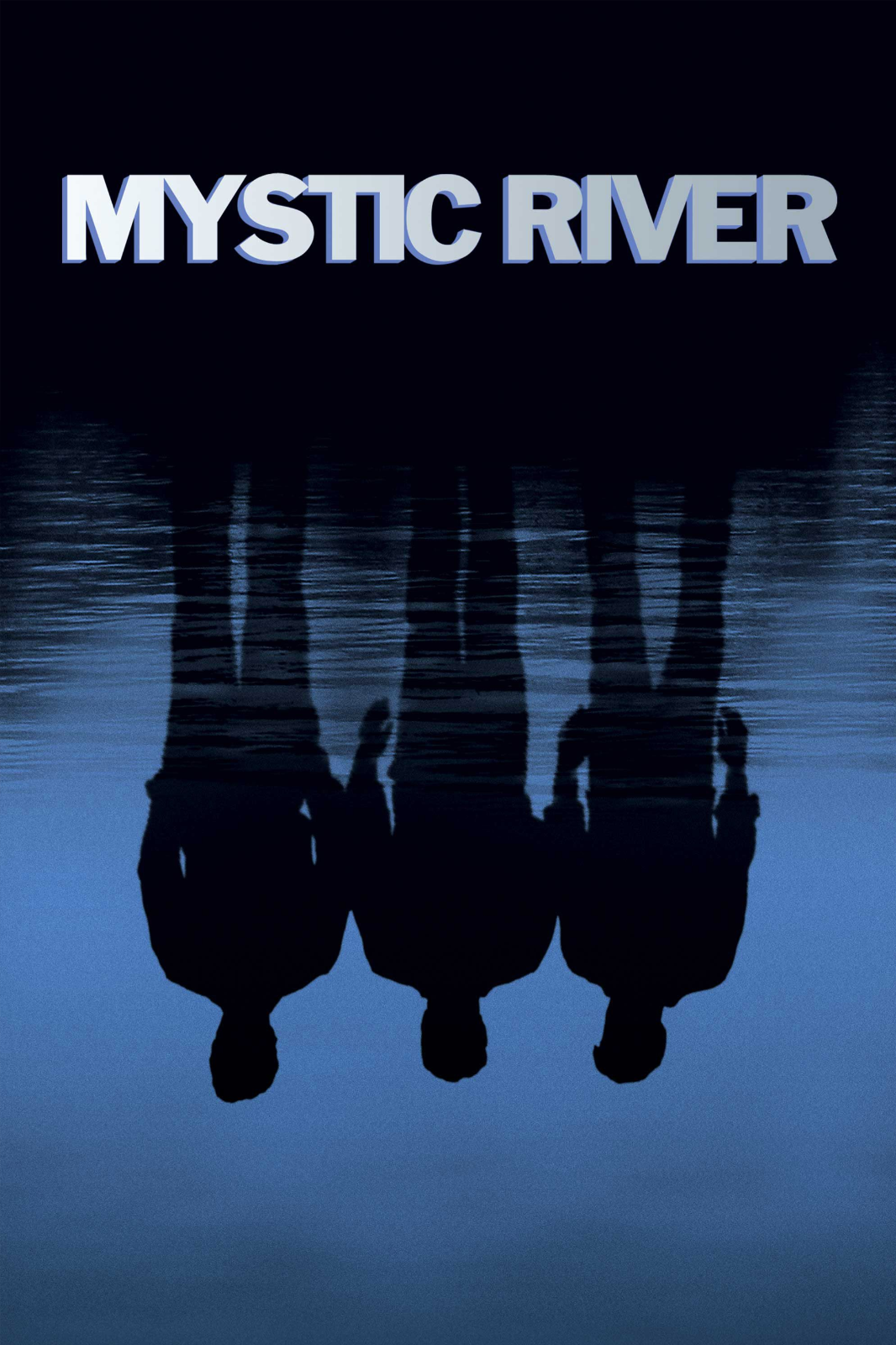
Companion movies: Broadcast News (1987); Conclave (2024); Doubt (2008); Mystic River (2003)

Black Orpheus (1959) dir. Marcel Camus
A fabulous retelling of the Greek myth of Orpheus and Eurydice set against the colorful backdrop of Carnival in Rio with an all-black cast. This dreamy interpretation captured international attention and was awarded the Palme D’or at Cannes.

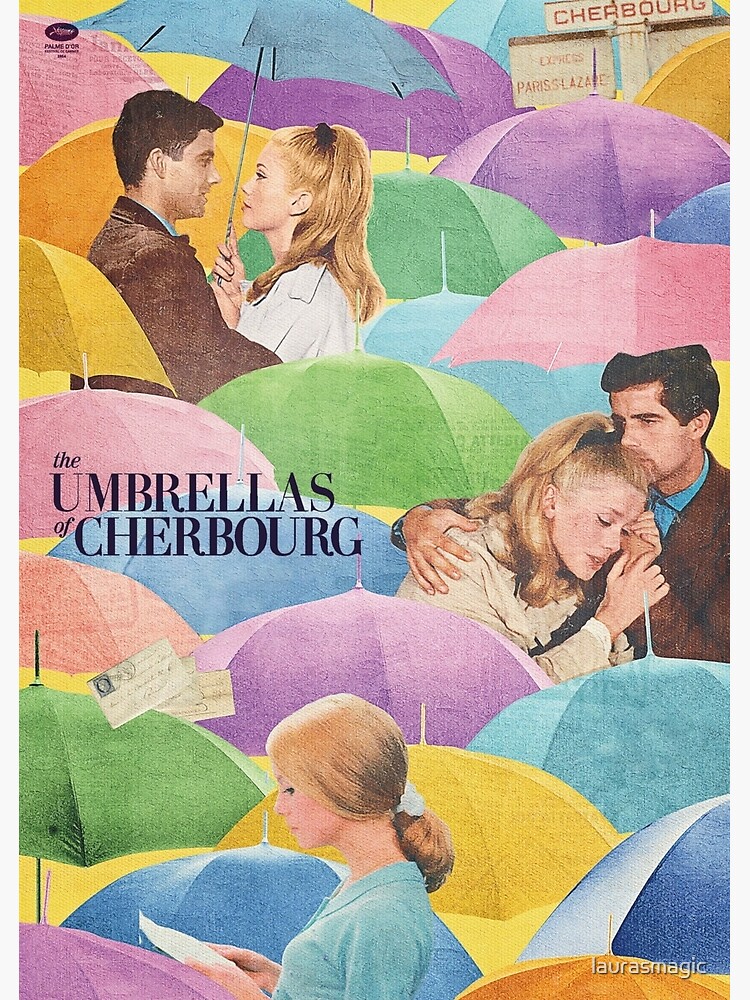
Companion movies: Singin’ In the Rain (1952); The Red Shoes (1948); Touki Bouki (1973); The Umbrellas of Cherbourg (1967)

The Intouchables (2011) dir. Olivier Nakache
Sweet and unexpected buddy comedy in which a good natured recidivist stumbles into employment as the caretaker of a wealthy quadriplegic aristocrat. Worlds collide here to great effect. There is an American remake starring Hal from Malcolm in the Middle and that little fella from Jumanji. I haven’t seen it and cannot attest to its charm or lack thereof. It’s called The Upside (2017). 

Companion movies: Amelie (2001); The Bucket List (2007); Captain Fantastic (2016); Notting Hill (1999)

The Menu (2022) starring Ralph Fiennes and Anya Taylor-Joy
A chef and his staff at the height of their celebrity and abilities have a strange reaction to the lofty position they have attained. This one gets bloody but it’s FUNNy blood, you guys. No it isn’t actually. Trigger warning, you guys, actually.

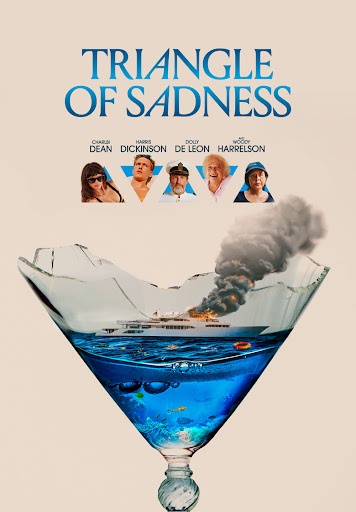
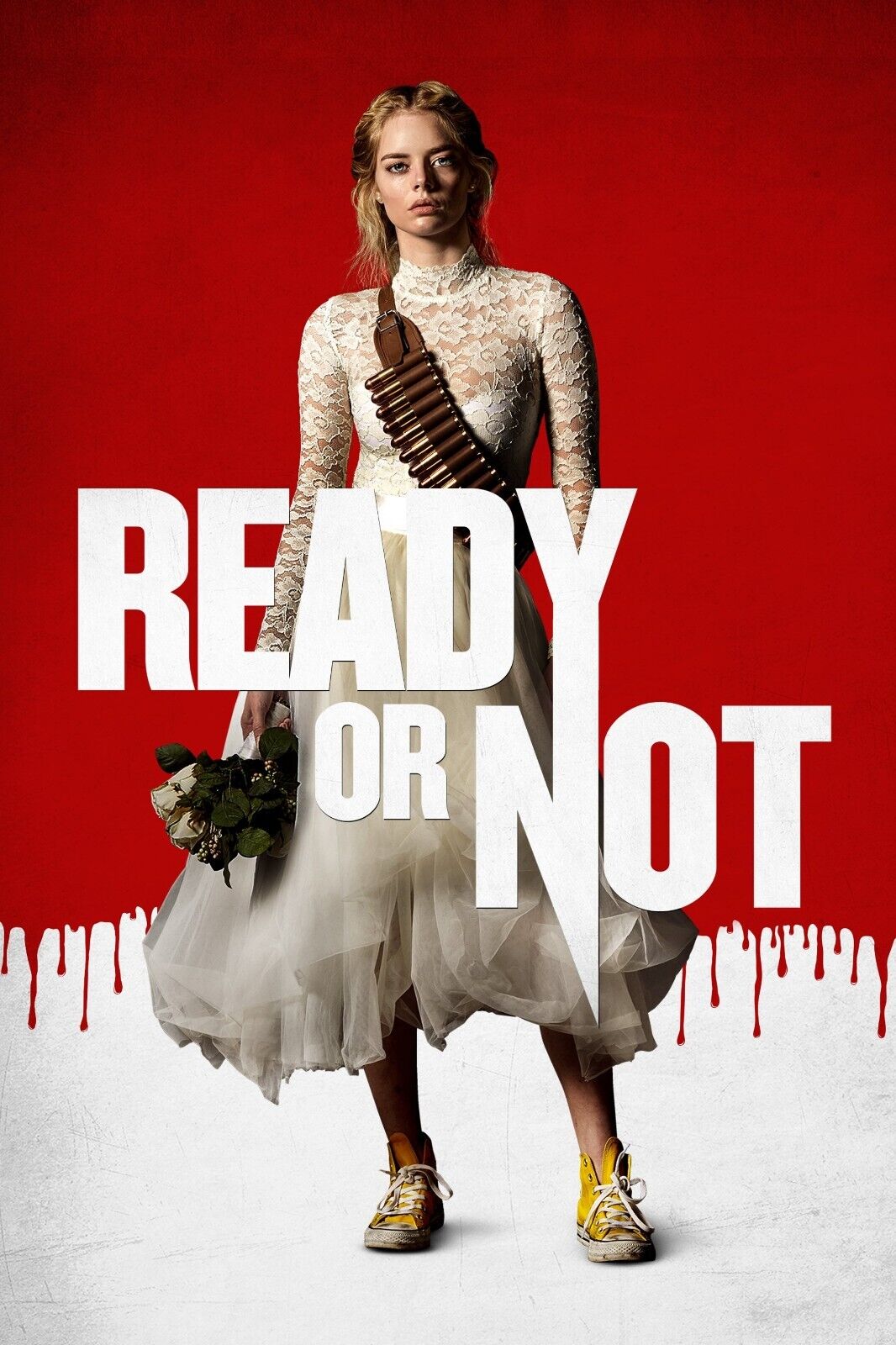
Companion movies: Pig (2021); Ready or Not (2019); Saltburn (2023); Triangle of Sadness (2022)

The Ministry of Ungentlemanly Warfare (2024) starring Henry Cavill and Alan Ritchson
Large British men do man things in the service of His Royal Majesty during WWII. Although there were several Large Men featured throughout, I found the movie to be inexplicably boring despite looking slick as heck. What a waste of Large Men and their various abilities. I would watch Alan Ritchson grout tile tho, to be fair. Stick to Ritchie’s early work like Snatch (2000) and Lock Stock and Two Smoking Barrels (1998).

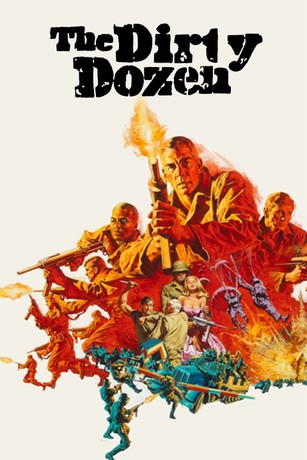
Companion movies: The Dirty Dozen (1967); The Great Escape (1963); Inglorious Basterds (2009); Kingsman: The Secret Service (2015)

All of the movies listed above are available in the Monarch catalog on DVD, BluRay, and/or streaming formats. Don’t forget to check Kanopy and Hoopla when looking for something to watch. Are none of the titles I listed appealing? Consider using Mead’s Your Next Five Movies film-recommendation tool. Take a look HERE. We also offer a book recommendation tool Your Next Five Books if movies are not appealing at the moment.   

Posted in Adult, Fantasy, History, Horror, Music, Mystery, Staff Picks, Teen & Young Adult, Thrillers, Uncategorized

Abbie’s Recent Reads for July

Dear readers, welcome back and thank you for letting me share with you the books that I have been enjoying. As usual, I delight in a diverse range of genres. This month’s reads come from the genres of non fiction, fantasy, and horror. I greatly enjoyed reading these titles and I hope one of these catches your eye!

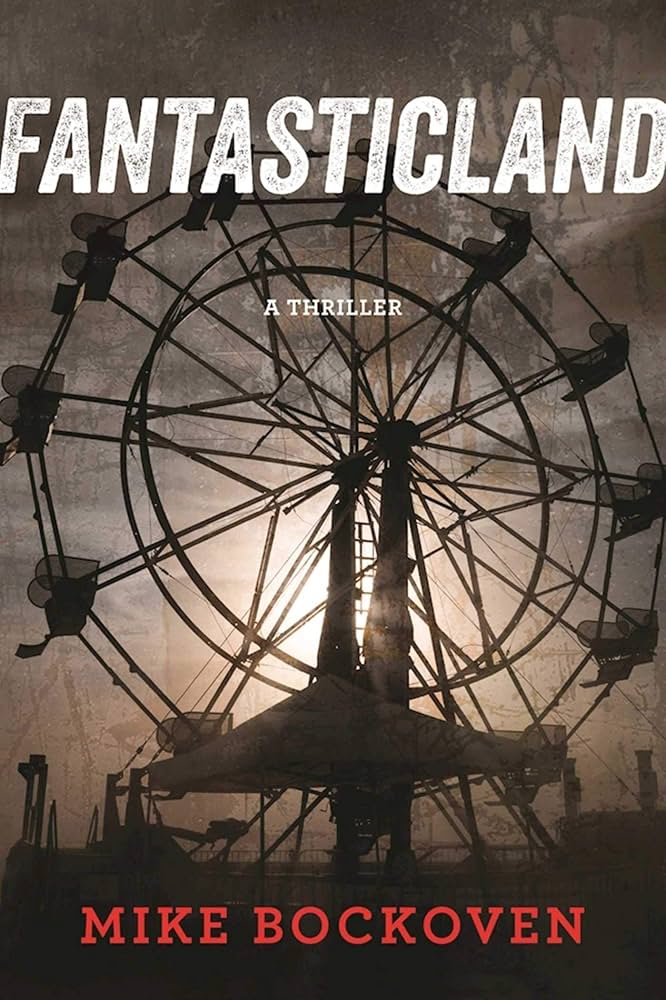
FantasticLand by Mike Bockoven

A shout out to my fellow librarian, Aubrey, for recommending this title is in order. Thank you Aubrey! If you are looking for a book that stays with you long after the closing page, this one is it! It has been a week or so since I finished this book, but I still find myself thinking about it. Dear reader, this book is a work of fiction, but it could very easily be set in the real world present day. FantasticLand is a theme park in Florida built by an eccentric billionaire. What sets FantasticLand apart is that it is designed to be many mini theme parks in one. There are different sections of the park. All are designed to be their own unique world. There are places like The Pirate Cove, The Fairy Prairie, and so on. Everything is great until a super hurricane hits. In theory, the staff that stay behind to care for the park should be fine. There is enough food and water for everyone. Dear reader, if that were the case we would not have a story. What results is something that resembles a slasher movie as the young people trapped in the park turn on each other. Each faction fights for dominance as supplies dwindle. The sordid tale is told from the point of view of interviews with those who made it out alive. Only the survivors can tell the tale of what REALLY happened inside FantasticLand. What keeps me thinking about this book is that this is no ordinary slasher. It poses psychological questions about the effects of phone addiction on our young population. Yes, it is a fiction, but it makes one wonder.

Click HERE to request FantasticLand!

Continue reading “Abbie’s Recent Reads for July”
Posted in Uncategorized

This restaurant has a cat, and other fantastic things.

Dear reader, I did a revolutionary act these past weeks. You want to know what it is? Hold onto your seats! Wait for it! I…read a book on my own bookshelf! I simply selected one and started reading it. I know, I know, I can’t believe it either. So many library books sitting at home, and yet I go and do something like that. Unbelievable!

However, it was for a good cause, so I could have something to write about for my blog post. The first book I’ll be talking about I just finished last night. Evening shifts at work are good for something after all, who knew? This first book wasn’t exactly a light read, despite what the cover may portray, but it was still highly satisfying. What I love about reading books by foreign authors is the glimpse into the everyday lives of people that at once seem familiar, but in other ways teach you something new and surprising. As a person who has never travelled outside of the United States, I approach these books as my “travel guides”, so to speak.

The Second Chance Convenience Store by Kim Ho-Yeon

Dok-go lives in Seoul Station. He can’t remember his past, and the only thing he knows for certain is that he could really use a drink. When he finds a lost wallet filled with documents, his life is drastically changed.

Mrs. Yeom, a retired history teacher and current owner of her neighborhood’s corner store, is distraught over the loss of her purse, until she receives a mysterious call from the person who found it. To thank this down-on-his-luck stranger, she offers him a free meal from the convenience store. Seeing the joy the food brings him, Mrs. Yeom impulsively invites him to stop by for lunch every day.
In a twist of fate, Dok-go saves the store from a robber—a brave act that propels Mrs. Yeom to offers the bear-like man a job working the night shift, despite the objections of her wary employees. The store’s new employee quickly wins over the quirky denizens of the neighborhood, becoming a welcoming ear and source of advice for his coworkers and neighbors’ problems, and helping his new boss save the store from financial ruin. But just when things are looking up for Dok-go, Mrs. Yeom’s good-for-nothing son, eager to sell the store, hires a detective to dig into the mysterious man’s past and what he seems to be trying so hard to forget.

The Second Chance Convenience Store is a moving and joyful story of a woman fighting for her community and a man who has lost everything except the will to try again.

If you’ve read my other my other blogs highlighting various novels by foreign authors you will recognize what is coming next, that many of them have the characters drawn to or interacting with the same thing, person, experience, etc., and then showing how each character is changed because of that interaction. This may seem repetitive to some, and even boring, but believe me when I say it is anything but! I never tire of reading about each character’s transformation.

In the case of The Second Chance Convenience Store, all the characters interact with – you guessed it! – the convenience store, but more importantly, it’s recent nightshift hire, Dok-go. Mrs. Yeom doesn’t need the convenience store from a fiscal point of view, but she keeps it running to provide jobs for those who do. When Dok-go returns Mrs. Yeom’s wallet to her and she – out of gratitude – gives him a job, this creates a butterfly effect for several other characters Dok-go comes in contact with. These are all characters who in some form or another have hit rock bottom and feel they have nowhere to go. Through food, kindness, his halting speech, and corn silk tea, Dok-go gives them hope and a new perspective.

These characters have dark, depressive thoughts. They contemplate suicide, – as does Dok-go himself – they’ve been alienated from their families, from society, from themselves. The book goes into how each character got caught up in the rat race, sacrificing everything to make it big in life, to prove that they’re not a failure to their parents, spouses, or families, but in the end this didn’t satisfy them, they were lost. The glimpse into how Dok-go slowly lost his humanity as a homeless individual living at Seoul Station was eye-opening as well. There is one line in the book where, when Dok-go finds Mrs. Yeom’s wallet and sees the note that, if found, please call this number, he says that please is what made him feel human. Even after he gets the job at the convenience store, Dok-go continues to visit the homeless community at Seoul Station and show them kindness, offering corn silk tea in place of alcohol, and conversation in place of silence.

One thing I found lacking with this book was the lack of closure with Mrs. Yeom’s son. I won’t give it away, but basically he is spiraling ever downward from one money-sucking scam to another, and while the book mentions in the end what became of his latest scam, unlike other children who were reconciled to their parents and turn their lives around, we are left hanging as far as Mrs. Yeom’s son is concerned. Again, it’s highly possible I missed something! I’m not the most attentive reader, after all.

Continue reading “This restaurant has a cat, and other fantastic things.”