
Each decade of the 20th century can be identified by various trends at the cinema. The 1920s could be defined by the transition from silent to talking pictures. The 1930s might be all about the first use of the three-strip Technicolor process. The 1940s were impacted by World War II and paved the way into Hollywood’s Golden Age.
Below, I listed 20th century film trends by decade, and a few examples of these trends.
All of the films I list are available in the Monarch catalog, often in a variety of formats.
1950s: Atomic scare movies
This was the decade that transmuted cold war paranoia and fear of nuclear catastrophe into some of the coolest monster movies EVER. Have you heard of or watched any of the following?
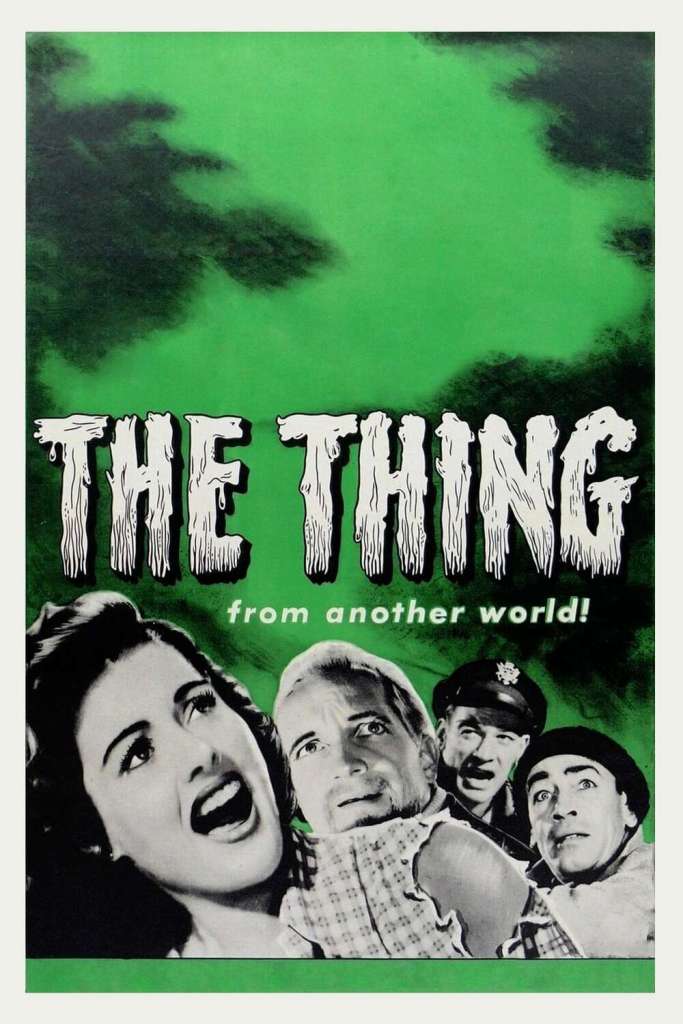
The Thing From Another World (1951) dir. Howard Hawks
This won’t be the first nor the last time I write about this film. Howard Hawks walked so John Carpenter could run with his excellent 1982 remake, The Thing, which I will maintain is one of the finest films ever produced.
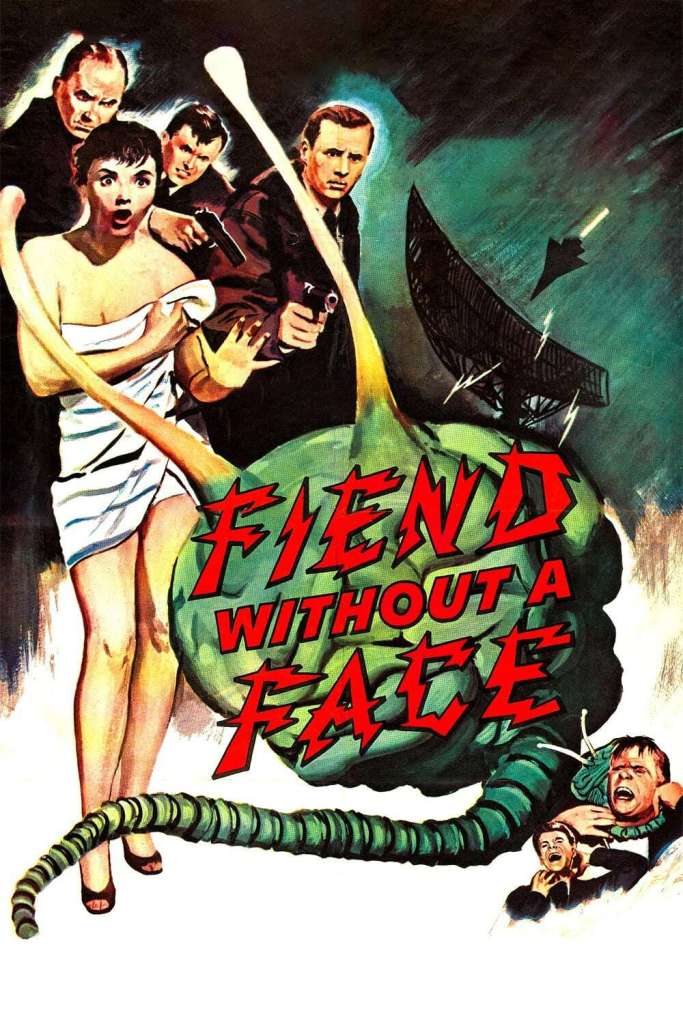
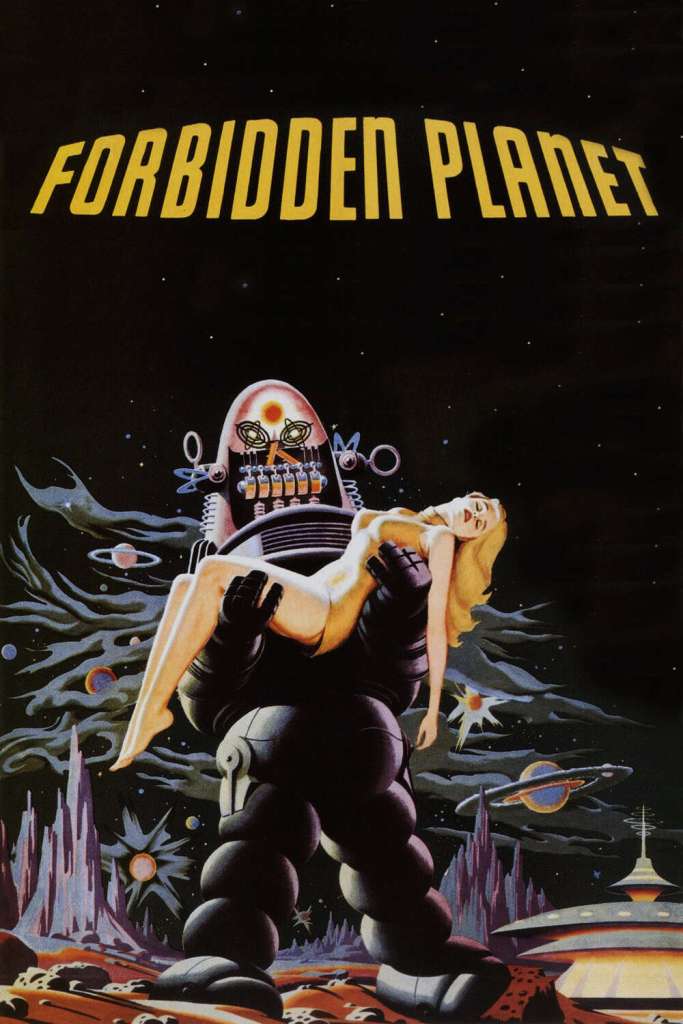
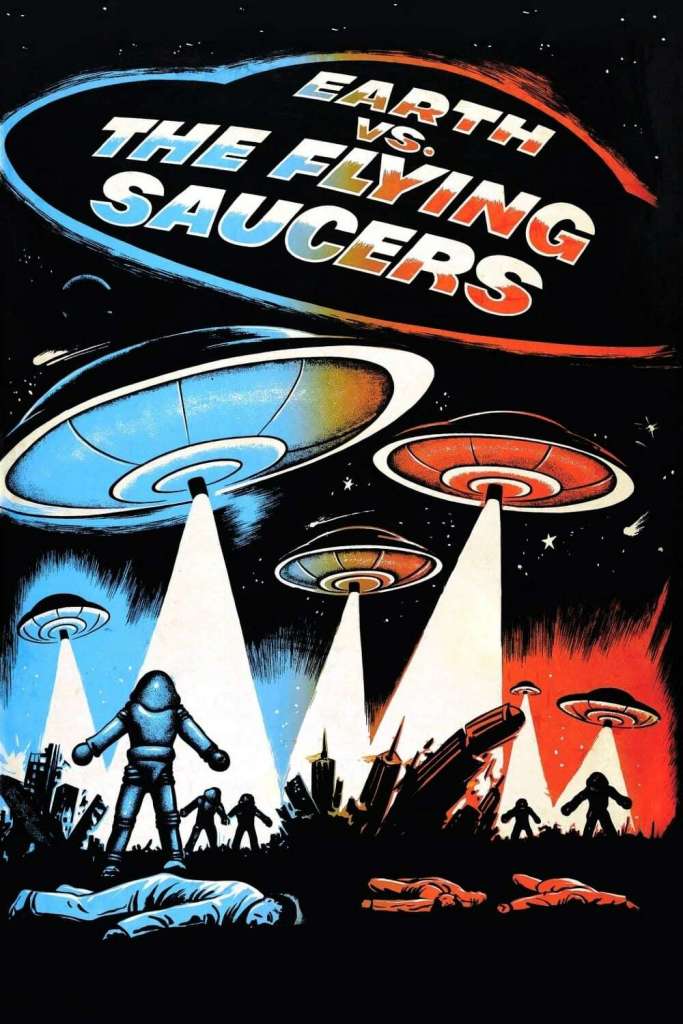
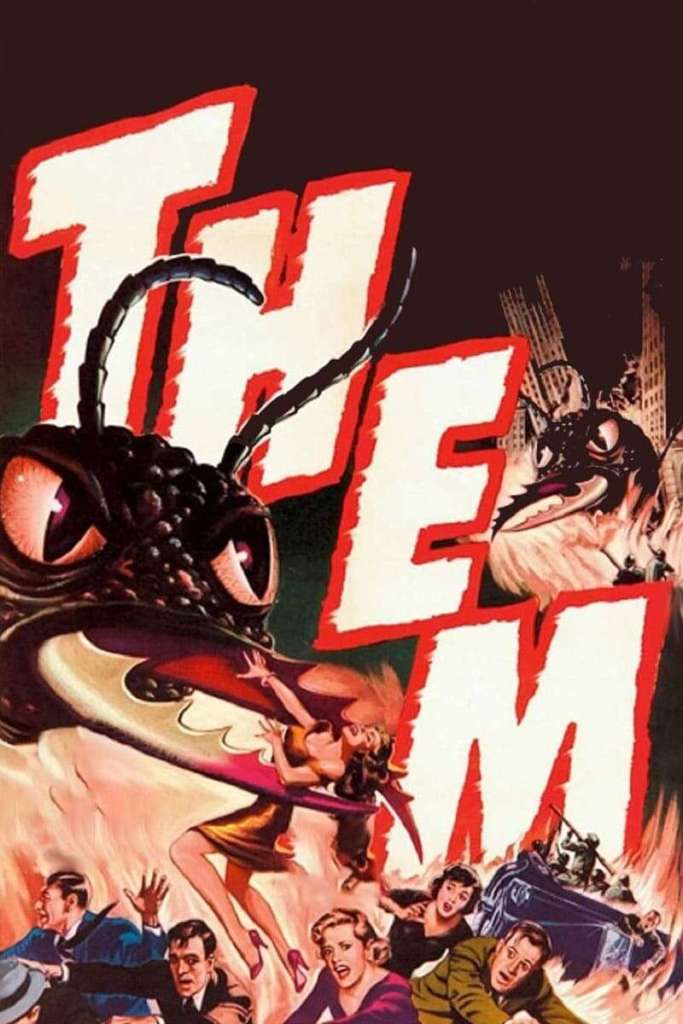
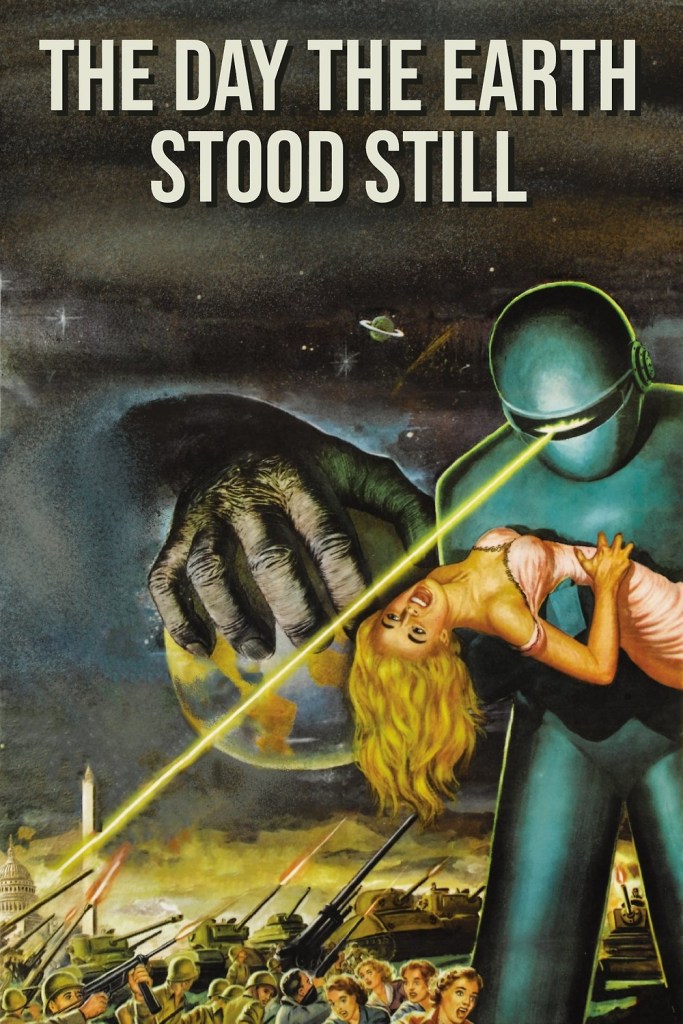
Other atomic scare movies worth the time:
- The Day the Earth Stood Still (1941)
- THEM! (1954)
- Earth vs. the Flying Saucers (1956)
- Forbidden Planet (1956)
- Fiend Without a Face (1958)
1960s: The French New Wave
The French auteurs were producing films far cooler than anything happening in Hollywood in the late 1950s and through the 1960s. François Truffaut, Jean Luc Goddard, and Agnes Varda amongst others, helped usher in a more personal, stylish school of thought when applied to filmmaking.
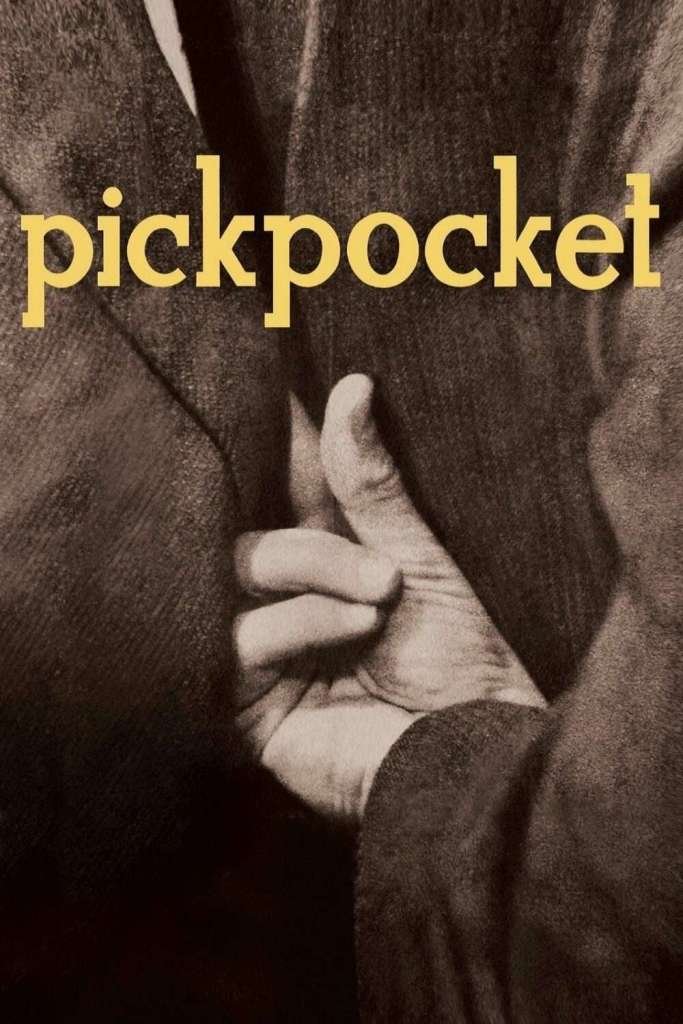
Pickpocket (1959) dir. Robert Bresson
Most people interested in French New Wave have already seen The 400 Blows and Breathless. Personally, I am immediately out of my depth when scratching below that surface. Pickpocket is cold and stark, but I found it easy to access emotionally and narratively.
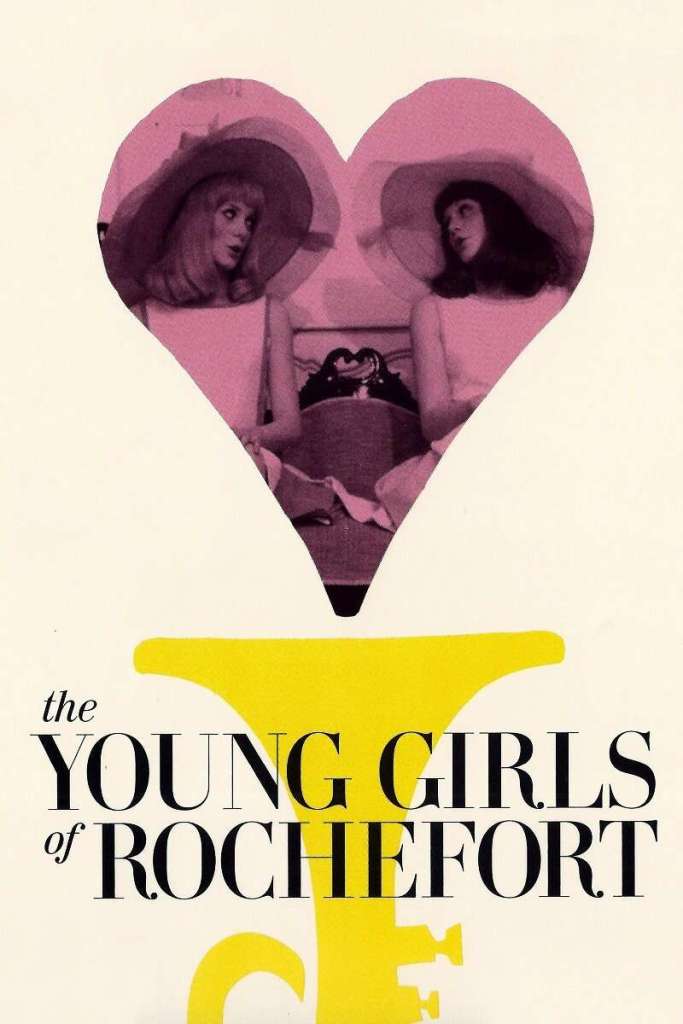
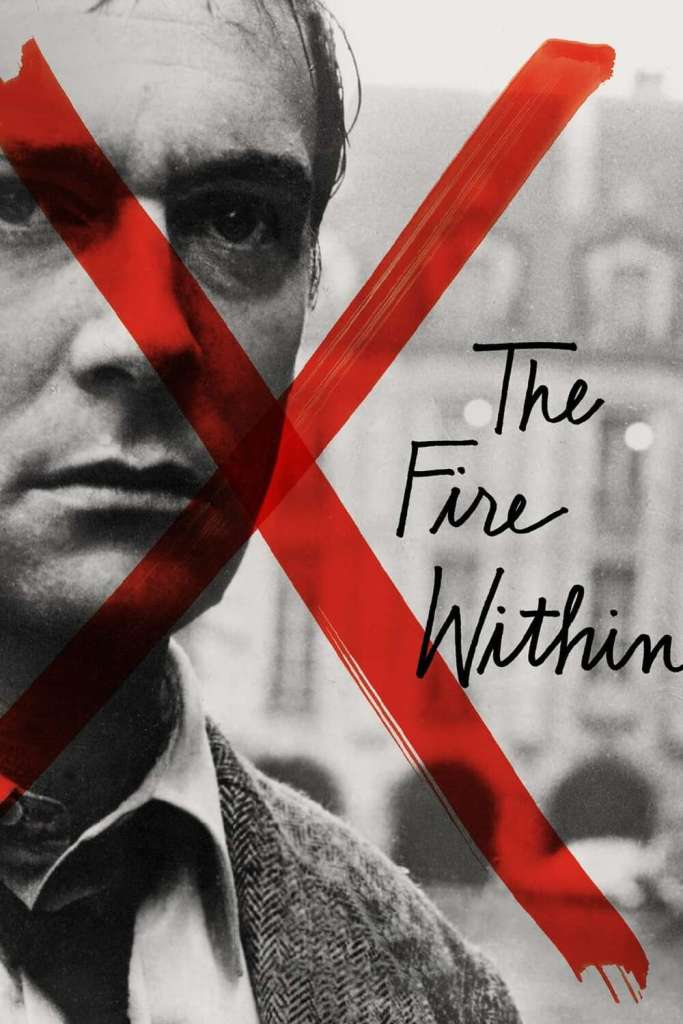
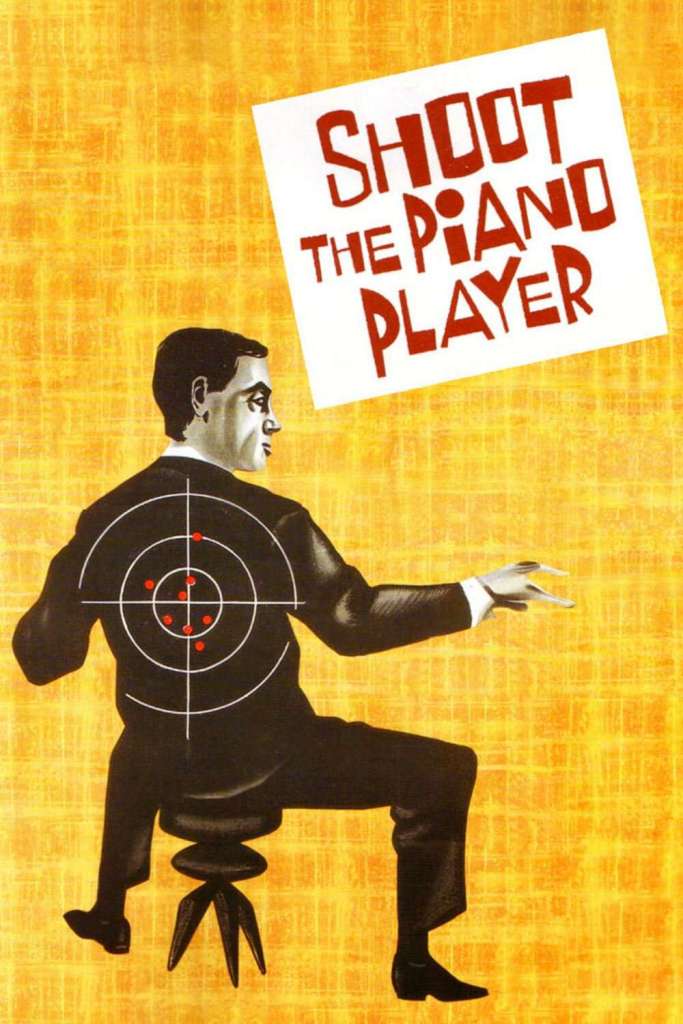
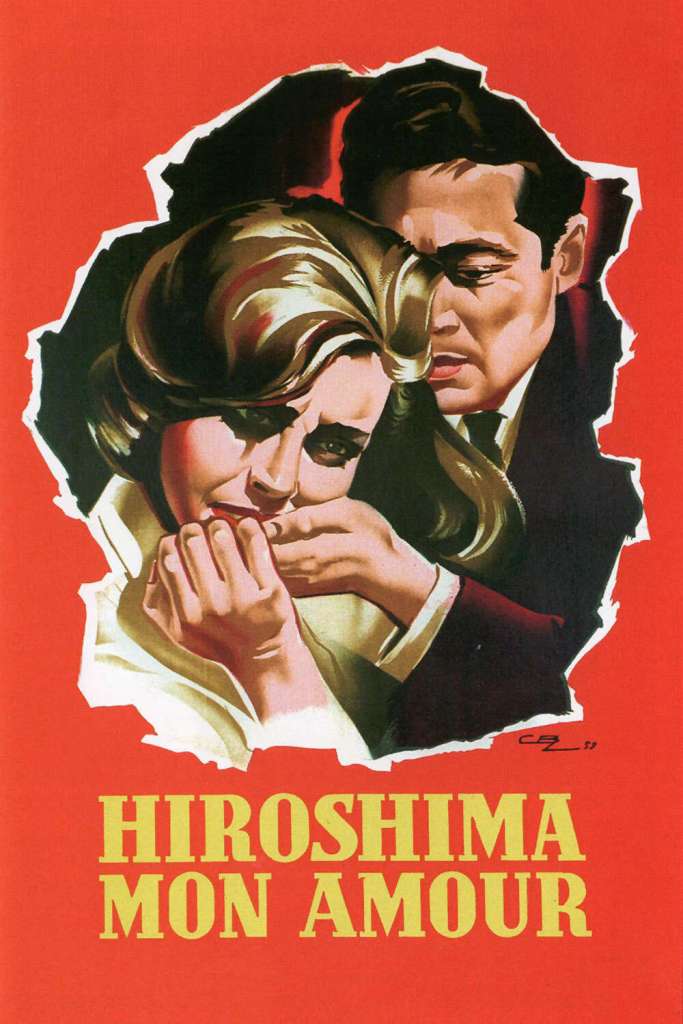
Other French New Wave films worth watch:
- Hiroshima, Mon Amour (1959)
- Shoot the Piano Player (1960)
- The Fire Within (1963)
- The Young Girls of Rochefort (1967)
Learn more about how the French New Wave collided with the Hollywood studio system by reading Mark Harris’ excellent 2008 book Pictures at a Revolution.
1970s: Hong Kong martial arts films and Chinese wuxia
Bruce Lee was dynamic enough to bring a whole new style of cinema to the attention of 1970s moviegoers and American filmmakers. Coupled with the rising popularity of exploitation films, late night grindhouse movie houses clambered to get Hong Kong action movies on the screen.
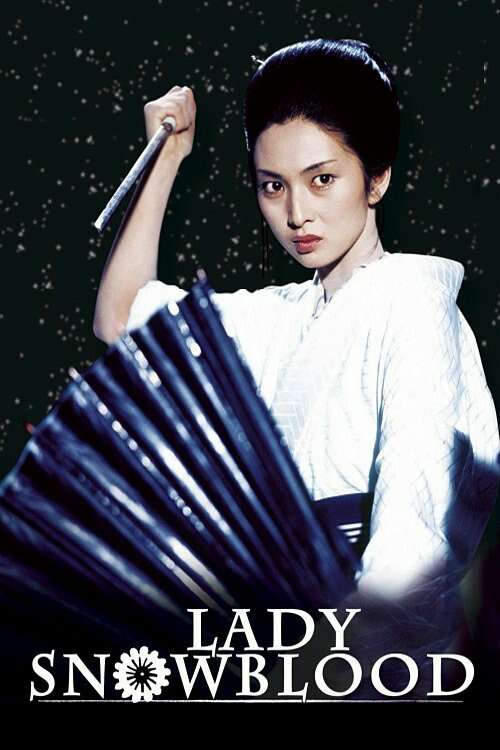
Lady Snowblood (1973) dir. Toshiya Fujita
Do you like the contrast of bright red blood on cold, unblemished snow? “Who doesn’t?” you might be thinking. I don’t know who, and we won’t spend time finding out. Take a look at Lady Snowblood and thank your lucky stars you were born in this tiny window that lets us exist at the same time as digital versatile discs. It really seems like a miracle to me sometimes.
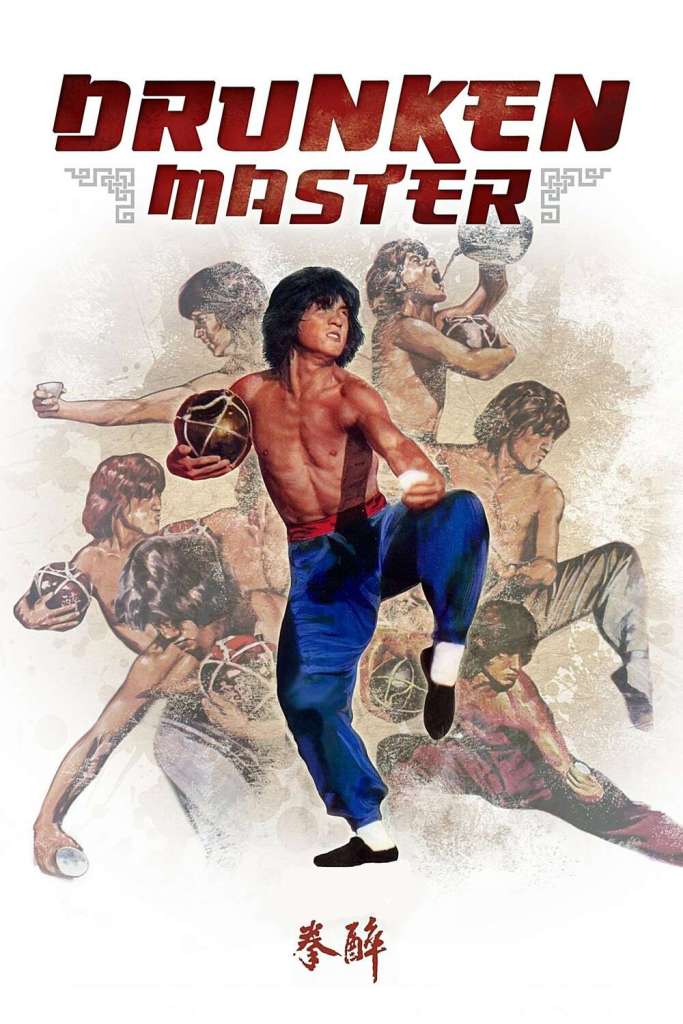
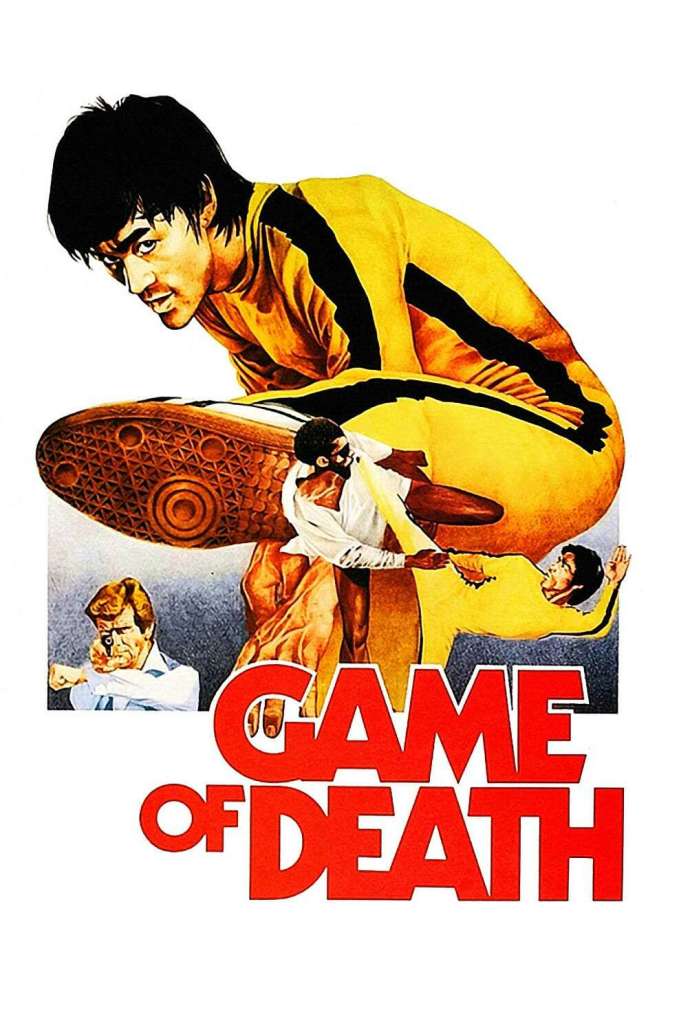
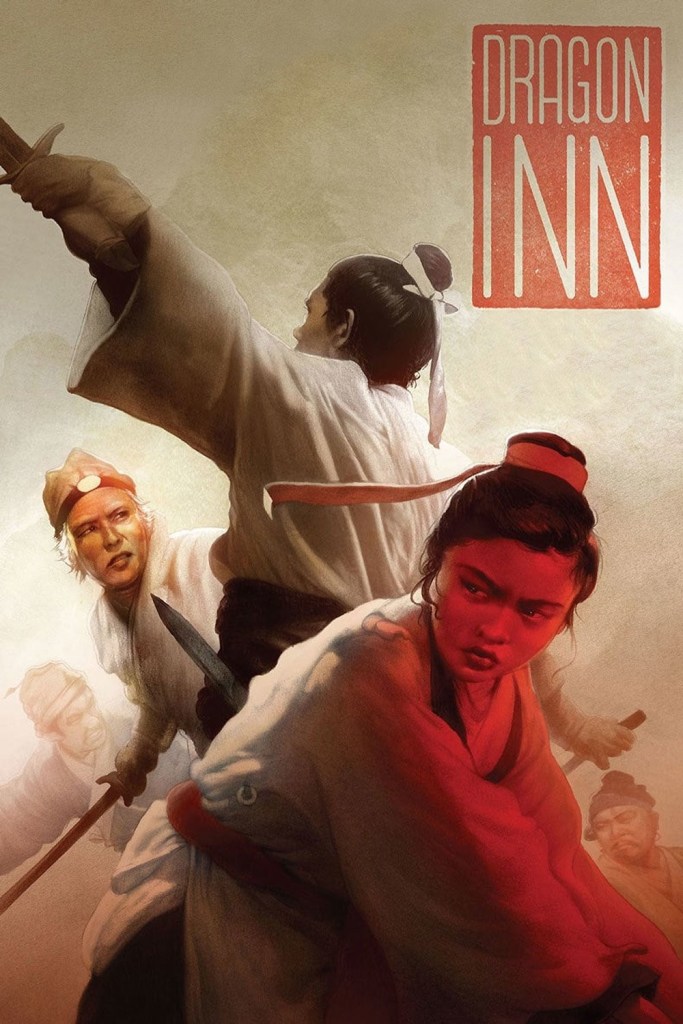
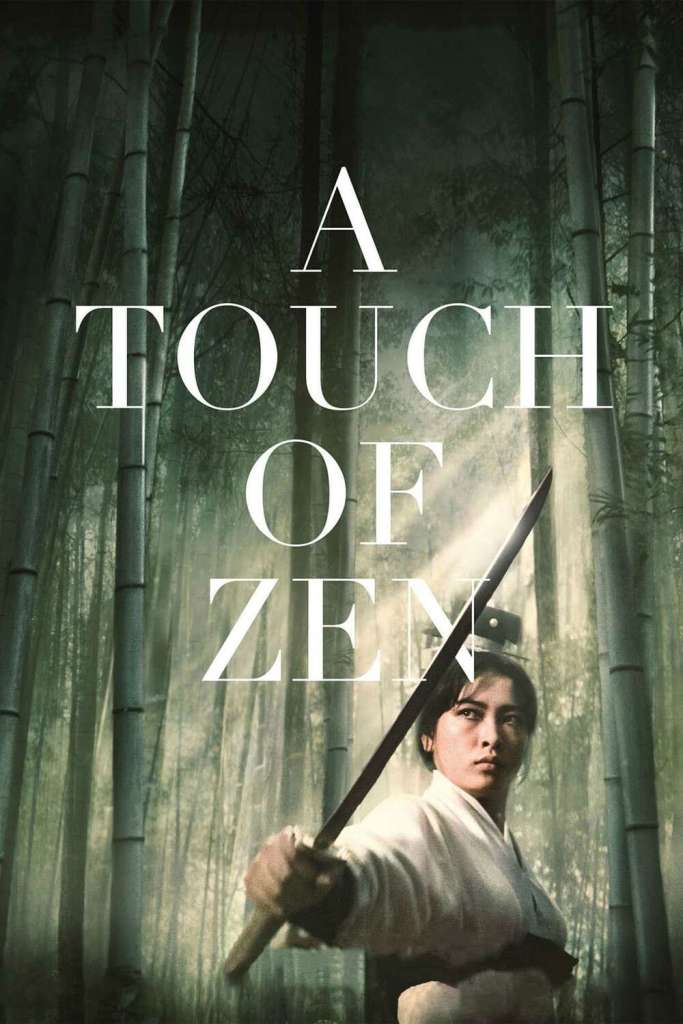
Here are some other Hong Kong martial arts and wuxia films from the 1970s that are worth a watch:
- Dragon Inn (1967)
- A Touch of Zen (1970)
- Game of Death (1978)
- Drunken Master (1978)
1980s: Subgenre and the megahit
Don Simpson and Jerry Bruckheimer demonstrated that high concept pictures like Flashdance (1983), Beverly Hills Cop (1984), and Top Gun (1986) that are easy to understand and market could make Hollywood buckets and buckets of money. Audiences flocked to the movies for these big budget spectacles, but they also showed up for comedies, cartoons, fantasy, horror, and any subgenre of film you can name.
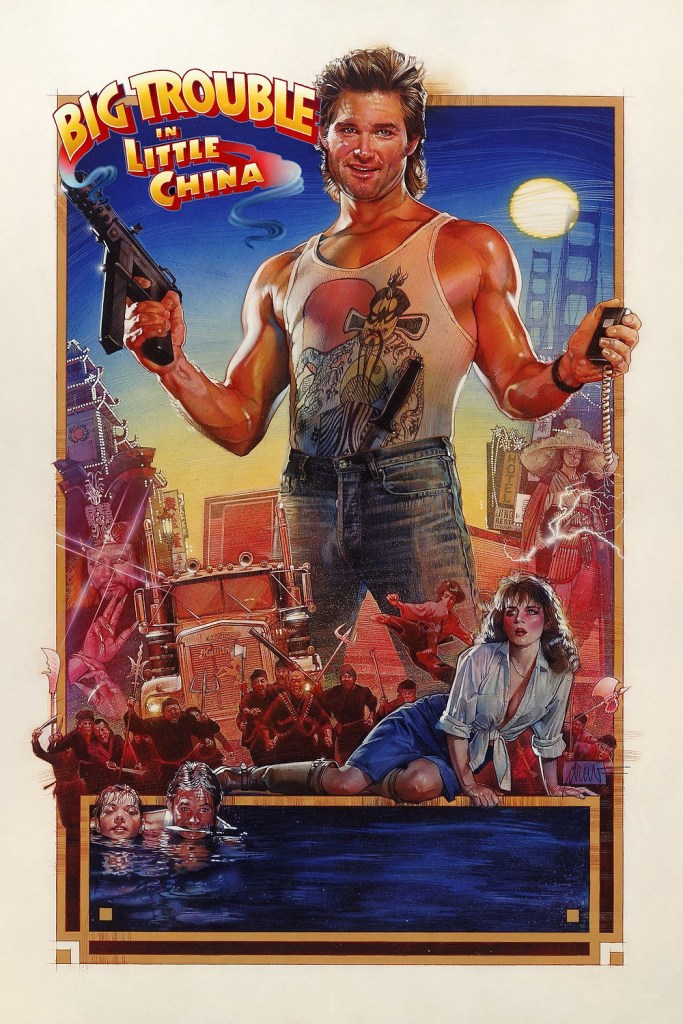
Big Trouble in Little China (1986) dir. John Carpenter
Did I already mention John Carpenter in this post? Yes. Will I mention him again? Likely. I chose this movie as emblematic of how bonkers and superb 1980s cinema could get. I can’t tell you the plot of this movie, but Kurt Russel is there with a Chinatown crime lord, a green-eyed woman, and sorcerer David Lo Pan. If you have any young nieces or nephews, score huge cool auntie points by letting them watch this without parental supervision. It’s what we would have done in 1986, you know.
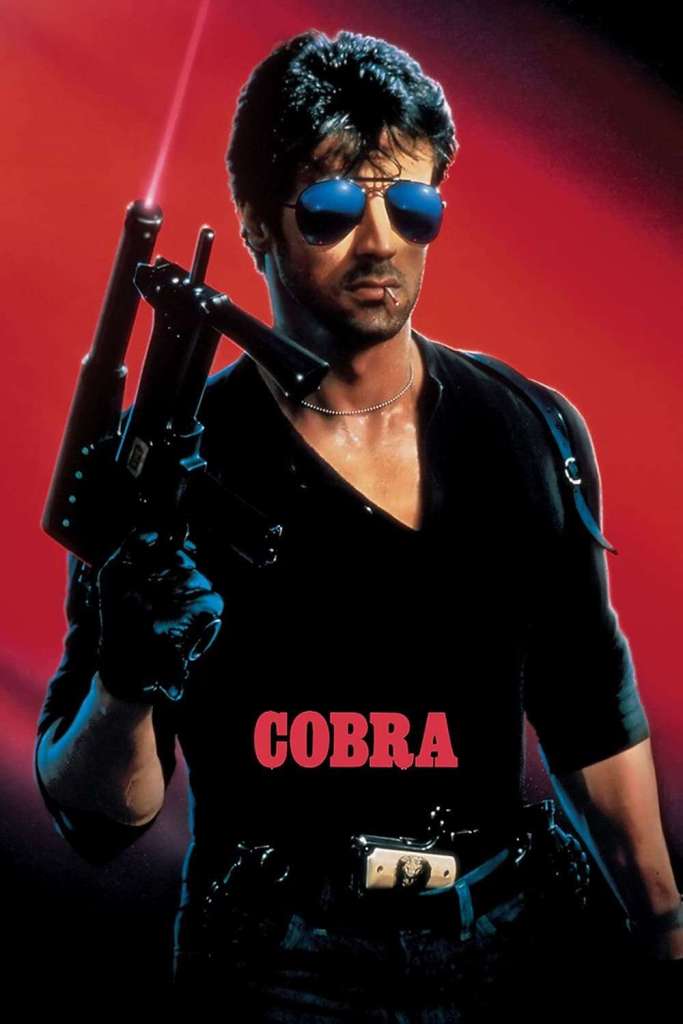
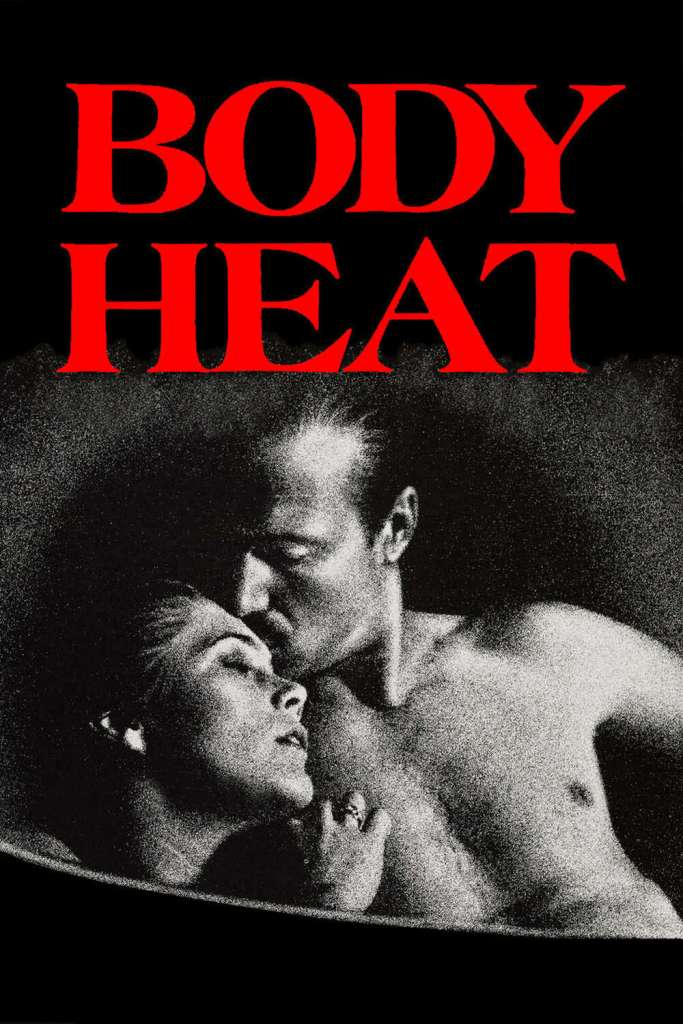
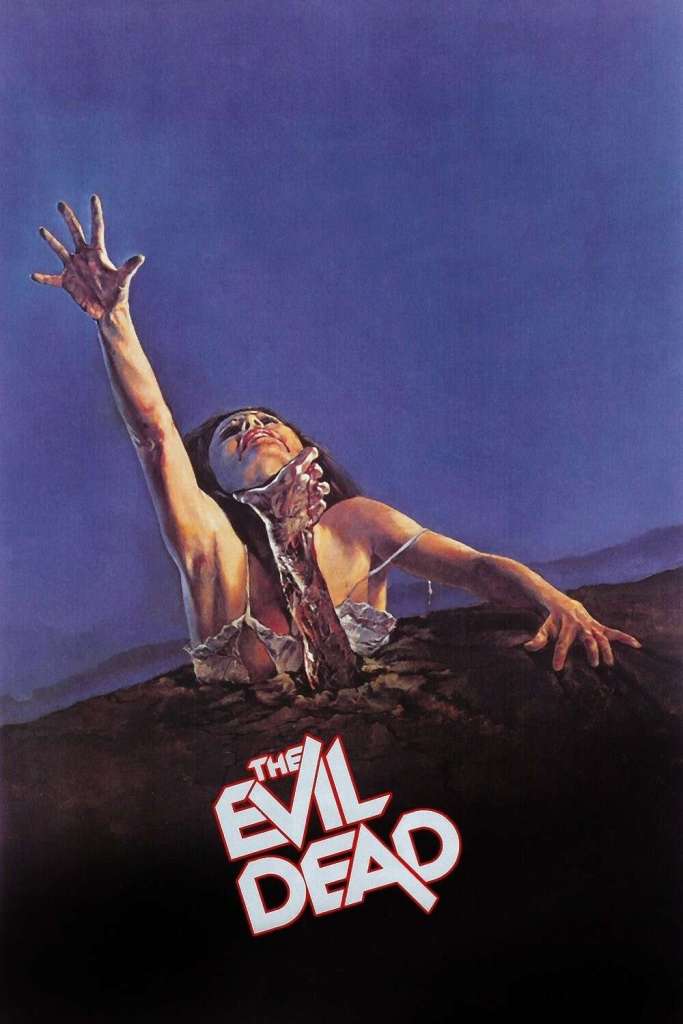
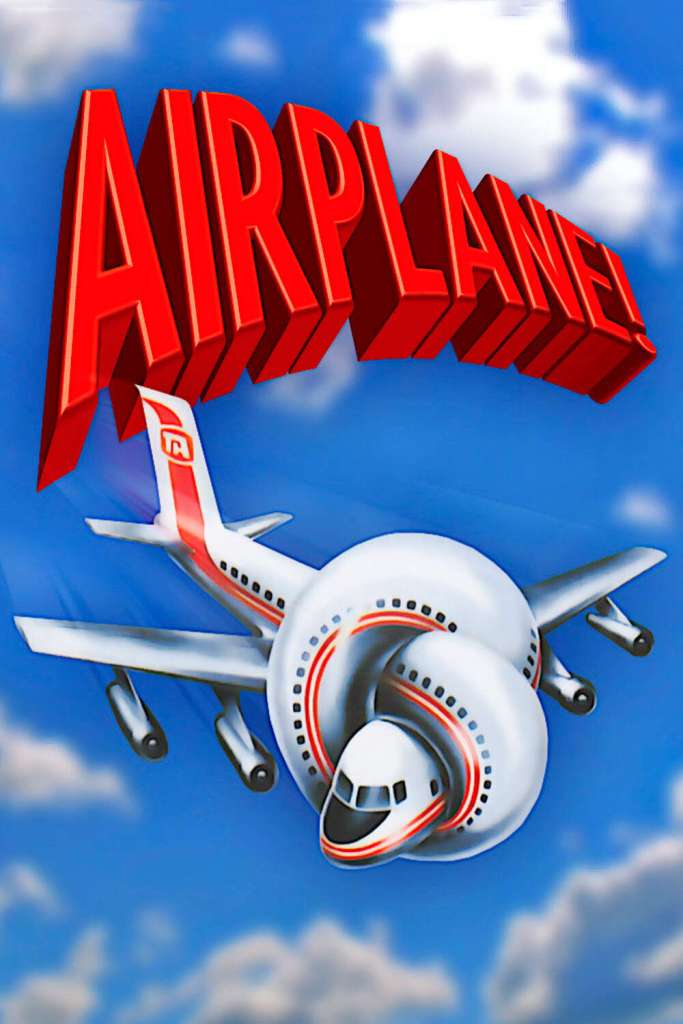
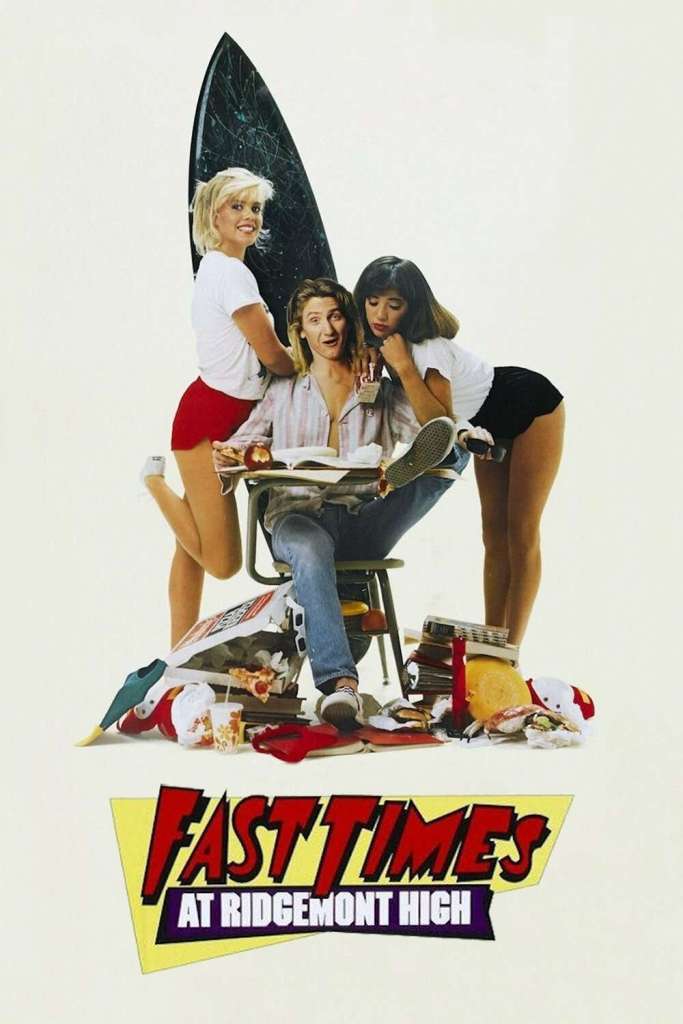
Other fascinating examples of 1980s subgenre absurdity and excellence:
- Airplane! (1980)
- Evil Dead (1981)
- Body Heat (1981)
- Fast Times at Ridgemont High (1982)
- Cobra (1986)
1990s: The advancement of CGI technology, and the rise of home video consumption
Films were now intentionally being written and filmed in anticipation of home viewing. Moviegoers were still leaving the house for a night out, but the direct-to-video market was steadily growing. The mainstream success of low-budget genre pictures of the 1980s made the indie directors of the 1990s highly sought-after.
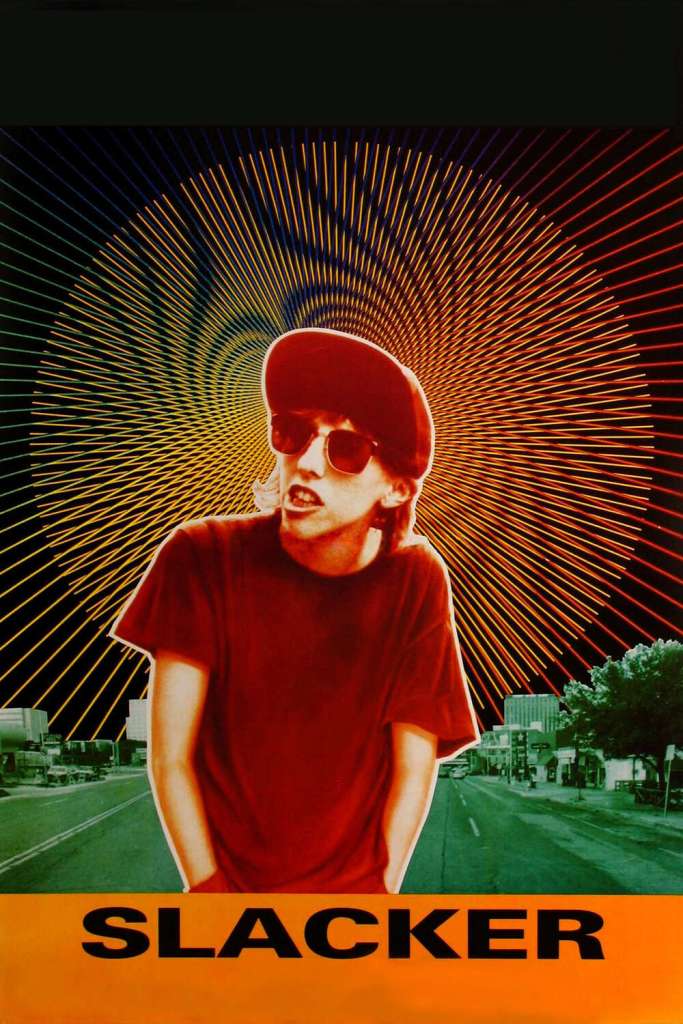
Slacker (1991) dir. Richard Linklater
This movie pissed me off so bad when I saw it. I must have been fifteen or sixteen and just cutting my teeth on the Coen Brothers and Gus Van Sant. I craved beauty and meaning, and Slacker didn’t seem to have either. I request that someone give it a watch and fill me in with their findings. Is this movie good? Or bad? Art is both, often at the same time.
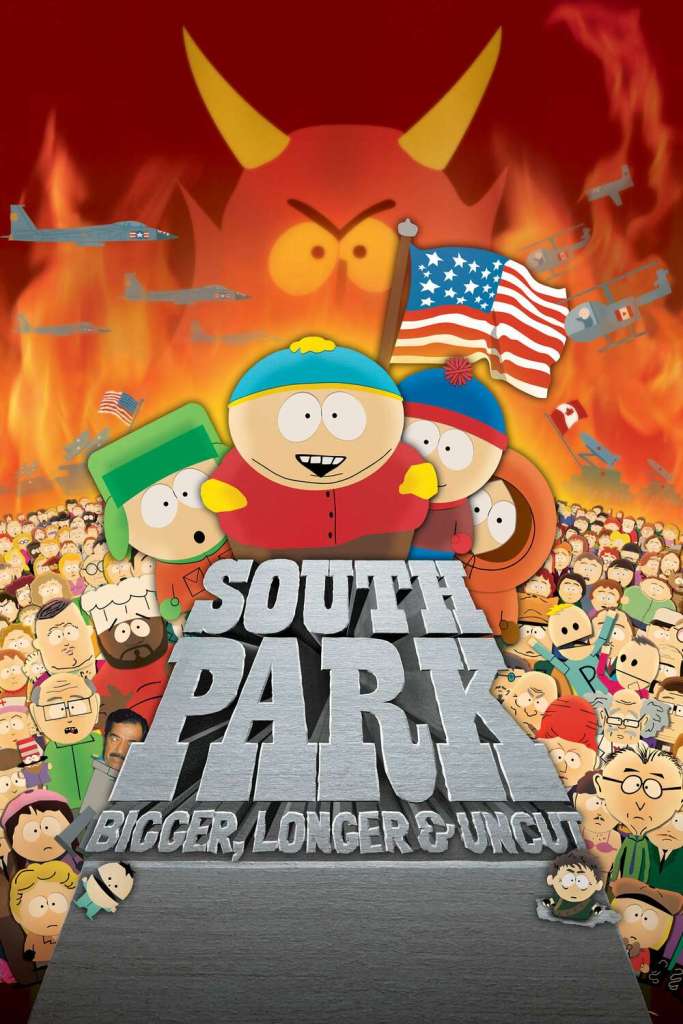
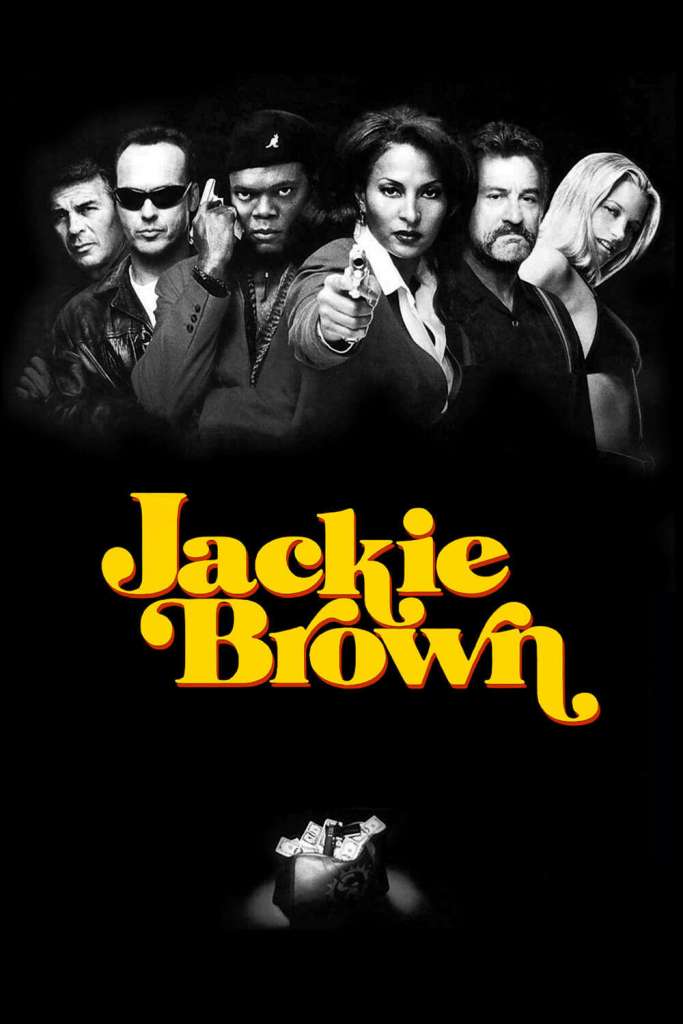
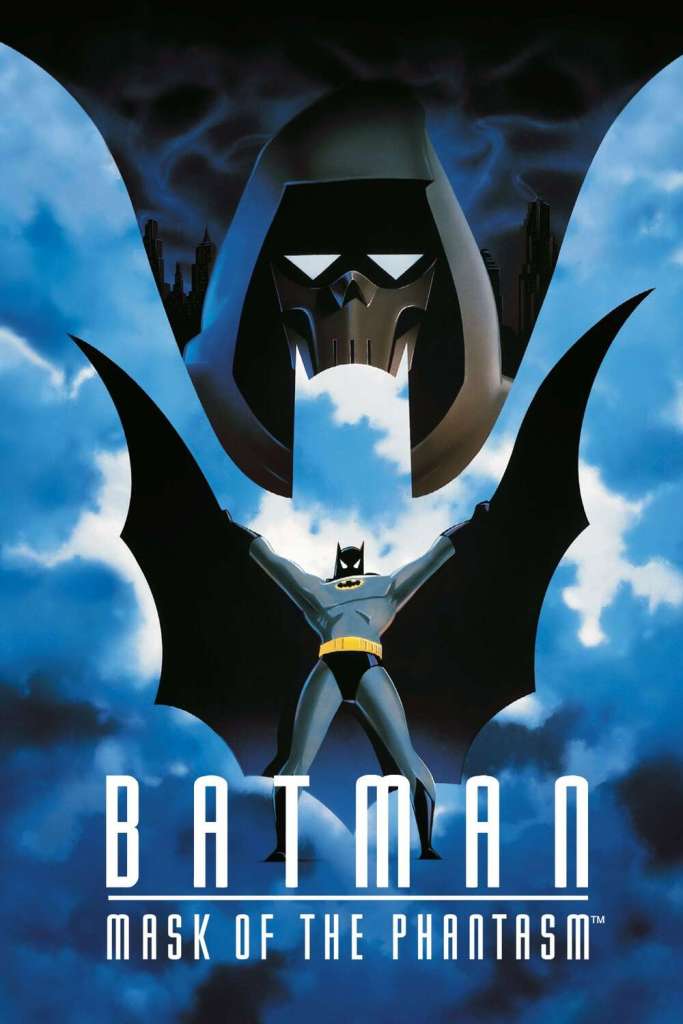
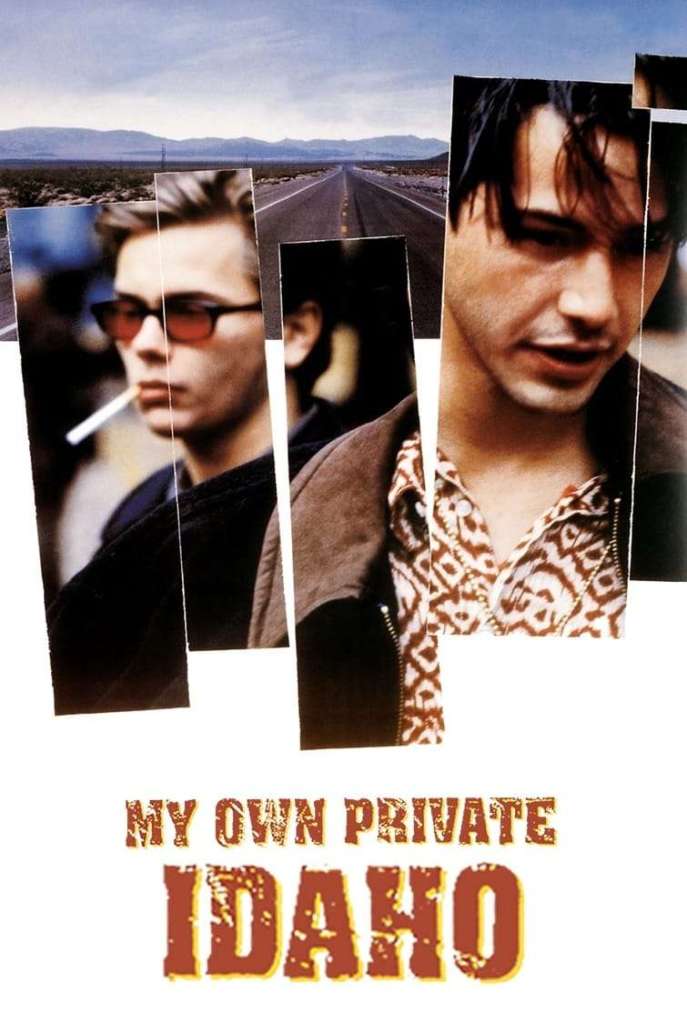
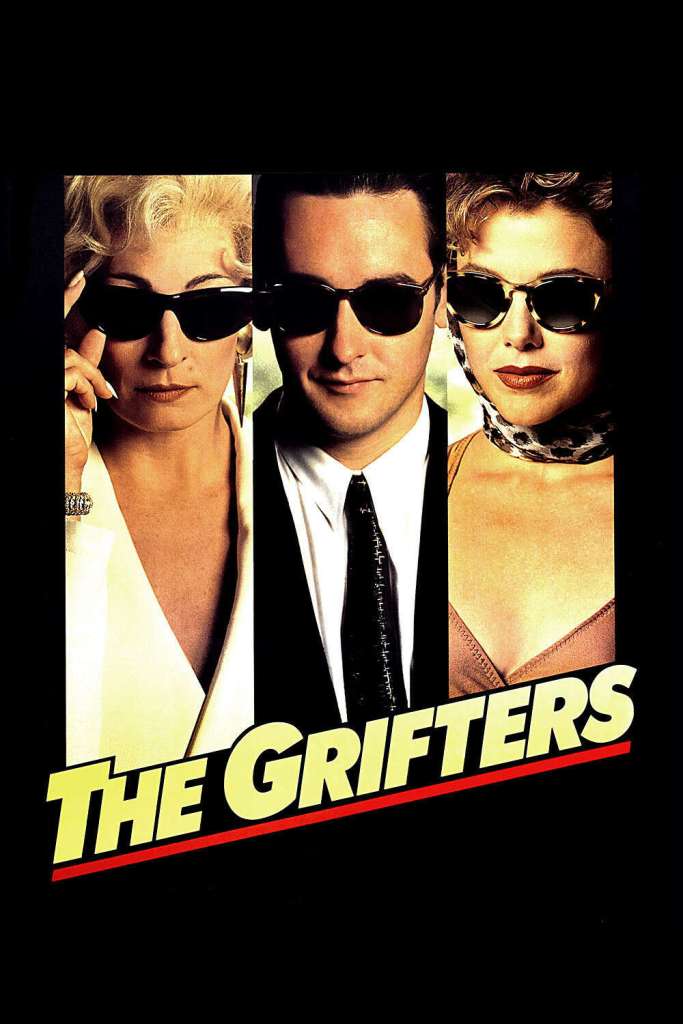
Other examples of the big and the small moments in 1990s cinema:
- The Grifters (1990)
- My Own Private Idaho (1991)
- Batman: Mask of the Phantasm (1993)
- Jackie Brown (1997)
- South Park: Bigger, Longer, and Uncut (1999)
While there are more ways to break down film history and identify trends, I find massive generalizations comforting and easy to digest. For more in-depth insights into film and film history, consider submitting a Your Next Five Books request and indicate your interest area. Use our Your Next Five Movies tool if you care not for books.















 Mead Public Library Blog