
Hillbilly Elegy is perched atop Mead Library’s holds list for nonfiction, following JD Vance’s nomination. The book tackles numerous themes: poverty and addiction, abusive childhoods, Appalachian culture, and politically ignored or disaffected Americans. If you’re looking for something to occupy you while you wait for a copy to come in, here are some other books that tackle similar issues, sorted by theme.

Books about Appalachia
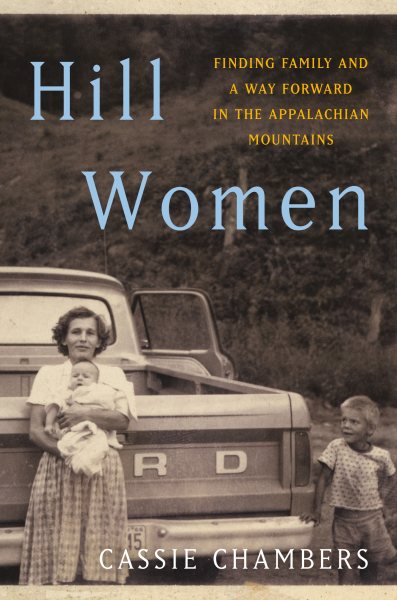

Hill Women: Finding Family and a Way Forward in the Appalachian Mountains by Cassie Chambers
Chambers’ story has many parallels to Hillbilly Elegy, including the trajectory of leaving home, heading to an elite college, and returning to the place she came from. Hailing from the second poorest county in the country, her story spans three generations, showing the remarkable grit and determination of these women in the face of overwhelming odds.
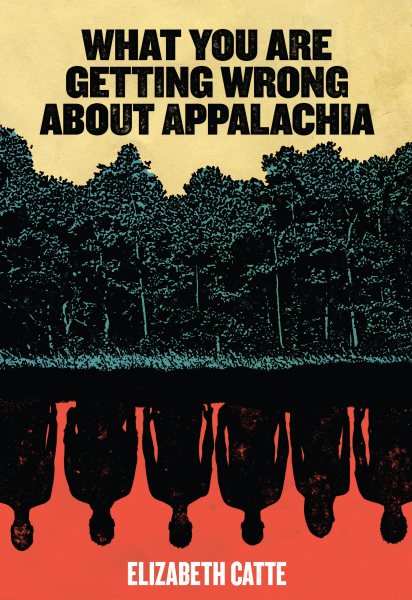
What You Are Getting Wrong about Appalachia by Elizabeth Catte
A “thoughtful insider’s perspective” and “a frank assessment of America’s recent fascination with the people and problems of the region,” Catte’s book shows the stereotypes and exploitation (from both the outside and within) that plague the region — but also the successes when the people of Appalachia are allowed to define what they want for themselves.
Death in Mud Lick: A Coal Country Fight against the Drug Companies that Delivered the Opioid Epidemic by Eric Eyre
In a pharmacy in Kermit, West Virginia, 12 million opioid pain pills were distributed in just three years to a town with a population of 382 people. One woman, after losing her brother to overdose, was desperate for justice. Debbie Preece’s fight for accountability for her brother’s death took her well beyond the Sav-Rite Pharmacy in coal country, ultimately leading to three of the biggest drug wholesalers in the country.
Death in Mud Lick details the clandestine meetings with whistleblowers; a court fight to unseal filings that the drug distributors tried to keep hidden, a push to secure the DEA pill-shipment data, and the fallout after the local paper broke the story.
Note: I would also being doing this list a disservice if I didn’t mention one of the most recommended titles that comes up alongside Hillbilly Elegy: edited by Anthony Harkins and Meredith McCarroll, Appalachian Reckoning contains multiple essays, photographs, and personal accounts of living, working, and struggling in Appalachia. The book offers “resilience, hope, and belonging,” showing a path forward in the face of the challenges the region faces. Currently this book is only available at other Wisconsin libraries and must be requested via Interlibrary Loan.
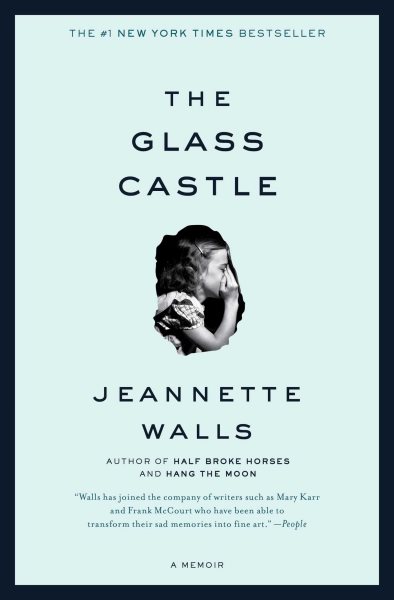
Books about Surviving a Hard Childhood


The Glass Castle by Jeannette Walls
When sober, Jeannette’s brilliant and charismatic father captured his children’s imagination, teaching them physics, geology, and how to embrace life fearlessly. But when he drank, he was dishonest and destructive. Her mother was a free spirit who abhorred the idea of domesticity and didn’t want the responsibility of raising a family.
The Walls children learned to take care of themselves. They fed, clothed, and protected one another, and eventually found their way to New York. Their parents followed them, choosing to be homeless even as their children prospered. The Glass Castle is a remarkable memoir of resilience and redemption, and a revelatory look into a family at once deeply dysfunctional and uniquely vibrant.
Educated by Tara Westover
Tara Westover was 17 the first time she set foot in a classroom. Born to survivalists in the mountains of Idaho, she prepared for the end of the world by stockpiling home-canned peaches and sleeping with her “head-for-the-hills bag”. In the summer she stewed herbs for her mother, a midwife and healer, and in the winter she salvaged in her father’s junkyard. Her father forbade hospitals, so Tara never saw a doctor or nurse. Gashes and concussions, even burns from explosions, were all treated at home with herbalism. The family was so isolated from mainstream society that there was no one to ensure the children received an education and no one to intervene when one of Tara’s older brothers became violent.
Then, lacking any formal education, Tara began to educate herself. Her quest for knowledge transformed her, taking her over oceans and across continents, to Harvard and to Cambridge. Only then would she wonder if she’d traveled too far, if there was still a way home.
All Over but the Shoutin’ by Rick Bragg
This haunting, harrowing, gloriously moving recollection of a life on the American margin is the story of Rick Bragg, who grew up dirt-poor in northeastern Alabama, seemingly destined for either the cotton mills or the penitentiary. It is the story of Bragg’s father, a hard-drinking man with a murderous temper and the habit of running out on the people who needed him most. But at the center of this soaring memoir is Bragg’s mother, who went eighteen years without a new dress so that her sons could have school clothes and picked other people’s cotton so that her children wouldn’t have to live on welfare alone. Evoking these lives–and the country that shaped and nourished them–with artistry, honesty, and compassion, Rick Bragg brings home the love and suffering that lie at the heart of every family.
America: The Disaffected, Disenfranchised, and Forgotten


Strangers in their Own Land by Arlie Russell Hochschild
Sociologist Hochschild embarks on a thought-provoking journey from her liberal hometown of Berkeley, California, deep into Louisiana bayou country–a stronghold of the conservative right. As she gets to know people who strongly oppose many of the ideas she famously champions, Hochschild nevertheless finds common ground and quickly warms to the people she meets—among them a Tea Party activist whose town has been swallowed by a sinkhole caused by a drilling accident—people whose concerns are actually ones that all Americans share: the desire for community, the embrace of family, and hopes for their children.
Dopesick: Dealers, Doctors, and the Drug Company that Addicted America by Beth Macy
Beth Macy takes us into the epicenter of America’s twenty-plus year struggle with opioid addiction. From distressed small communities in Central Appalachia to wealthy suburbs; from disparate cities to once-idyllic farm towns; it’s a heartbreaking trajectory that illustrates how this national crisis has persisted for so long and become so firmly entrenched.
Beginning with a single dealer who lands in a small Virginia town and sets about turning high school football stars into heroin overdose statistics, Macy endeavors to answer a grieving mother’s question – why her only son died – and comes away with a harrowing story of greed and need.
Evicted: Poverty and Profit in the American City by Matthew Desmond
Desmond takes us into the poorest neighborhoods of Milwaukee to tell the story of eight families on the edge. Arleen is a single mother trying to raise her two sons on the 20 dollars a month she has left after paying for their rundown apartment. Scott is a gentle nurse consumed by a heroin addiction. Lamar, a man with no legs and a neighborhood full of boys to look after, tries to work his way out of debt. The fates of these families are in the hands of two landlords: Sherrena Tarver, a former schoolteacher turned inner-city entrepreneur, and Tobin Charney, who runs one of the worst trailer parks in Milwaukee.
In vivid, intimate prose, Desmond provides a ground-level view of one of the most urgent issues facing America today. As we see families forced into shelters, squalid apartments, or more dangerous neighborhoods, we bear witness to the human cost of America’s vast inequality– and to people’s determination and intelligence in the face of hardship.
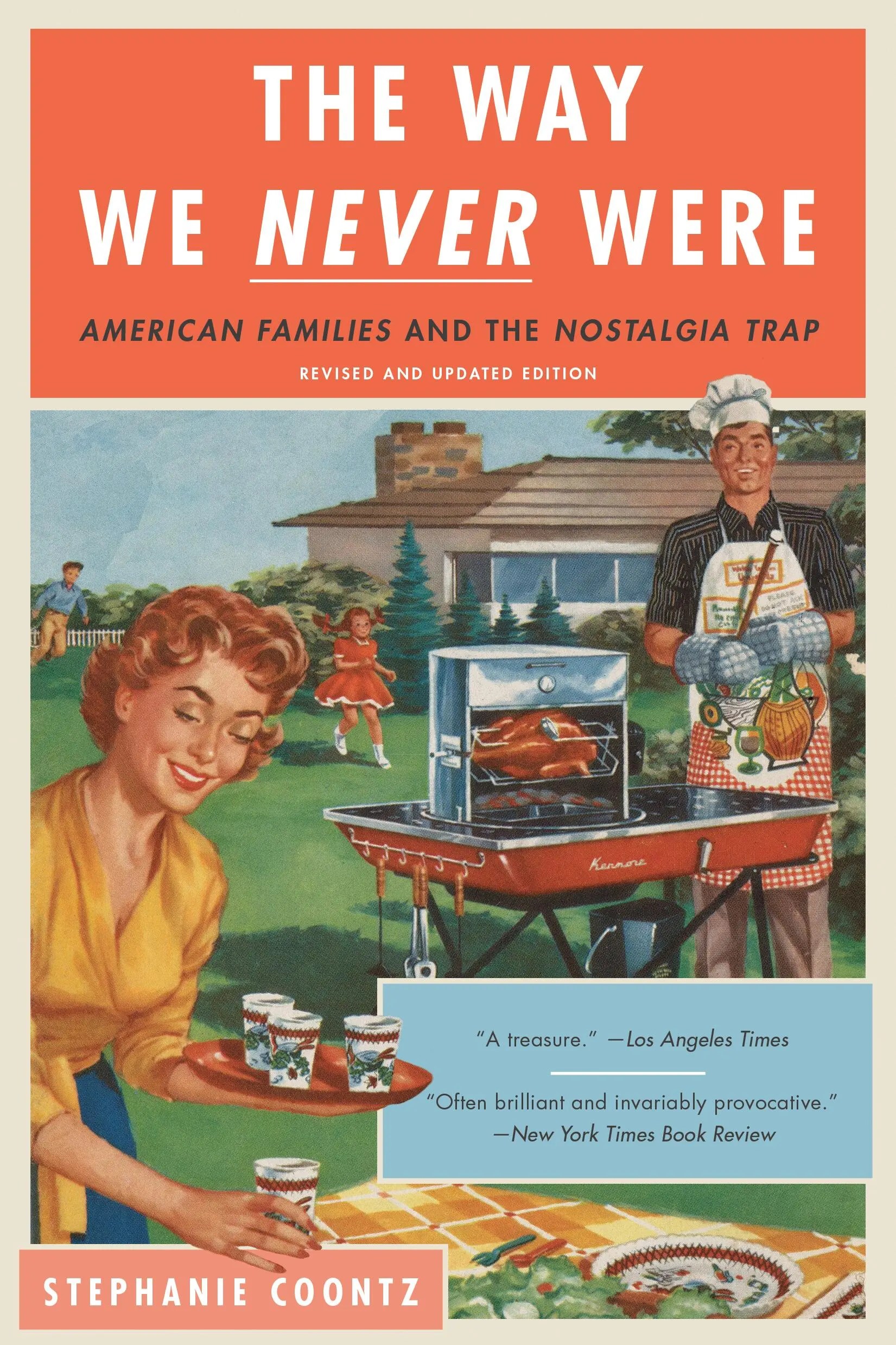
The Way We Never Were: American Families and the Nostalgia Trap by Stephanie Coontz
This myth-shattering examination of two centuries of American family life banishes the misconceptions about the past that cloud current debate about “family values”. “Leave It to Beaver” was not a documentary, Stephanie Coontz points out; neither the 1950s nor any other moment from our past presents workable models of how to conduct our personal lives today. Without minimizing the serious new problems in American families, Coontz warns that a consoling nostalgia for a largely mythical past of “traditional values” is a trap that can only cripple our capacity to solve today’s problems.
Organized around a series of myths and half-truths that burden modern families, the book sheds new light on such contemporary concerns as parenting, privacy, love, and more. The Way We Never Were shows that people have not suddenly and inexplicably “gone bad” and points to ways that we can help families do better — looking beyond the immediate family to people’s community ties and sense of civic obligation.
Looking for more? A link to widely recommended titles, pulled from multiple sources, is available through the Monarch Catalog here.
 Mead Public Library Blog