
We’ve got some heavy hitters in the popular books this month. First up is the winner of the National Book Award, James McBride’s new novel The Heaven & Earth Grocery Store. In non-fiction, we have a much older book – it’s rare to see a book from 2006 with so many requests! But when you look at the book, it’s very clear why; American Prometheus was Christopher Nolan’s inspiration for the new movie Oppenheimer.
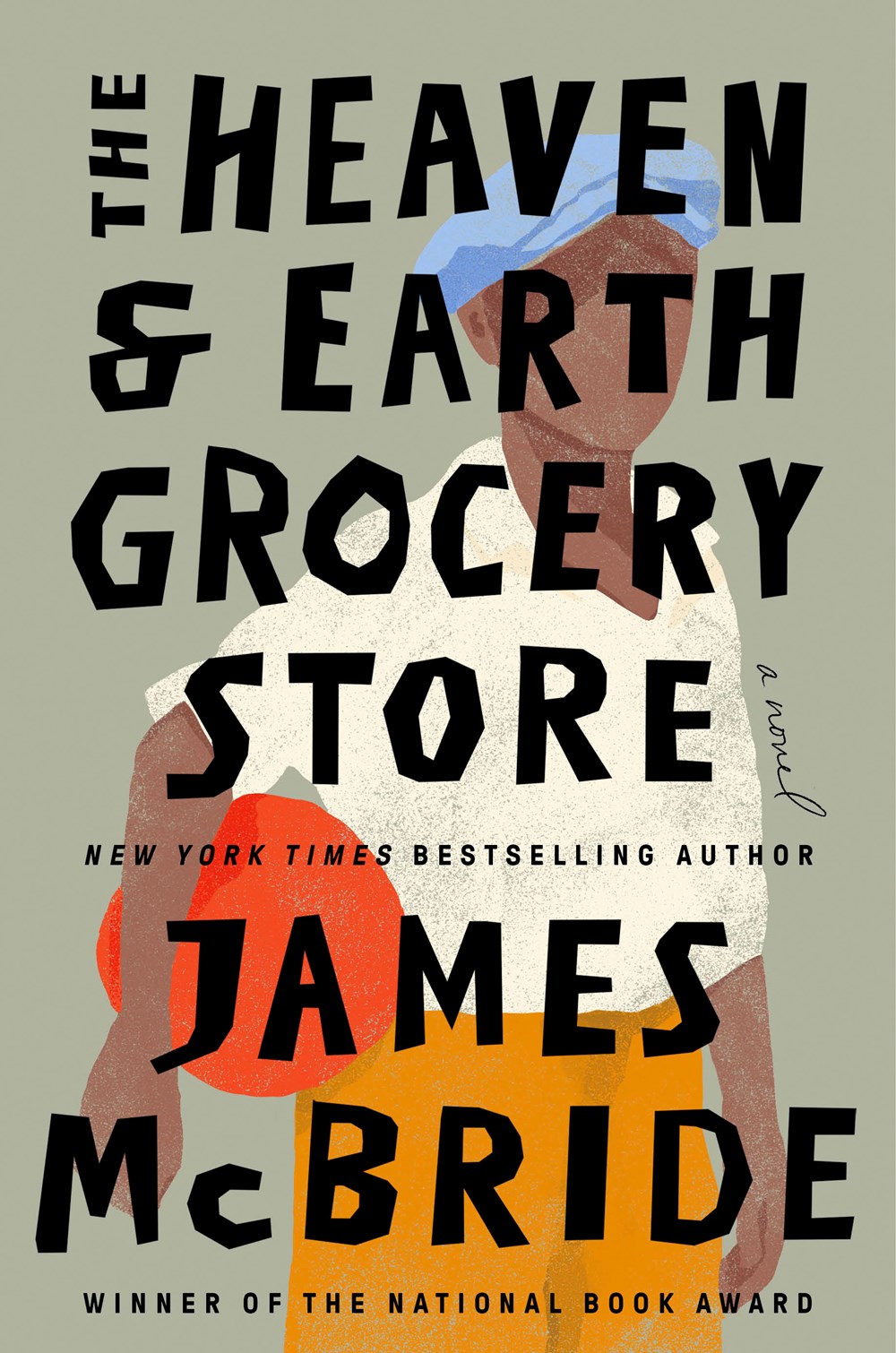
The Heaven & Earth Grocery Store by James McBride
In 1972, when workers in Pottstown, Pennsylvania, were digging the foundations for a new development, the last thing they expected to find was a skeleton at the bottom of a well. Who the skeleton was and how it got there were two of the long-held secrets kept by the residents of Chicken Hill, the dilapidated neighborhood where immigrant Jews and African Americans lived side by side and shared ambitions and sorrows. Chicken Hill was where Moshe and Chona Ludlow lived when Moshe integrated his theater and where Chona ran the Heaven & Earth Grocery Store. When the state came looking for a deaf boy to institutionalize him, it was Chona and Nate Timblin, the Black janitor at Moshe’s theater and the unofficial leader of the Black community on Chicken Hill, who worked together to keep the boy safe.
As these characters’ stories overlap and deepen, it becomes clear how much the people who live on the margins of white, Christian America struggle and what they must do to survive. When the truth is finally revealed about what happened on Chicken Hill and the part the town’s white establishment played in it, McBride shows us that even in dark times, it is love and community—heaven and earth—that sustain us.
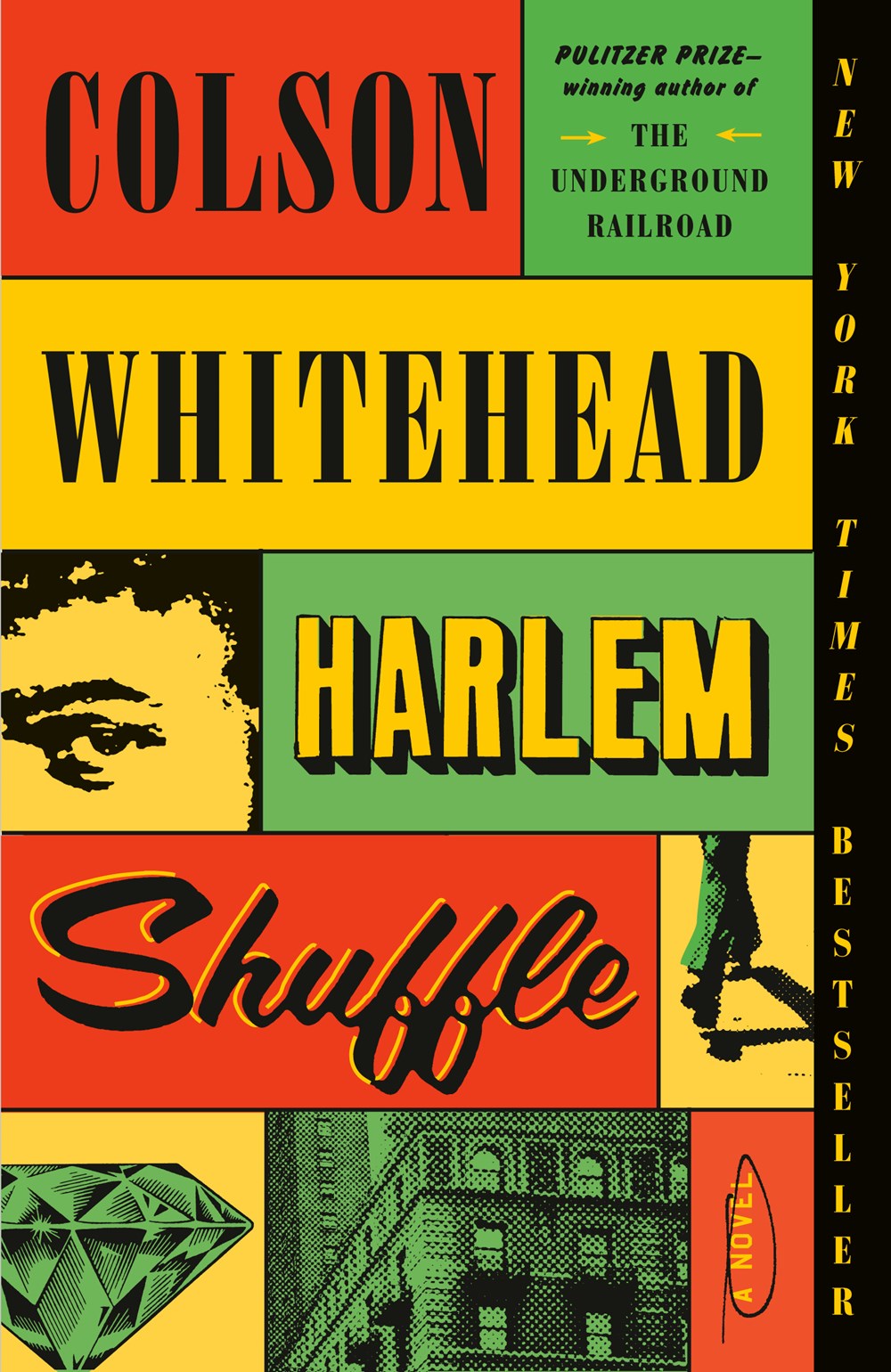
Read-Alike 1: Harlem Shuffle by Colson Whitehead
“Ray Carney was only slightly bent when it came to being crooked…” To his customers and neighbors on 125th street, Carney is an upstanding salesman of reasonably priced furniture, making a decent life for himself and his family. He and his wife Elizabeth are expecting their second child, and if her parents on Striver’s Row don’t approve of him or their cramped apartment across from the subway tracks, it’s still home.
Few people know he descends from a line of uptown hoods and crooks, and that his façade of normalcy has more than a few cracks in it. Cracks that are getting bigger all the time.
Cash is tight, especially with all those installment-plan sofas, so if his cousin Freddie occasionally drops off the odd ring or necklace, Ray doesn’t ask where it comes from. He knows a discreet jeweler downtown who doesn’t ask questions, either.
Then Freddie falls in with a crew who plan to rob the Hotel Theresa—the “Waldorf of Harlem”—and volunteers Ray’s services as the fence. The heist doesn’t go as planned; they rarely do. Can Ray avoid getting killed, save his cousin, and grab his share of the big score, all while maintaining his reputation as the go-to source for all your quality home furniture needs?

Read-Alike 2: Oh William! by Elizabeth Strout
Lucy Barton is a writer, but her ex-husband, William, remains a hard man to read. William, she confesses, has always been a mystery to me. Another mystery is why the two have remained connected after all these years. They just are.
So Lucy is both surprised and not surprised when William asks her to join him on a trip to investigate a recently uncovered family secret—one of those secrets that rearrange everything we think we know about the people closest to us. What happens next is nothing less than another example of what Hilary Mantel has called Elizabeth Strout’s “perfect attunement to the human condition.” There are fears and insecurities, simple joys and acts of tenderness, and revelations about affairs and other spouses, parents and their children. On every page of this exquisite novel we learn more about the quiet forces that hold us together—even after we’ve grown apart.

American Prometheus by Kai Bird and Martin J. Sherwin
A #1 New York Times Bestseller and Pulitzer Prize Winner, this book is the definitive biography of J. Robert Oppenheimer, one of the iconic figures of the twentieth century, a brilliant physicist who led the effort to build the atomic bomb for his country in a time of war, and who later found himself confronting the moral consequences of scientific progress.
In this magisterial, acclaimed biography twenty-five years in the making, Kai Bird and Martin Sherwin capture Oppenheimer’s life and times, from his early career to his central role in the Cold War. This is biography and history at its finest, riveting and deeply informative.

Read-Alike 1: 109 East Palace by Jennet Conant
In 1943, J. Robert Oppenheimer, the brilliant, charismatic head of the Manhattan Project, recruited scientists to live as virtual prisoners of the U.S. government at Los Alamos, a barren mesa thirty-five miles outside Santa Fe, New Mexico. Thousands of men, women, and children spent the war years sequestered in this top-secret military facility. They lied to friends and family about where they were going and what they were doing, and then disappeared into the desert. Through the eyes of a young Santa Fe widow who was one of Oppenheimer’s first recruits, we see how, for all his flaws, he developed into an inspiring leader and motivated all those involved in the Los Alamos project to make a supreme effort and achieve the unthinkable.
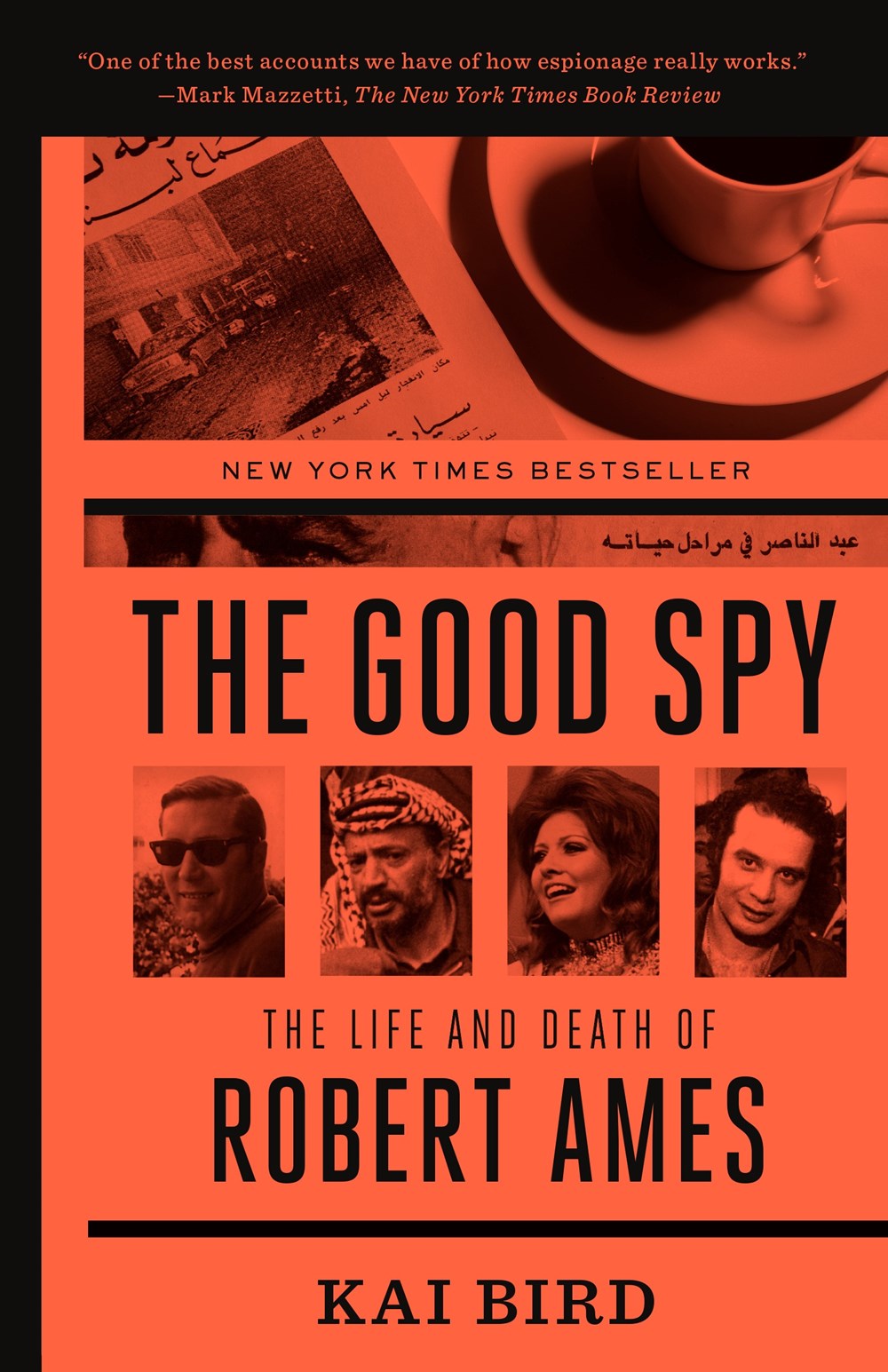
Read-Alike 2: The Good Spy by Kai Bird
On April 18, 1983, a bomb exploded outside the American Embassy in Beirut, killing 63 people. The attack was a geopolitical turning point. It marked the beginning of Hezbollah as a political force, but even more important, it eliminated America’s most influential and effective intelligence officer in the Middle East – CIA operative Robert Ames. What set Ames apart from his peers was his extraordinary ability to form deep, meaningful connections with key Arab intelligence figures. Some operatives relied on threats and subterfuge, but Ames worked by building friendships and emphasizing shared values – never more notably than with Yasir Arafat’s charismatic intelligence chief and heir apparent Ali Hassan Salameh (aka “The Red Prince”). Ames’ deepening relationship with Salameh held the potential for a lasting peace. Within a few years, though, both men were killed by assassins, and America’s relations with the Arab world began heading down a path that culminated in 9/11, the War on Terror, and the current fog of mistrust.
Bird, who as a child lived in the Beirut Embassy and knew Ames as a neighbor when he was twelve years old, spent years researching The Good Spy. Not only does the book draw on hours of interviews with Ames’ widow, and quotes from hundreds of Ames’ private letters, it’s woven from interviews with scores of current and former American, Israeli, and Palestinian intelligence officers as well as other players in the Middle East “Great Game.”
 Mead Public Library Blog